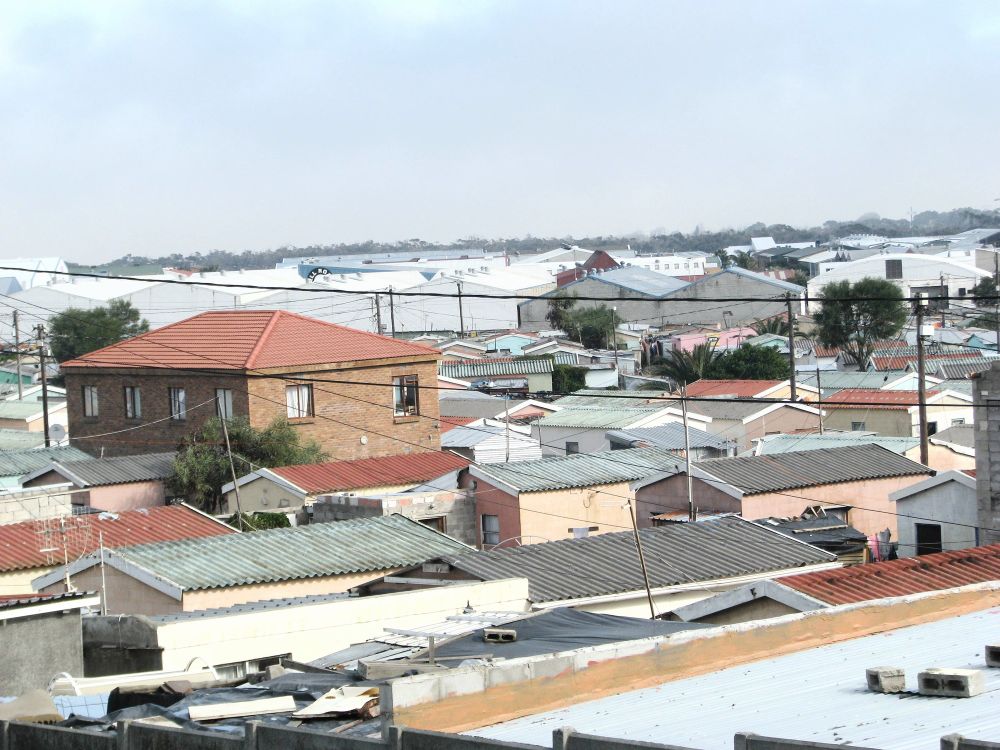
A little-spoken about apartheid-era policy is still playing out in townships, adding another layer that keeps much of the property in the informal sector, unable to be traded formally and used as collateral to improve circumstances.
By Vusi Vokwana
There is a particular kind of violence in a spreadsheet. Not the kind that makes headlines — no baton, no bulldozer — but the kind that lives quietly in a municipal valuation roll, recalculating itself every billing cycle, decade after decade, without anyone needing to decide anything cruel ever again.
The cruelty was decided once, in the 1950s and 60s, when townships like Langa, Gugulethu and Nyanga were laid out. Everything since has just been the system running on autopilot.
Here is the mechanism, stripped of jargon. A township erf — the basic unit of land in the South African cadastral system — gets one valuation. One rates account. One service connection. One indigent allocation, if the owner qualifies.