A powerful account of how the legacy of apartheid continues to shape lives across generations.
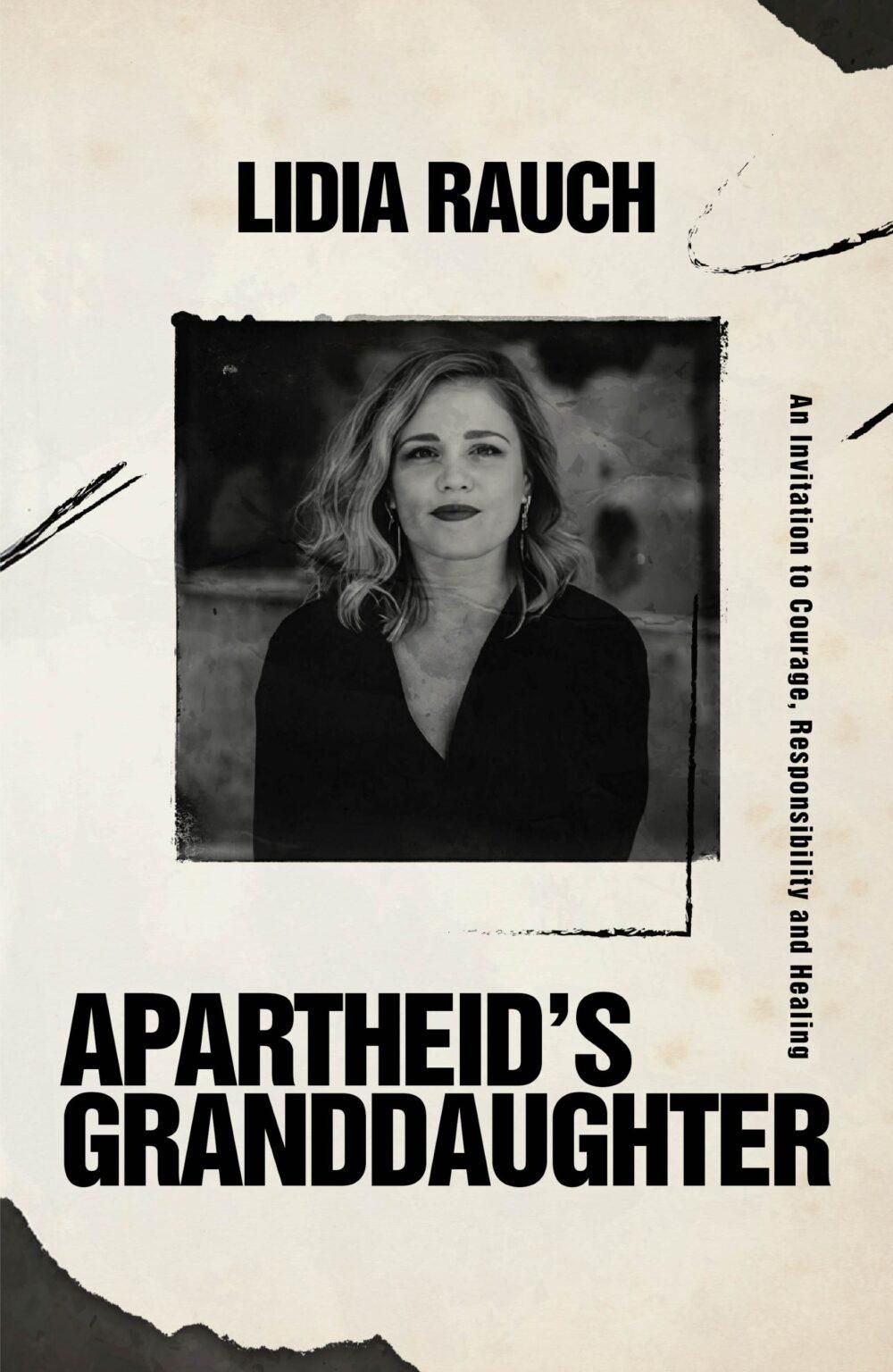
Reading Lidia Rauch’s Apartheid’s Granddaughter reminded me that history doesn’t stop when laws are rewritten.
It lingers in families, in systems, and in the way we see one another. That is why the title feels so charged: it points to what we inherit not only from relatives, but from the country itself — the stories we are told, and the silences we are taught to keep.
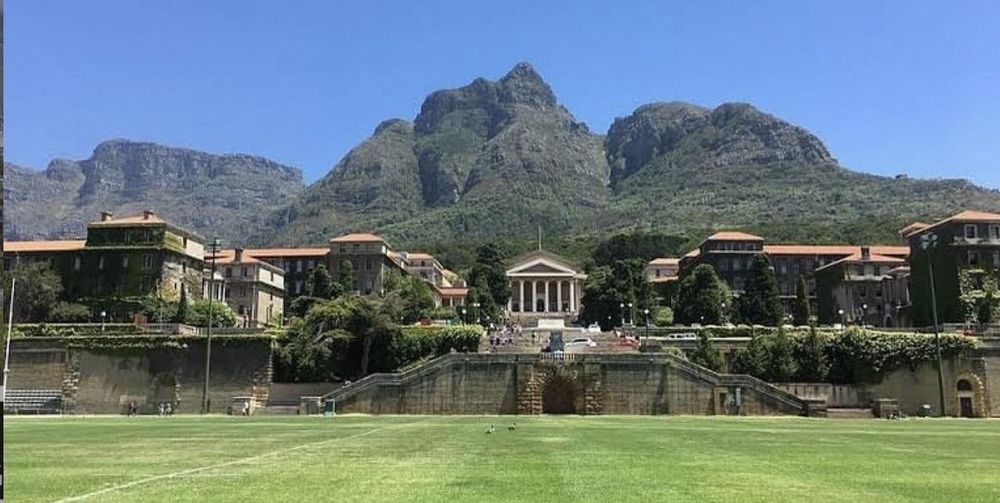
I think of how surnames, accents, or even the schools we attend carry traces of the past. They are not neutral; they are shaped by what came before.
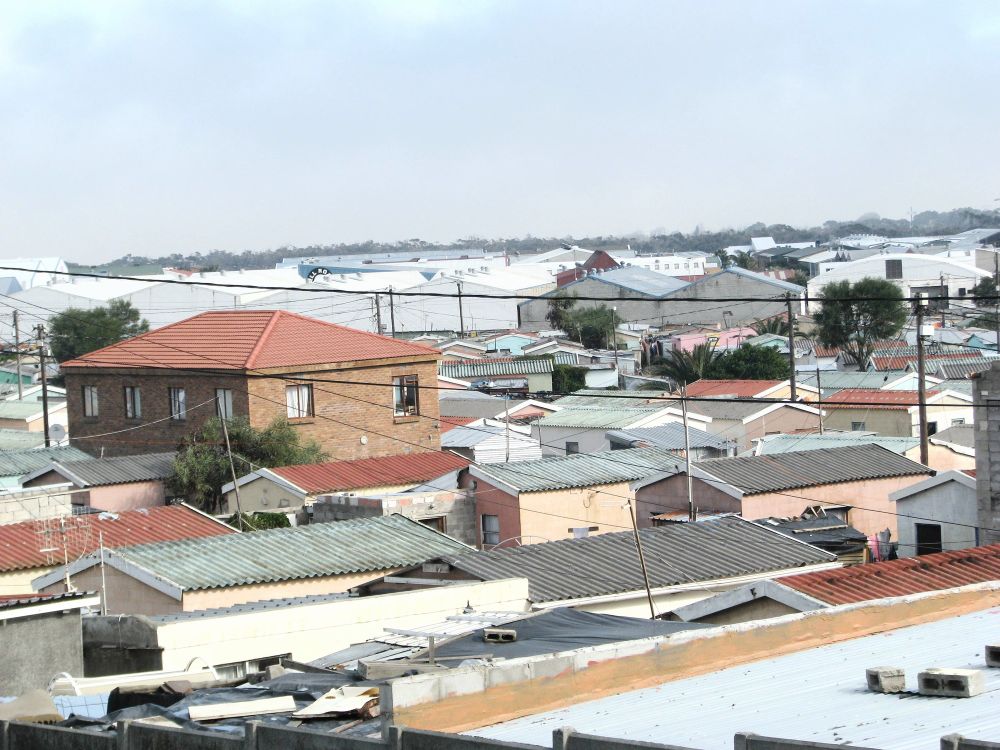
What struck me most is how apartheid is not treated as a closed chapter. It is still present in the unequal spaces we move through every day. We see it in education, in housing, in access to opportunity and in the assumptions people make before they have even heard someone speak.