Story audio is generated using AI
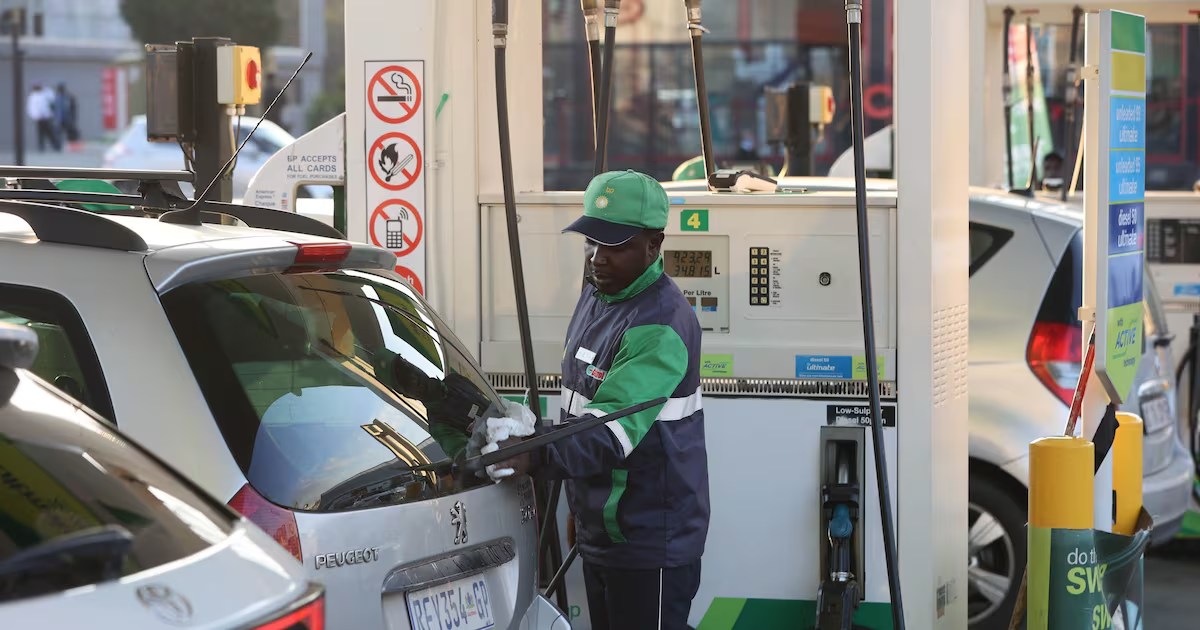
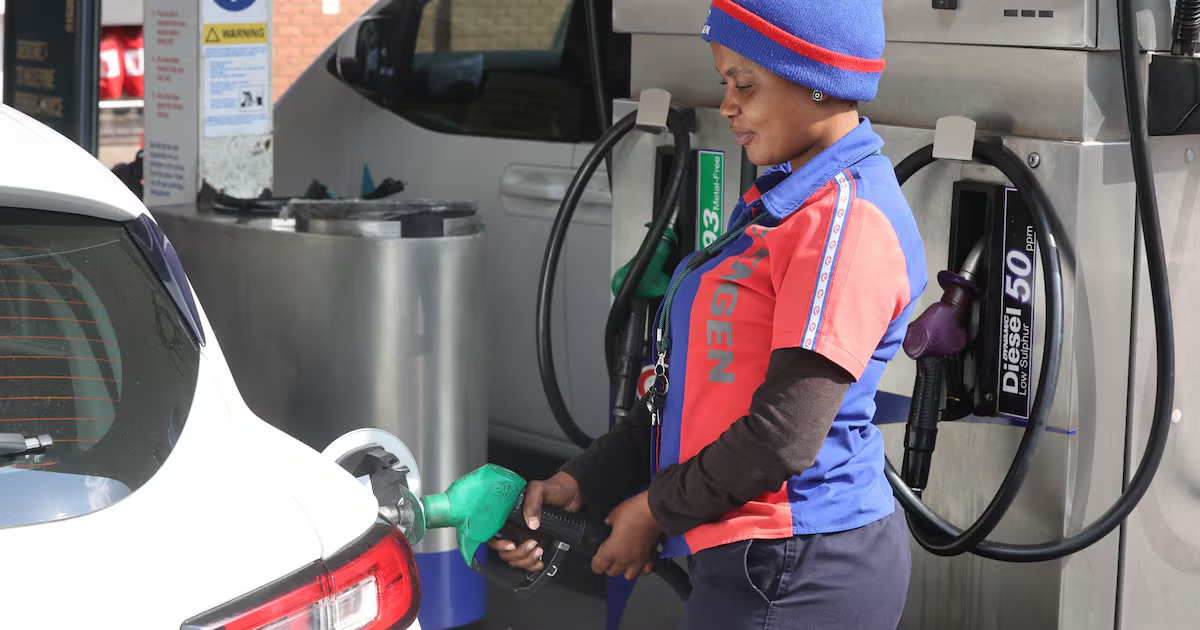
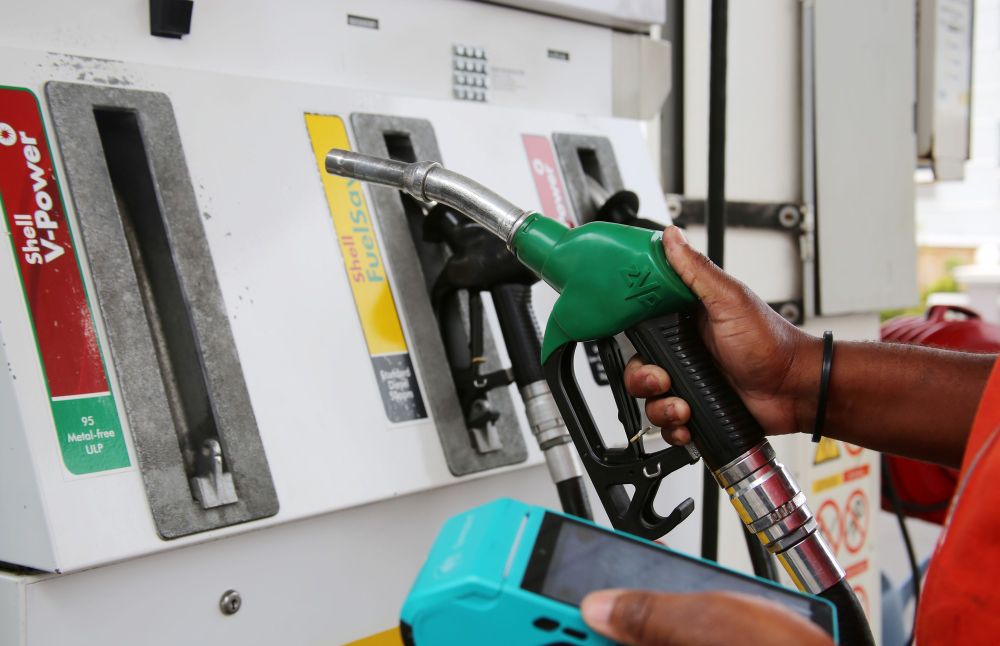
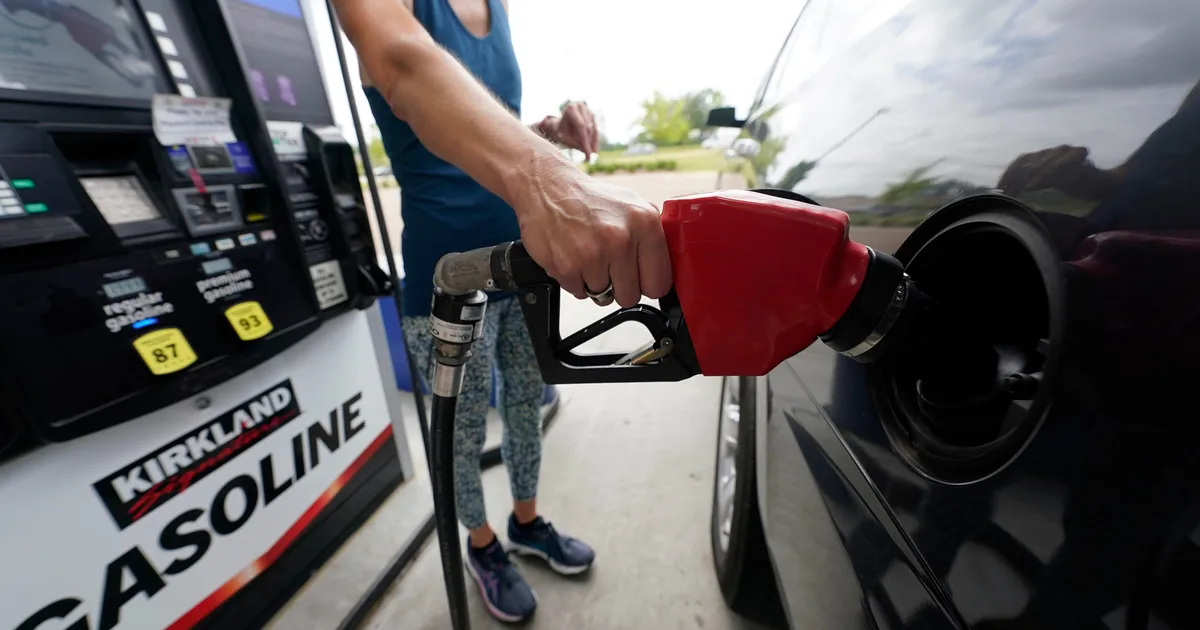
Annual producer inflation accelerated sharply for the second consecutive month in May, outpacing economists’ forecasts and pointing to another rate hike when the Reserve Bank holds its next policy meeting in July.That spells bad news for consumers, who admitted in a recent survey to feeling stressed, worried, anxious or overwhelmed about the prospect of higher rates after the 25 basis point increase in May, with 38% saying they are very likely to fall behind on debt repayments.The producer price index soared 7.8% year on year in May after a 4.8% increase in April, Stats SA said. The main reason for the surge was coke, petroleum, chemical, rubber and plastic products, which jumped to an annual rate of 22% and contributed 4.7 percentage points to the headline number.(Karen Moolman) Annual inflation for paper and printed products was 8.7% while for food products, beverages and tobacco products it reached 2.1%.Month on month, prices at the factory gate increased 2.6% in May, driven largely by coke, petroleum, chemical, rubber and plastic products.Producer inflation measures price changes at the factory or wholesale level — factoring in the costs of raw materials, electricity, fuel and imported inputs — before goods reach consumers.It is an early warning signal for consumer inflation, which is targeted by the South African Reserve Bank for monetary policy. The Bank adopted a lower 3% target last year.The May producer inflation print is a reality check for those who might have been hoping the Bank might hold off hiking interest rates further next month after consumer inflation undershot expectations at 4.5% year on year in May. However, it breached the top of the 2%-4% tolerance band of its target.Producer and consumer inflation have trended higher in response to steep fuel price increases since early April as the Middle East war has played havoc with global oil supply. South Africa is a net importer of oil and petroleum products.Progress has been made on ending the conflict, though risks remain for a flare-up, Investec economist Lara Hodes said.“The Brent crude price has in turn fallen substantially, which will see fuel price cuts effected in July, even after fuel levy adjustments,” she said.Nearly half of consumers would experience severe financial pressure and struggle to manage if the bank were to raise interest rates further, according to a recent study by Debt Rescue.The debt counselling service said 48.5% of respondents did not know how they would cope with higher rates while 32.2% indicated they would need to make cuts to their budgets.In raising its benchmark rate to 7% in May, the Bank cited a deterioration in the inflation outlook largely due to higher oil prices as well as risks of a drought due to the El Niño weather pattern.El Niño poses the greatest risk of increasing food prices in Southeast Asia and Sub-Saharan Africa, Oxford Economics warned on Thursday.“For South Africa, a strong El Niño could lift headline [consumer] inflation in 2027 by one percentage point relative to our baseline,” its lead economist Lucila Bonilla said. The producer price index measures changes in the prices of locally produced commodities. Stats SA surveys a sample of producers each month to compile the indices for final manufactured goods — the headline number — as well as intermediate manufactured goods, electricity and water, mining and agriculture, forestry and fishing.Thursday’s data shows that the annual change in the producer price index (PPI) for intermediate manufactured goods was 13.7% in May compared with 10% in April, while on a monthly basis the index rose 2.4%.Electricity and water inflation eased slightly to 12.3% in May from 12.5% in April, while the PPI for agriculture, forestry and fishing fell 5.4% year on year in May after dropping 6.5% in April.