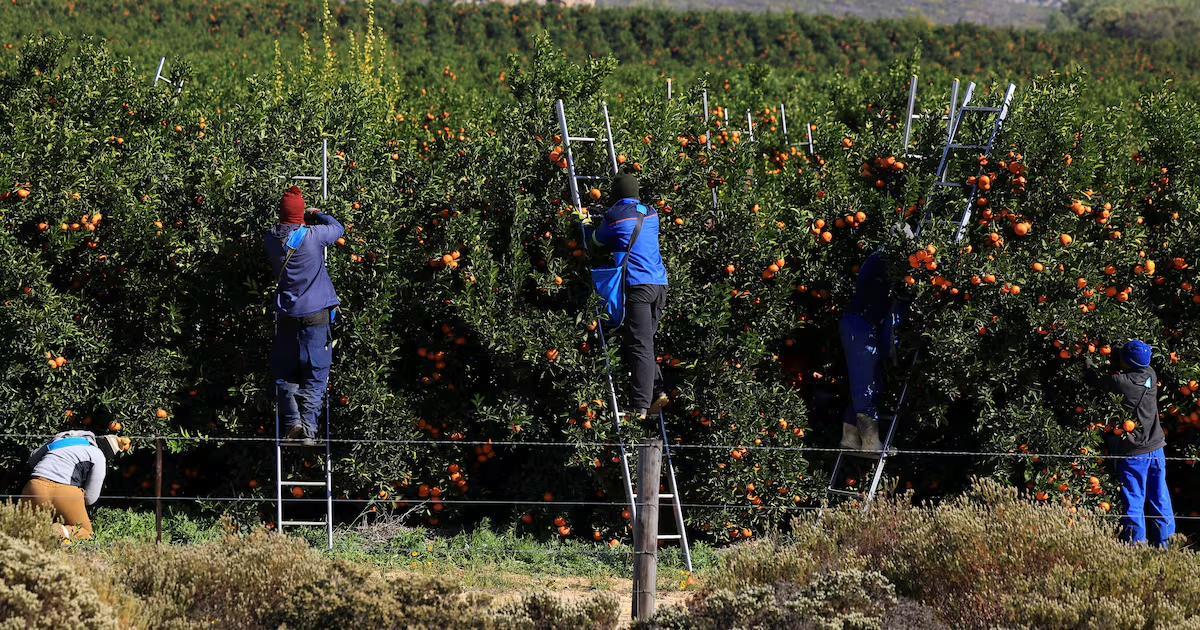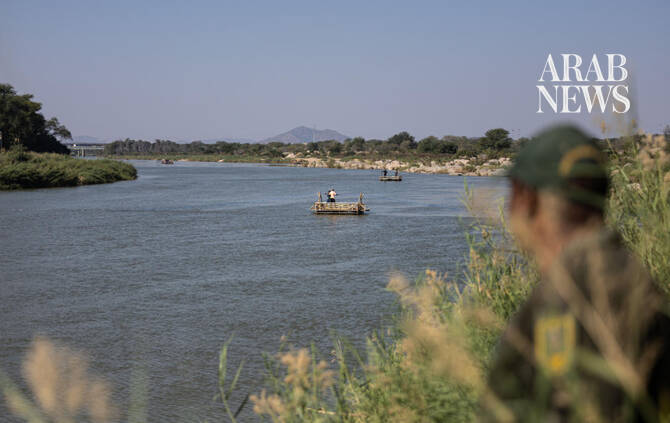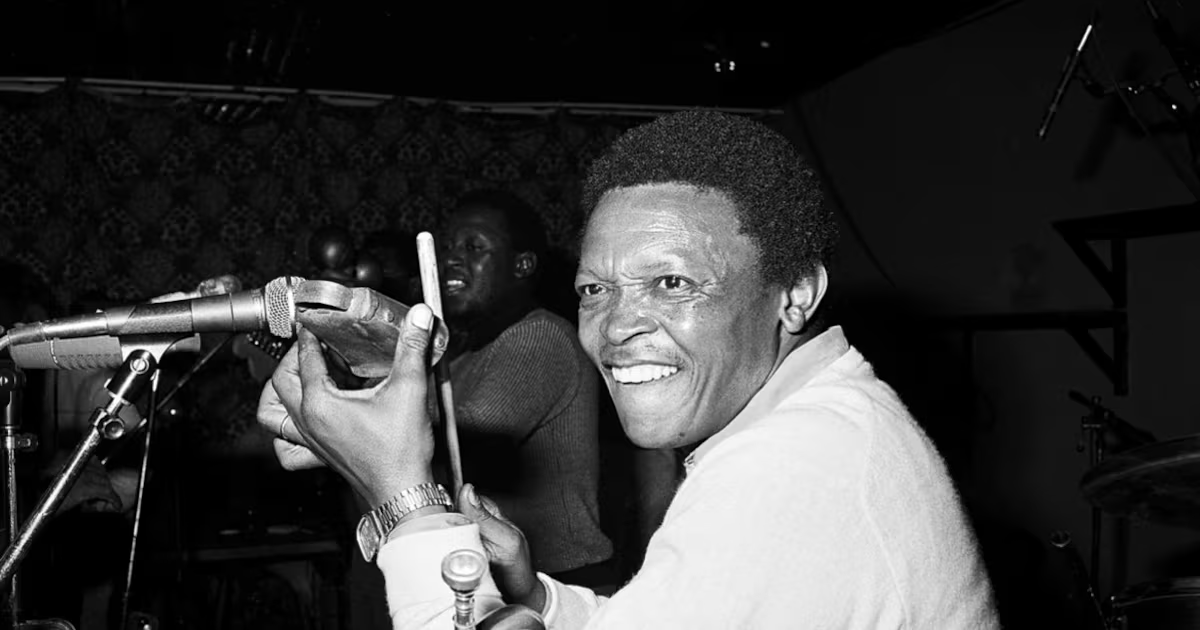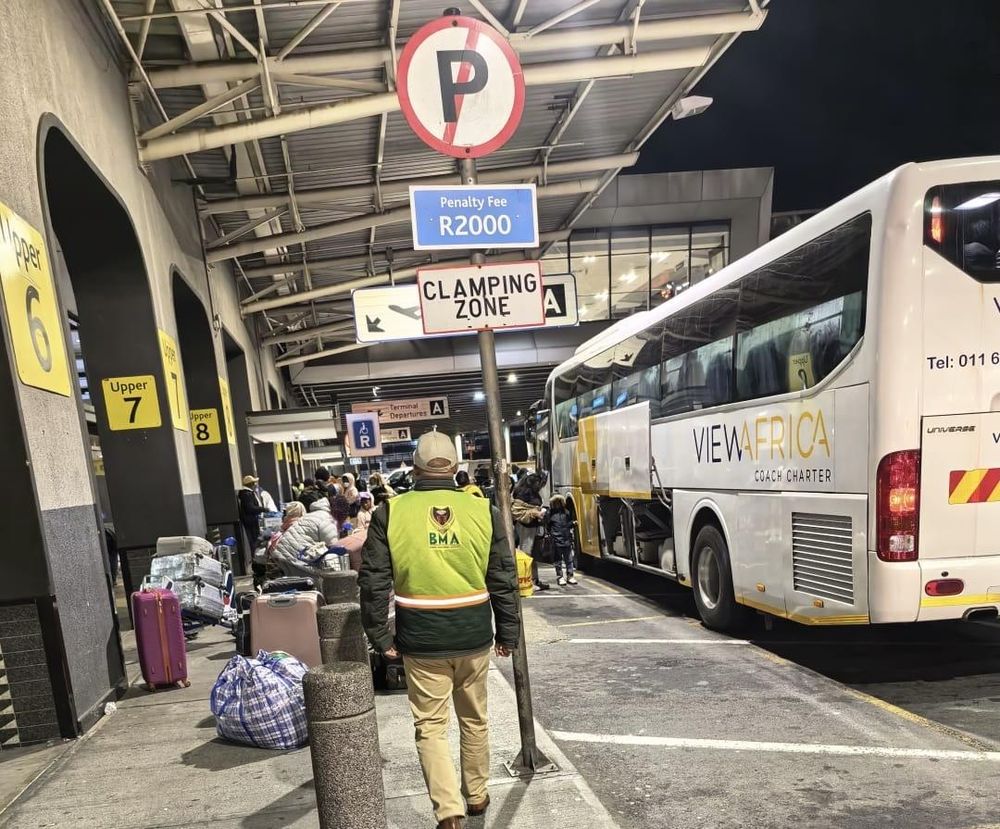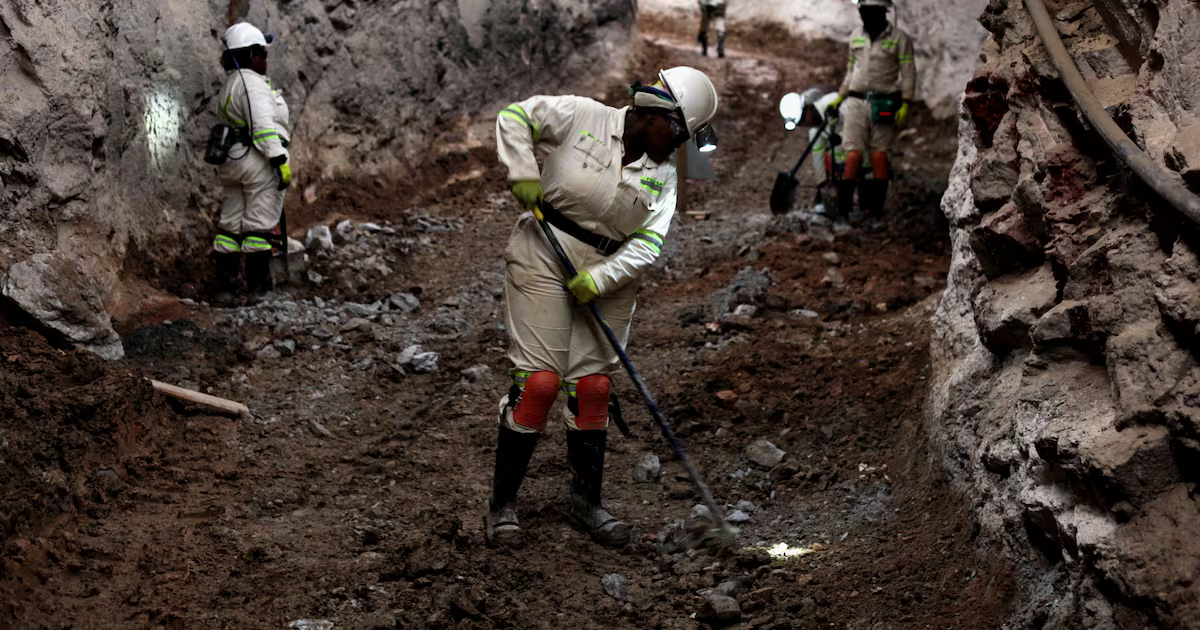
Decades before the Gupta family landed a legion of wedding guests at Waterkloof, Malawian prime minister Kamuzu Banda descended at the military air base in the 1970s. Years after, South African prime minister John Vorster gave his new nation a loan to build a railway link connecting his landlocked country to the port of Nacala in Mozambique. Banda’s jet landed at Waterkloof to much fanfare and a warm reception from the National Party mandarins. The Vorster-Banda “broederskap” served a dual function. It allowed Pretoria friendly “spore” from which it could propagate a friendlier neighbourhood, as political changes in Southern Africa gave South Africa a series of hostile neighbours. It also assured South African mining and agriculture a stable supply of labour. Banda was the enigmatic, lion-tail-flywhisk-wielding guarantor of these functional roles and dual purposes of the newly independent nations. In return for his nominal support, Pretoria put up money for Banda’s state capital, sent adventurous white tourists to places such as Lake Malawi and Kasungu and funded his railway link. The long queues of those awaiting deportation (or evacuation) from South Africa in eThekwini and Johannesburg this week are a few generations removed from the migrants without passports but “permits” (passes of sorts) who moved between the farms and the mines.It was an independence of continuity rather than rupture; an old tale that made Banda’s people a significant part of the people who occupied the undercarriage of “belonging” in apartheid South Africa, thousands of kilometres south. So too, under the systems of settler colonial rule in South Africa and Southern Rhodesia, did “foreign labour policies” change with the ebbs and flows of demand conditions. These unfolding historical processes are as much a part of the Malawian as the Basotho or Transkeian story. For example, amendments to the Native (Urban Areas) Act of 1923, in the period after the Great Depression, prohibited the employment of “foreign natives” in industrial and domestic jobs. Only the mining industry would have access to the “tropicals”, as these workers were called. Agriculture got some exceptions too. A regulation passed in 1939 allowed for the “employment exclusively as farm labourers” of workers from “Nyasaland and Northern and Southern Rhodesia” in certain districts in the Northern Transvaal. So, these struggles within a particular form of “intergroup” wage competition in the South African labour market were sharpened at different points in the business cycle. The long queues of those awaiting deportation (or evacuation) from South Africa in eThekwini and Johannesburg this week are a few generations removed from the migrants without passports but “permits” (passes of sorts) who moved between the farms and the mines. They are products of the bureaucrat’s pen, who could, by rule or fiat, be allowed movement in response to the seasonal and intersectoral needs of industry and our homes while limiting their time and space to make claims within South Africa. They belonged but did not. Their desperation for legibility and claim to citizenship (and any labour protections that could raise wages) is what made them “cheap” labour. It was a particularly imperfect form of mobility in the South African labour market that has an enduringly depressing legacy on the present. March and March captures the popular motifs of genuine discontent with weak labour market outcomes and widespread discouragement and accords them an identifiable host subject of blame and disdain, fomenting the frustrations with premature deindustrialisation into a divisive purge. The regulated presence that made Malawian, Basotho and even Transkeian workers a profitable set to employ and exploit arose from the ambiguity of belonging in a world where citizenship was negotiated differently before and after 1994. The end of apartheid was a particular resolution of this ambiguity for a subset of the African workforce. For those from further afield, newly excluded from these new zones of belonging, it introduced a new distributional contest: a new adversarial economic contest against the same people for whom there may have been occasional quibbling of difference but general solidarity from shared difficulty in the republic. This is part of what March and March complicates and makes rather unfortunate. Migration is not a new problem in the labour market. It is so enduringly old that it breaches the boundaries that demarcate who belongs. Or does not. • Cawe is chief commissioner at the International Trade Administration Commission. He writes in his personal capacity.
AYABONGA CAWE | Old labour ties shape today’s migrant struggles
The history of cross-border labour must be addressed in SA's migration debate
725 words~3 min read