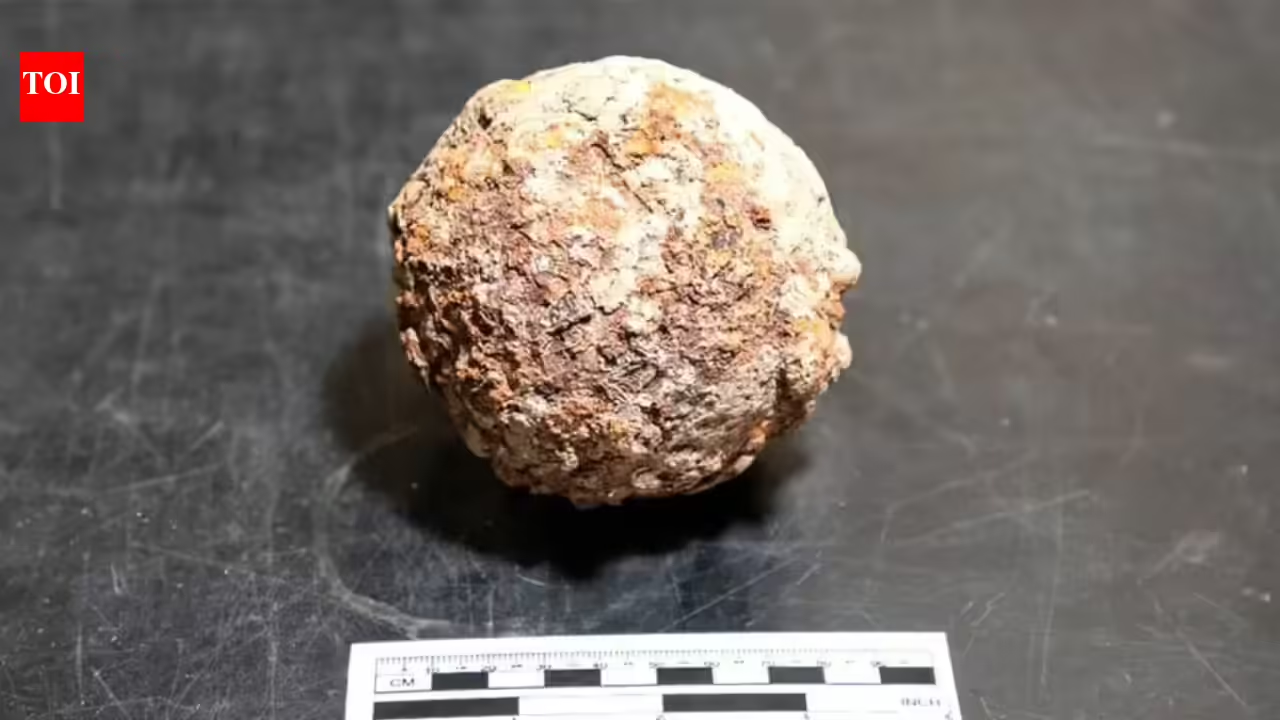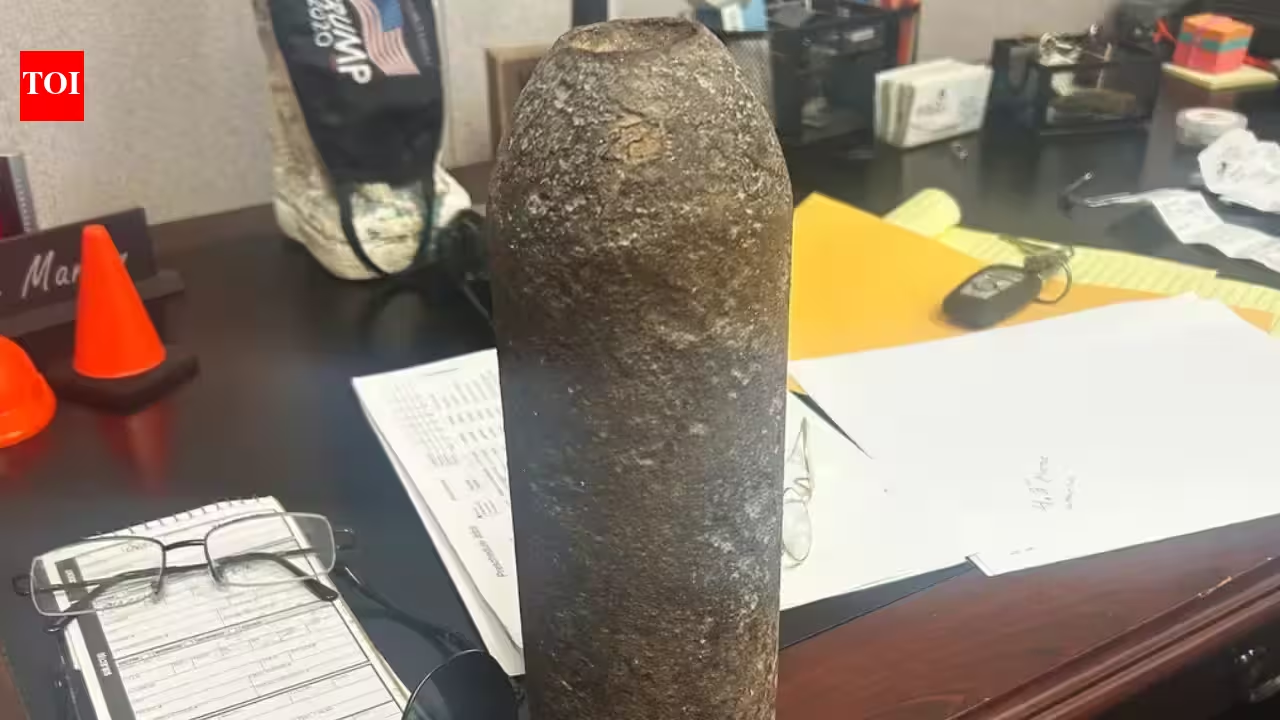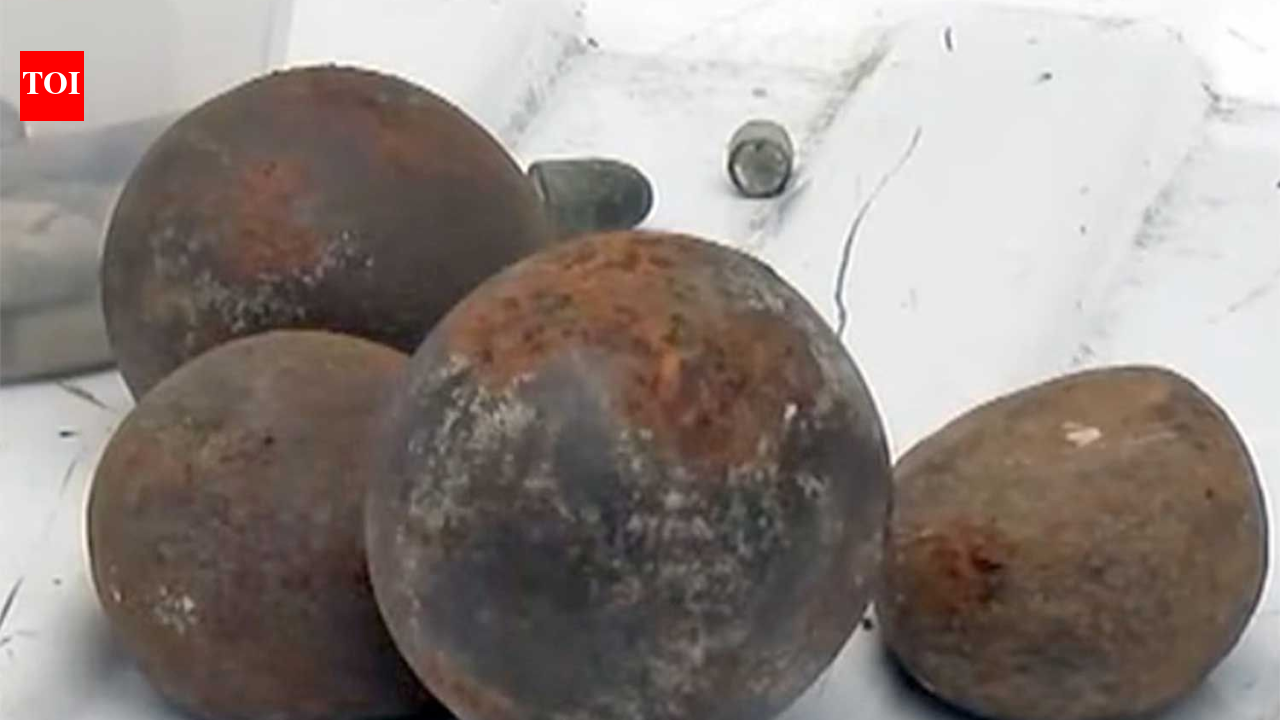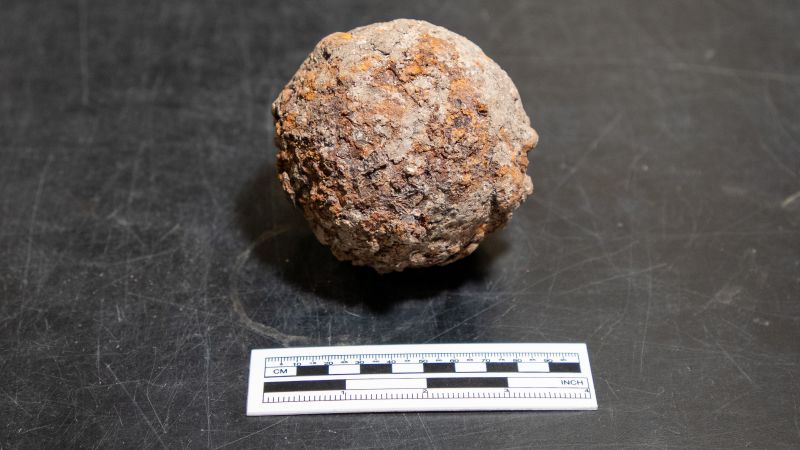
An iron cannonball that may have played a role in the 1836 Battle of the Alamo has been unearthed in Texas, according to researchers. It’s only the second artifact of its kind ever found intact at the site.
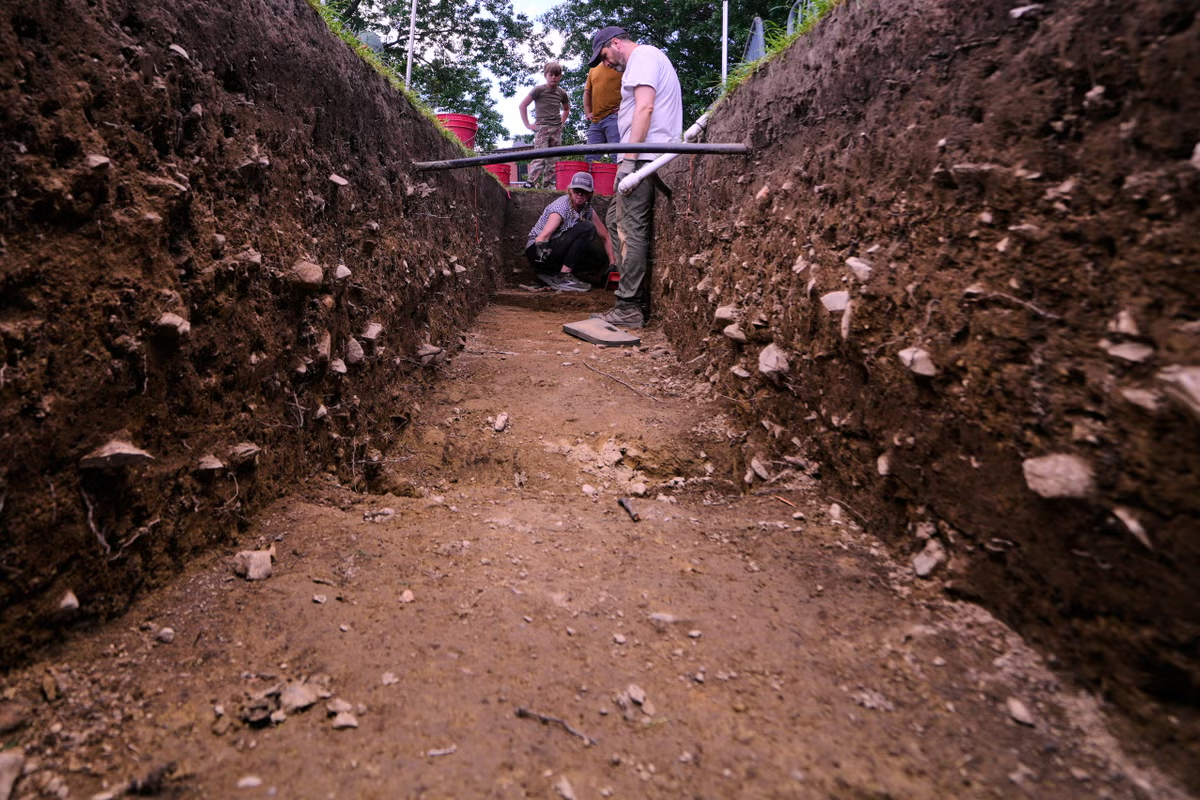
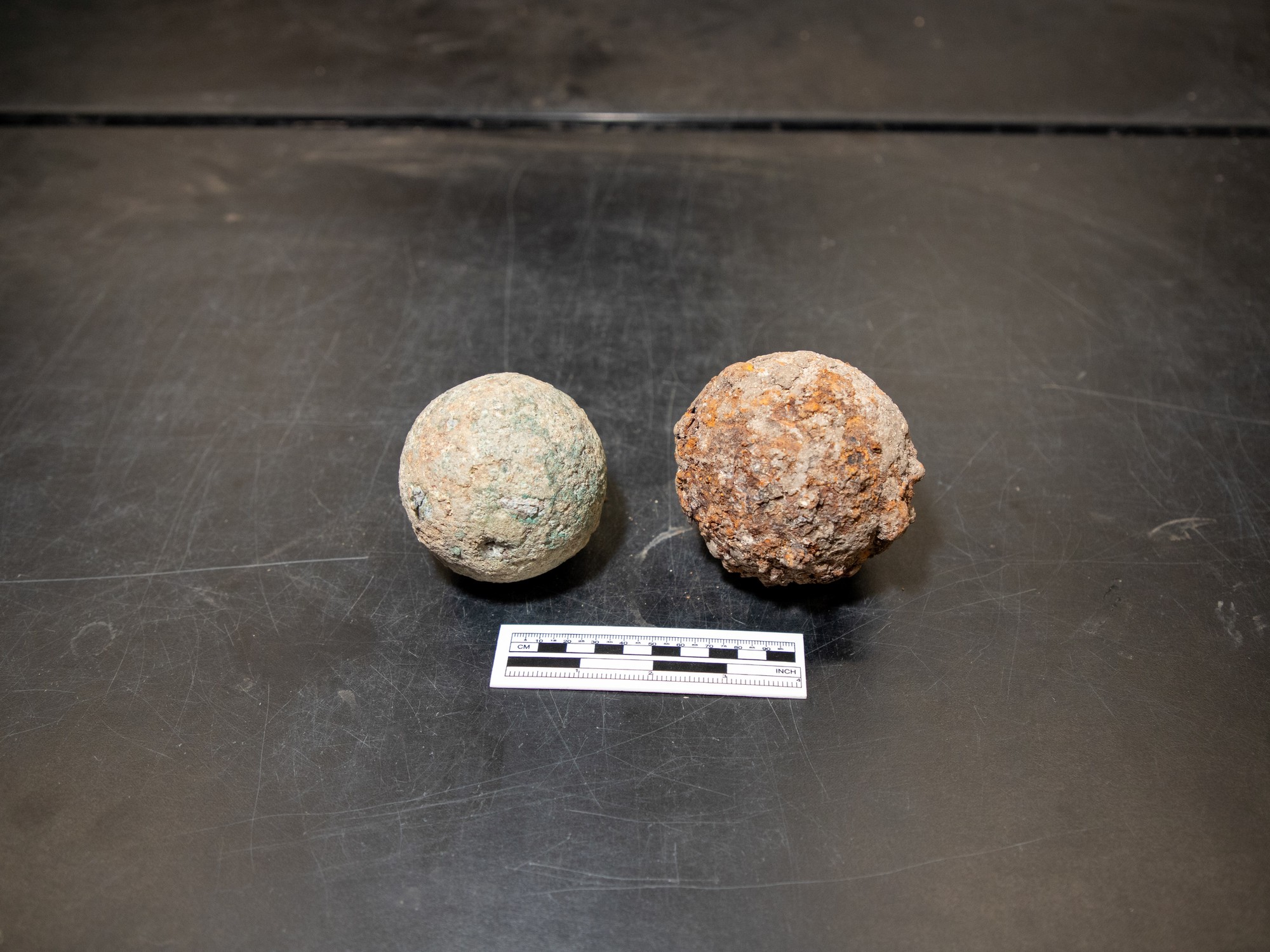
Archaeologists were digging beneath undisturbed soil layers in June near the Alamo Church in San Antonio when they discovered an undamaged cannonball likely fired from a 6-pound (2.7-kilogram) cannon just 3 feet (nearly 1 meter) below ground. The same team of researchers spotted the first intact cannonball in the area, a 4-pound (1.8-kilogram) bronze relic, about 6 feet (1.8 meters) away in March, a day before the 190th anniversary of the battle.
The Battle of the Alamo was one of the most monumental conflicts of the Texas Revolution, a rebellion that ended in Texas becoming independent from Mexico and establishing itself as a republic for nearly a decade before US statehood. Texians, Anglo-American colonists who settled in Texas, and Tejanos, Mexican Americans born in Texas, fought side by side against the Mexican army and defended Texas for 13 days before their defeat at the battle, immortalizing the phrase “Remember the Alamo!”
After the Battle of the Alamo, the Mexican army ransacked the site and salvaged all the leftover artillery for future military use, ridding the battleground of most of its weaponry.