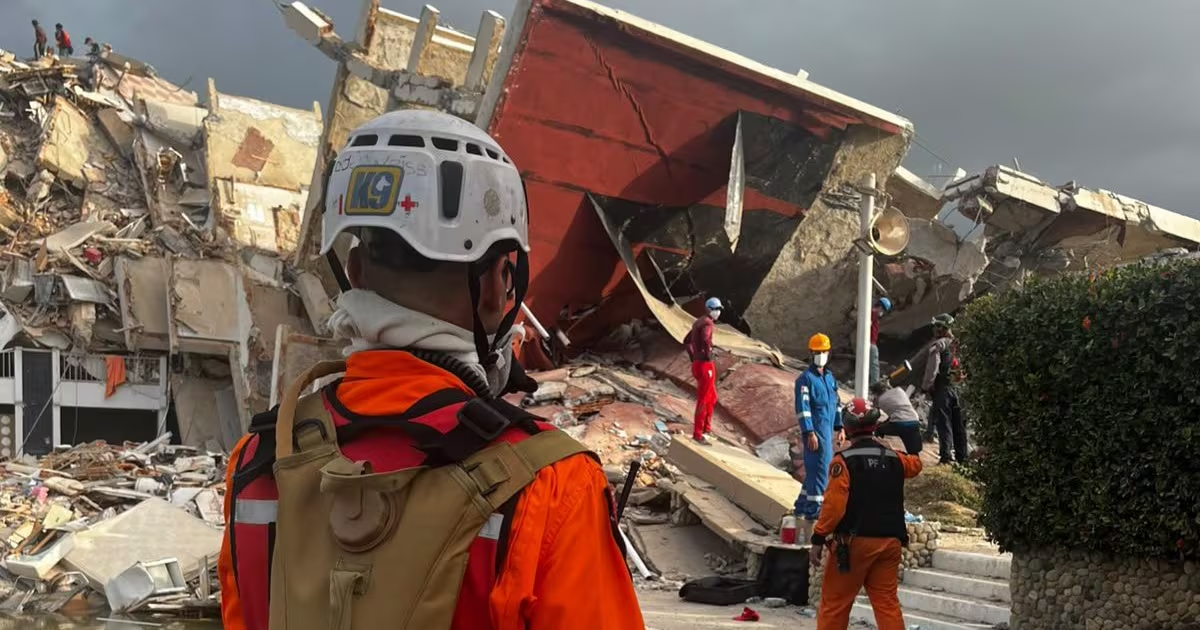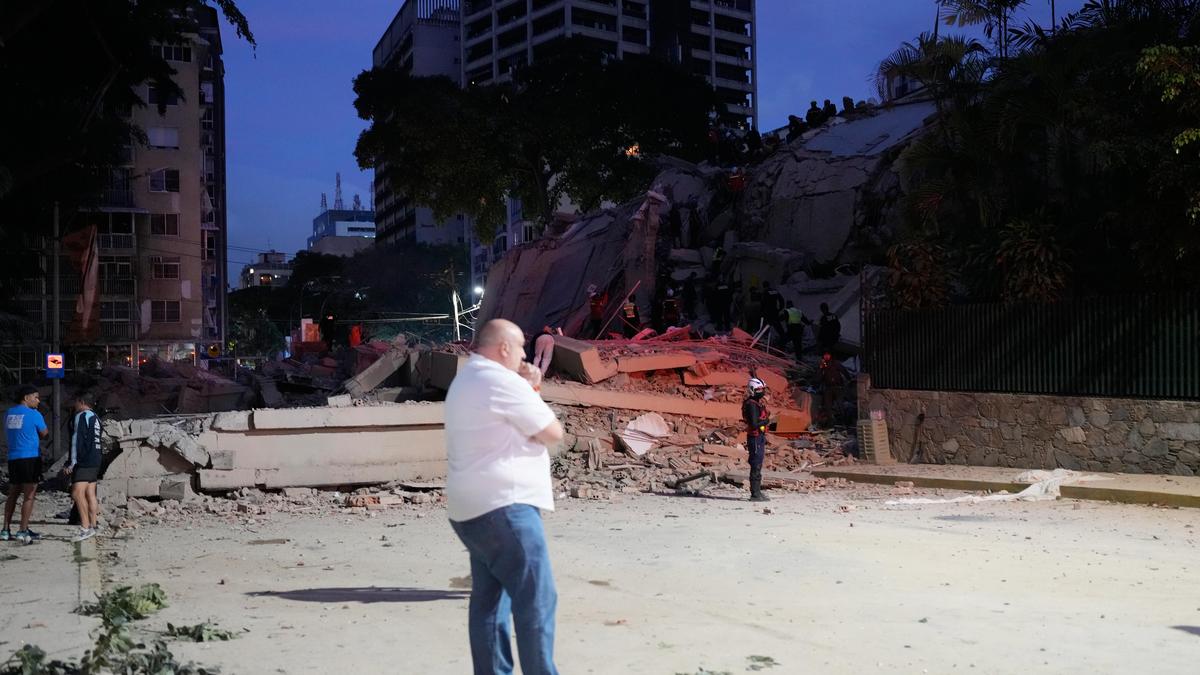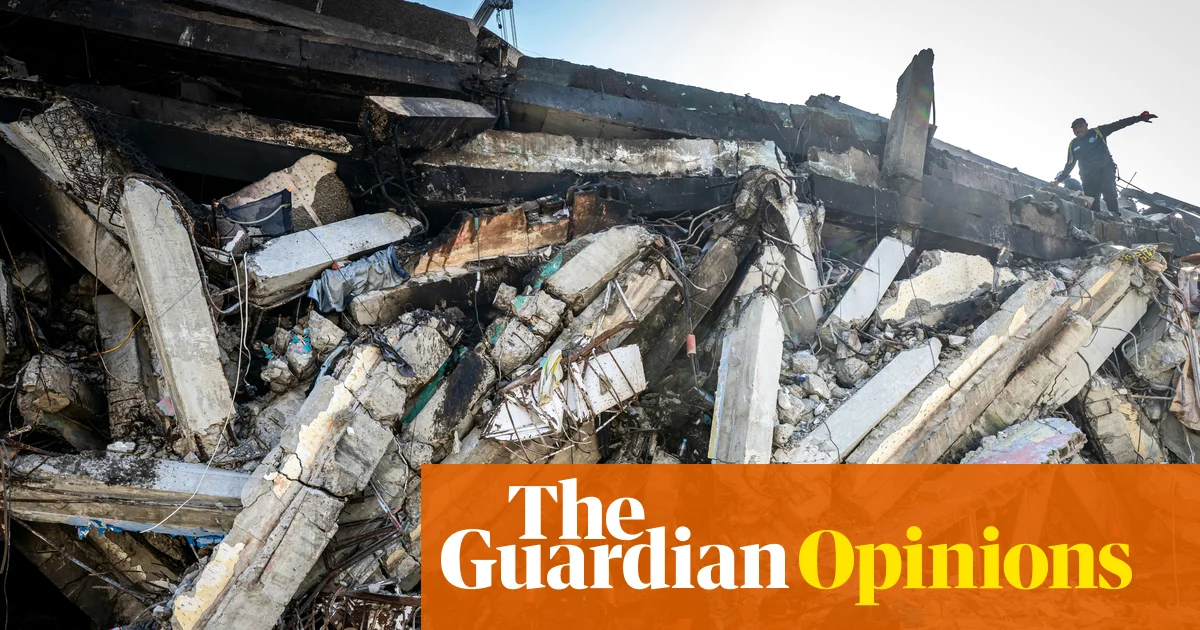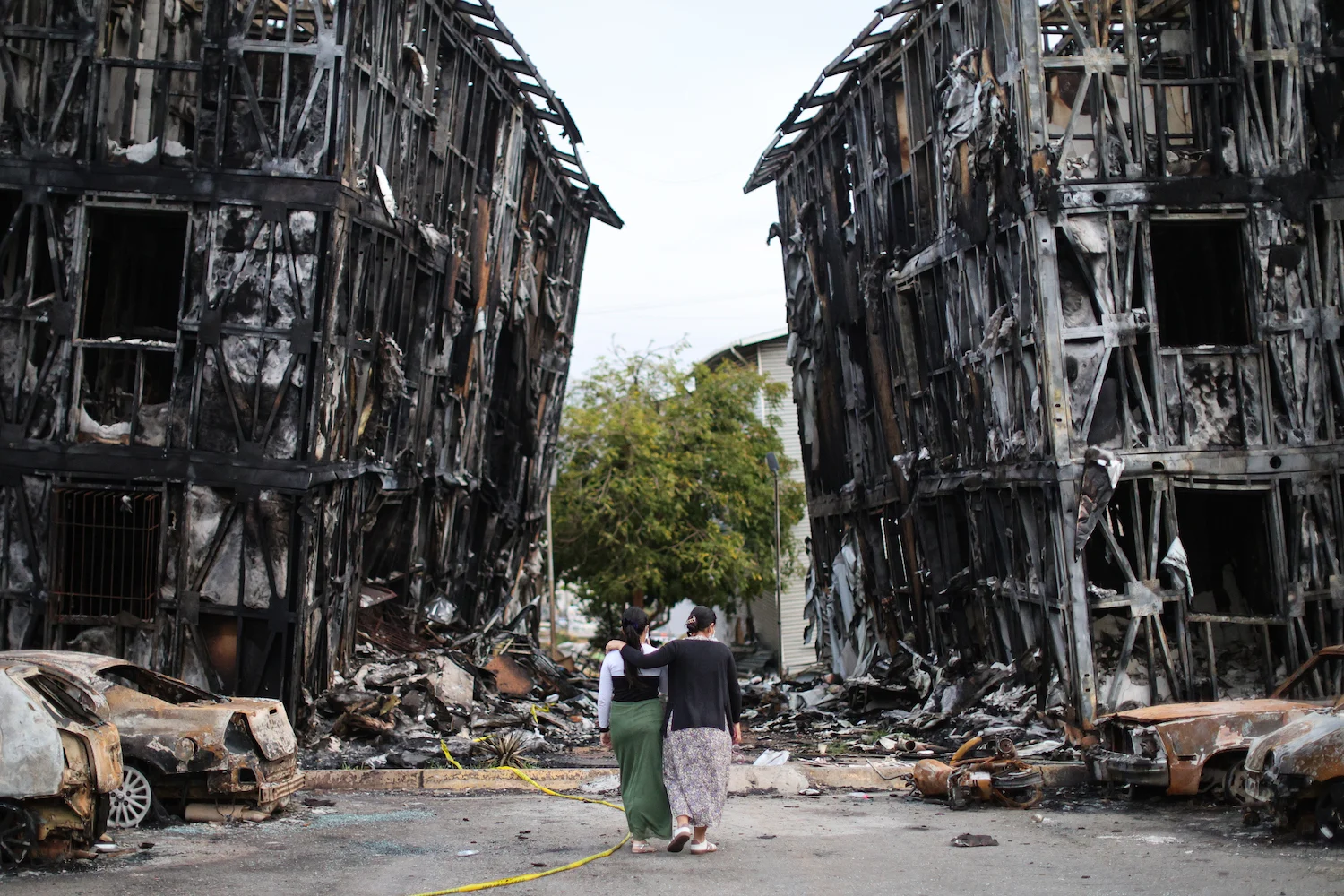
Reading Time: 2 minutesOn the night of December 23, 1972, an earthquake measuring 6.2 destroyed most of Nicaragua’s capital, Managua, and killed somewhere between 5,000 and 10,000 people. What happened next is now a textbook case of how a government can turn a disaster into its own undoing. Anastasio Somoza Debayle and his National Guard diverted international relief aid, turning a humanitarian catastrophe into a personal enrichment operation. The earthquake did not bring Somoza down right away. But it pushed business owners, labor unions, and the Catholic Church into the same anti-Somoza camp for the first time, and when the Sandinistas took power in 1979, the seeds had been planted in Managua’s rubble.
Mexico City in September 1985 produced a variation on that pattern. The 8.0 quake that hit on the 19th killed thousands and laid bare how hollow the PRI had become after nearly six decades in power. Miguel de la Madrid’s government was slow and visibly out of its depth, and for a regime that justified its rule by claiming it could manage anything, looking helpless was its own kind of catastrophe.
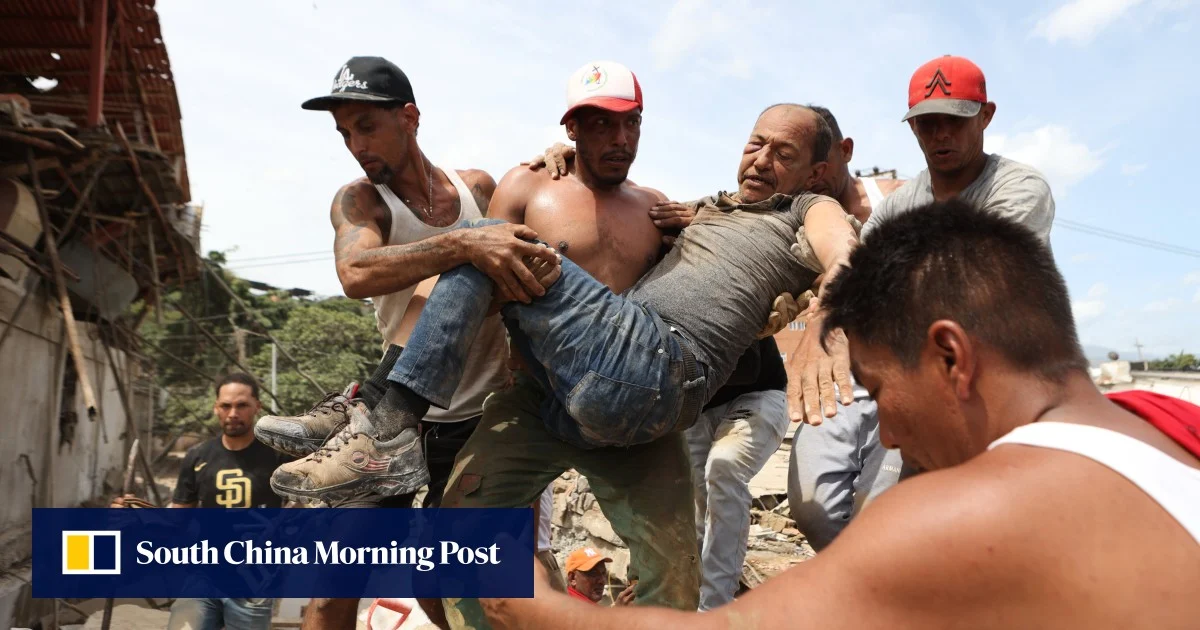
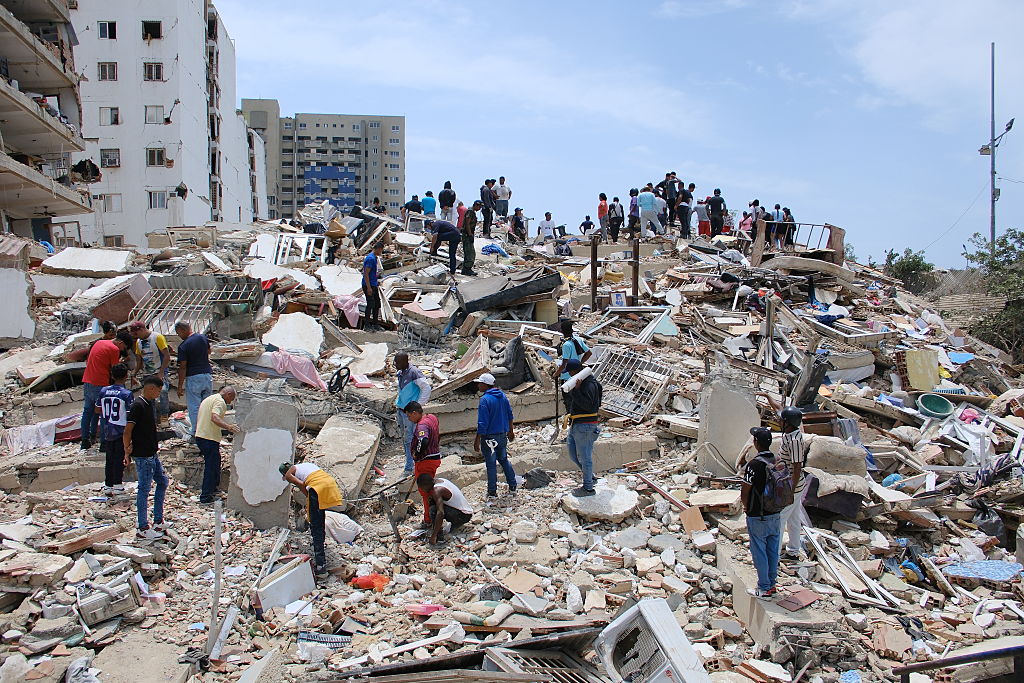
So, Mexicans did the work themselves. The topos, ordinary people who dug through collapsed buildings by hand, became the symbol of a city that had stopped waiting for its government. Neighborhood groups that cut across class lines kept organizing long after the aftershocks ended, and that energy fed directly into Cuauhtémoc Cárdenas’s 1988 presidential run, which marked the beginning of the end of PRI dominance.