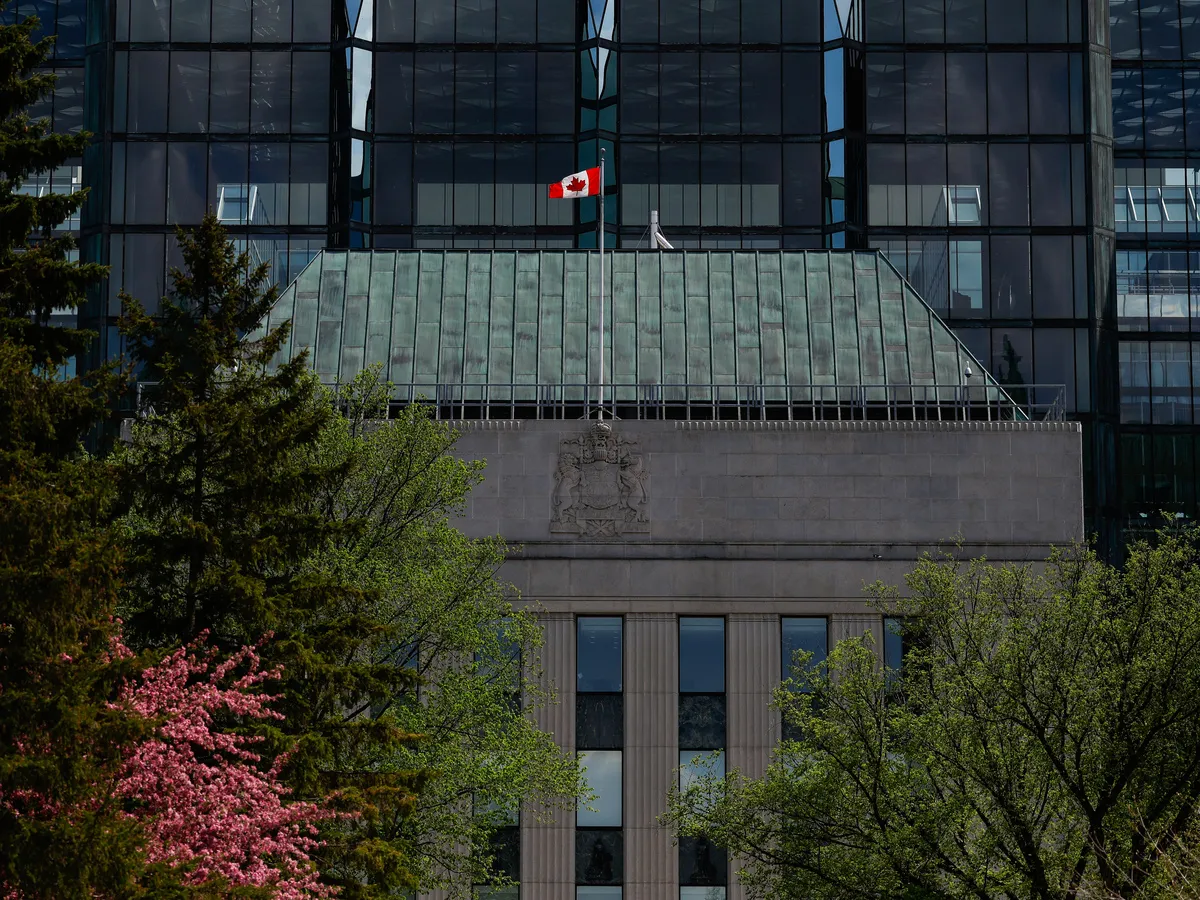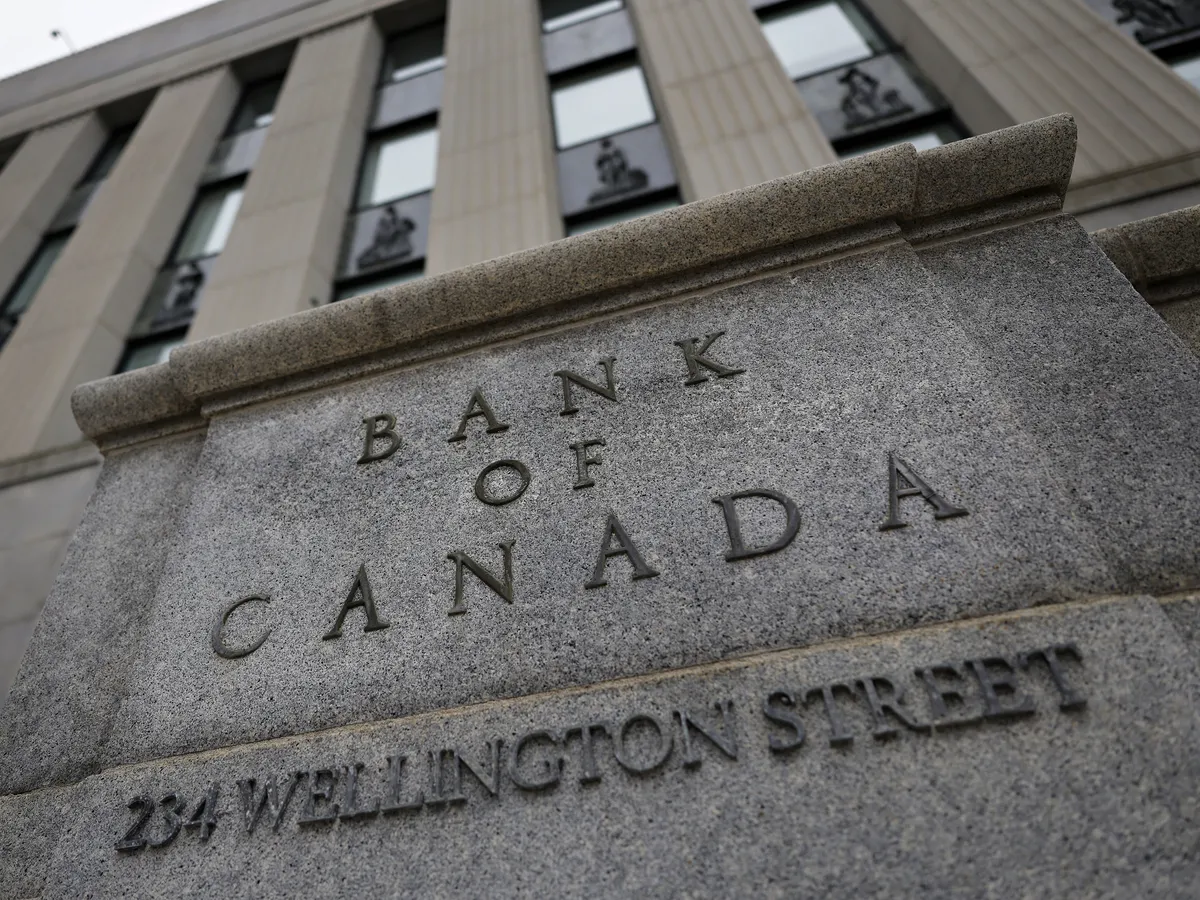
Skip to Content News Archives Economy Energy Oil & Gas Renewables Electric Vehicles Mining Commodities Agriculture Real Estate Mortgages Mortgage Rates Finance Banking Insurance Fintech Cryptocurrency Work Wealth Smart Money Wealth Management Investor Personal Finance Family Finance Retirement Taxes High Net Worth FP Comment Executive Women Puzzmo Newsletters Financial Times Business Essentials More Innovation Information Technology FP500 Podcasts Small Business Lives Told Tails Told Shopping Financial Post Store Obituaries Place a Notice Advertising Advertising With Us Advertising Solutions Postmedia Ad Manager Sponsorship Requests Classifieds Place a Classifieds ad Working Profile Settings My Subscriptions Saved Articles My Offers Newsletters Customer Service FAQ News Economy Energy Mining Real Estate Finance Work Wealth Investor FP Comment Executive Women Puzzmo Newsletters Financial Times Business Essentials HomeNewsEconomyLack of clear communication on inflation eroding Canadians' trust in Bank of Canada, central bank's own consultations findMany Canadians indicated that the CPI did not align with their lived experiences, report says You can save this article by registering for free here. Or sign-in if you have an account.The Bank of Canada building in Ottawa, Ont. Photo by David Kawai/Bloomberg filesThe rising cost of living and a lack of clear communication on inflation have eroded the public’s trust in the Consumer Price Index and the Bank of Canada, according to a new report from the central bank summarizing its consultations with stakeholders and Canadians ahead of its monetary policy framework renewal later this year.Subscribe now to read the latest news in your city and across Canada.Exclusive articles from Barbara Shecter, Joe O'Connor, Gabriel Friedman, and others.Daily content from Financial Times, the world's leading global business publication.Unlimited online access to read articles from Financial Post, National Post and 15 news sites across Canada with one account.National Post ePaper, an electronic replica of the print edition to view on any device, share and comment on.Daily puzzles, including the New York Times Crossword.Subscribe now to read the latest news in your city and across Canada.Exclusive articles from Barbara Shecter, Joe O'Connor, Gabriel Friedman and others.Daily content from Financial Times, the world's leading global business publication.Unlimited online access to read articles from Financial Post, National Post and 15 news sites across Canada with one account.National Post ePaper, an electronic replica of the print edition to view on any device, share and comment on.Daily puzzles, including the New York Times Crossword.Create an account or sign in to continue with your reading experience.Access articles from across Canada with one account.Share your thoughts and join the conversation in the comments.Enjoy additional articles per month.Get email updates from your favourite authors.Create an account or sign in to continue with your reading experience.Access articles from across Canada with one accountShare your thoughts and join the conversation in the commentsEnjoy additional articles per monthGet email updates from your favourite authorsSign In or Create an AccountorThe 54-page What We Heard report, which was published on Thursday afternoon, covered talks with 30 stakeholders, including academic researchers, think tanks, business groups, unions and private sector economists.Participants expressed strong support for maintaining the headline inflation target at two per cent and the flexible inflation-targeting regime, because they are easy to understand and provide stability to the Canadian public and financial markets.SUBSCRIBER EXCLUSIVE: FP West: Energy Insider brings you behind the oilpatch’s closed doors with exclusive insights from insiders every Wednesday morning.By signing up you consent to receive the above newsletter from Postmedia Network Inc.A welcome email is on its way. If you don't see it, please check your junk folder.The next issue of FP West: Energy Insider will soon be in your inbox.We encountered an issue signing you up. Please try againBut talks with 198 Canadians across 11 cities revealed widespread concern with the cost of living, and many indicated that the Consumer Price Index (CPI) did not align with their lived experiences, the report said.Participants believed that the headline inflation figure was low and questioned what was included in the basket of goods and services Statistics Canada uses to calculate it.Many also found the concept of core inflation a difficult concept to grasp, despite being provided with several explanations and examples. Participants largely viewed energy and food as essential goods, and they disagreed with excluding them from core inflation measures. This also created confusion about the central bank’s two per cent headline inflation target and what the central bank uses to make monetary policy decisions.“The disconnect between official inflation data and Canadians’ daily experiences led to diminished trust in the CPI — and, by extension, in the Bank — because the data are used to make interest rate decisions,” the report read.“Some stakeholders questioned whether the Bank considers affordability concerns when setting monetary policy.”The Bank of Canada’s report comes after Canadian inflation accelerated to 3.2 per cent in May, the highest headline inflation rate since December 2023. The acceleration was mainly driven by rising gasoline prices due to the war in Iran, as well as higher grocery prices.The central bank’s report also comes after the C.D. Howe Institute published its own report that said the Bank of Canada’s communication around its monetary policy decisions is too technical for the general public to understand and places too much emphasis on core inflation.Many stakeholders consulted by the Bank of Canada said it would be useful officials published a dashboard of inflation indicators because it would help Canadians understand complex information more easily. The dashboard should use plain language and an explanation of how each indicator is used, they said.Think tanks and consumer advocates also called on the central bank to consider using complementary measures of inflation or indexes other than total CPI — such as a basic-needs basket or an affordability index — to track real-life experiences and provide a “more relevant picture of inflation.”Housing affordability also dominated community conversations across all regions, with many feeling the central bank was acknowledging limitations monetary policy has over housing without offering solutions to a crisis that has been “visibly building for decades.”Participants in these community consultations perceived interest rates to be the main reason for housing unaffordability. Many accepted that the central bank’s ability to address housing imbalances was limited after officials explained that multiple factors affect housing supply and demand, and that interest rates are just “one piece of the complex puzzle,” according to the report.However, that acceptance wasn’t equal across the board.Younger participants said they have given up on the idea of owning a home someday, and that the current system was letting them down. Many also said the central bank was falling short of addressing their concerns after officials tried explaining what it can and cannot do to address the housing crisis, the report said.Older demographic groups — millennials, Gen X and boomers — generally understood that the central bank has little influence over the housing market but expressed frustration by the lack of action. Boomers, however, saw the explanation from Bank of Canada officials as avoiding accountability, the report noted. Join the Conversation This website uses cookies to personalize your content (including ads), and allows us to analyze our traffic. Read more about cookies here. By continuing to use our site, you agree to our Terms of Use and Privacy Policy.
Lack of clear communication on inflation eroding Canadians' trust in Bank of Canada, central bank's own consultations find
The rising cost of living and a lack of clear communication on inflation have eroded the public’s trust in the Bank of Canada. Find out more
1,189 words~5 min read