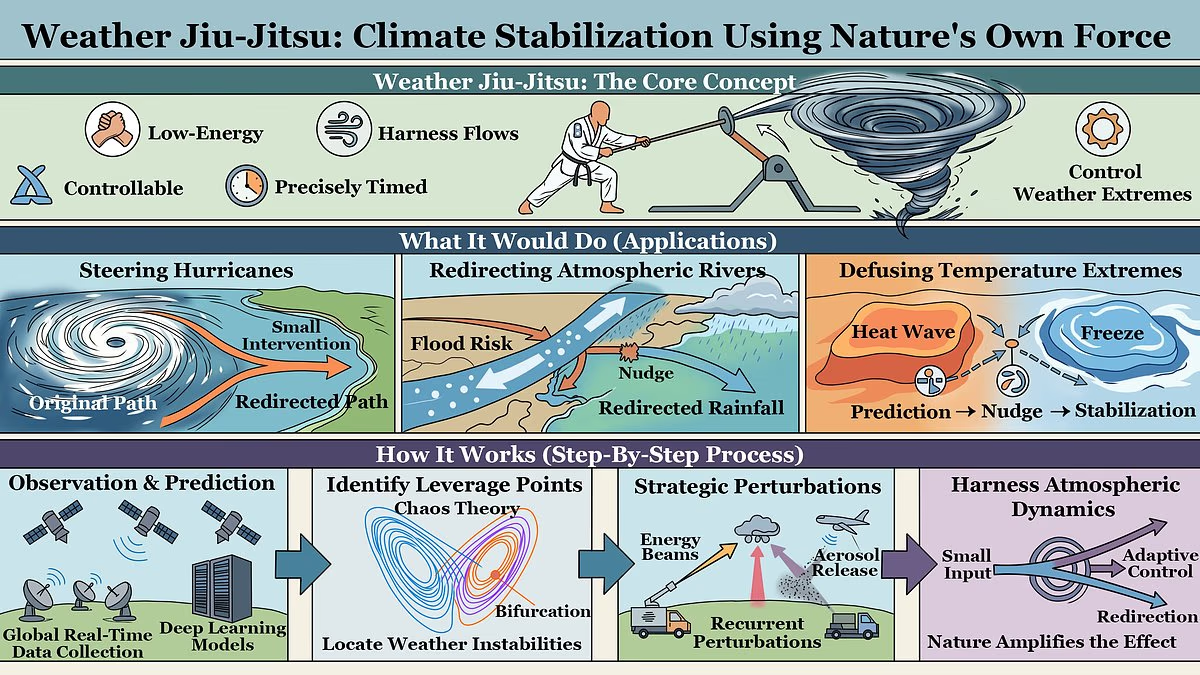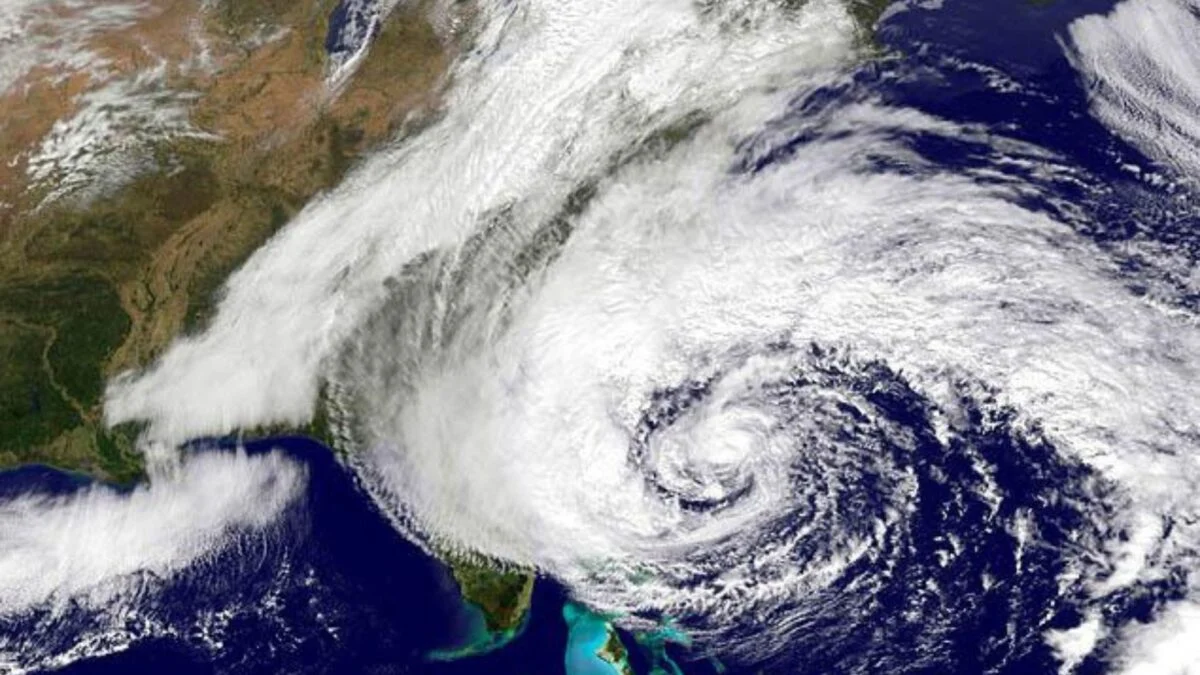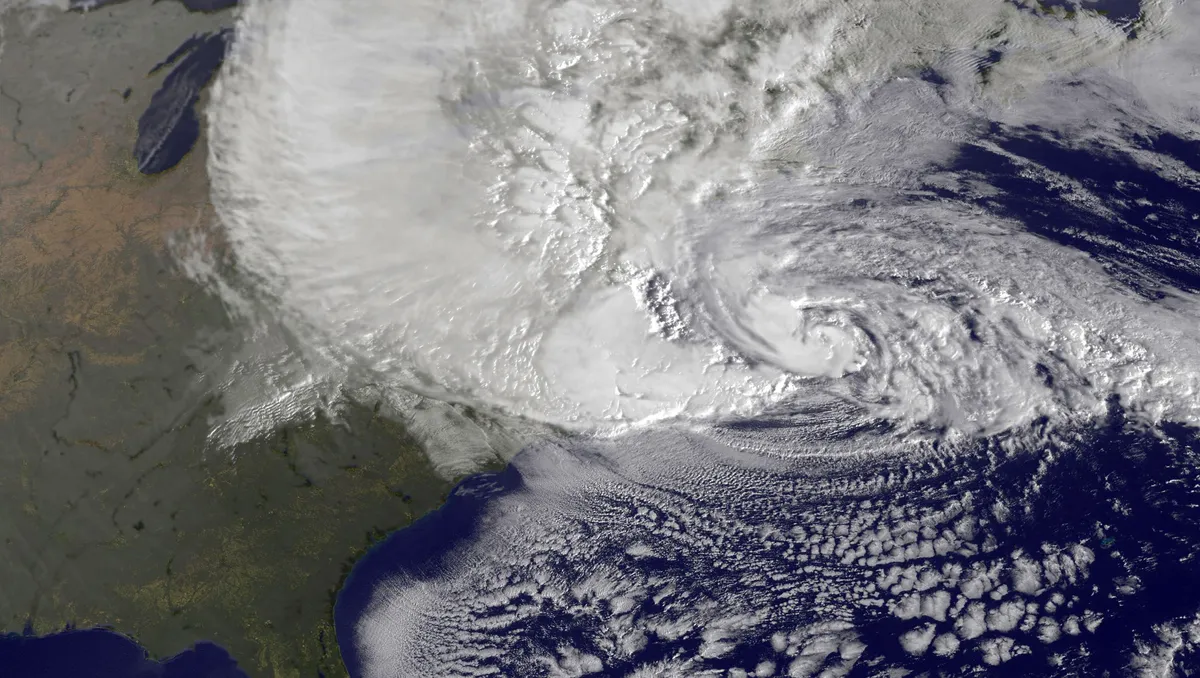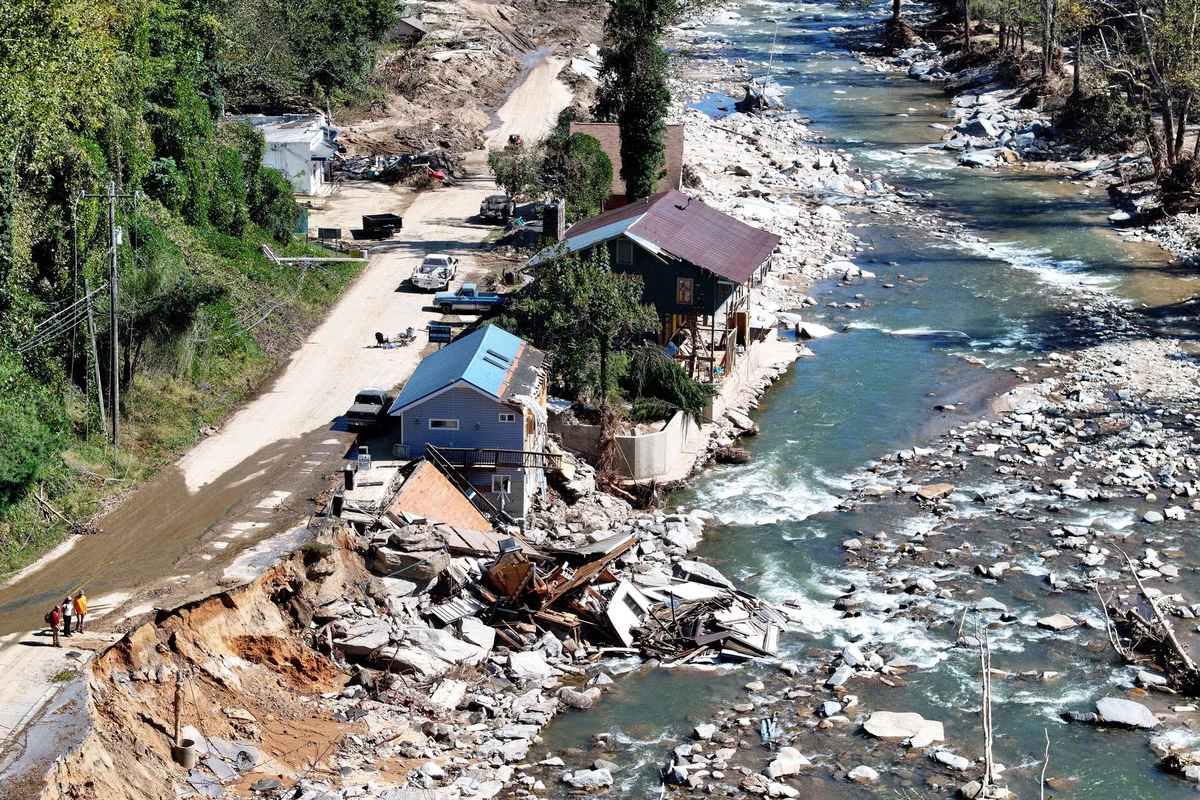
Stay up to date with notifications from The IndependentNotifications can be managed in browser preferences.Jump to contentThank you for registeringPlease refresh the page or navigate to another page on the site to be automatically logged inPlease refresh your browser to be logged inAllNewsSportCultureLifestyleAn aerial view of destroyed and damaged buildings in the aftermath of Hurricane Helene flooding on October 8, 2024 in Bat Cave, North Carolina (Getty Images)Researchers are exploring a concept called "weather jiu-jitsu" to potentially mitigate the impact of extreme weather events by subtly altering their trajectories away from populated areas.Proof-of-concept simulations using AI and atmospheric models suggest that carefully timed, small-scale atmospheric interventions, such as cloud seeding, could significantly change weather patterns.One simulation indicated that the 2012 Hurricane Sandy's path could have been shifted by approximately 300 miles to bypass New York City with such interventions.Another simulation demonstrated that a similar weather operation might have raised the lowest temperature during the 2021 Texas freeze from -19C to about -7C, reducing its severity.While promising, the implementation of "weather jiu-jitsu" faces challenges, including the need for advanced weather monitoring, a deeper theoretical understanding, and addressing complex social and political implications like transboundary liability and equitable risk distribution.In fullScientists propose ‘weather jiu-jitsu’ to nudge hurricanes off courseThank you for registeringPlease refresh the page or navigate to another page on the site to be automatically logged inPlease refresh your browser to be logged in
‘Weather jiu-jitsu’ could help lessen damage from extreme weather like hurricanes
Stay up to date with notifications from The IndependentNotifications can be managed in browser preferences.Jump to contentThank you for registeringPlease refresh the page or navigate to another page on the site to be automatically logged inPlease refresh your browser to be logged inAllNewsSportCultureLifestyleAn aerial view of destroyed and damaged buildings in the aftermath of Hurricane Helene flooding on October 8, 2024 in Bat Cave, North Carolina (Getty Images)Researchers are exploring a concept called "weather jiu-jitsu" to potentially mitigate the impact of extreme weather events by subtly altering their trajectories away from populated areas.Proof-of-concept simulations using AI and atmospheric models suggest that carefully timed, small-scale atmospheric interventions, such as cloud seeding, could significantly change weather patterns.One simulation indicated that the 2012 Hurricane Sandy's path could have been shifted by approximately 300 miles to bypass New York City with such interventions.Another simulation demonstrated that a similar weather operation might have raised the lowest temperature during the 2021 Texas freeze from -19C to about -7C, reducing its severity.While promising, the implementation of "weather jiu-jitsu" faces challenges, including the need for advanced weather monitoring, a deeper theoretical understanding, and addressing complex social and political implications like transboundary liability and equitable risk distribution.In fullScientists propose ‘weather jiu-jitsu’ to nudge hurricanes off courseThank you for registeringPlease refresh the page or navigate to another page on the site to be automatically logged inPlease refresh your browser to be logged in