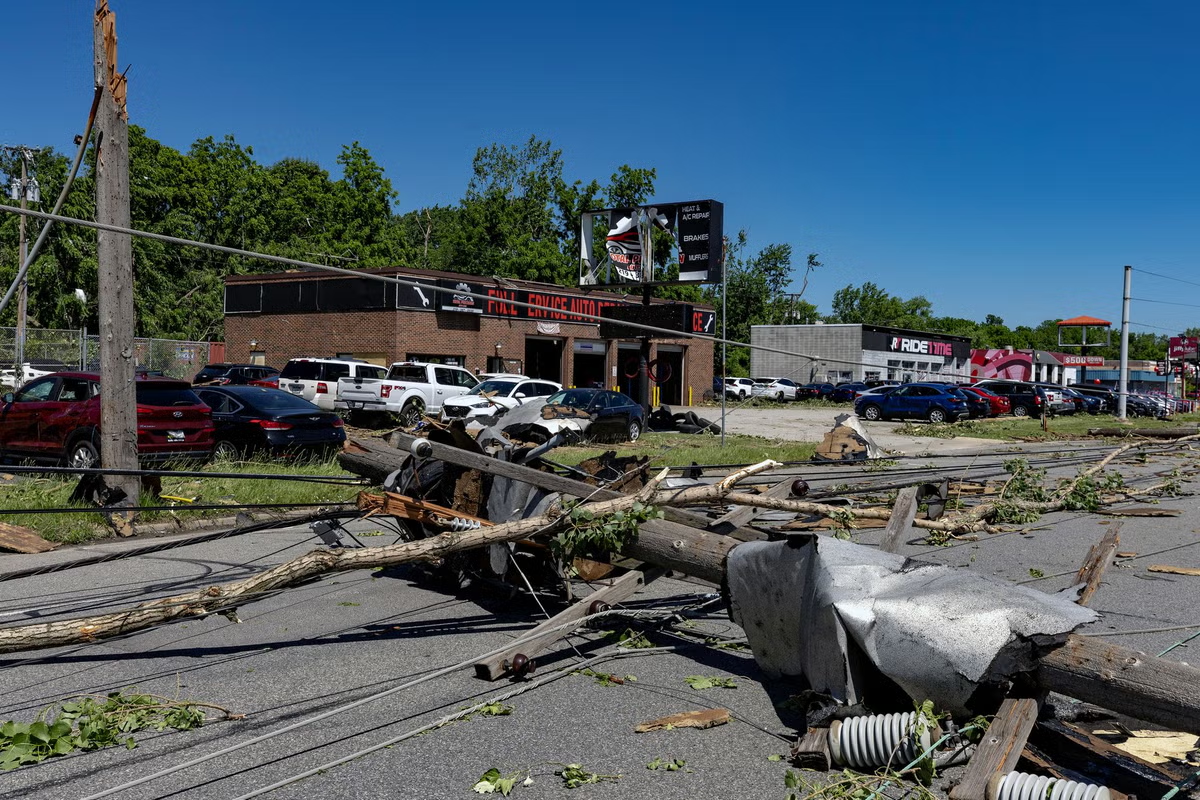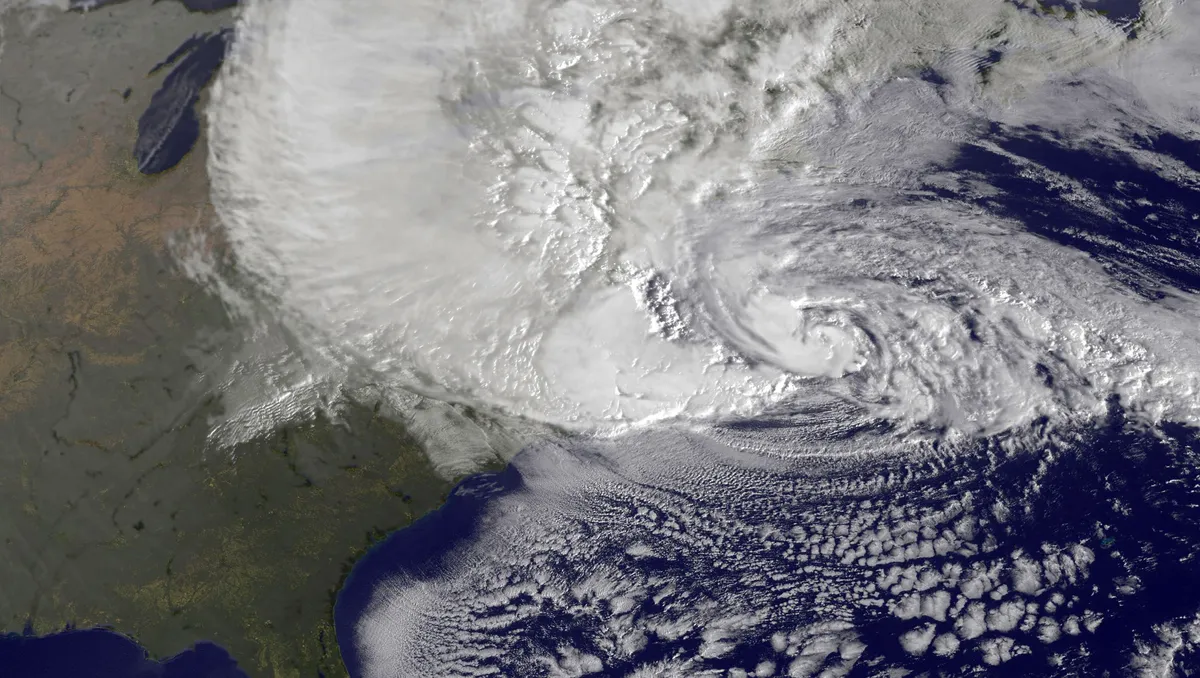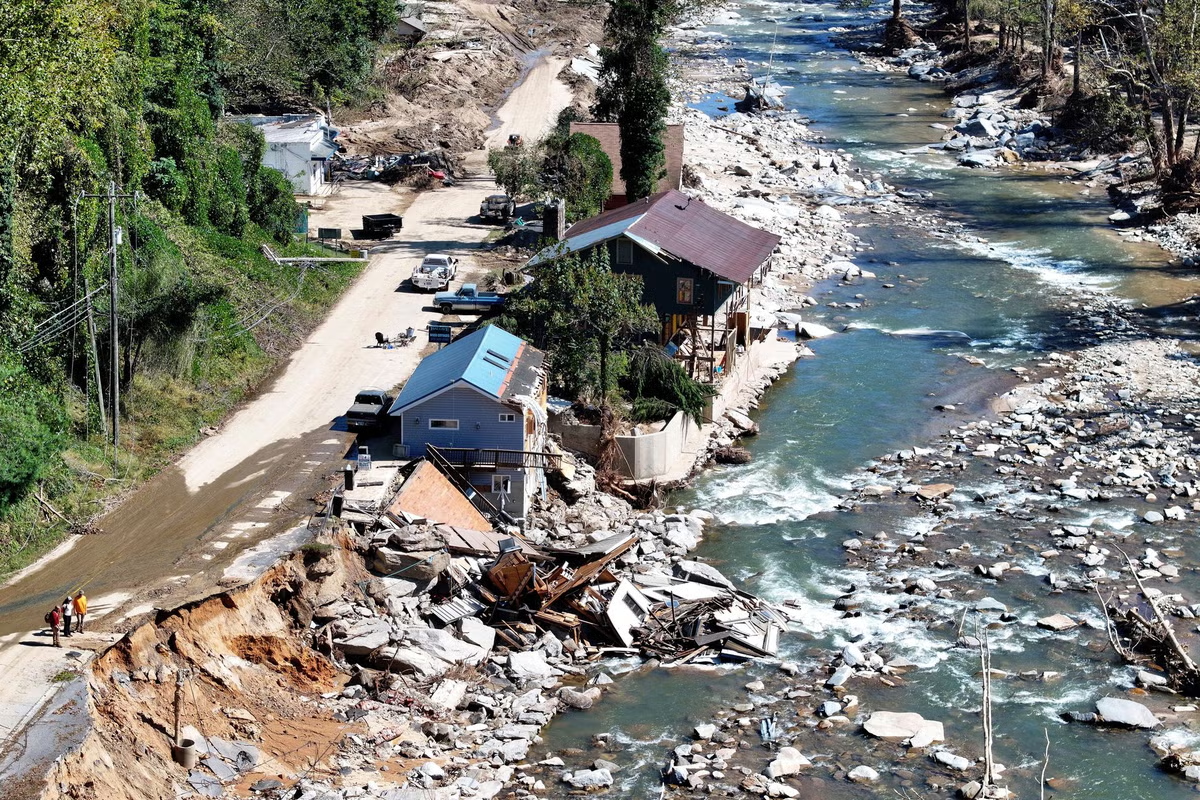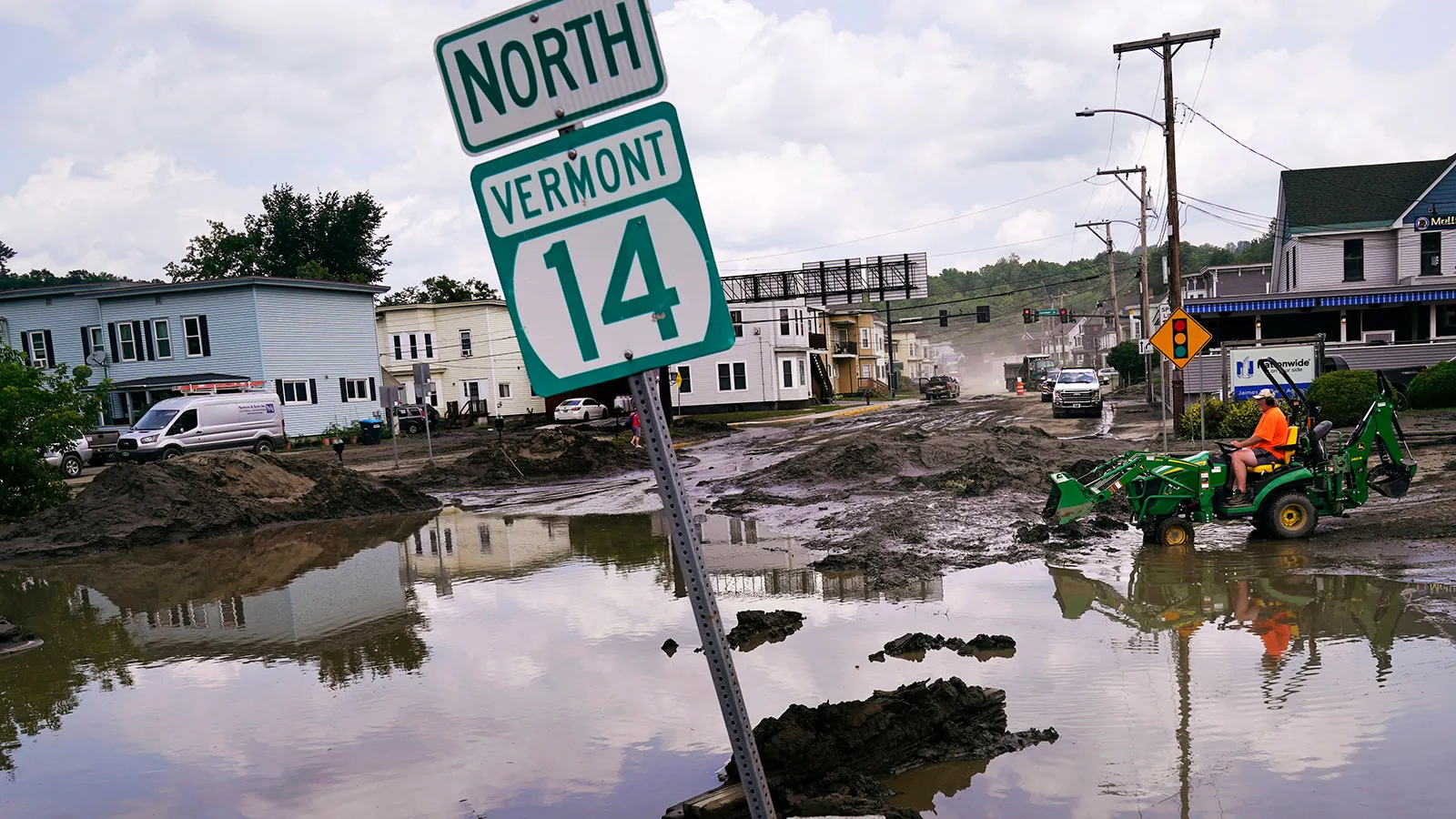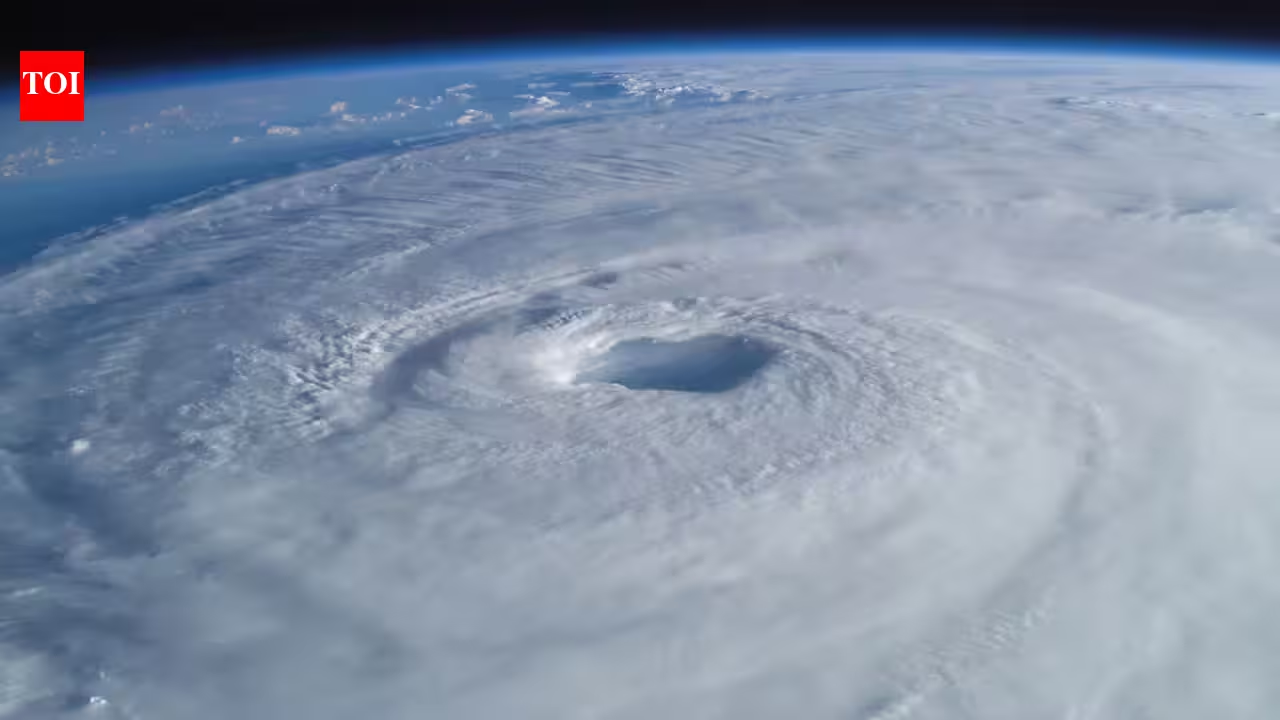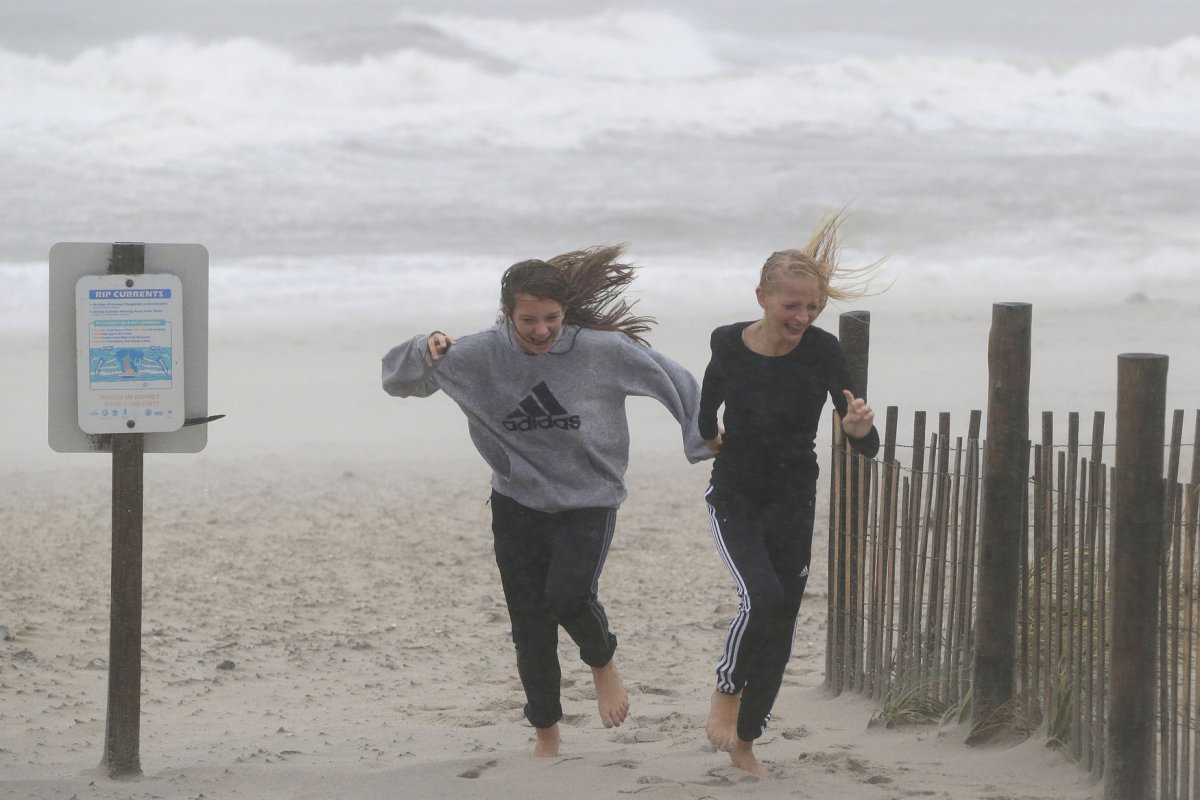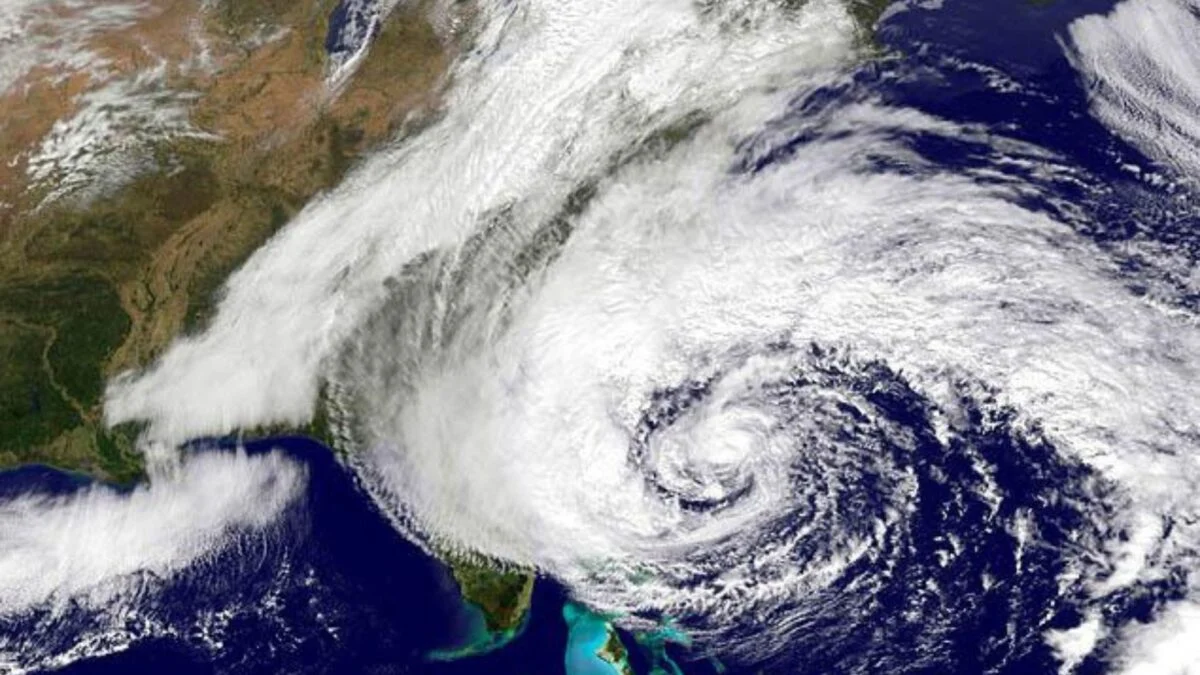
An estimated 60 million people across 24 states felt the effects of Hurricane Sandy as it moved up the Eastern Seaboard in October 2012. New York and New Jersey were hit hardest, suffering extreme storm surge that caused more than $62 billion in damages. If only meteorologists could have manipulated the storm’s path to keep it far offshore. That may sound like wishful thinking, but the concept of weather manipulation has been a subject of scientific inquiry and debate for decades. A perspectives paper published today in the journal PLOS Water provides new evidence to suggest that meteorologists could, in theory, “nudge” storms like Sandy away from harmful trajectories using small, carefully timed cloud-seeding applications. The researchers call their proposed approach “weather jiu-jitsu.” “Our physical and financial infrastructure—dams, levees, insurance—consistently gets overwhelmed by the most catastrophic events, and a changing climate is making those gaps worse,” co-author Qin Huang, a PhD student studying the intersection of climate science, AI, and complex systems at Arizona State University, told Gizmodo in an email.
“Meanwhile, dynamical systems theory tells us the jet stream that steers all these extremes is unstable in predictable ways,” Huang said. “We wanted to ask seriously whether that instability could be exploited: a small nudge at the right time and place, amplified by the atmosphere’s own dynamics, redirecting a harmful trajectory before it causes catastrophic impact.”