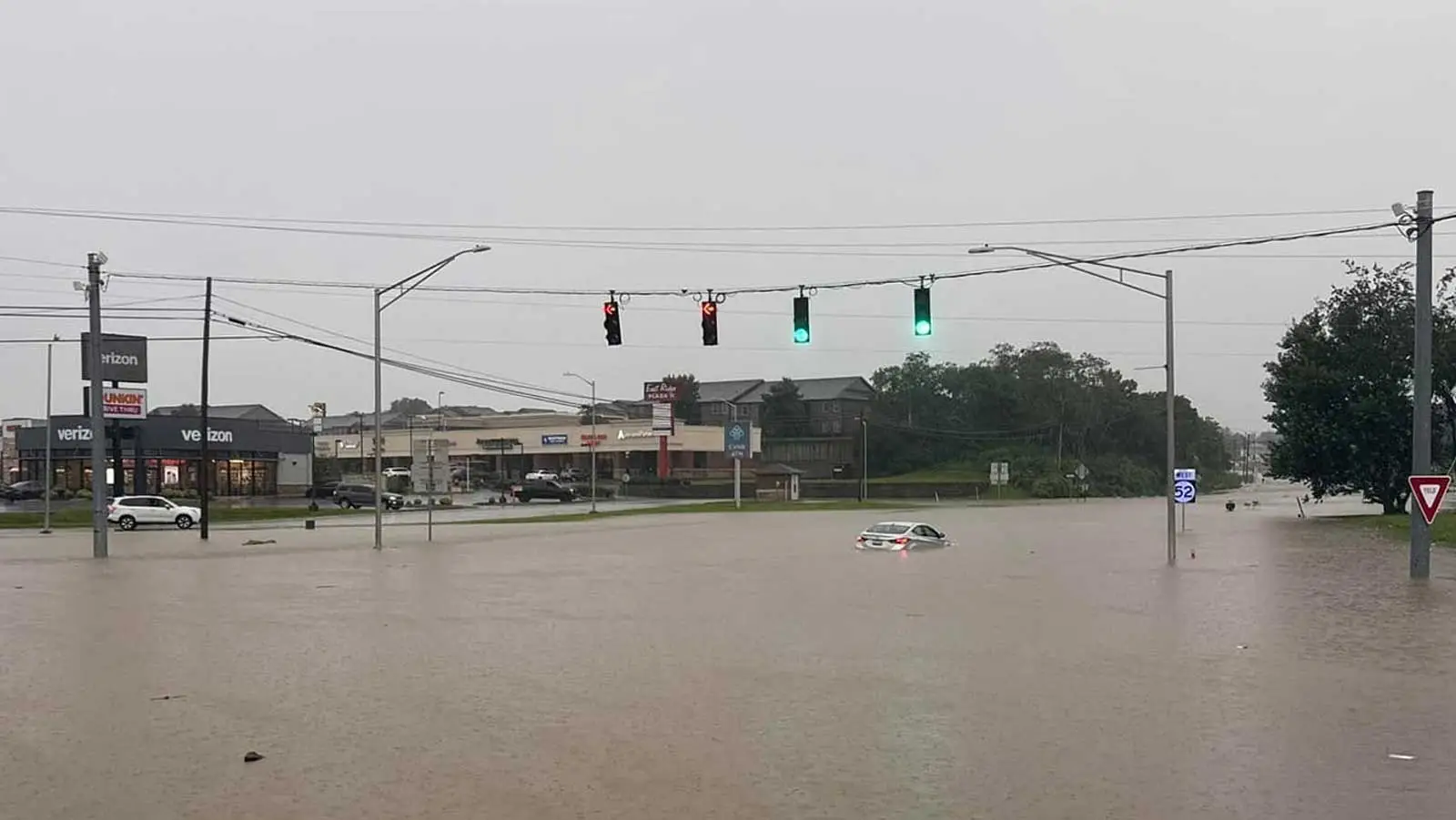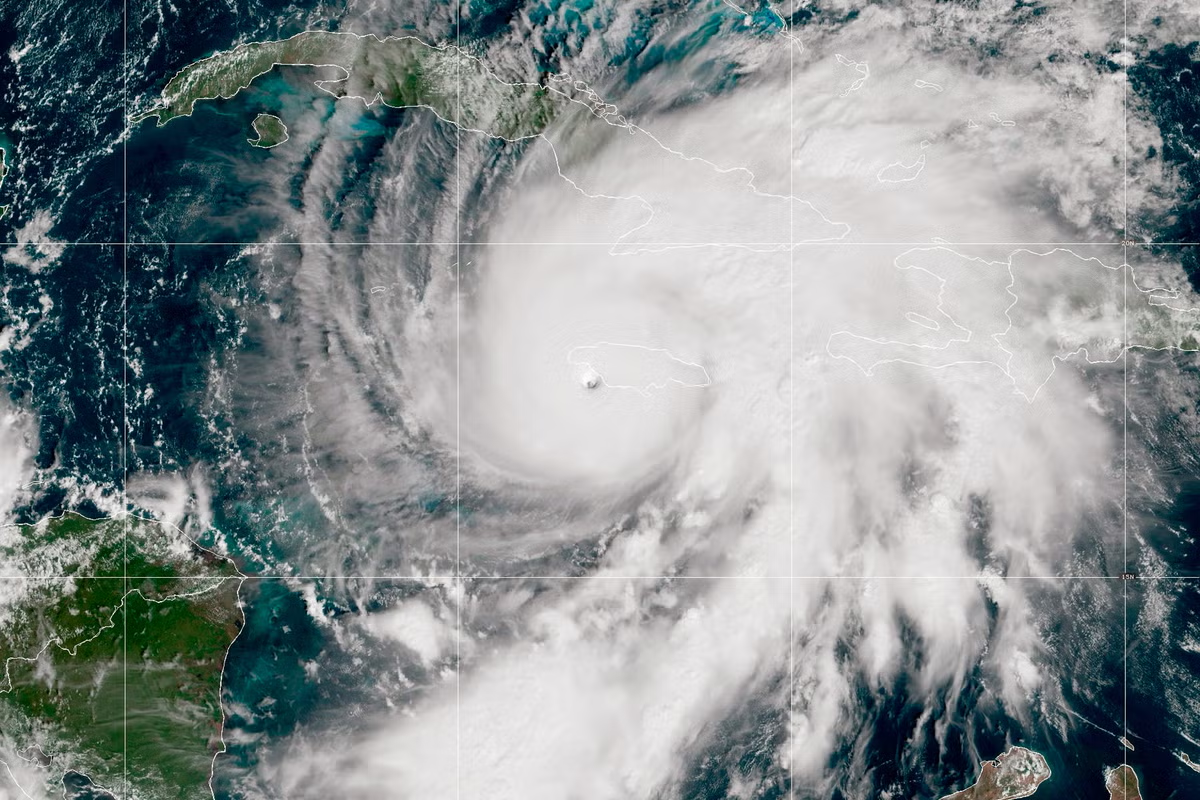
Until fairly recently, studying the past was essential in determining what might happen today, tomorrow and in the months and years ahead. And when it came to the weather, certain patterns usually prevailed: summer breezes, cold November rain and hazy shades of winter we could all reasonably rely on (and sing about). But our rapidly changing climate is increasingly defying forecasts grounded in historical data, prompting new demands for more rigorous tools to predict everyday weather and anticipate the risk of extreme climate events.
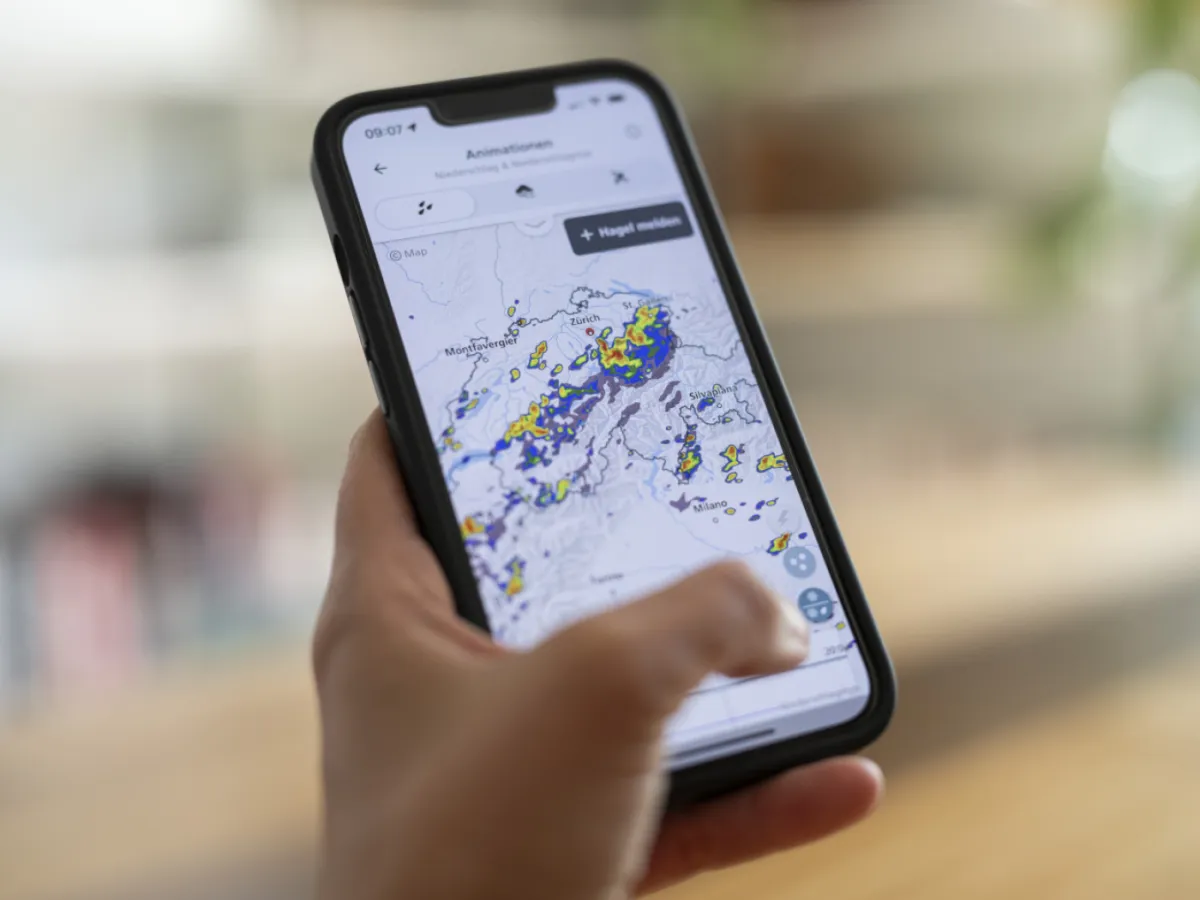
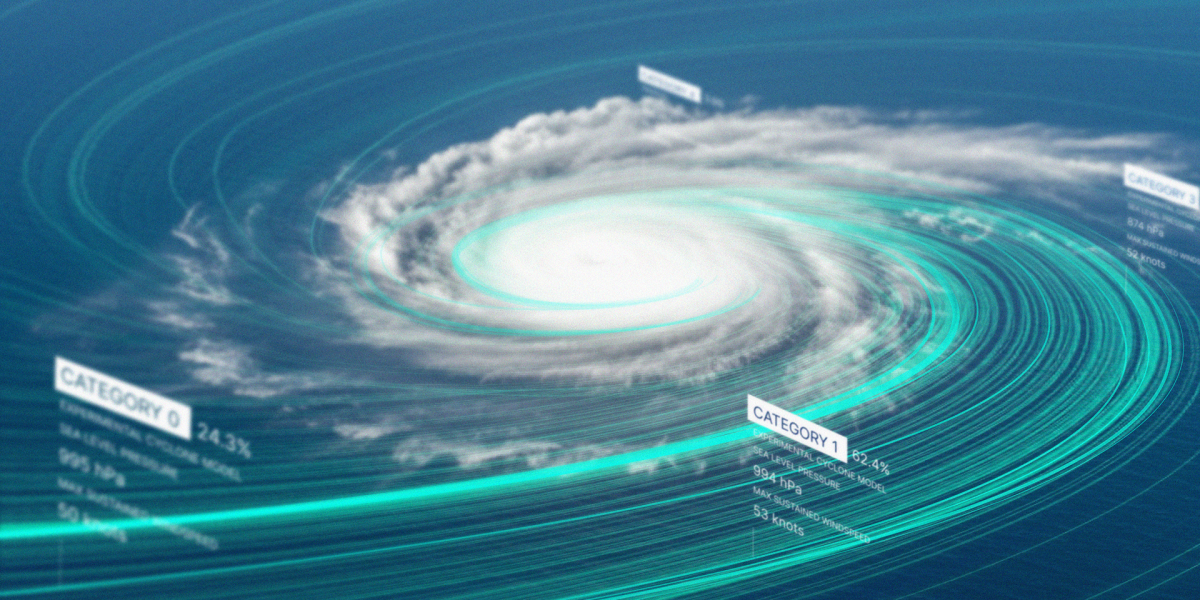
In April, Environment Canada and Climate Change Canada announced plans to improve the accuracy of forecasts by combining AI with traditional physics-based modelling to better understand and estimate short-term outlooks and major weather phenomena. Last fall, the World Meteorological Association endorsed the use of AI to boost early-warning systems of dangerous climatic conditions, which could help save millions of lives. And, increasingly, agentic AI is playing a role in guiding high-stakes financial decisions tied to our rapidly changing climate.