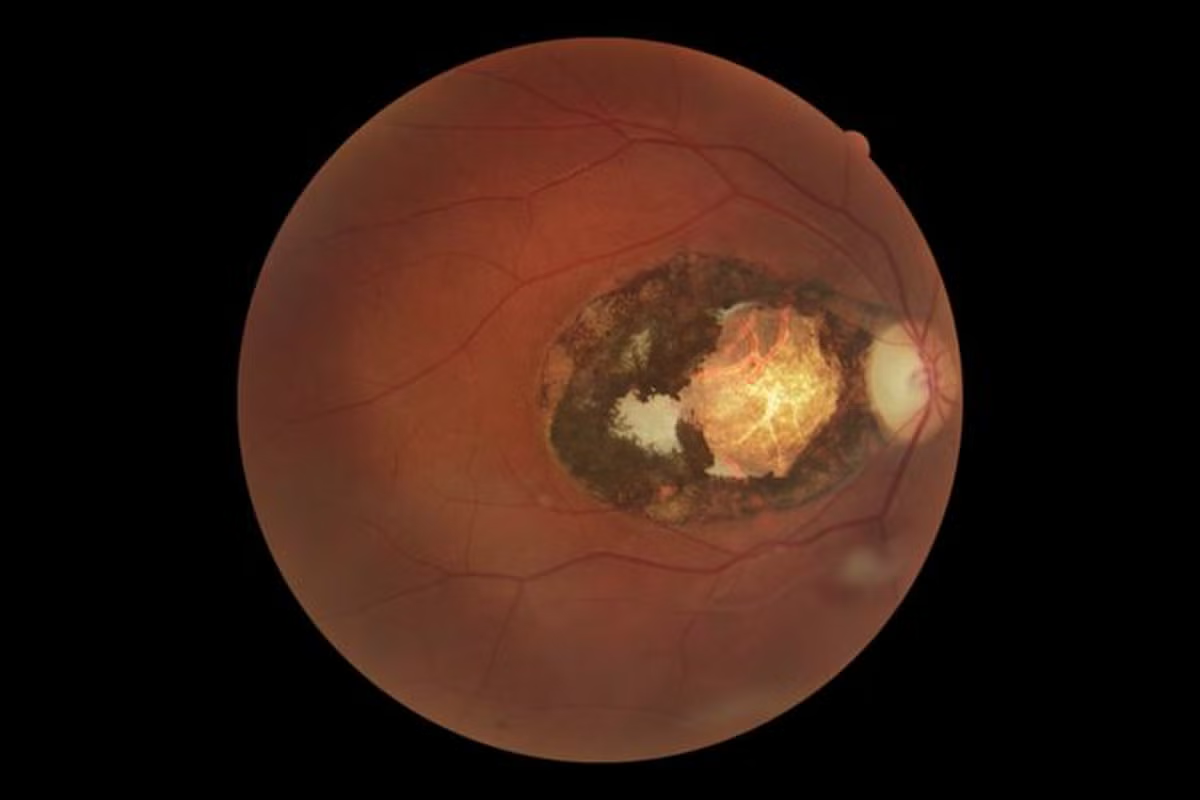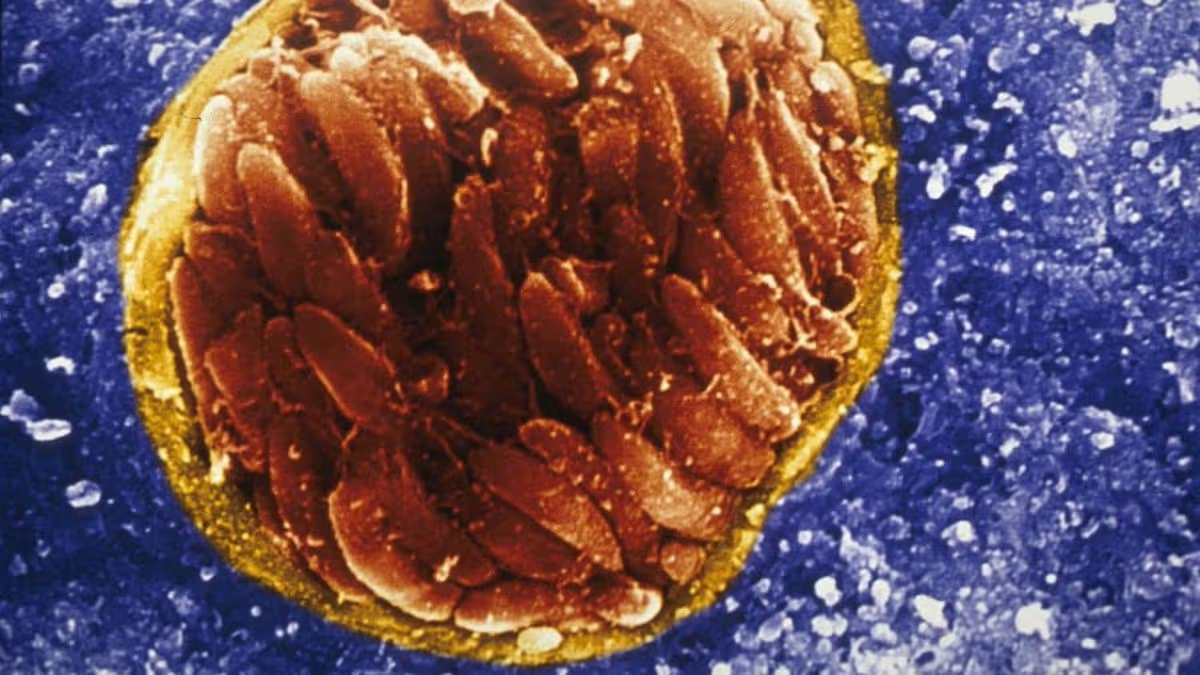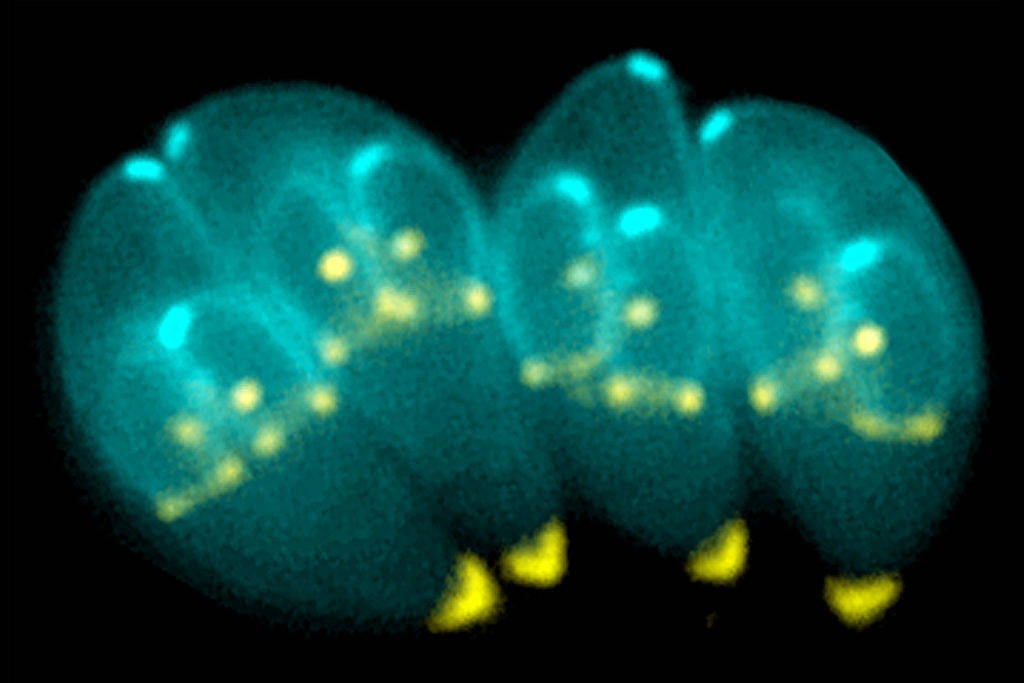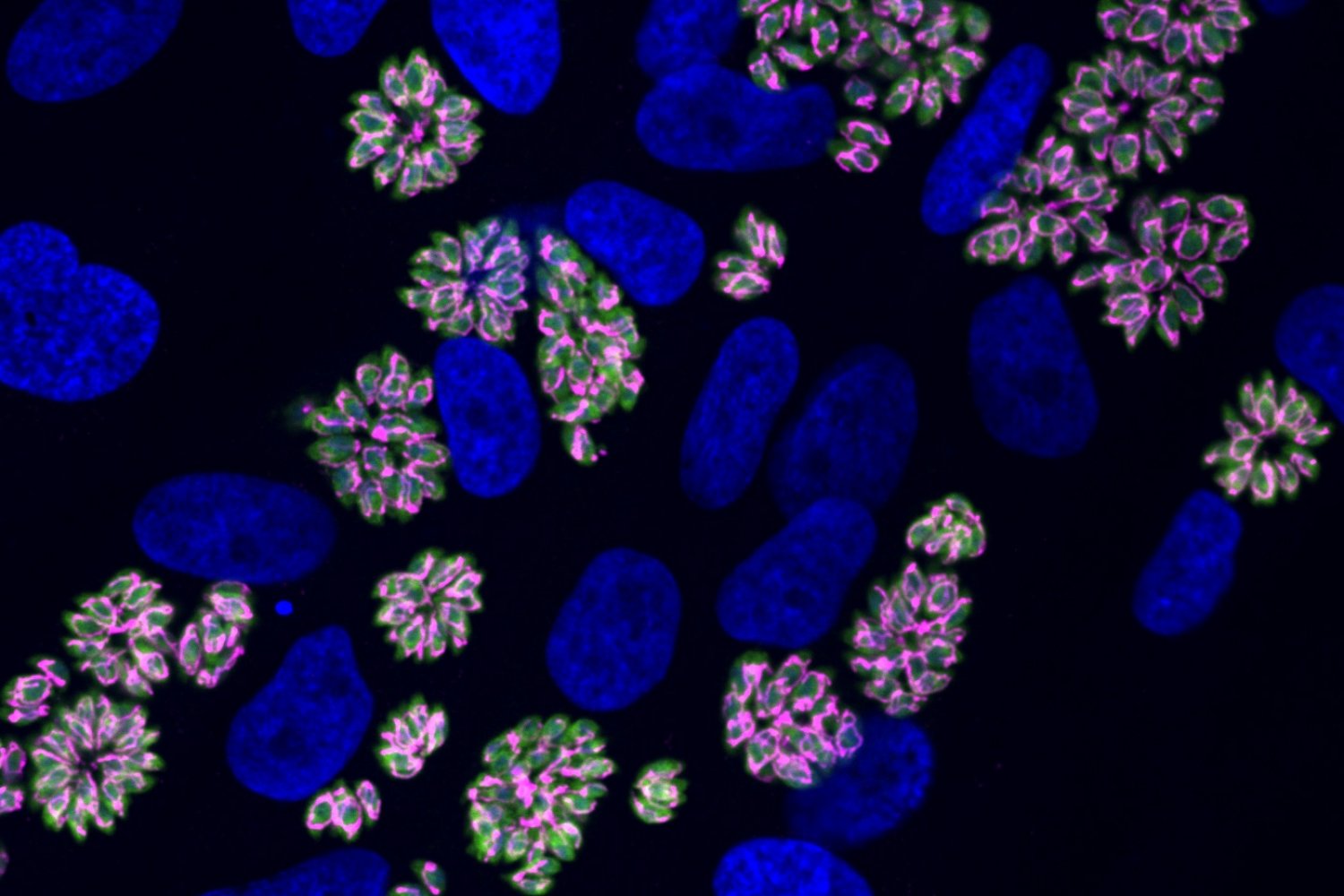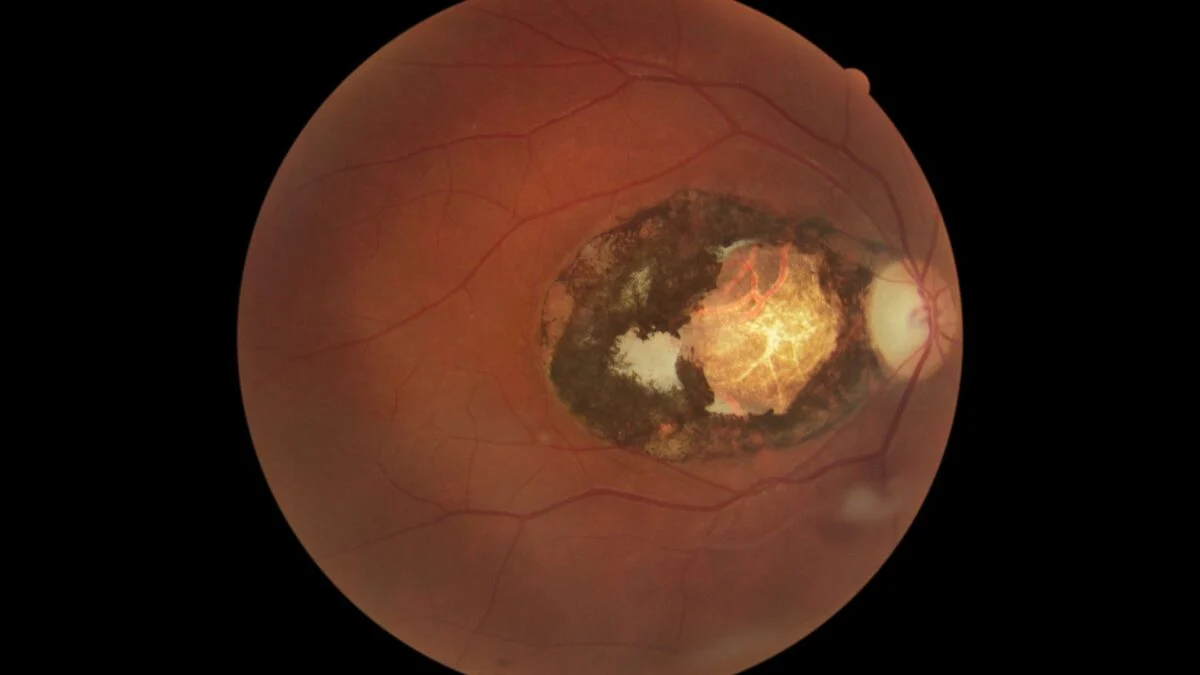
Toxoplasma gondii, a parasite that spreads through cat poop and contaminated food and water, should be taken much more seriously than it currently is, an international team of researchers is arguing. In a paper published today, the team is calling for the World Health Organization to formally designate T. gondii infection a neglected tropical disease. This infection, known as toxoplasmosis and found in about 1 in every 10 Americans, can wreak all sorts of bodily havoc, including blindness, and may even have the potential to subtly alter people’s personalities. Recognizing T. gondii as a neglected tropical disease would make it easier to study the parasite and bolster prevention efforts in the most vulnerable parts of the world, the researchers say. “What we’re seeing is that while there are these improvements occurring in the fight against other neglected tropical diseases, toxoplasmosis is just getting left behind,” senior author Justine Smith, an ophthalmologist at Flinders University in Australia, told Gizmodo. The toxo problem T. gondii is a single-celled protozoan parasite with a complex and notorious life cycle. Though its primary host is the cat, the parasite gets there via other intermediate hosts. These secondary hosts are usually rodents, which infect cats when they’re gobbled up for dinner. T. gondii, also nicknamed toxo, can infect practically any other warm-blooded animal, humans included. We usually get toxo from touching infected cat poop, consuming contaminated produce and water, or eating undercooked meat.
This Cat Parasite Infects Billions of People. Scientists Say We've Been Underestimating It
Toxoplasma gondii, a.k.a. toxo, is a major cause of vision loss and other serious complications, and it may even alter people's behavior.
851 words~4 min read