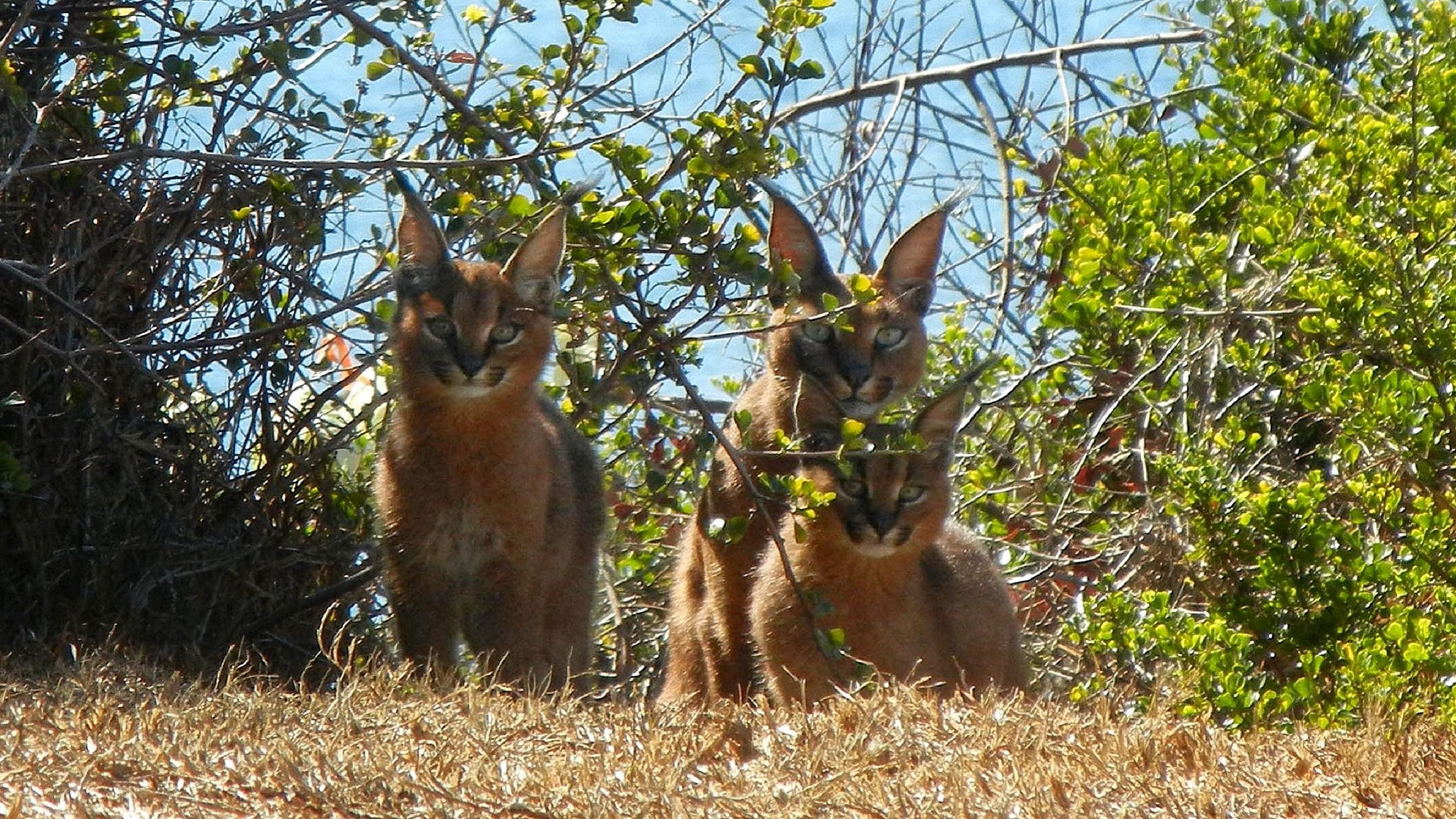
Anticoagulant rodenticides — used to control rodent populations — pose a little-recognized threat to a host of wildlife species, including wild cats.Many small cat species hunt rodents and live in areas where rat poison is commonly used, including agricultural lands. These anticoagulant poisons accumulate in the liver and can prove lethal: It takes days for animals to die from internal bleeding.Widespread exposure in bobcats and caracals is well-documented, however research on other small cat species is limited — but concerning.Wildlife biologists say that greater controls limiting the use and availability of rodenticides are needed to protect wildlife.
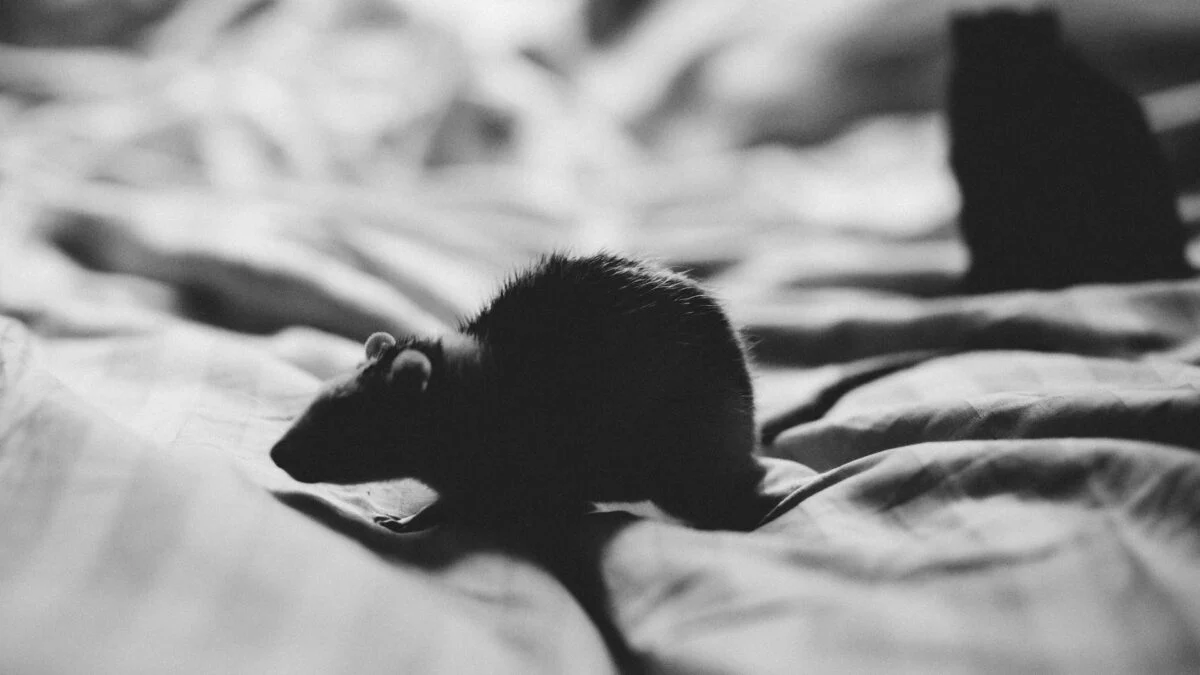
Cat kills rodent. Cat eats rodent. Cat is exposed to potentially lethal rodenticides.
That scenario is increasingly likely for many small wild cat species across the globe, and yet, only a handful of researchers are investigating this underrecognized conservation issue.
Thus far, researchers confirmed that one wild cat population has declined from exposure to these poisons. That’s a small bobcat (Lynx rufus) living on Kiawah Island off the South Carolina coast in the U.S., which faces imminent local extinction due to rodenticides.
Up until 2019, there was a stable population of these beloved cats, which are considered celebrities there, but that year, three cats died. Among them was a female that bled to death while giving birth. Postmortems revealed concoctions of rodenticides in each of the bobcats’ blood and livers.