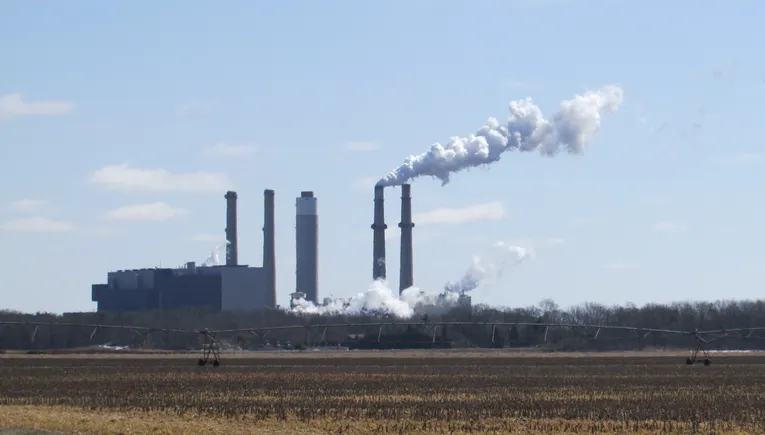
This is the second story in a two-part series on the U.S. Department of Energy’s orders preventing fossil-fueled power plants from retiring. In the first story, Utility Dive found that the power plants under the department’s orders are producing significantly less electricity than they had before, in part because some of the units aren’t operating.
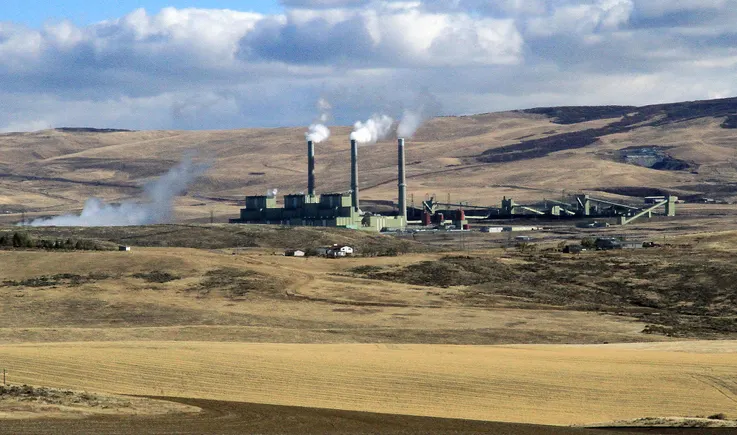
In 2025, the U.S. Department of Energy began issuing a series of “emergency” orders to keep generating units at seven power plants from retiring as planned.
In issuing the orders under the Federal Power Act’s section 202(c), DOE said the areas where the power plants are located face potential power supply shortfalls, in some cases years in the future. It has also cited potential growing demand, most notably data center development, as a reason to keep the plants operating.
In other cases, DOE pointed to how several of the power plants under the emergency orders supplied power in late January, during Winter Storm Fern, when bitterly cold temperatures covered large sections of the United States. During that period, two units subject to one the department’s orders at the R.M. Schahfer generating station operated at over 285 MW each day, DOE said June 18, when it issued the most recent 202(c) order for the units, which Northern Indiana Public Service Co. owns.