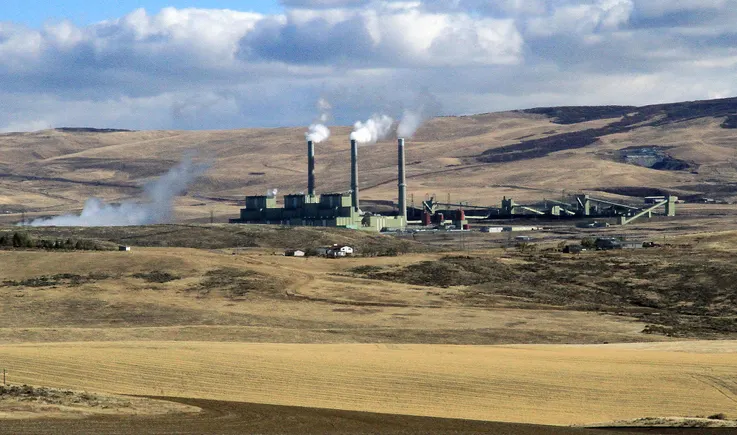
This is the first story in a two-part series on the U.S. Department of Energy’s orders preventing fossil-fueled power plants from retiring. The second story will examine the costs and reliability benefits of keeping the power plants online.
Last year, the U.S. Department of Energy ordered the owners of 10 generating units at six power plants — five of them coal-fired — to run the units past their retirement dates to address what DOE says is a reliability emergency across most of the country’s grid.
So far, the emergency orders’ impact on power production has been mixed. One power plant hasn’t operated at all under its 202(c) order, one ran for a two-week stretch, three are producing less power than they did at the same time in previous years and one is generating electricity roughly in line with its previous output, according to data from the Energy Information Administration.
Combined, five of the power plants produced 1.5 million MWh in the first quarter of this year under the DOE’s orders, down 65% from the 4.3 million MWh they generated in the same period last year. One of the six plants, in Pennsylvania, hasn’t reported its output to the EIA this year. It generated just 27,000 MWh in the first quarter last year.