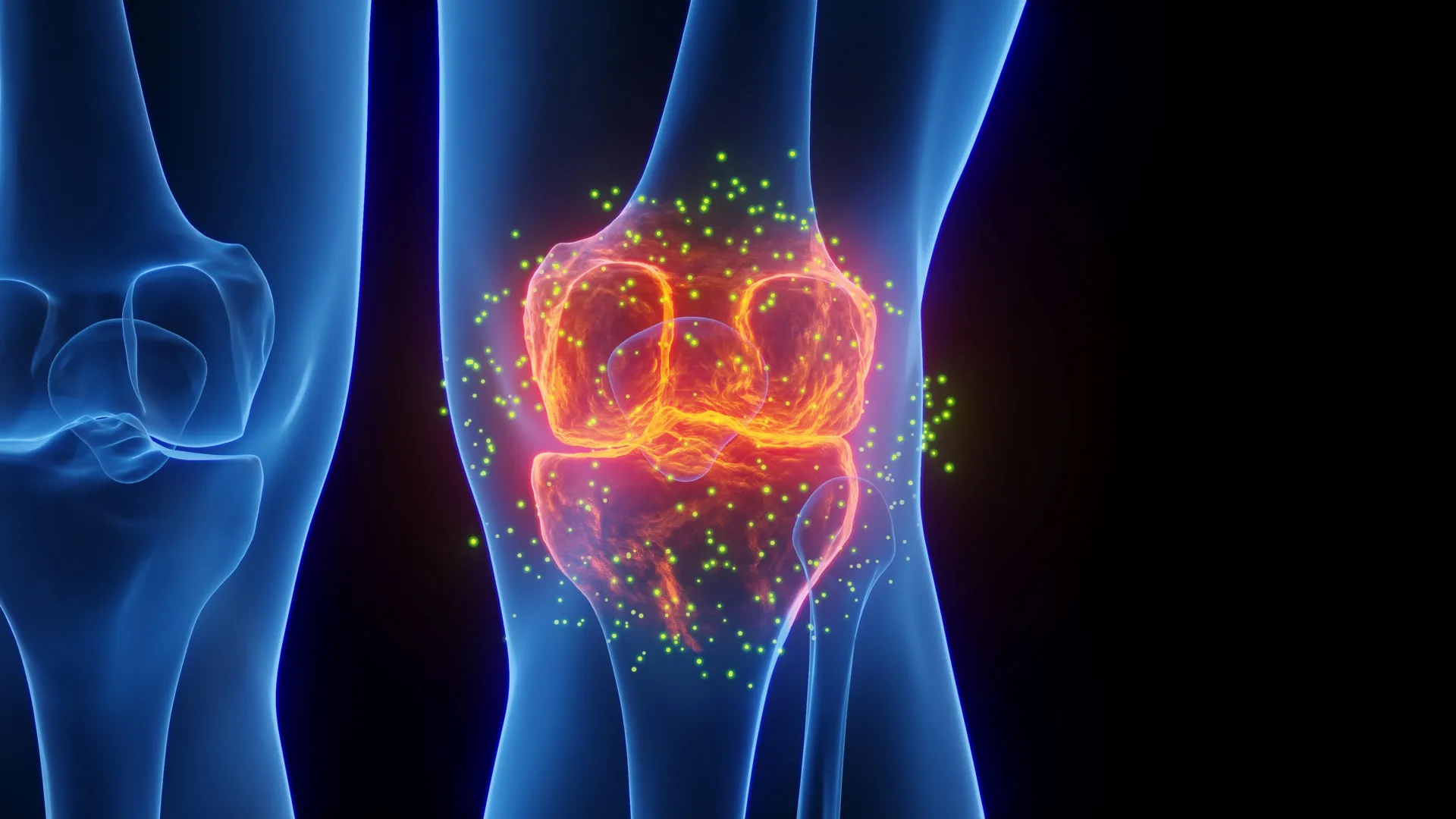
HSS Researchers Identify Hidden Mechanism Driving Joint Tissue Growth in Rheumatoid Arthritis
New findings highlight potential therapeutic target beyond inflammation
Researchers at Hospital for Special Surgery (HSS) have identified a specialized population of immune cells that play a central role in driving abnormal tissue growth in rheumatoid arthritis (RA), offering new insight into disease progression and potential treatment strategies.
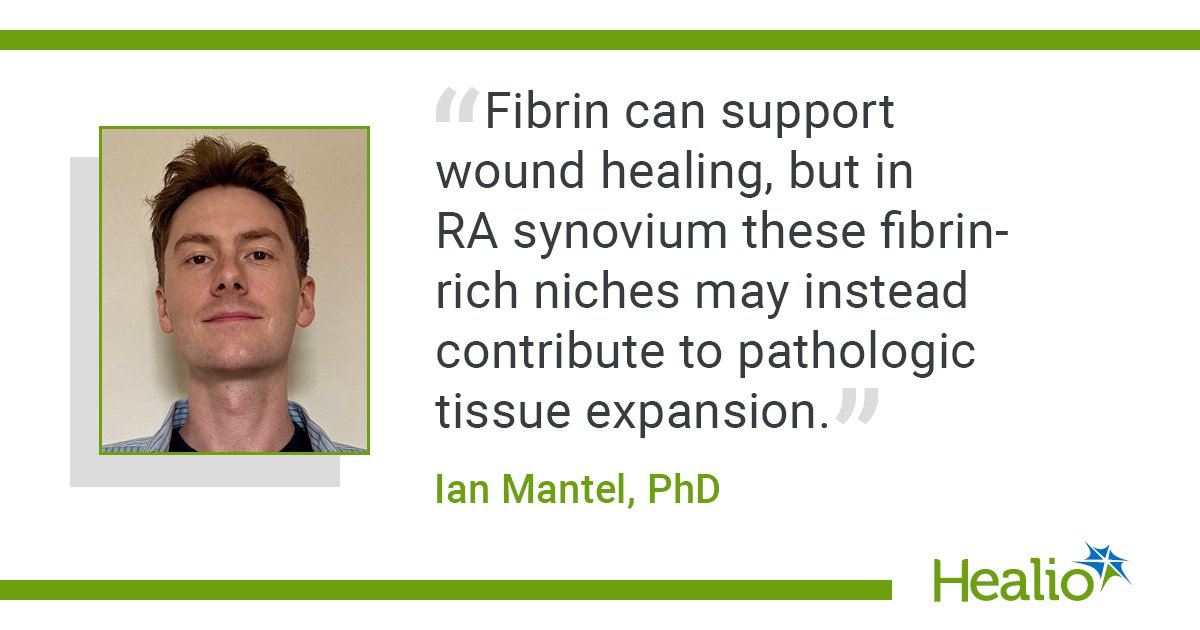
The study, published in Science Translational Medicine, reveals that a subset of immune cells known as SPP1ʰⁱ macrophages work in tandem with structural cells and protein scaffolds to promote excessive tissue expansion in the joints of patients with RA.
RA is a chronic autoimmune disease that causes inflammation of the synovium—the tissue lining the joints—leading to pain, swelling, and eventual damage to cartilage and bone. While current therapies largely focus on controlling inflammation, the mechanisms that drive the abnormal growth of synovial tissue—and its invasive portion, known as pannus, which erodes cartilage and bone—have remained poorly understood.