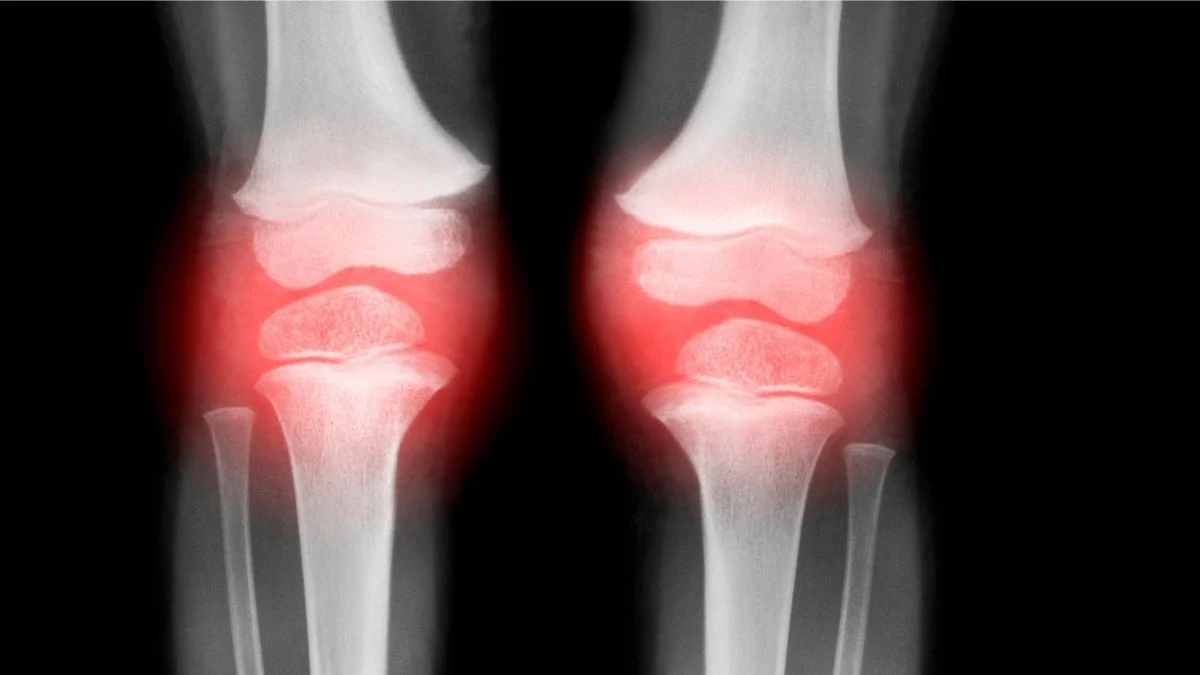
A natural compound called obakulactone (OL) may offer a new way to treat rheumatoid arthritis (RA), according to a study published in Engineering. OL is a tetracyclic triterpenoid isolated from Phellodendri cortex. Researchers found that it reduced signs of arthritis by promoting the breakdown of acyl coenzyme A thioesterase 1 (ACOT1) through the ubiquitin‒proteasome pathway and by restoring the balance of unsaturated fatty acids.
The findings help explain how OL acts on rheumatoid arthritis at the molecular level. They also identify ACOT1 as a possible new drug target and suggest that correcting disrupted fatty acid metabolism could become a useful strategy for treating RA.
Obakulactone Reduced Joint Swelling and Damage
Researchers tested OL in rats with rheumatoid arthritis triggered by complete Freund's adjuvant (CFA). The animals received low (50 mg·kg-1·d-1), medium (100 mg·kg-1·d-1), and high (200 mg·kg-1·d-1) doses of OL for 21 days.
Treatment significantly reduced swelling in the joints. It also helped restore the normal structure of cartilage and the synovium, the tissue that lines the inside of joints. In addition, OL improved abnormal changes in immune organs including the thymus and spleen.