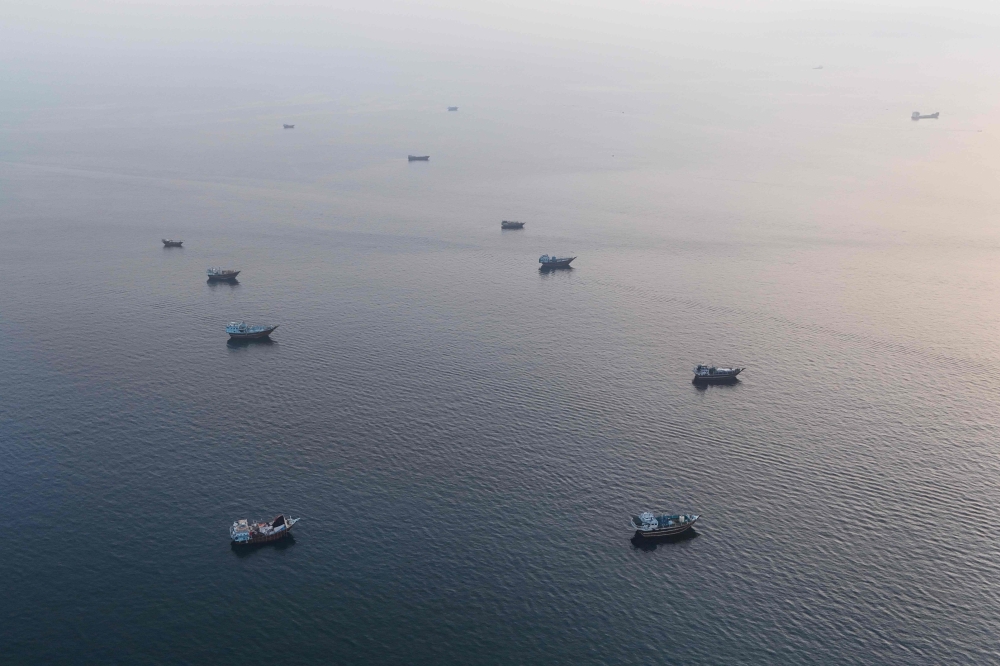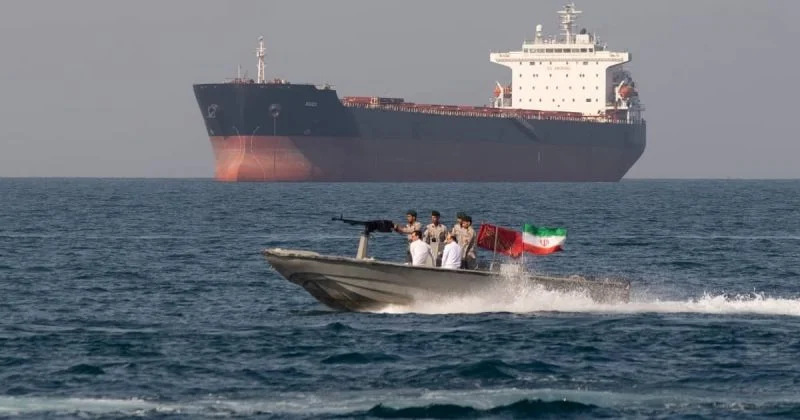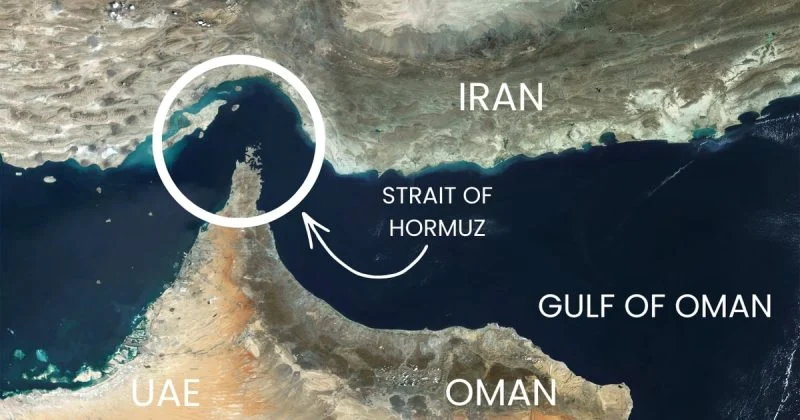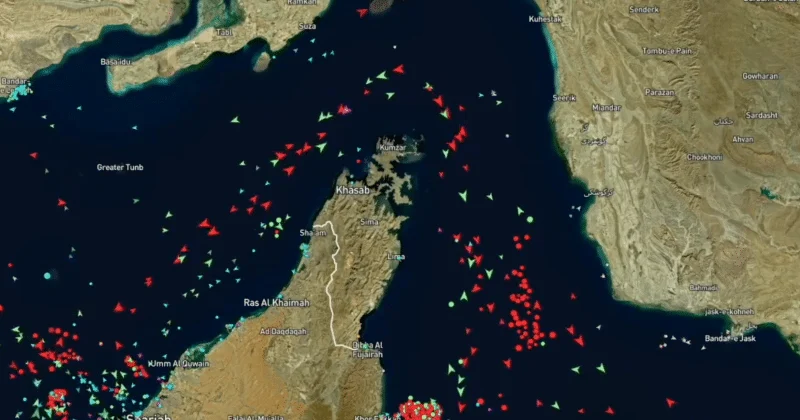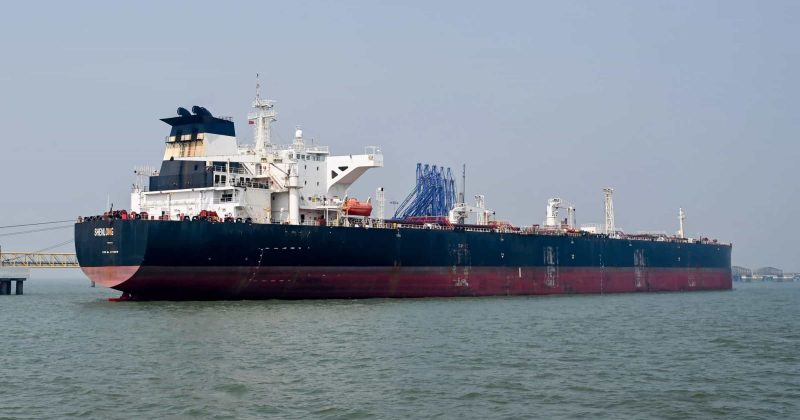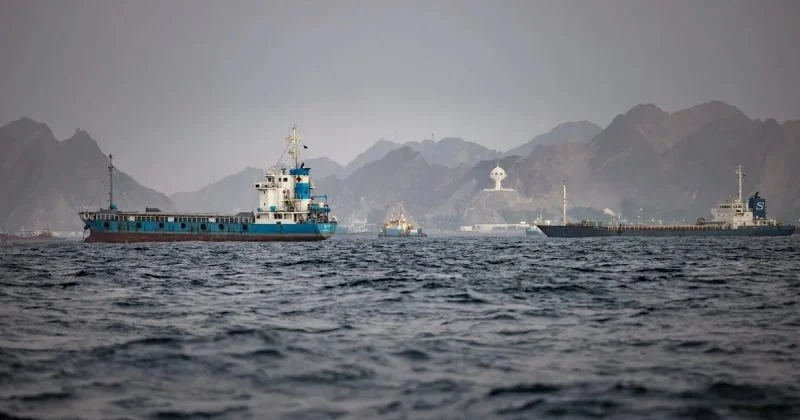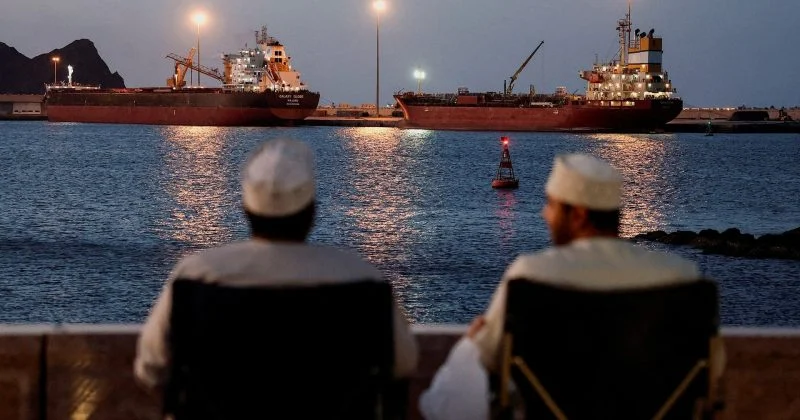
Iran has ordered ships in the Strait of Hormuz to turn back, escalating tensions in the region amid the ongoing 2026 Iran–US naval conflict. This directive follows Iran’s earlier decision to close the Strait, a critical global oil route, citing security risks after a U.S. naval blockade and Israeli attacks in southern Lebanon. The closure of the Strait, which typically facilitates around one-fifth of the world’s crude oil shipments, poses significant threats to global energy security. The move comes despite a ceasefire and memorandum of understanding reached earlier in June, indicating a potential breakdown in diplomatic efforts to stabilize the region.
Key Takeaways
Iran’s directive for ships to turn back suggests a significant escalation, impacting the likelihood of normal shipping traffic through the Strait of Hormuz.
Market pricing implies decreased confidence in the normalization of shipping lanes by mid-June 2026, with odds of a YES outcome currently at 7%.
The situation reflects heightened geopolitical tensions, affecting global energy security and maritime operations in the region.