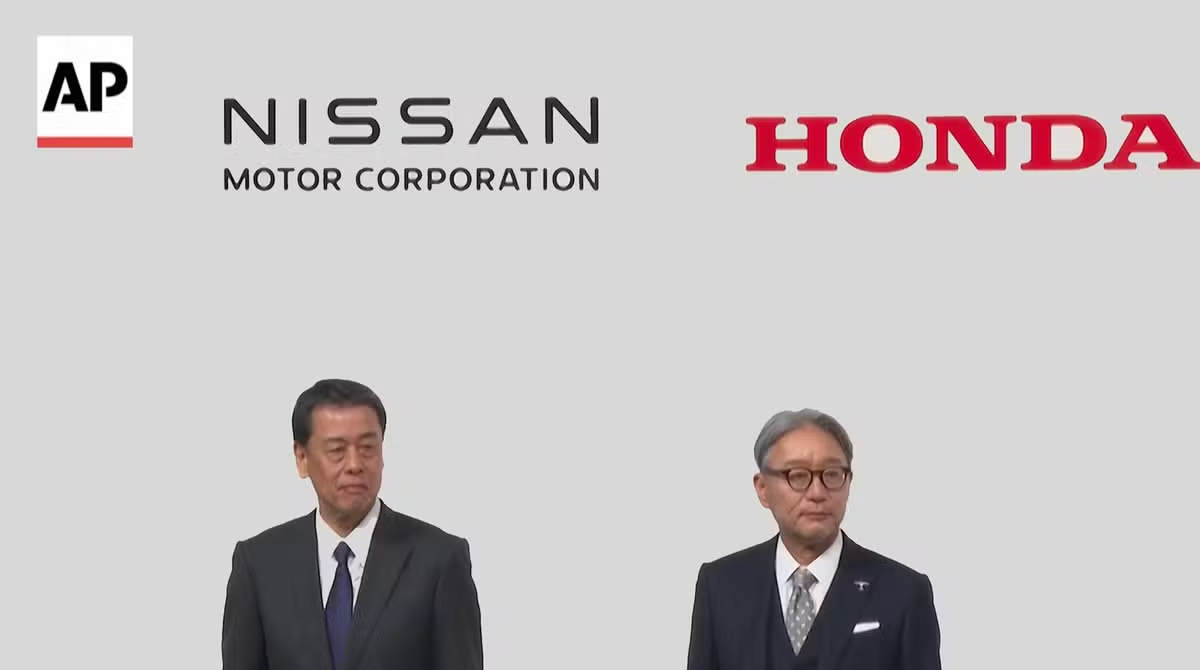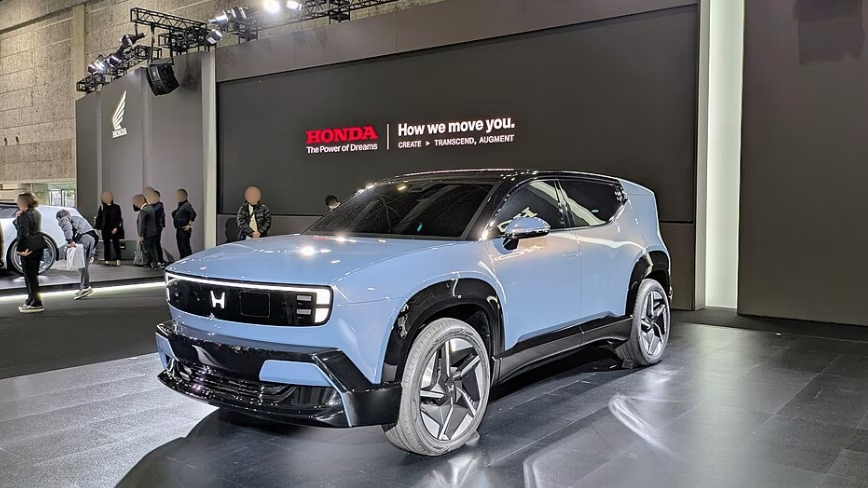
Tokyo, June 25 (Jiji Press)--Honda Motor Co. and Nissan Motor Co. are considering using shared core parts for their next-generation software-defined vehicles to reduce development and procurement costs, it was learned Thursday. The Japanese automakers plan to launch vehicles using the commonized parts as early as 2029. According to informed sources, the two firms are thinking of commonizing the electronic control unit, which controls various vehicle functions, such as the engine and brakes, using electronic signals. ECUs require a large number of semiconductors and electronic components, with a higher-performance unit required for SDVs. The automakers are also discussing standardizing the operating system that runs in-vehicle software. In August 2024, Honda and Nissan announced that they will discuss working together on SDVs, batteries and vehicle supply. While their management integration talks ultimately fell through, the two companies have continued to explore possible cooperation in various fields. Reconsidering its strategy on electric vehicles, Honda reported a consolidated net loss of 423.9 billion yen in fiscal 2025, which ended in March this year. Nissan posted a net loss of 533 billion yen in the same fiscal year due to sluggish vehicle sales, marking its second consecutive year of significant losses. By reducing costs through the possible SDV parts collaboration, both companies hope to compete with non-Japanese firms, particularly those in China that are leading in the development race of next-generation vehicles. END [Copyright The Jiji Press, Ltd.]
Honda, Nissan Mull Sharing Core Parts for Next-Gen Vehicles
Tokyo, June 25 (Jiji Press)--Honda Motor Co. and Nissan Motor Co. are considering using shared core parts for their next-generation software-defined vehicles to reduce development and procurement costs, it was learned Thursday. The Japanese automakers plan to launch vehicles
234 words~1 min read