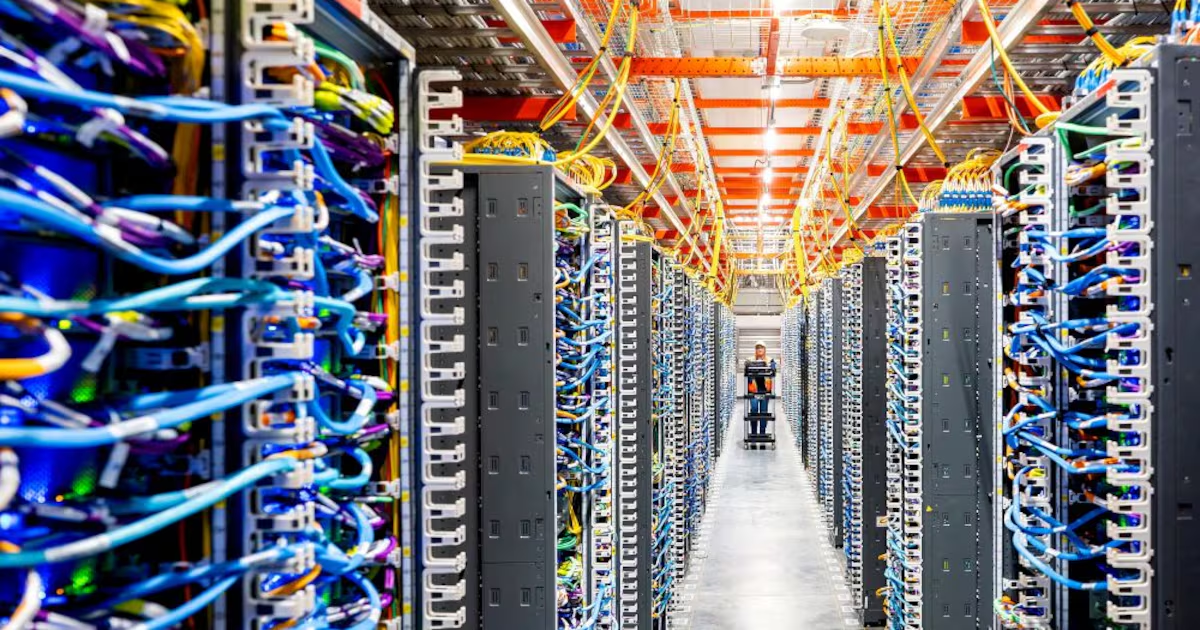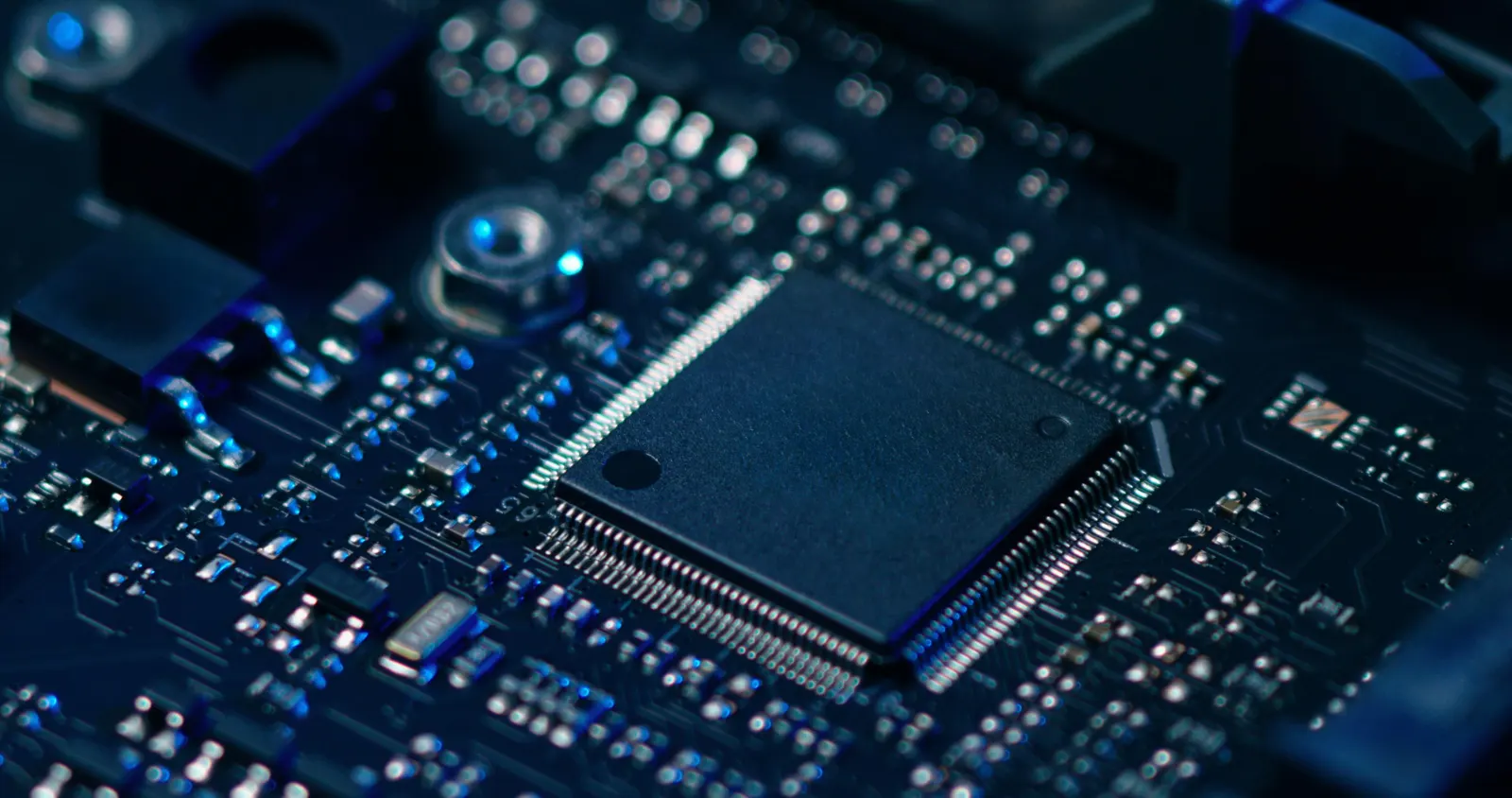
Geoff Ira is the CEO of TradeTogether, a Singapore-regulated firm focused on digital assets, capital market products and AI infrastructure.gettyFor years, artificial intelligence (AI) was viewed primarily as a software revolution.That era is ending. Today, AI is becoming an infrastructure story.Behind every large language model, enterprise AI deployment and AI-generated workflow lies a rapidly expanding industrial ecosystem powered by GPUs, advanced networking, cooling systems, high-bandwidth memory and data centers.According to Deloitte’s 2026 Global Hardware and Consumer Tech Industry Outlook, spending on AI-related data center infrastructure is accelerating at one of the fastest rates in the global technology sector. The report highlights how AI servers, power-intensive racks and next-generation networking systems are reshaping enterprise hardware economics altogether.This shift matters because it may fundamentally change how investors think about compute infrastructure itself.Much like real estate, telecom towers and data centers evolved into institutional investment categories over time, and AI compute infrastructure may gradually follow the same path. The AI economy is no longer being built only with software. It is increasingly being built with physical capacity.1. AI is creating a new industrial infrastructure cycle.One of the biggest misconceptions surrounding AI is that the opportunity begins and ends with software models. In reality, the true bottleneck is increasingly physical infrastructure.AI workloads require enormous amounts of GPU capacity, electricity, liquid cooling, advanced networking and specialized data center environments.Deloitte estimates that AI-focused server racks may consume several times more power than traditional enterprise infrastructure, creating significant demand across the broader ecosystem supporting AI deployment.This includes:• semiconductor manufacturers• data center operators• networking providers• cooling specialists• power infrastructure companiesKPMG has also highlighted the growing strategic importance of AI infrastructure and compute scarcity as enterprise AI adoption accelerates globally.In many ways, the market is witnessing the emergence of an entirely new industrial layer of the digital economy. The companies building AI models may capture headlines, but the infrastructure enabling AI may ultimately become just as important.2. GPUs are evolving beyond hardware into productive infrastructure.Historically, hardware was often viewed as a depreciating asset. AI may challenge that assumption.Enterprise-grade GPUs are increasingly tied to real economic productivity:• model training• inference workloads• enterprise automation• scientific computing• industrial AI deploymentIn other words, GPUs are no longer simply electronic components. They are becoming productive infrastructure.This distinction matters because productive infrastructure has historically attracted long-term institutional capital. Airports generate cash flow. Data centers generate cash flow. Energy infrastructure generates cash flow. AI compute infrastructure may progressively evolve in a similar direction.This does not necessarily mean GPUs themselves become a traditional asset class overnight. However, it does suggest that investment structures linked to compute capacity, AI infrastructure financing and GPU-backed revenue generation may become increasingly institutionalized over time.Some investment vehicles already provide exposure to the AI theme through semiconductor equities and hyperscaler stocks.The next phase may involve more specialized infrastructure-focused funds tied directly to the economics of compute itself.3. The next generation of AI funds may look very different.As enthusiasm around AI infrastructure accelerates, investors should also pay attention to one critical factor: regulatory maturity.The rapid emergence of GPU-focused investment vehicles, AI bonds and compute-related structures is creating a market where innovation is often moving faster than governance.While innovation remains essential, the long-term institutionalization of AI infrastructure will likely depend on:• regulated fund structures• transparent governance• independent administration• institutional-grade custody• clearly defined investor protectionsThis becomes increasingly important as AI infrastructure begins attracting family offices, institutional allocators and cross-border investors seeking exposure to the next phase of technological growth.Historically, every major infrastructure cycle matured through institutional frameworks. Real estate evolved through regulated REIT structures. Private credit matured through stronger oversight and reporting standards. Data centers became institutionalized through long-duration infrastructure capital.AI infrastructure may follow a similar trajectory.The next winners in AI may not simply be the companies building models. They may also be the firms financing, operating and scaling the infrastructure that makes AI possible.Final ThoughtsEvery major technological revolution eventually becomes an infrastructure story: Railroads required steel, the internet required fiber optics and cloud computing required hyperscale data centers.AI now requires compute infrastructure.As institutional investors continue searching for long-duration themes tied to real economic transformation, AI infrastructure may progressively emerge as one of the defining investment categories of the next decade.The AI revolution is no longer only digital. It is industrial.Forbes Technology Council is an invitation-only community for world-class CIOs, CTOs and technology executives. Do I qualify?
GPUs Are Becoming The New Infrastructure Asset Class
The AI economy is no longer being built only with software. It is increasingly being built with physical capacity.
721 words~3 min read