BOTTOM LINE: The rapid build-out of artificial-intelligence infrastructure is no longer just a software story; it is increasingly a supply-chain story, and it is beginning to show up in higher costs. As tech giants pour hundreds of billions into AI infrastructure, higher hardware, power, and construction costs are starting to show up in the inflation data.
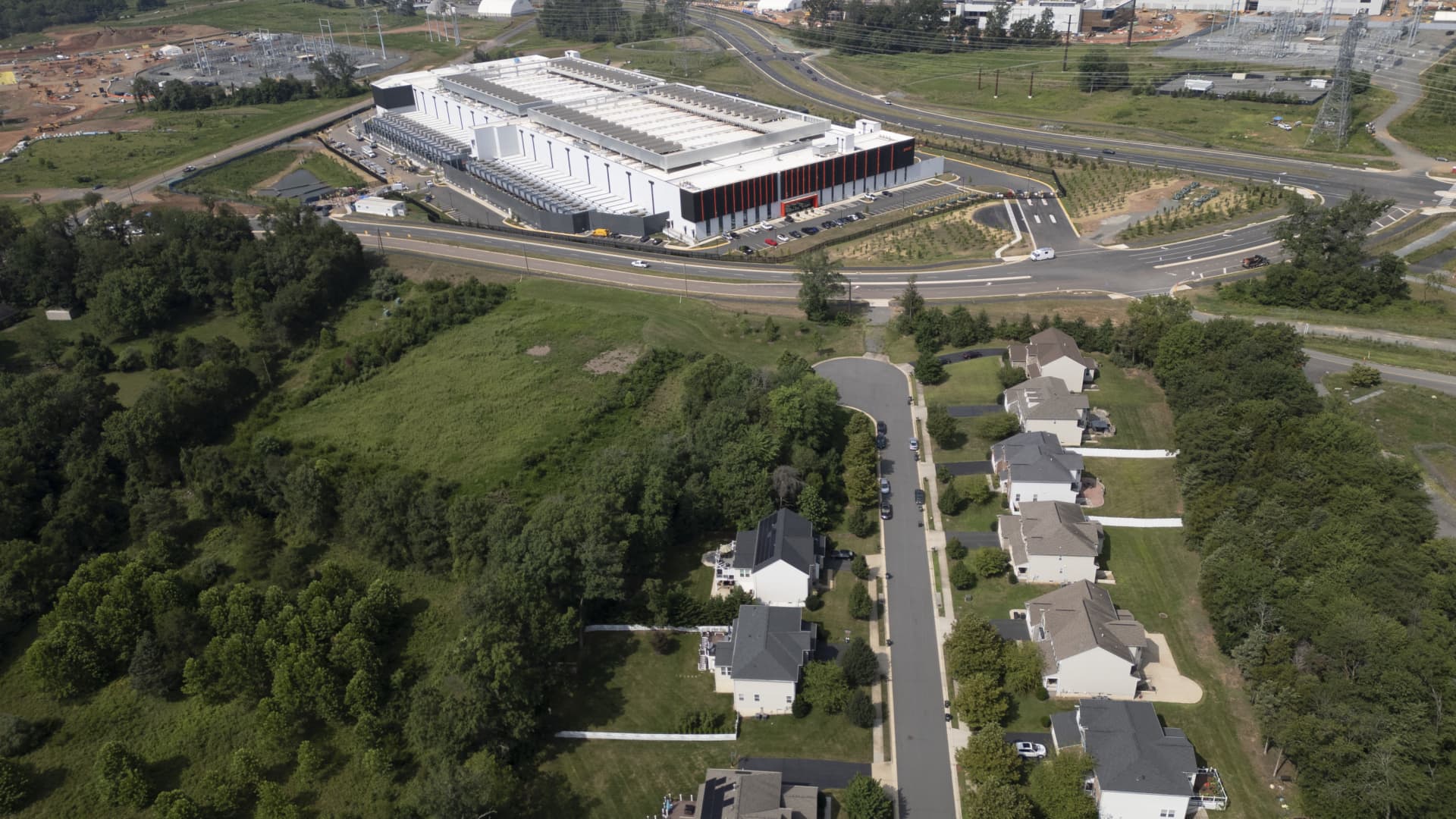
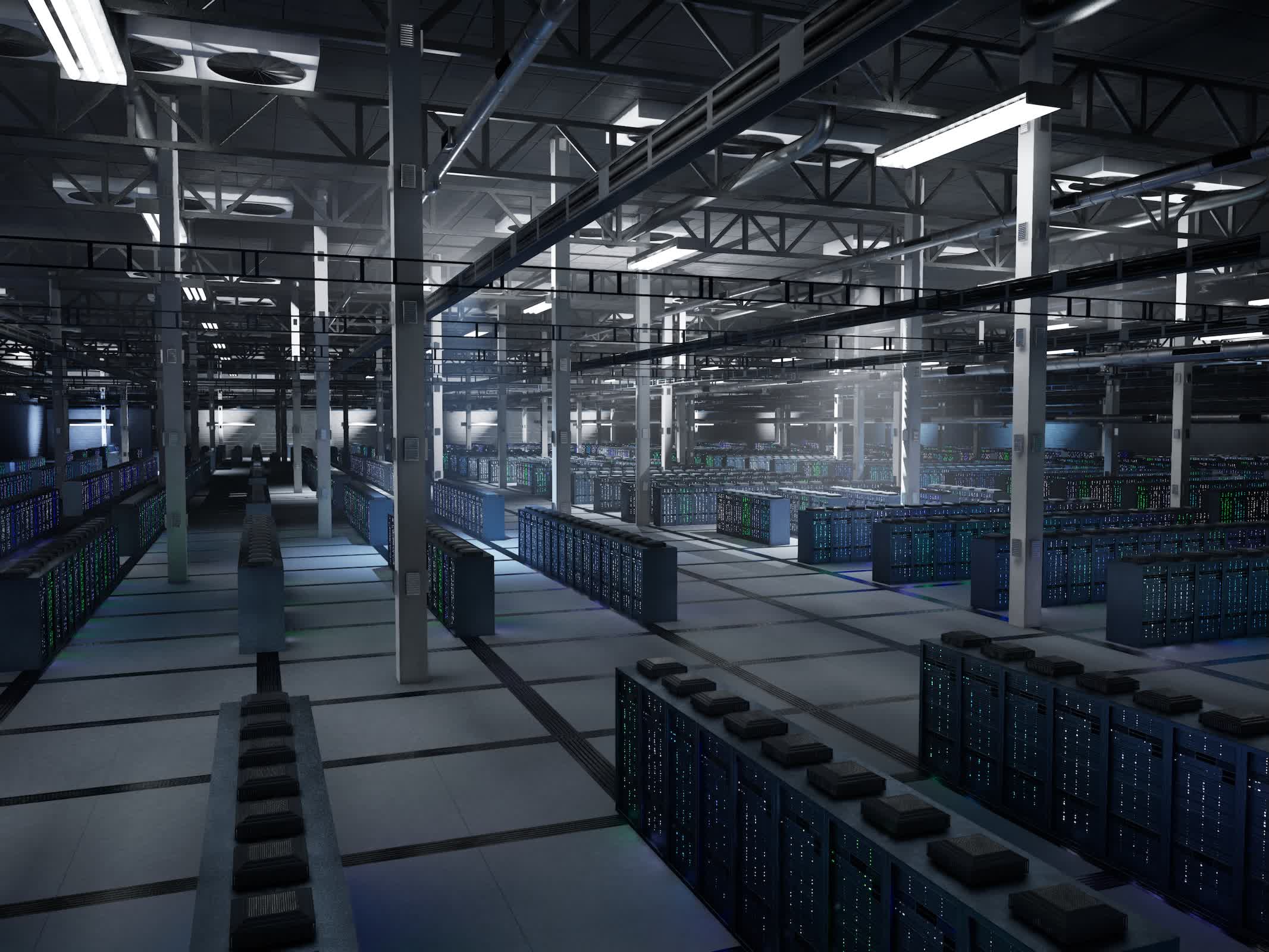
What is often framed as a race to develop smarter AI models is, in practice, a massive industrial expansion. Data centers require dense clusters of advanced chips, extensive cooling systems, fiber networks, and backup power. Columbia University economist Stijn Van Nieuwerburgh put it plainly, describing the effort to the Wall Street Journal as "strikingly physical." His estimate that AI-related infrastructure spending could reach about $8 trillion through 2032 gives a sense of the scale now underway.
That scale is already visible in corporate spending. Capital expenditures by Alphabet, Amazon, Meta, Microsoft, and Oracle are expected to reach $741 billion this year, up sharply from last year. That level of investment is putting pressure on the components that make AI systems possible, particularly semiconductors and memory.
Those same components sit at the heart of consumer electronics, which is where the spillover becomes more visible. Video game consoles, cars, and other devices rely on the same supply chains now being stretched by AI demand. Nintendo, Microsoft, and Sony have all raised prices on their devices. Apple is moving in the same direction. Chief Executive Tim Cook said the recent jump in costs was unlike anything he had seen "in any area in over 40 years."