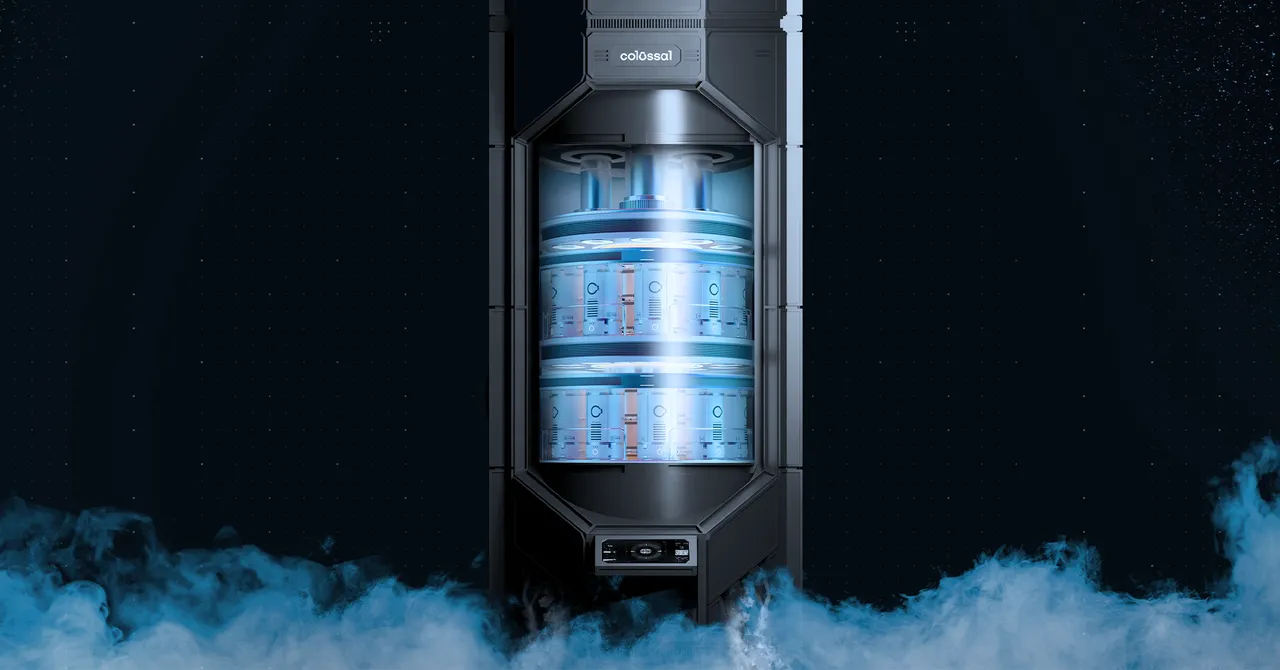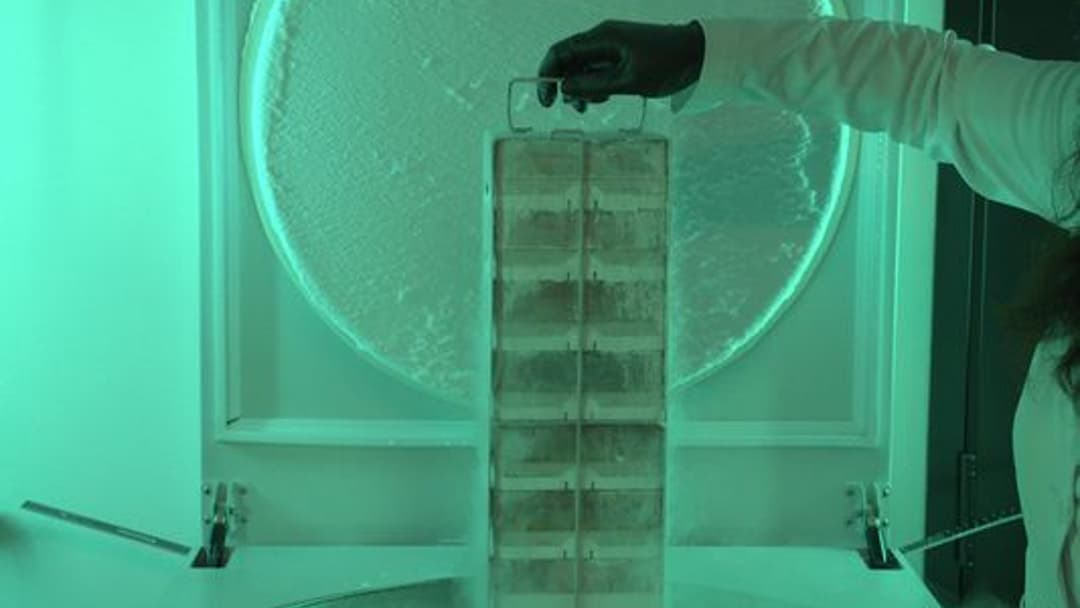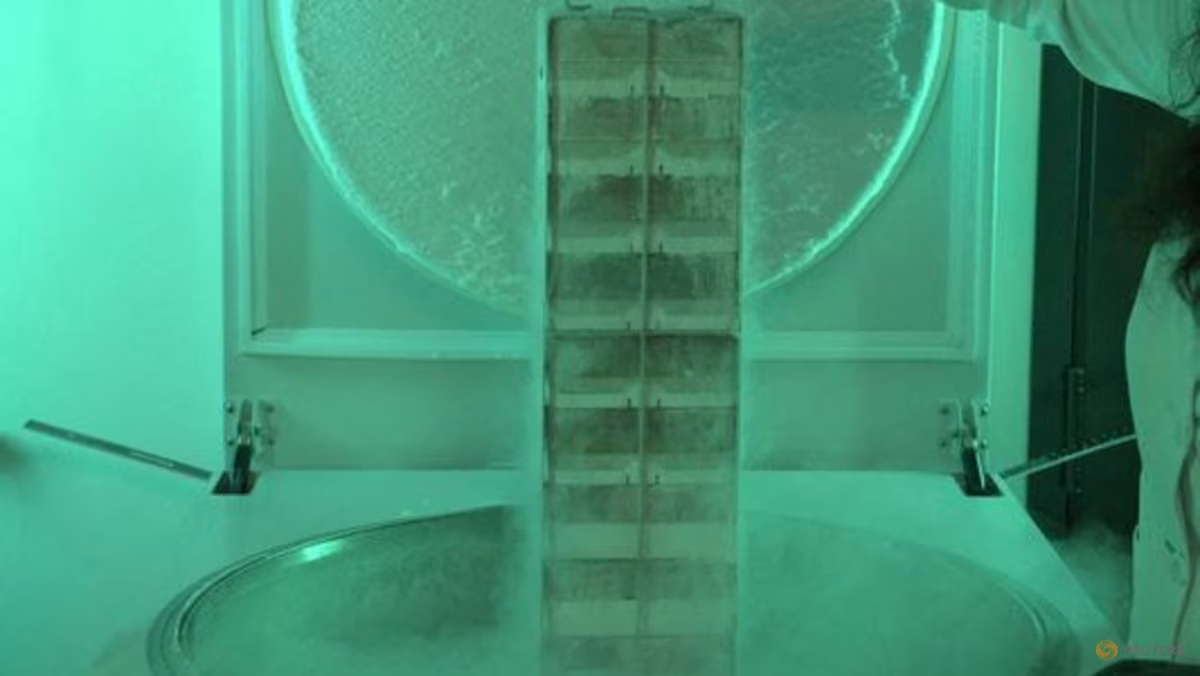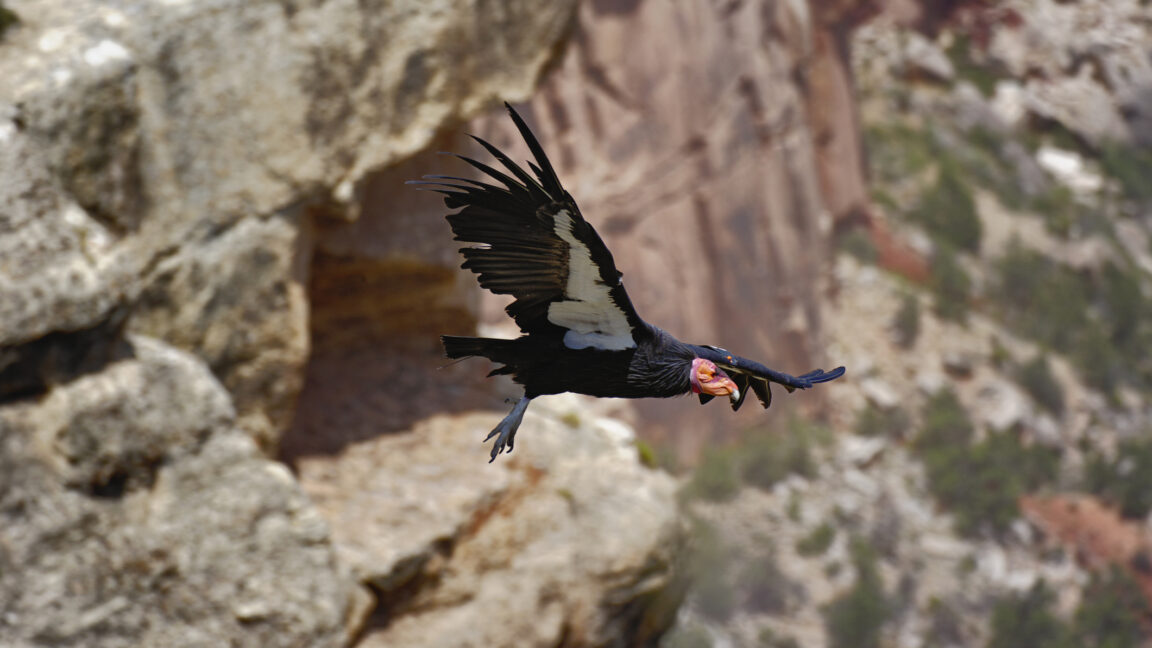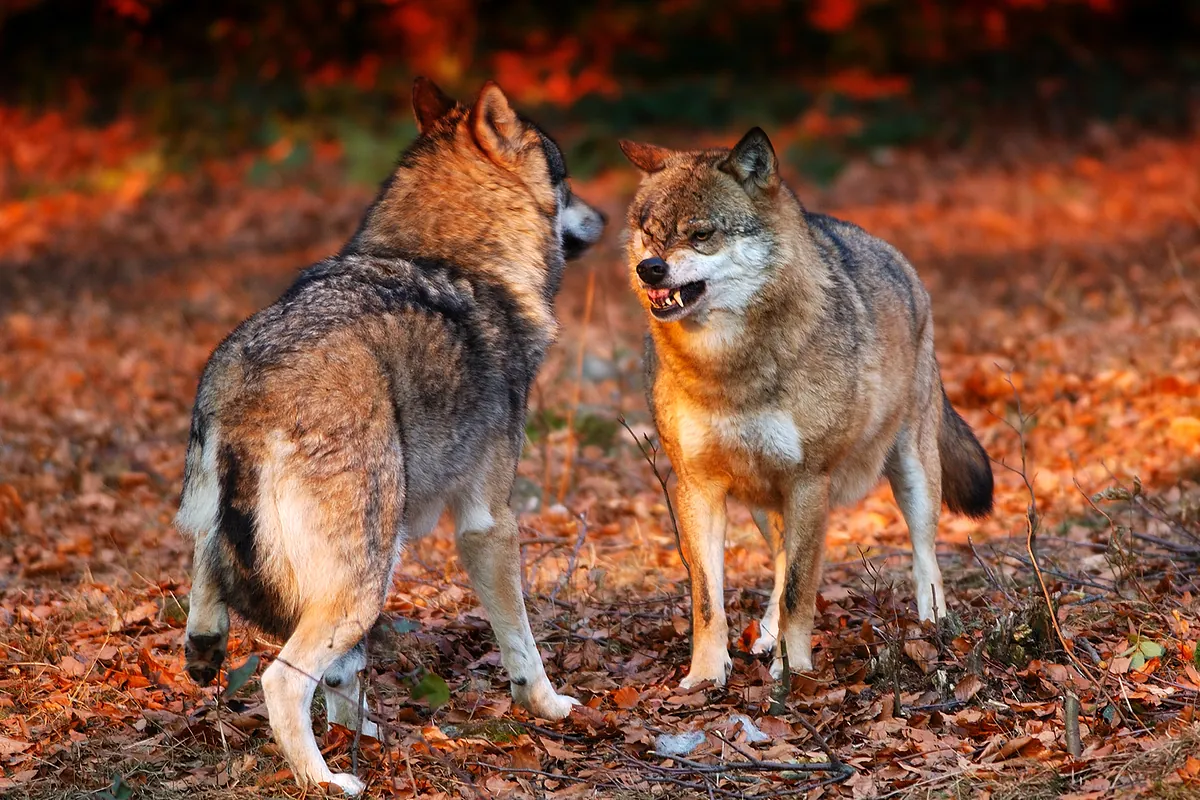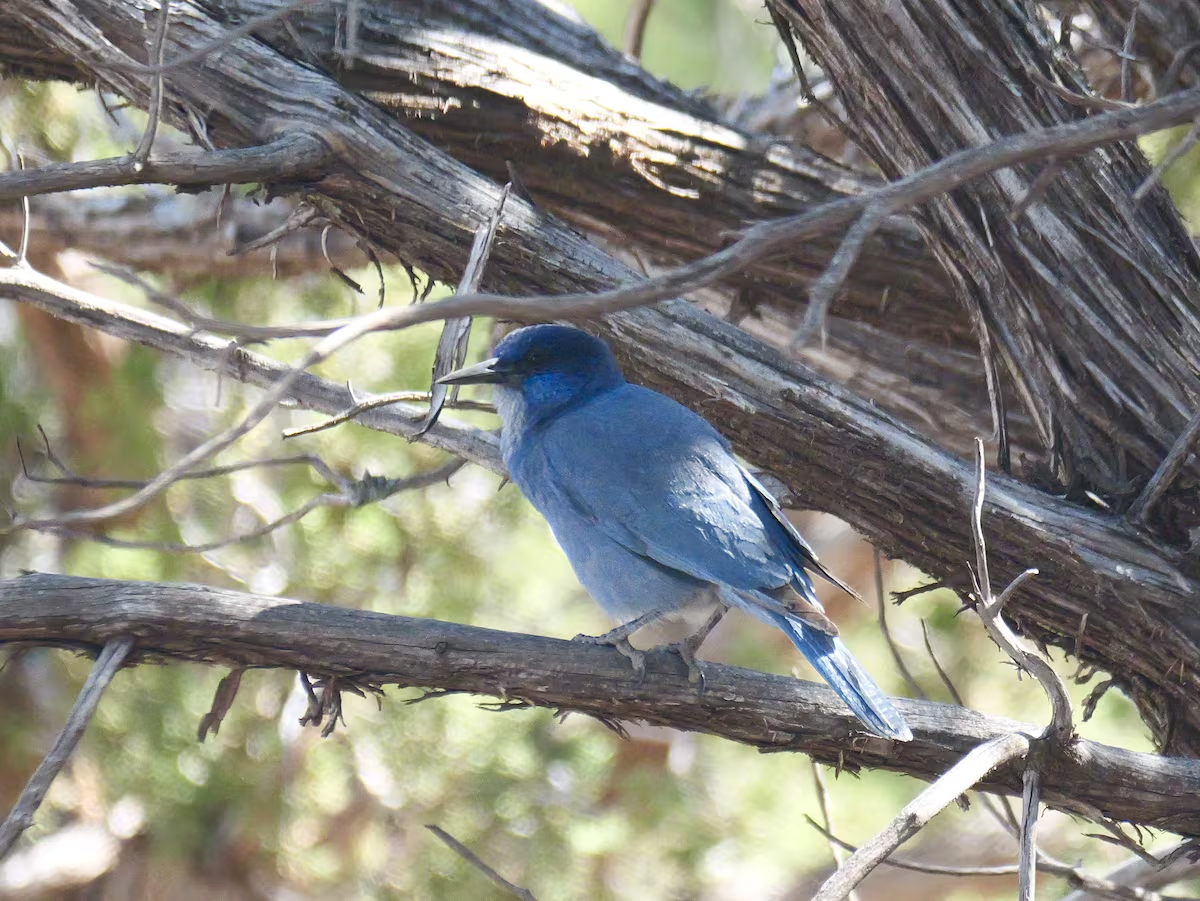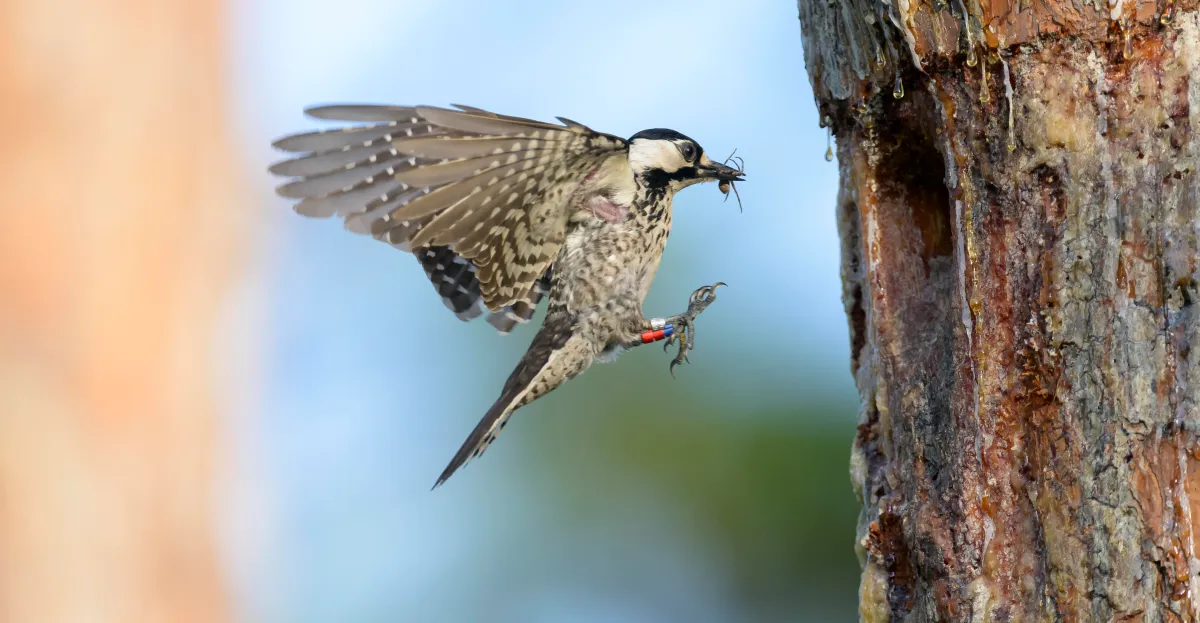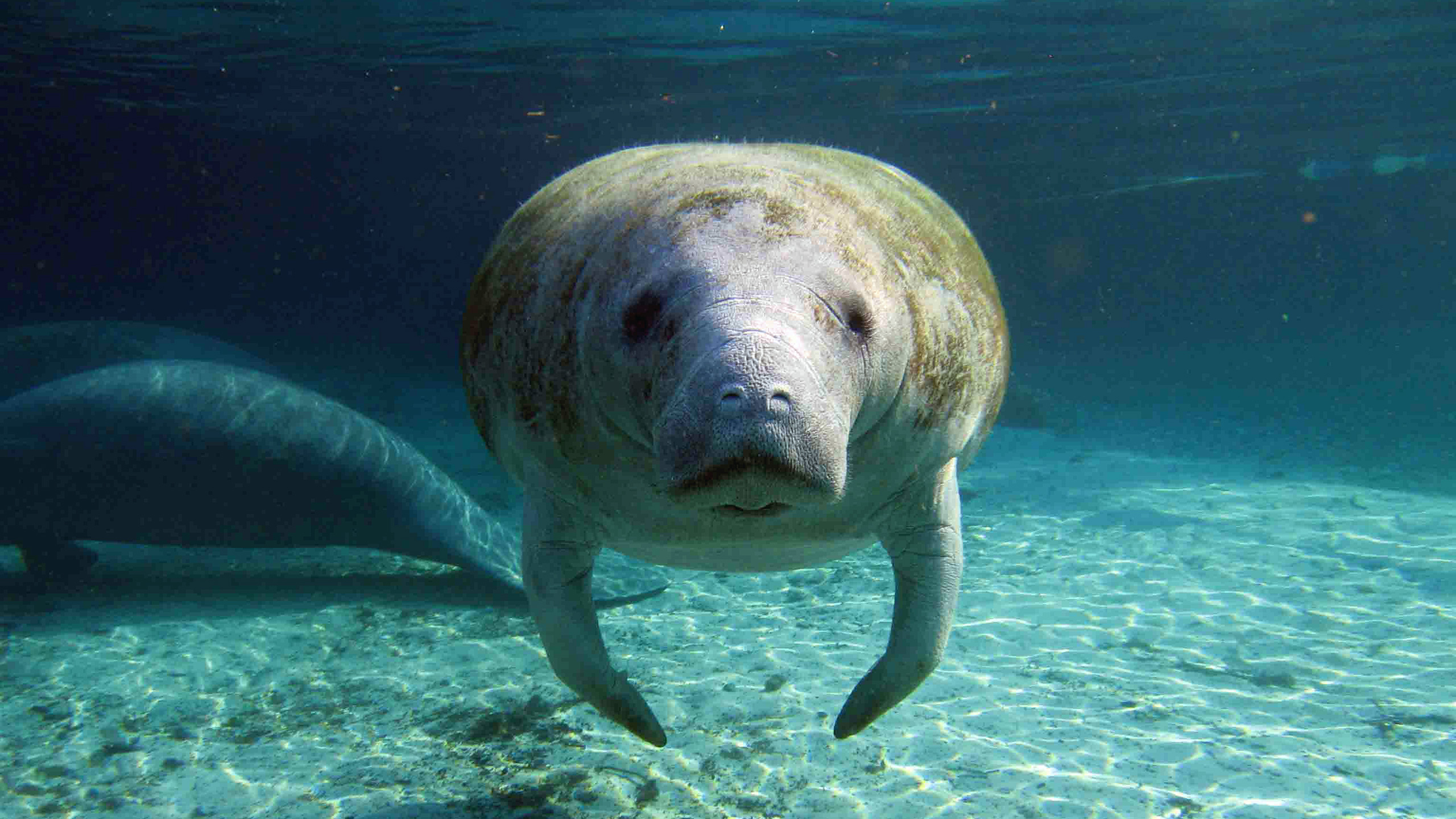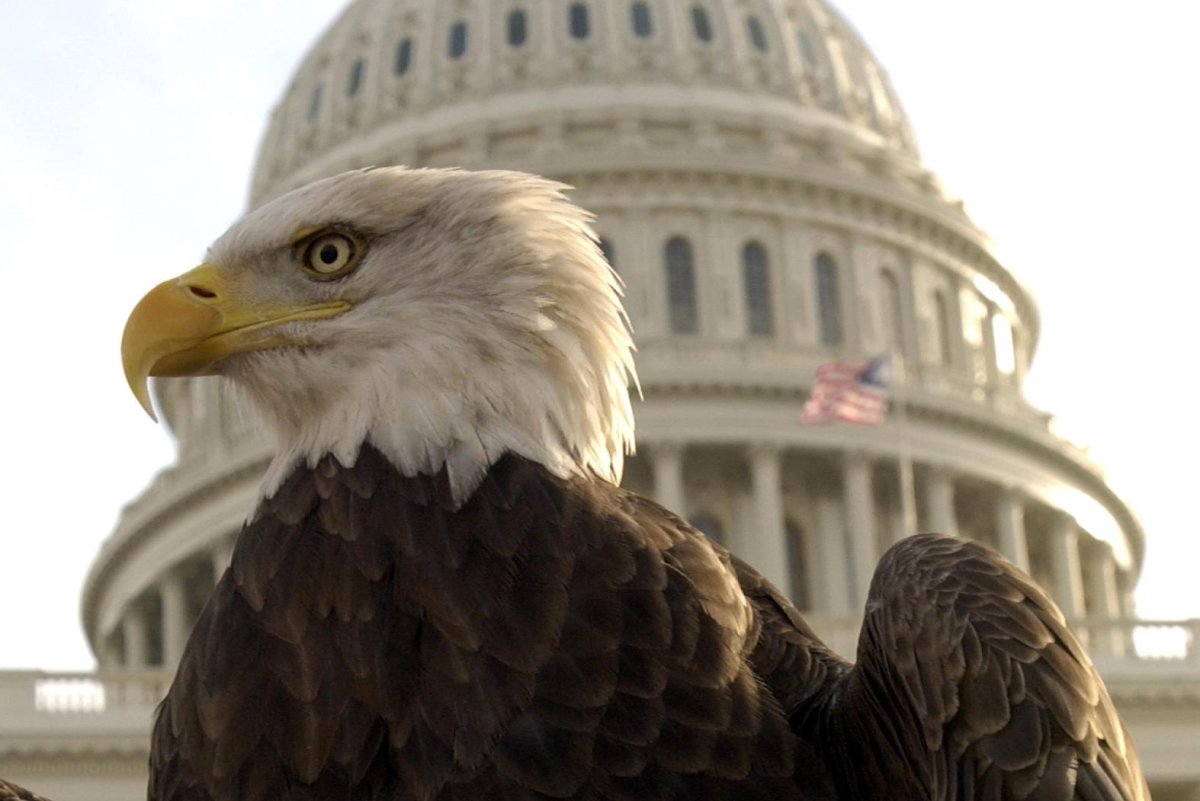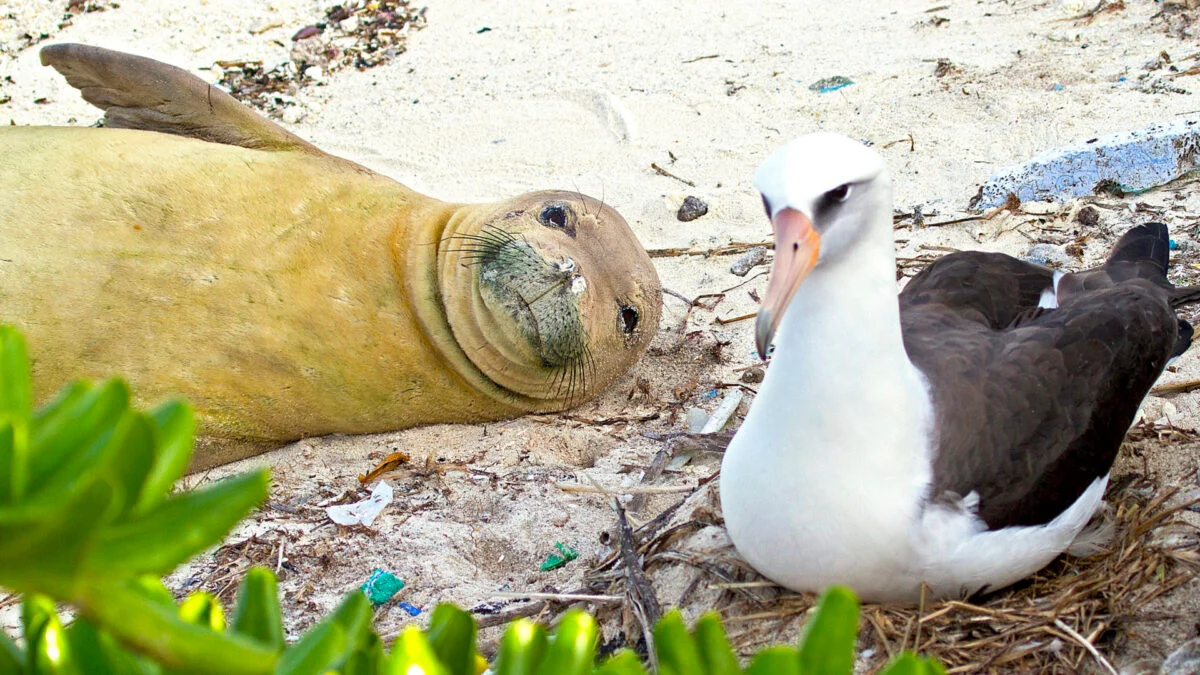
America currently protects 1,662 domestic and 638 foreign species under the 1973 Endangered Species Act. But—despite a sterling reputation for rescuing national icons like the bald eagle, the grizzly, and (my friend) the American alligator—this work has ironically been stunted by a 300% increase in species added to the list since 1985. Federal funding hasn’t kept pace, diluting the resources needed to protect each of these species roughly by half. But a new public-private partnership between the U.S. Fish and Wildlife Service (FWS) and self-described “de-extinction” startup Colossal Biosciences promises to fill that gap. Colossal, through its recently erected nonprofit the Colossal Foundation, has pledged to collaborate with federal researchers on a sprawling project to collect, sequence, and preserve the genetic material of over 2,300 threatened and endangered plant and animal species. The project, which will be housed across Colossal’s distributed BioVault network, intends to store both cryopreserved DNA, tissues, and reproductive cells for future use—as well as detailed, digitized “reference genomes” for each at-risk member of America’s biosphere. “This collaboration will help advance our understanding of how biobanking and genomics can complement existing conservation tools and contribute to the recovery and long-term resilience of imperiled species,” U.S. FWS director Brian Nesvik said in a statement.
America Is Creating a DNA 'Noah's Ark' for More Than 2,300 Endangered Species
The biotech startup that’s promised to “de-extinct” the woolly mammoth has partnered with the U.S. Fish & Wildlife Service to preserve America’s endangered species before they die off.
666 words~3 min read