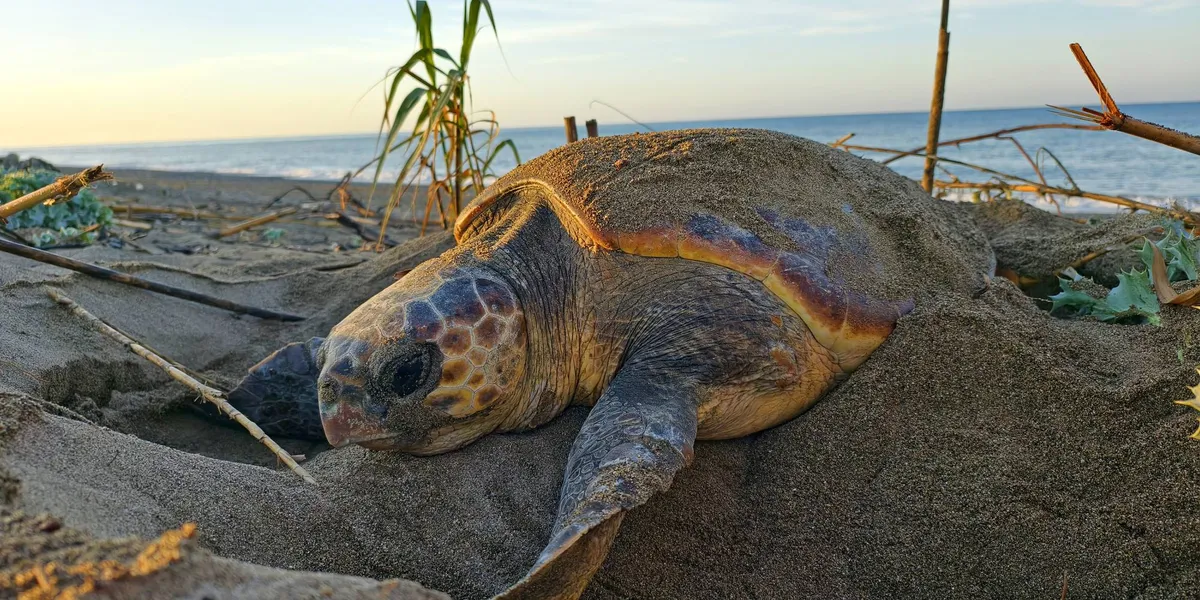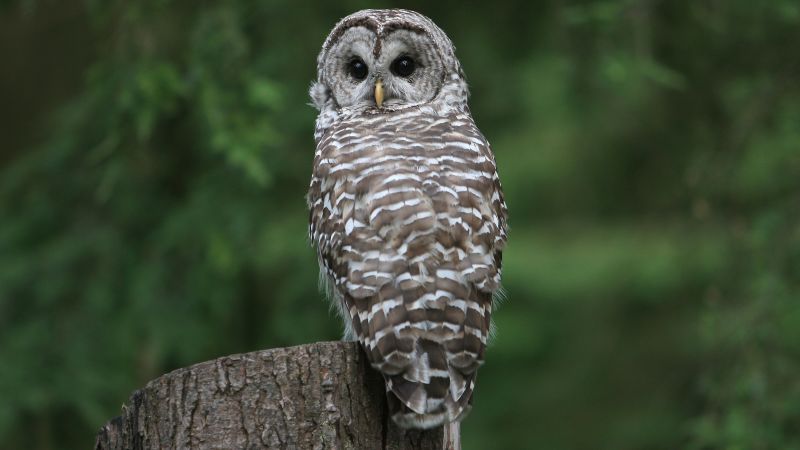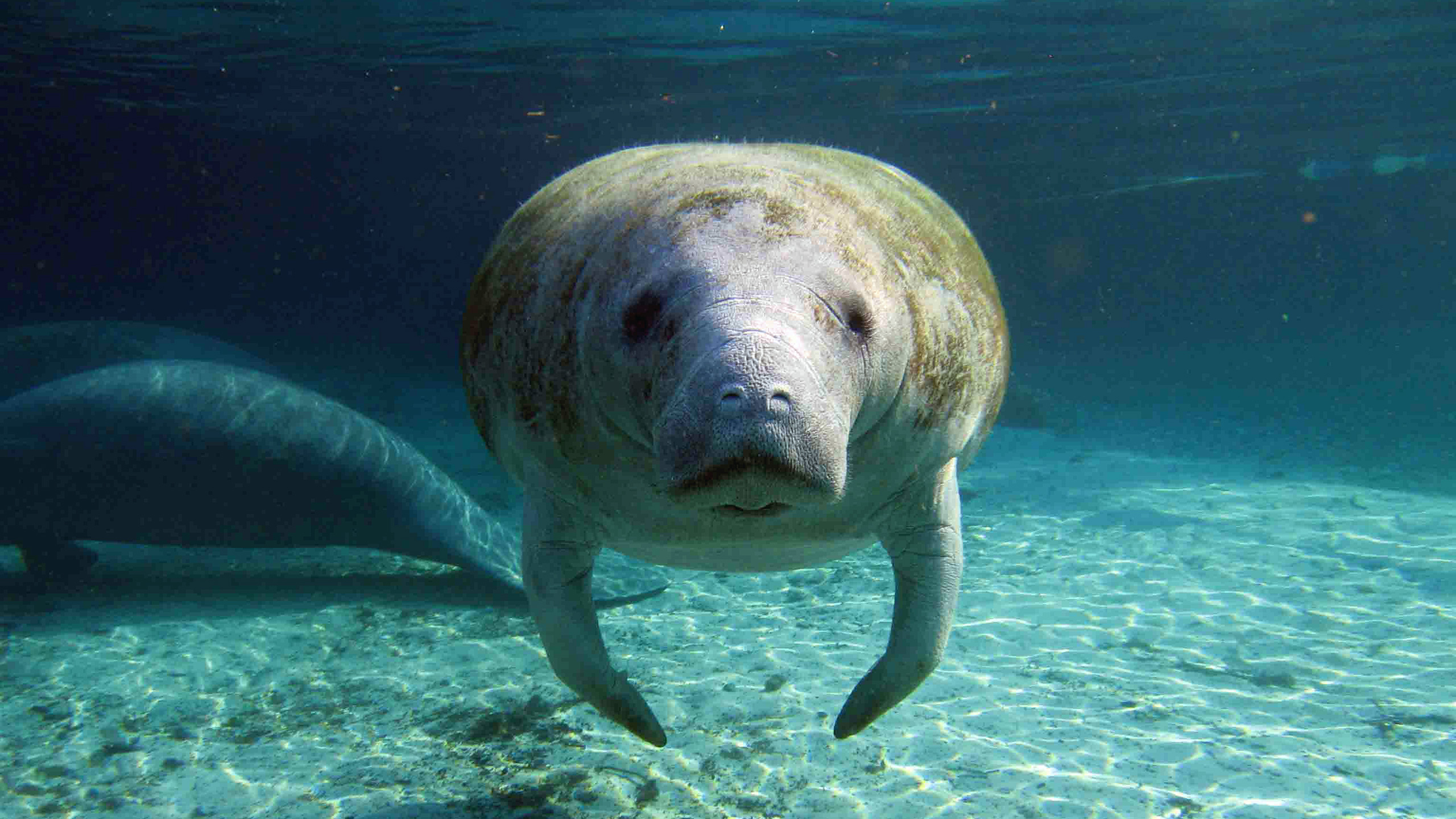
The Trump administration has removed habitat destruction from the regulatory definition of “harm” under the Endangered Species Act.The change could make it easier for farming, drilling, mining, logging, and development to proceed in places where endangered species live.Because habitat loss is one of the main drivers of extinction, protecting animals while allowing the destruction of the places they need offers limited protection in practice.The decision also weakens the United States’ standing when it asks other countries to conserve forests, wetlands, rivers, and other important habitats.
For more than half a century, the United States treated the protection of habitat as part of protecting endangered wildlife. The Endangered Species Act prohibited killing protected wildlife, and the government interpreted that protection to include severe damage to the habitat needed for feeding, breeding, and shelter. A developer could violate the act by removing a nesting tree if doing so caused a protected animal to die or fail to reproduce, even if no animal was struck by the machinery.
On July 10, the Trump administration finalized a rule removing the regulatory definition of “harm” from the act. Under the discarded definition, destroying or degrading habitat counted as harm when it killed or injured wildlife by disrupting feeding, breeding, or sheltering. The new policy takes effect on September 14. Direct injury and killing remain prohibited. Habitat destruction, on its own, will no longer count as an illegal “take” under the law. The administration says the change follows the statute more faithfully and will reduce permitting costs for landowners, farmers, energy producers, and other businesses.