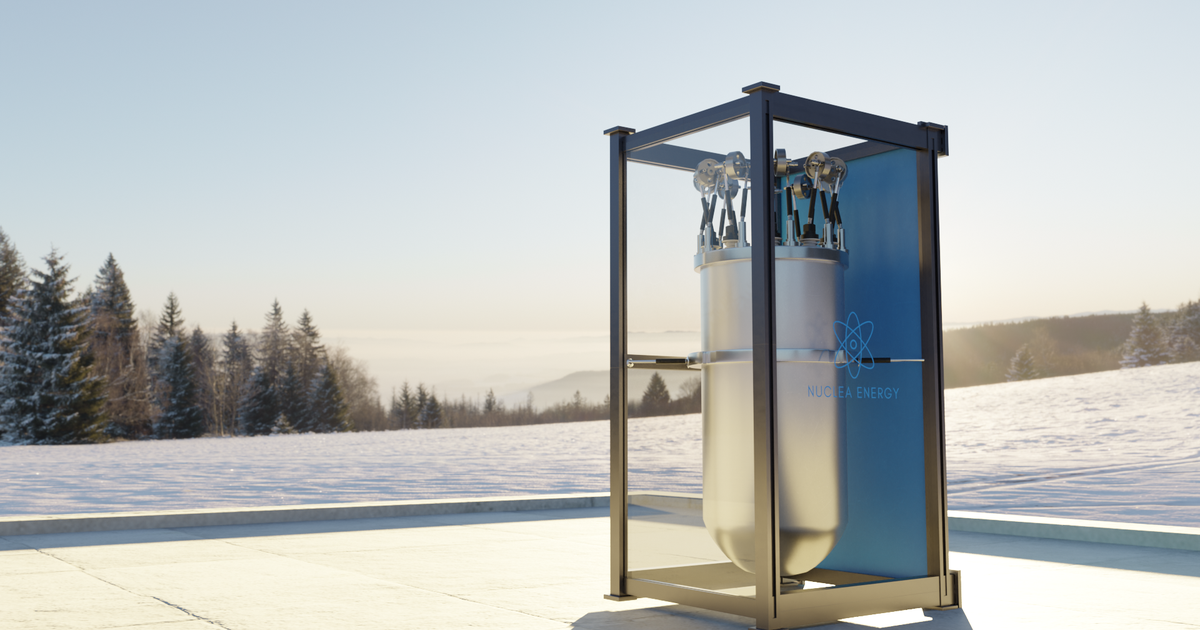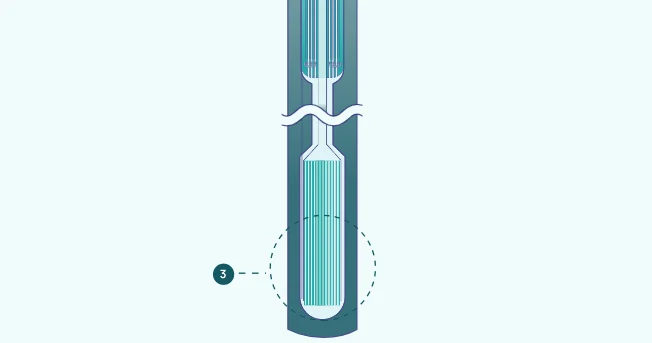
US-based advanced nuclear reactor firm Deep Fission has signed a spate of non-binding Letters of Intent with a range of offtakers, including data centers, for up to 18.5GW of potential generation capacity.The pipeline has increased notably since last year, when the company reported a non-binding pipeline of 12.5GW from potential customers. Last January, it signed its first disclosed commercial agreement with a data center offtaker, inking a 2GW agreement with Endeavour Energy.Deep Fission is pioneering a “mile deep” small modular reactor (SMR) system known as the Deep Fission Borehole Reactor 1 (DFBR-1). The DFBR-1 is a pressurized water reactor (PWR) that produces 15MWt (thermal) and 5MWe (electric) and has an estimated fuel cycle of between ten and 20 years.It is designed to be placed in a 30-inch borehole, using deep geology to provide pressurization and containment, which, according to the company, will increase security and lower costs. The reactor can be placed up to one mile deep, where its hydrostatic pressure is similar to the pressure found in standard PWRs. As a result, DFBR-1 will not have thick-walled pressurization vessels.The company claims that nuclear containment is achieved through geology and that, even if fully spent fuel is released, there will be no significant radioactive danger to the public or aquifer contamination. The reactor is designed to be retrieved by permanently attached cables. According to Deep Fission, it can be replaced by a new reactor in a nearby borehole or the same borehole at a slightly shallower depth.The company is currently developing its first reactor project at the Great Plains Industrial Park in Parsons, Kansas, as part of the Department of Energy’s Reactor Pilot Program. Subject to conditions and regulatory approvals, the company plans to apply for a commercial license from the US Nuclear Regulatory Commission in the first half of 2027.SMRs have become a hot topic within the data center industry over recent years, with several of the biggest companies inking deals with SMR developers. Notable examples include Amazon, Google, Data4, Oracle, Switch, and Equinix. Despite this, no SMRs have been deployed yet, with most developers looking to the next decade for their first commercial deployments.
US SMR firm Deep Fission sees customer pipeline swell to 18.5GW, on the back of growing data center interest
Has already inked a 2GW agreement with Endeavour
356 words~2 min read