For decades, getting power and control signals out to remote offshore oil and gas wells has meant laying 'umbilicals', the thick bundles of hydraulic and electrical lines that tether subsea equipment back to a manned platform.
They are expensive to install and carbon-intensive to run, but Schneider Electric and German industrial services firm Bilfinger think they might have found a solution.
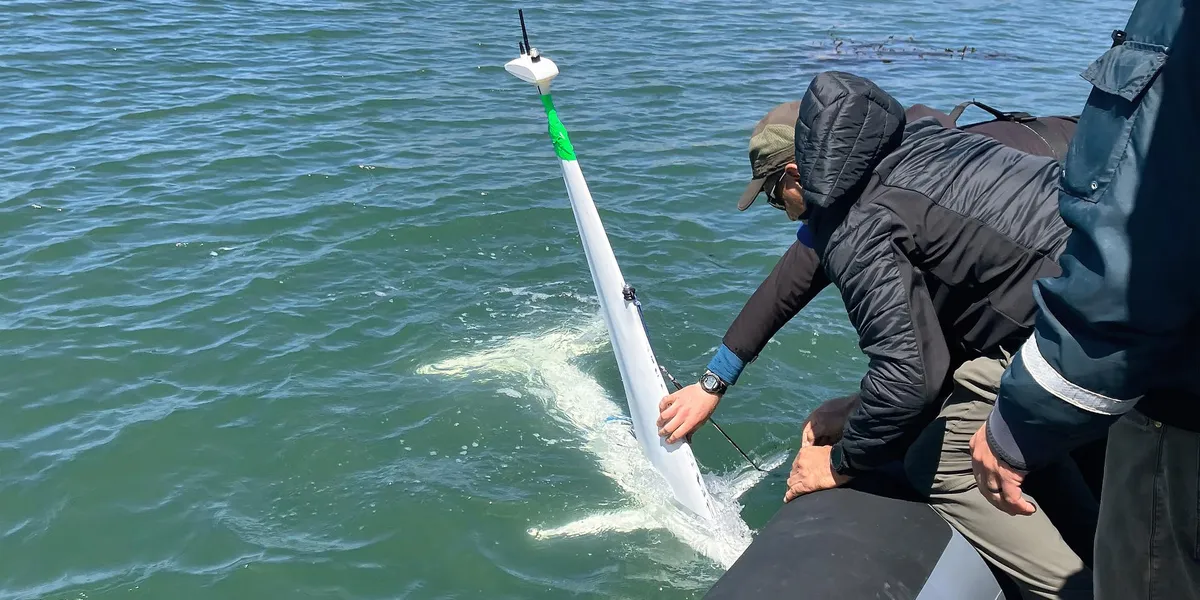
The two companies have spent the past year in the North Sea, developing the control system behind a floating buoy that can generate its own power and runs without anyone on board.
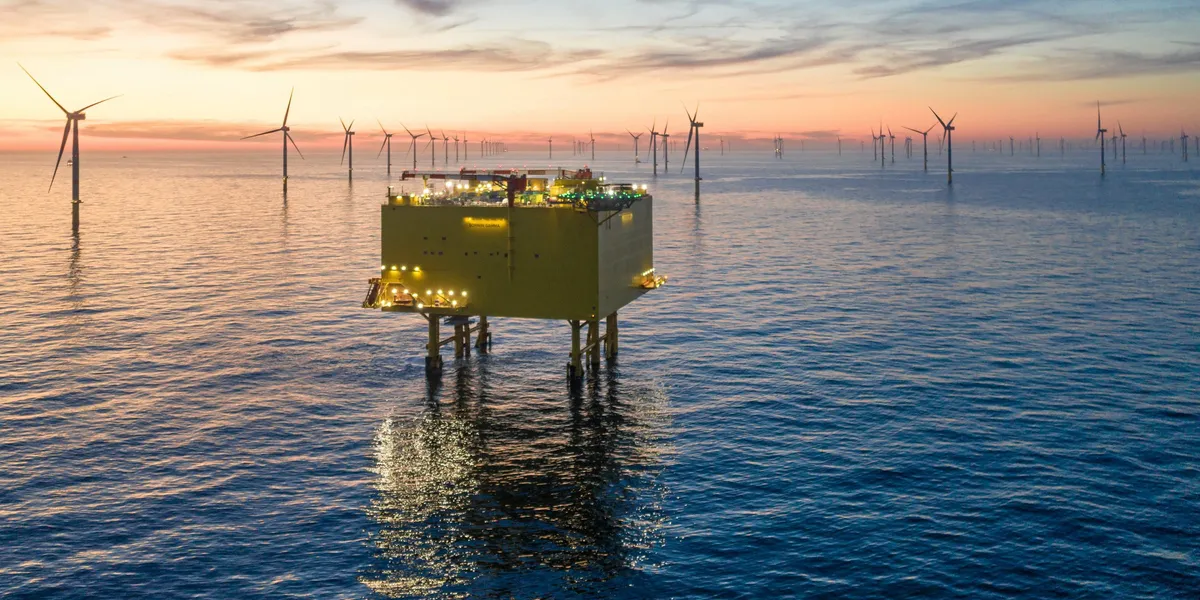
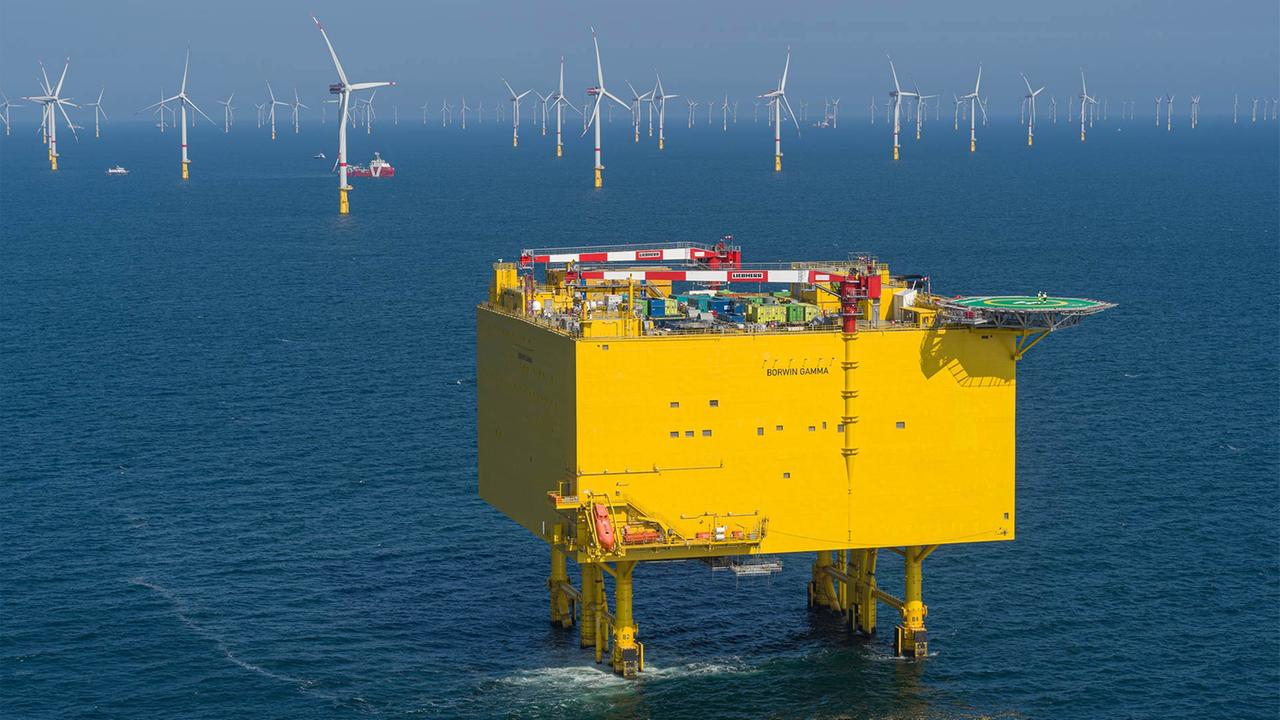
The project is built around a Normally Unmanned Installation, or NUI, a kind of offshore asset that is designed to operate without a permanent crew.
These pieces of equipment have to be both sophisticated and durable, capable of working and surviving in rugged conditions at sea.