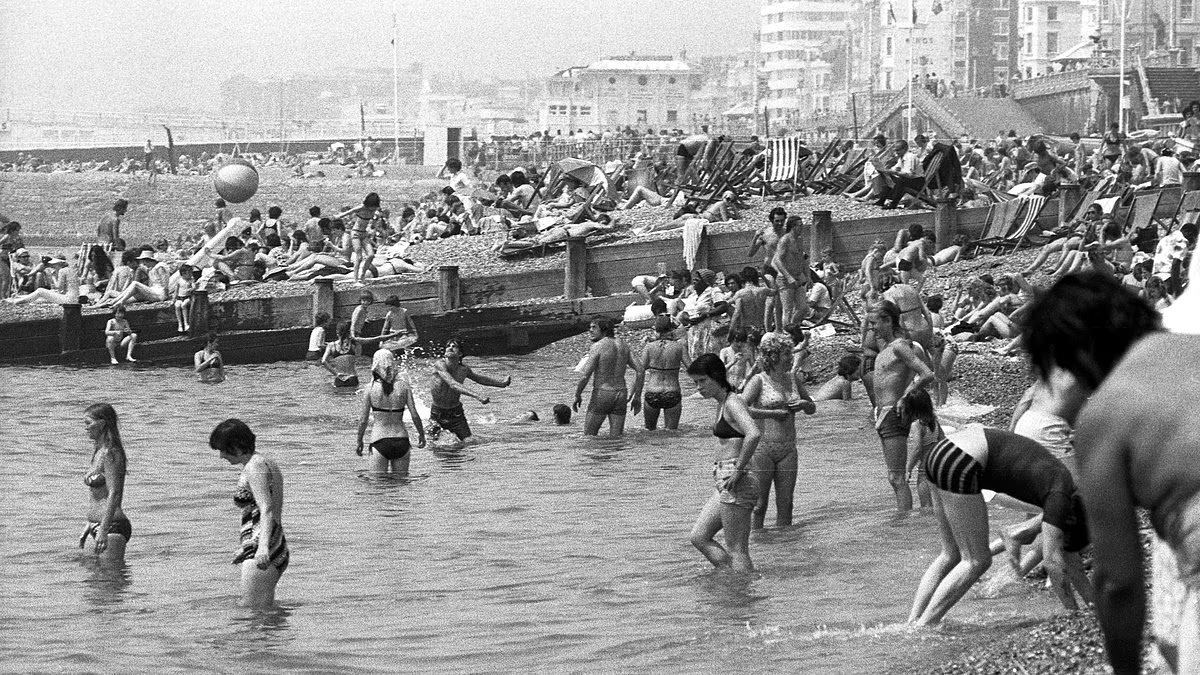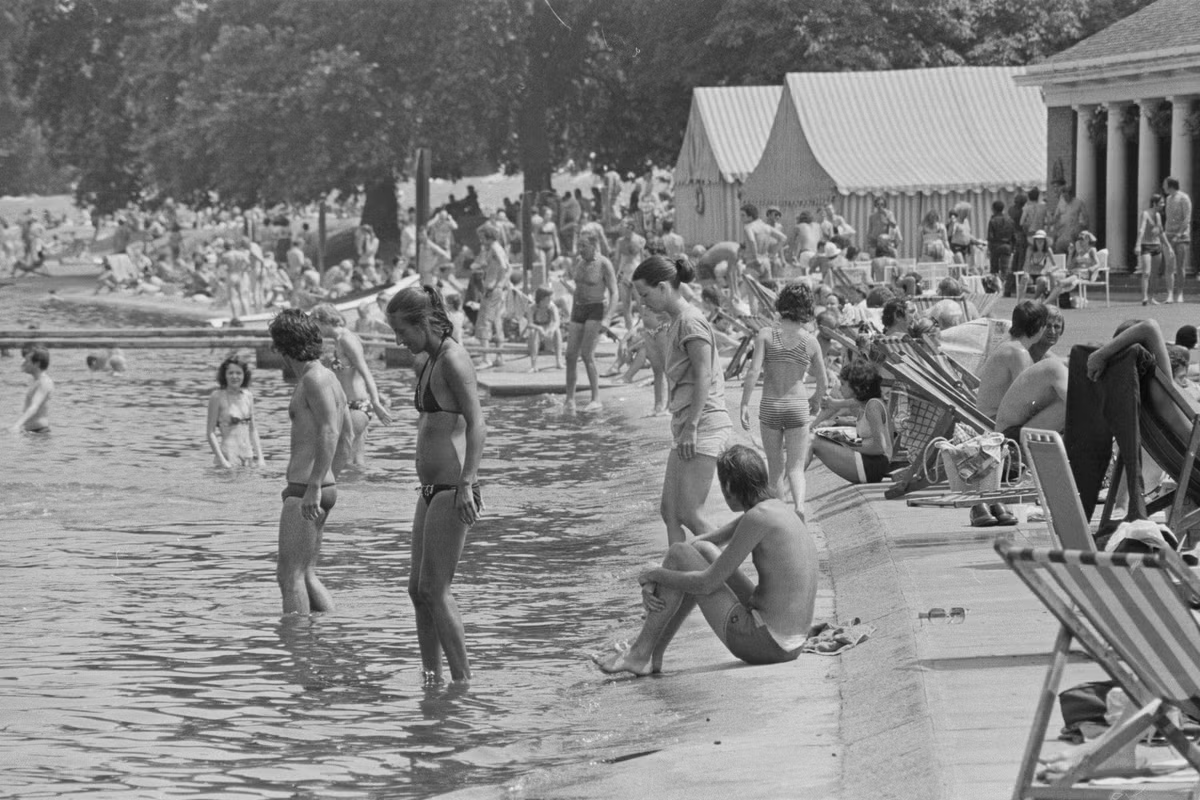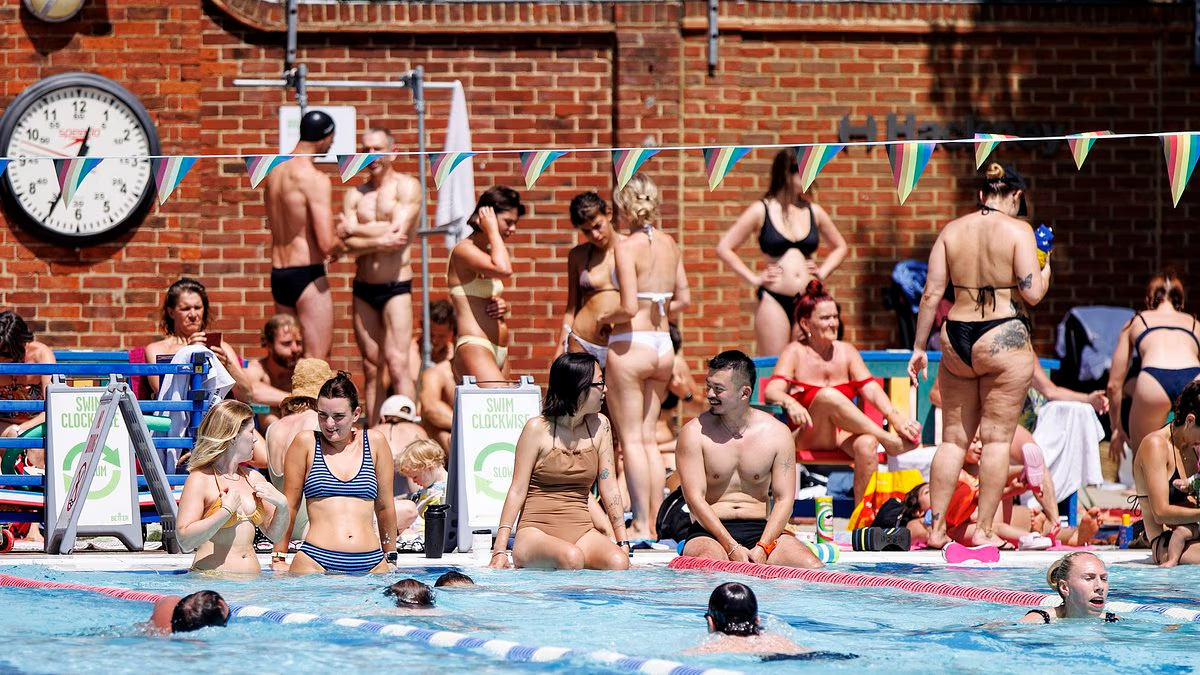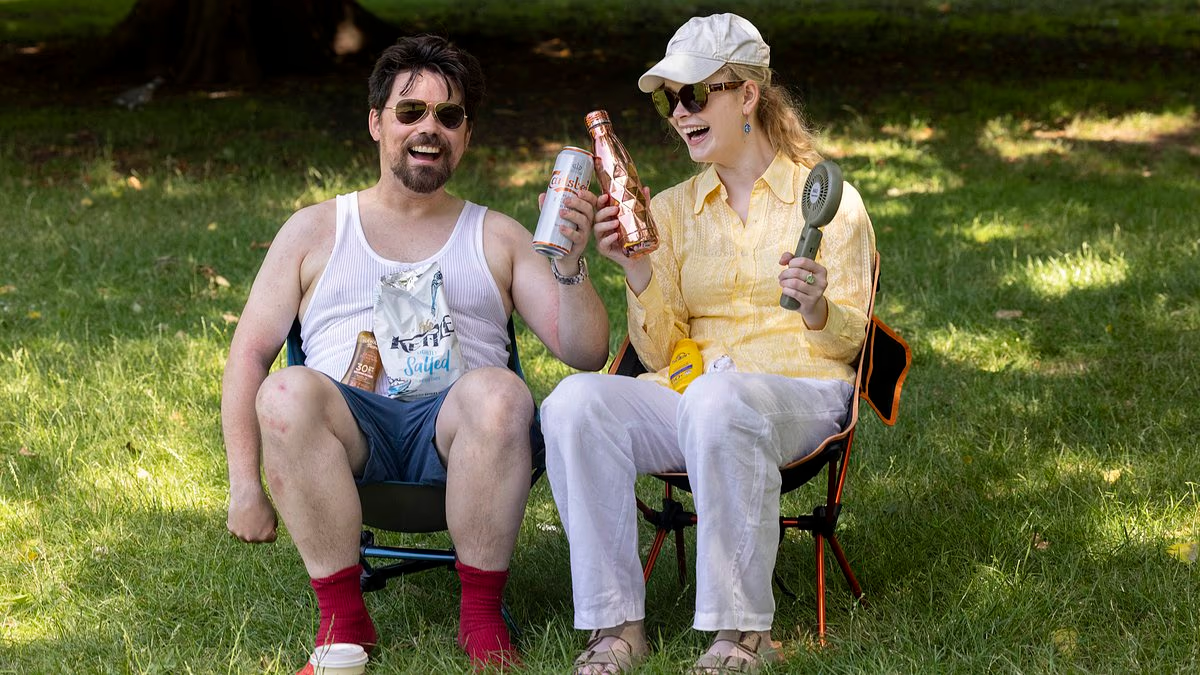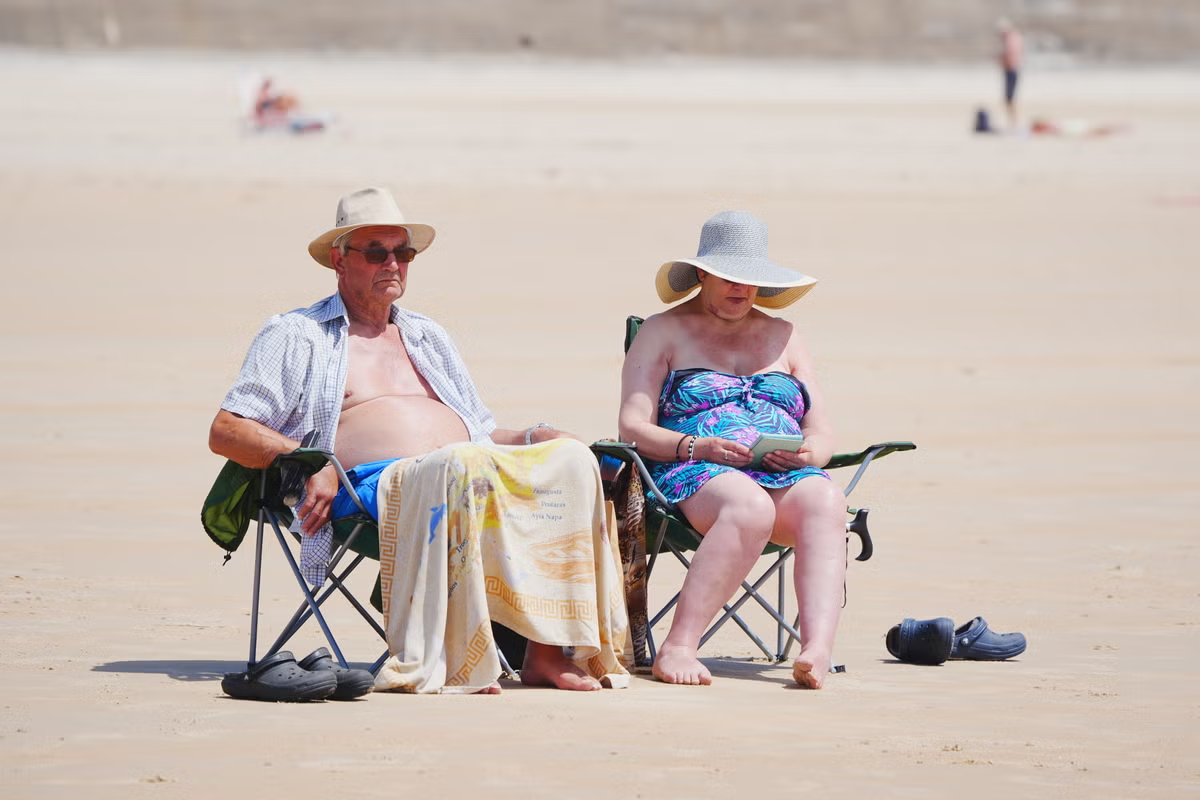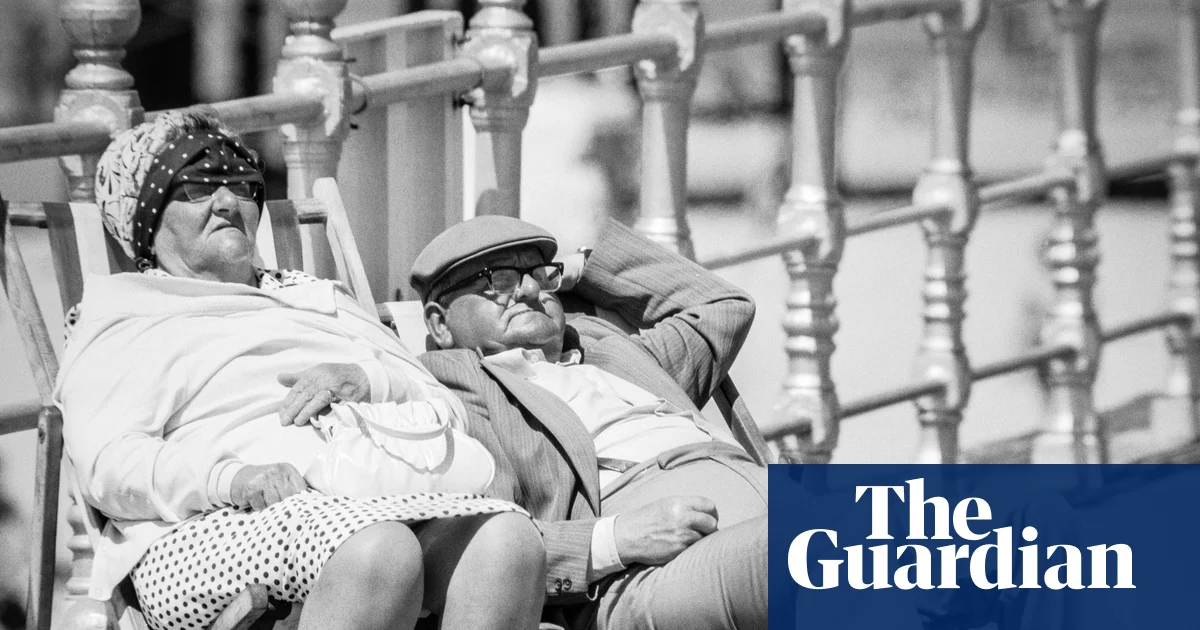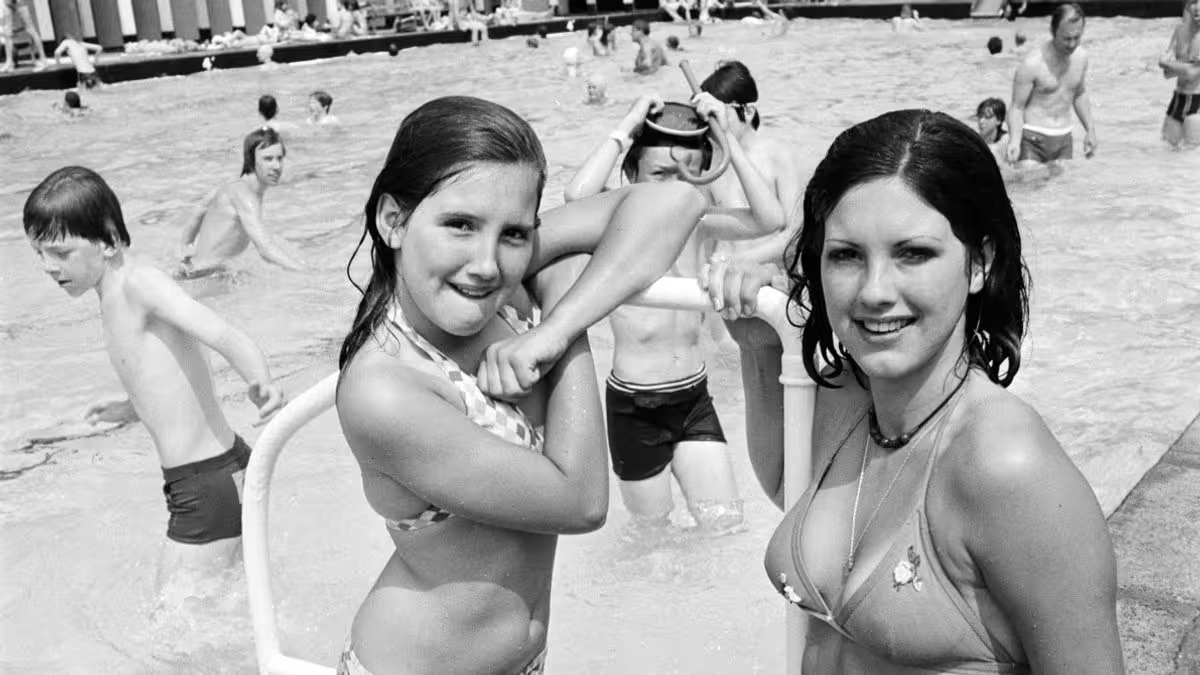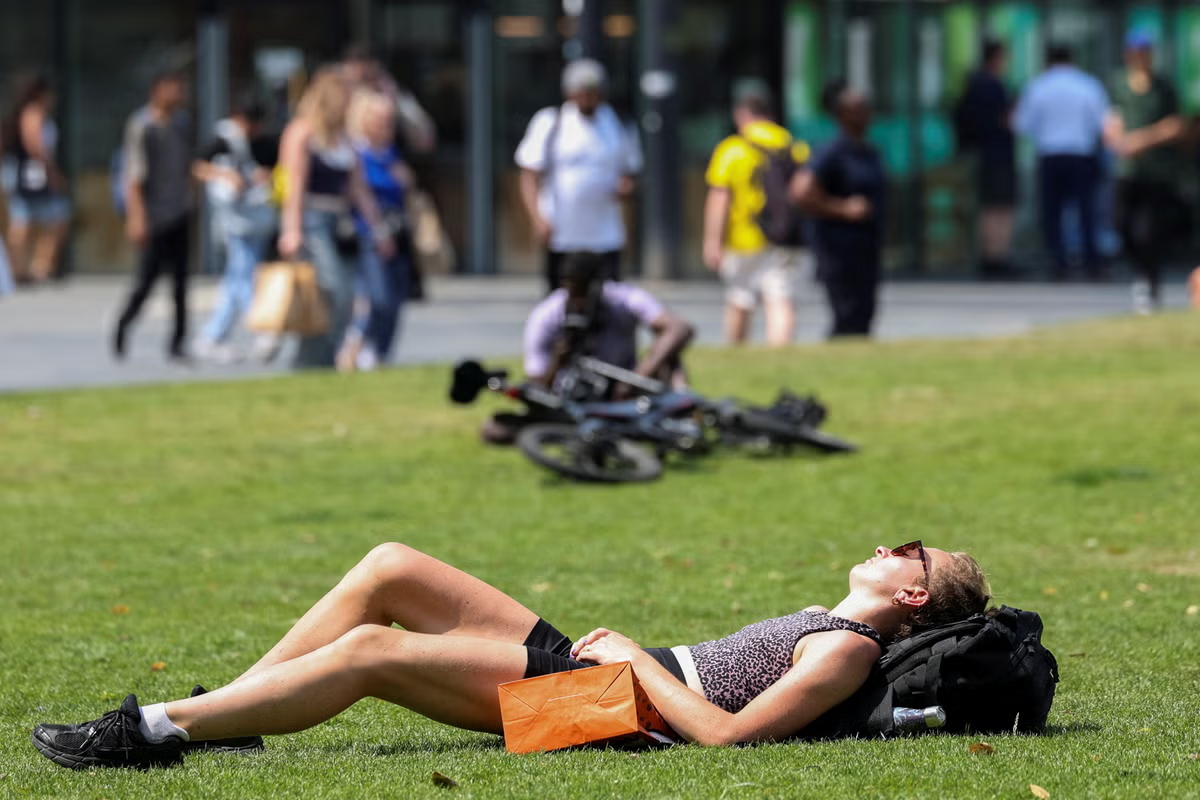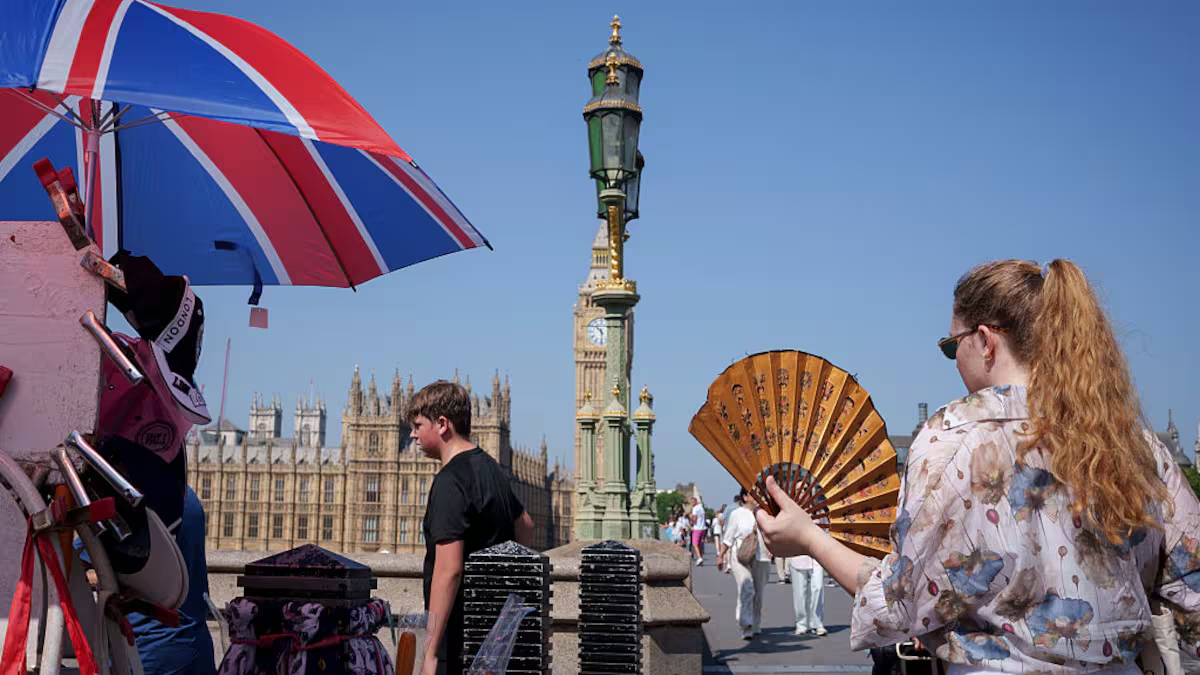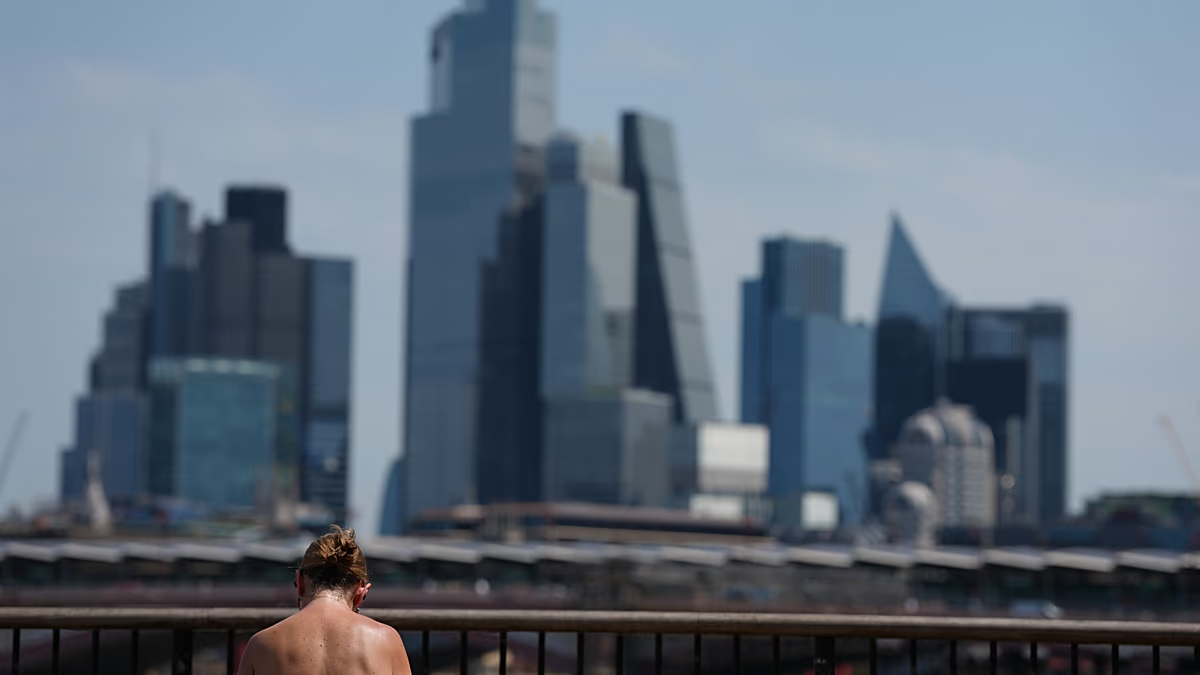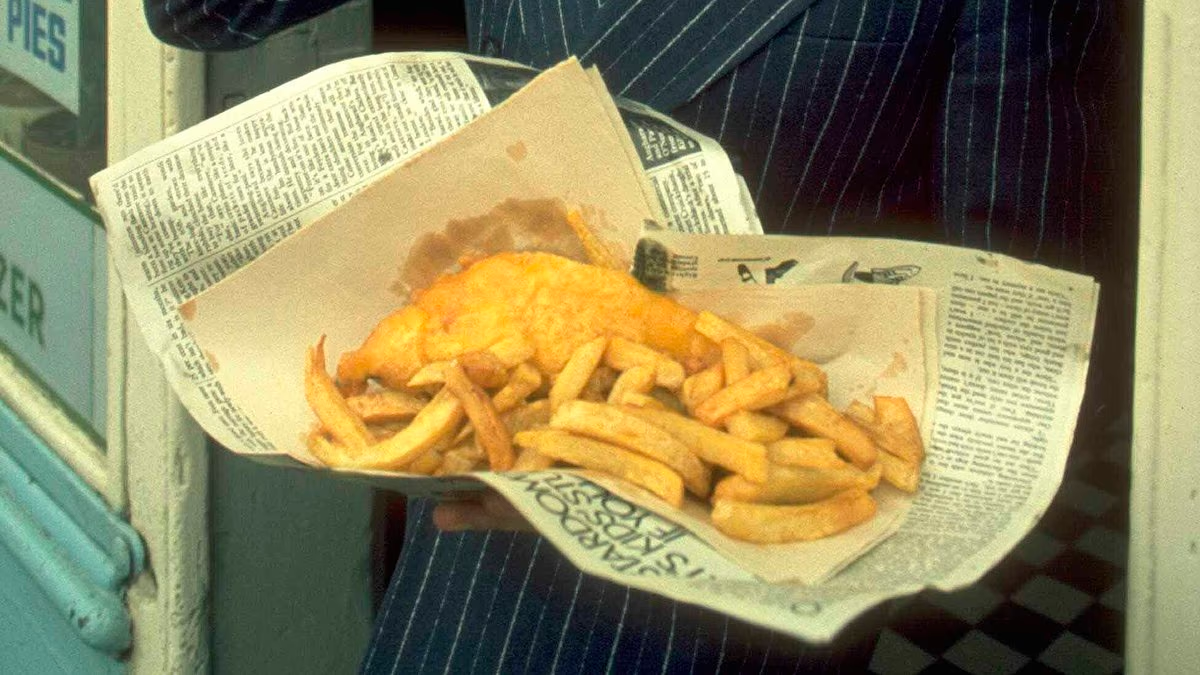
It's been 50 years since the mercury last rose to such sweltering heights in the UK in the month of June.Yesterday, the ongoing heatwave saw the coastal town of Gosport in Hampshire record the hottest June temperature - 36.1 - since records began in the 19th century. Until mid-afternoon on Wednesday, the previous highest measurement for June - 35.6C in Southampton in 1976 - had stood firm for 50 years. The five decades that have flicked by since have seen the UK change immeasurably on everything from politics to family dynamics and technology. While traditional seaside getaways are still a mainstay for British tourists, plenty has altered in terms of how we like to enjoy them - and how must they cost us. While Factor 50 sunscreen is now in almost every daytripper's bag, back in the mid 70s, holidays were more likely to open a bottle of Coppertone factor 2 tanning oil to try and achieve an on-trend mahogany tan. The sweltering summer of '76, when sunscreen was rare, the internet a twinkle in Tim Berners-Lee's eye and a pint of beer would bring plenty of change from 50p A Brtish seaside holiday, still hugely poplar in spite of the advent of foreign package deals, saw fish and chips from 2p and deck chair hire at around 20p a day Rot your teeth! Seaside rock cost 10p a stick in the 1970s. Right: A fish and chips price list from the 1970sAnd while those with a habit might now take a fruity flavoured vape to the beach, the waft of cigarette smoke across sands was par for the course then - almost half the population smoked, with a packet of cigarettes costing 38.5p, compared to around £16.50 now. Prices of other items during the last major June heatwave in 1976 certainly feel lost to another era. If today's travellers boarded a time machine back to the UK's popular coastal resorts - from Bognor and Blackpool to Skegness and Margate, they'd understand where the phrase 'cheap as chips' came from.The nation's favourite seaside fare, fish and chips, has transcended from being a staple supper for the working classes to an occasional treat, as Atlantic fishing quotas, coupled with conflicts around the world, have pushed the cost of cod up.Prices vary dramatically around the country; on the pier in Brighton, UK chain Harry Ramsden's currently charges £20.95 for a medium cod and chips. Over at the award-winning Fraser's Harbour Lights in Falmouth, Cornwall, you'll pay £14.60 and on the west coast in Blackpool, lunch at Yorkshire Fisheries, opened in 1907, will set you back £10.25 for the same meal. Denis Healey was UK Chancellor of the Exchequer in 1976 - inflation was at 16 per cent and interest rates around 15 per centToday? Cod prices have soared due to fishing quotas in the Atlantic and global conflicts, with portions anywhere between £5 to £25 at the plushest takeawaysHow much would you have paid to have fish and chips, wrapped in yesterday's Daily Mail, on Blackpool beach in 1976? Anywhere between 20p and 50p a portion. And if you wanted a pint of a local ale to wash it down with? According to data recorded in Hansard from 1976, when Denis Healey served as the UK Chancellor of the Exchequer, the average pint of beer in the UK cost 31.5p a pint. How does that compare 50 years on? Across the UK, it's £5.60 - roughly 18 times the 1976 price. Based on cumulative inflation of around 834 per cent since the mid 70s, 31.5p would now be worth £2.48. This year's Middle East conflict has seen petrol prices tumultuous at best and soaring at worst, with April seeing prices for a litre of unleaded petrol at 158.78p. A plume of candy floss would have set you back around 5p in the mid 1970s As sweet treats have fallen out of favour with healthier tourists, you can still pick up a stick of rock from around 50p to £1 in 2026Prices have dipped since the still fragile Iran Israel peace deal was signed last week and fuel currently stands at around 153.26p a litre in the UK.Packing up the car and heading for the seaside in the mid 70s would see you paying around 64p-a-gallon - the equivalent of 14.08p per litre - according to UK Parliamentary records from 1976. When it comes to accommodation, a couple heading to the beach on a Saturday could get a B&B by the coast back then for an average of around £2.50 per person per night, compared to around £35pppn now. Fancy an ice cream? In the mid 1970s, flavours beyond strawberry, chocolate and vanilla were rare, but you'd pay between 5p to 7p for a single cornet at the van parked by the sands. The going rate in 2026 is anywhere between £2 and £4 for a cone. The one thing that hasn't changed at seaside resorts across the country? The penny slots...from Cleethorpes to Clacton-on-sea, the retro arcades are still going strong and only require a pocketful of 2ps to potentially dislodge a mountain more. 1976 heatwave prices vs 2026 heatwave prices The Americano B&B pictured in Blackpool; a room in 1976 might cost a couple £5 for a night, including a fry-up Fish and chipsPint of beerSingle ice cream coneStick of rockDeck chair day hire Candy floss Bed & Breakfast stay Fuel costs 1976 20p to 50p 31.5p a pint 5p to 7p10p 20p 5p £5 64p-a-gallon (equivalent of 14.08p- a-litre) 2026 £11.17£5.60 £2 and £4£1 £5£3 £70 153.26p-a-litre AND THE OTHER THINGS THAT HAVE CHANGED SINCE THE LAST HEATWAVE... Photographs from half a century ago show the contrasts and connections between now and then.In 1976, bathers basked on beaches in seaside resorts such as Brighton, which has too been packed this week with families and sunseekers.The seafront now features the i360 observation tower, which opened in 2016.Meanwhile, 50 years ago Londoners took to cooling off in public fountains, including of course the centrepiece one in Trafalgar Square.A similar basker was seen there this week - although there are now 'No entry' signs for the pools. Fifty years ago, a doctor went as far as advising people to drink beer and eat crisps to counteract the salt lost through sweat - with plenty appearing happy to oblige.Brewers told of the 'phenomenal demand' during the 10 weeks of blazing heat.Britons have similarly been packing pubs and beer gardens in recent weeks, helped by the heatwave coinciding with England and Scotland in action at the World Cup.The British Beer and Pub Association forecast an extra 4million pints would have been poured as England took on Ghana last night, worth an estimated £20million to the industry - with similar boosts hoped for ahead.And just like in 1976, as pictured with people outside London's Buckingham Palace as Grenadier Guards paraded by in thick and stuffy outfits, umbrellas or parasols have been put up to help protect from the sun.The summer of 1976 was caused in part by very hot air that had originated in the Mediterranean - and the drought was worsened by the fact that there had been a lack of rainfall the previous summer, meaning reservoirs and rivers were already low.The highest temperature recorded that summer was on July 3, when the mercury hit 96.6F (35.9C) in Cheltenham.The town saw temperatures rise above 89.6F (32C) for seven consecutive days.
How price of a British seaside holiday has changed since 1976 heatwave
Denis Healey was in charge of the nation's finances - and inflation was at 16%, with interest rates a painful 15%...so how much did Brits pay for their candy floss, pints, and B&B in 1976?
1,235 words~6 min read