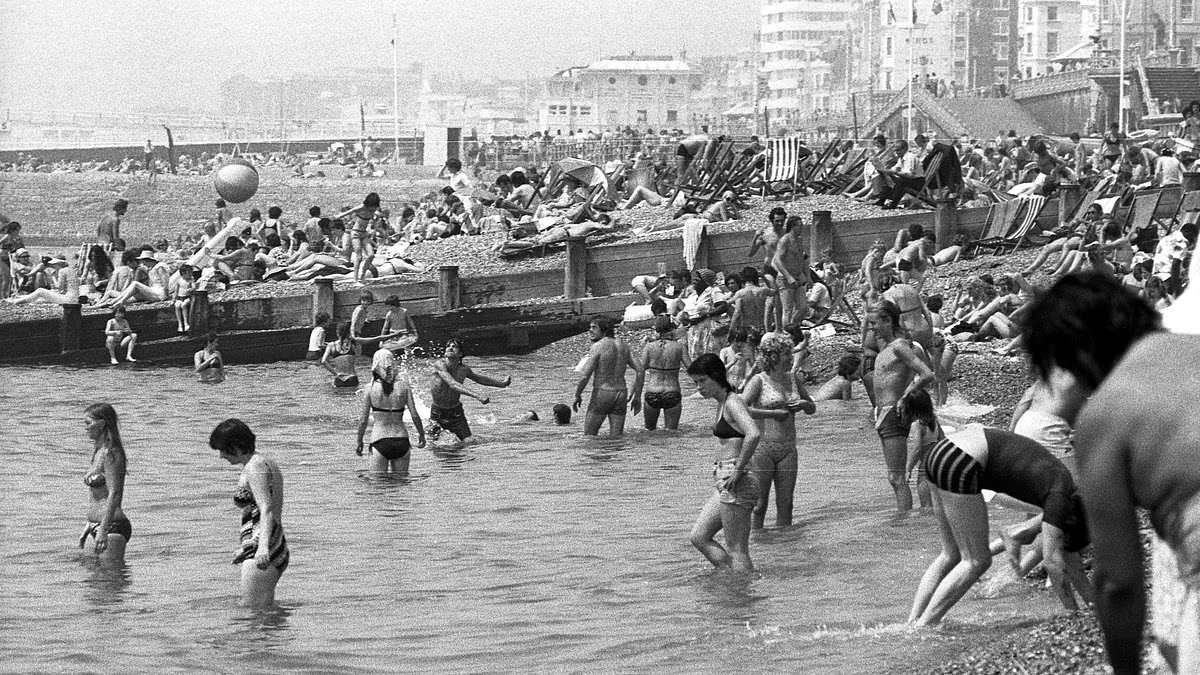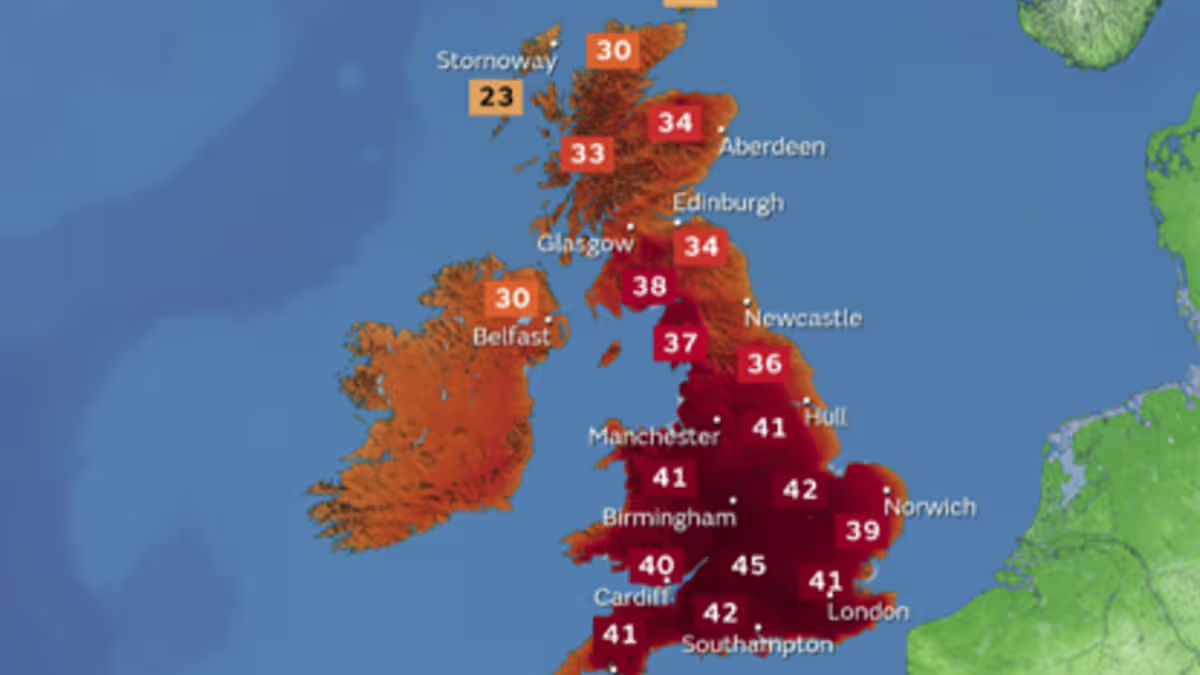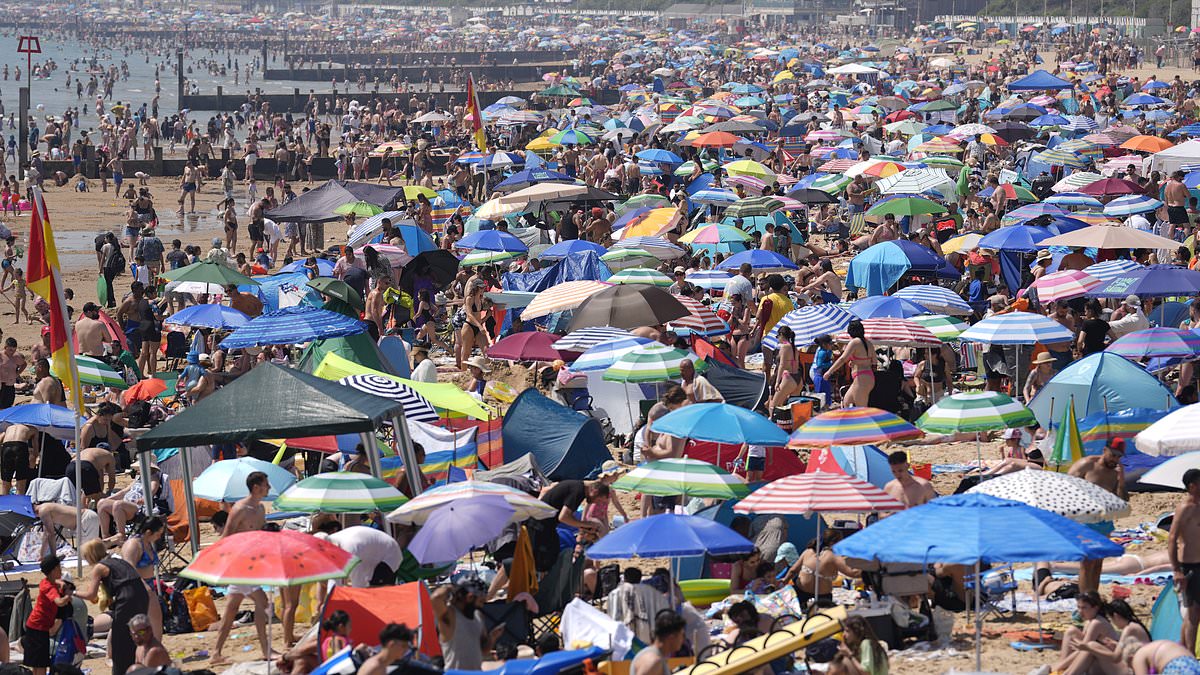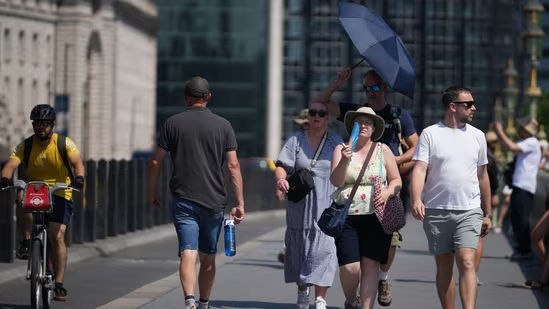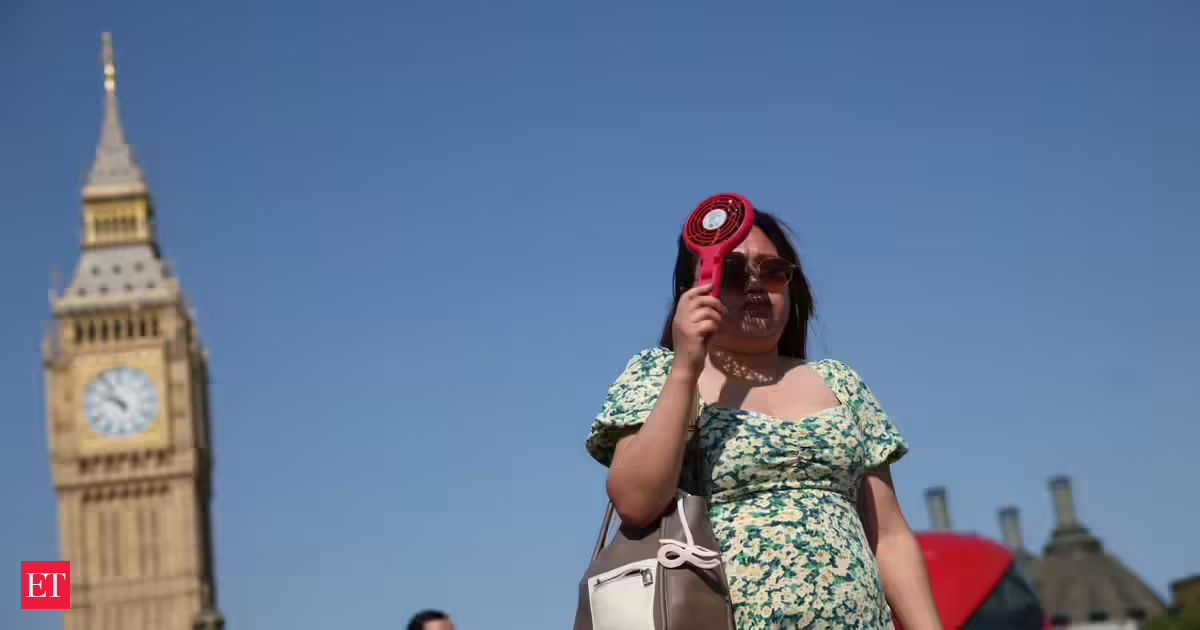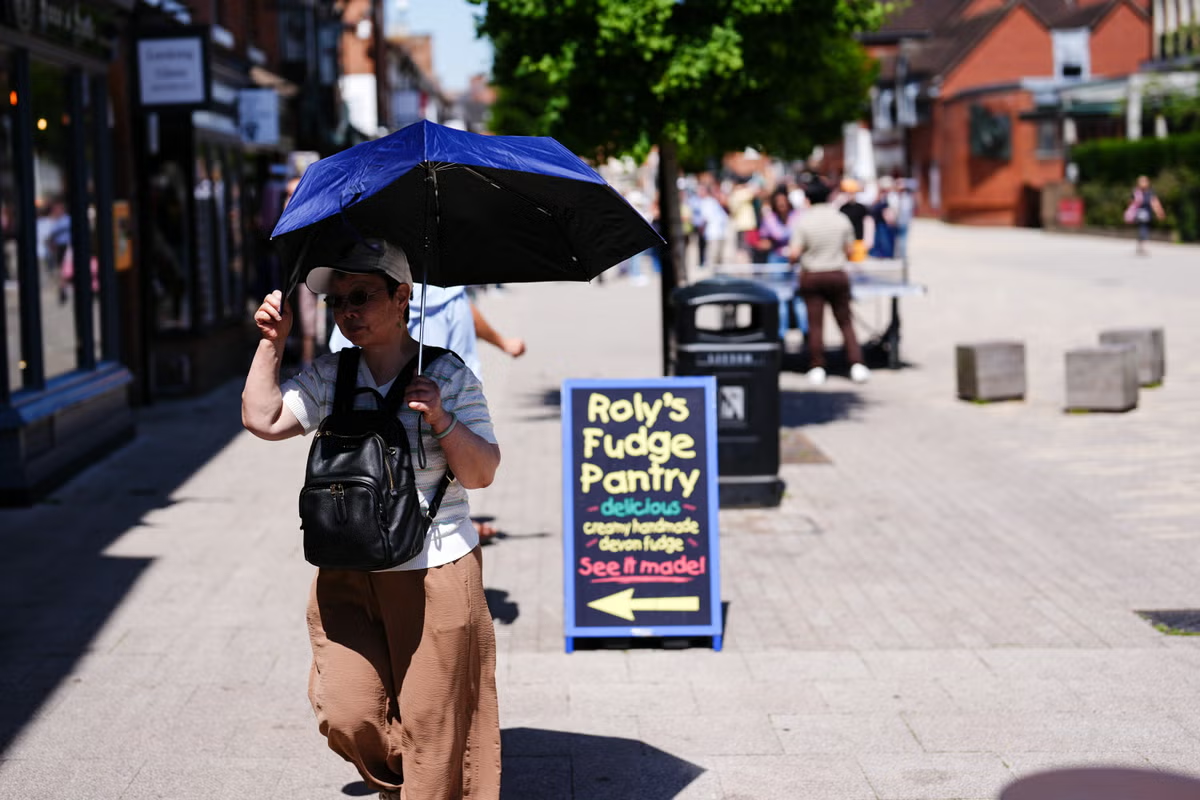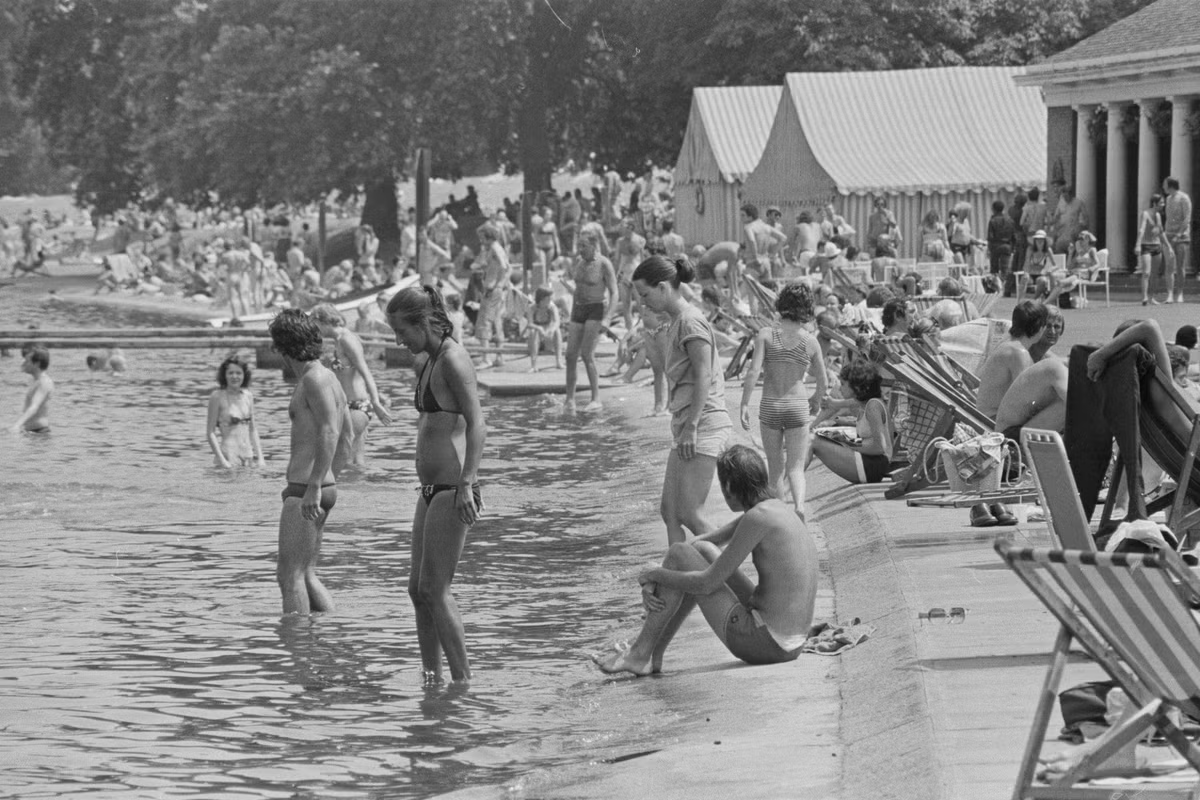
The UK is set to bake in a record-breaking heatwave that will see temperatures higher than the infamous 1976 heatwave - but how will this year’s weather compare to the record-setting spell?Britain is bracing for a record-breaking heatwave this week, with temperatures set to surpass the historic June 1976 peak by several degrees Celsius.The Met Office has issued a rare "red warning", anticipating highs of 39C across parts of the South and South East on Wednesday and Thursday. This would shatter the 1976 June record of 35.6C by more than 3C.This extreme weather coincides with the 50th anniversary of the 1976 heatwave, an event remembered for people putting foil over windows, forced use of street standpipes due to water shortages, failed harvests, and rising food prices.Here we take a look at the 1976 heatwave and its impact on the country.What was the 1976 heatwave really like?In the summer of 1976, Britons sweltered in one of the longest heatwaves in living memory, with 15 consecutive days hitting 32C or higher.There was a significant drought with no rainfall recorded for 36 days across the whole of England and Wales between June and August that year.The River Thames in London during the 1976 drought (PA)The dwindling water supplies led to the passing of a Drought Act, water rationing and the use of standpipes.In south-east Wales, conditions were so severe that supplies were cut off for 17 hours a day for up to 11 weeks, and 70 companies in the area were ordered to halve water consumption.The harsh conditions took their toll on agriculture, with £500 million worth of crops destroyed, resulting in soaring food prices.Subsidence was also a problem as the ground became increasingly parched and insurance claims rose to £60 million.The 1976 heatwave was remembered for people putting foil over windows, forced use of street standpipes due to water shortages, failed harvests, and rising food prices (PA Wire)At the time, it was England and Wales’s driest summer since records began in 1766.The summer of 2018 is currently the second hottest on record, when a mean temperature of 15.76C was measured, followed by 2006, 2003 and 2022.Last summer saw four heatwaves and a hottest temperature of 35.8C recorded in Faversham in Kent, below the UK’s all-time high of 40.3C which was measured in July 2022.Last year saw consistently above-average temperatures throughout June and July and knocked the memorable summer of 1976 out of the hottest five UK summers on record, the weather service said.At the time, it was England and Wales’s driest summer since records began in 1766This year, England and Wales saw their warmest spring on record after a heatwave in May and six consecutive days where temperatures hit more than 30C.Met Office meteorologist Simon Partridge said climate change meant the extreme spells of weather were becoming “more frequent”.“That’s unfortunately just the way things are going at the moment and it doesn’t seem to be slowing down,” he said.A farmer tends to his drought-hit farmland at Broad Oak in Kent in 1976, which saw many failed harvests and food prices to riseProfessor Stephen Belcher, Met Office chief scientist, said: “Heatwaves in the UK are becoming more frequent and intense.“This week’s red extreme heat warning issued today, as we mark the 50th Anniversary of the 1976 heatwave is a stark reminder of the trajectory we are on.“The duration of the extreme heat combined with high humidity will present severe challenges for communities and the health of individuals.”
Water droughts to ruined harvests: What 1976 heatwave was really like
The record for the hottest June temperature of 35.6C was set in 1976 in Southampton
574 words~3 min read