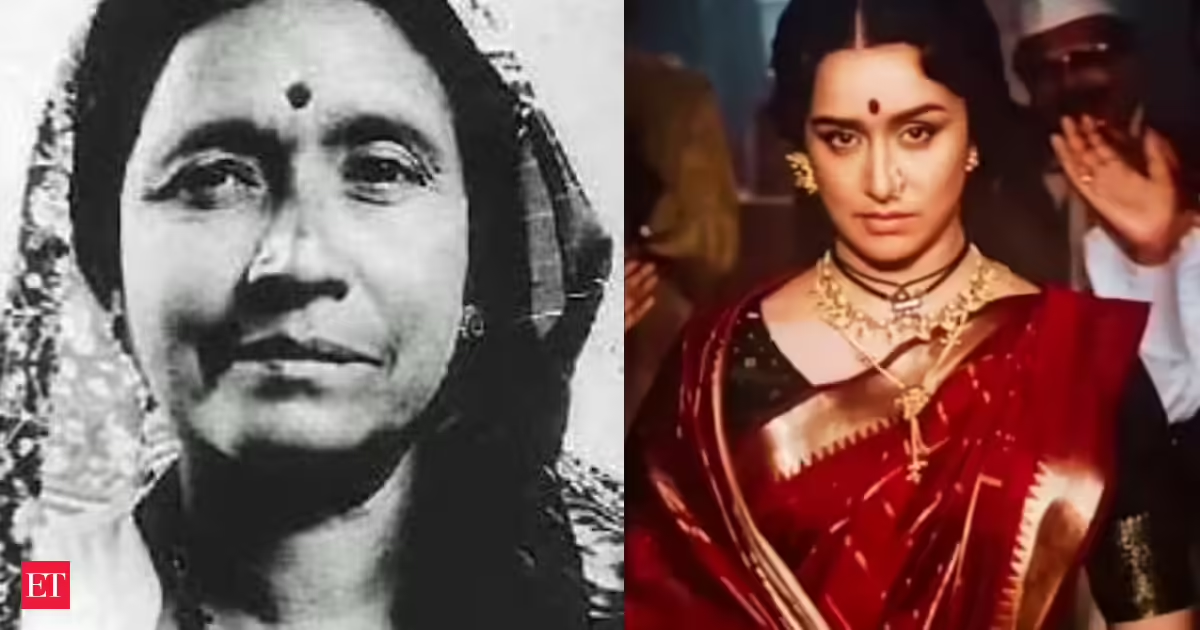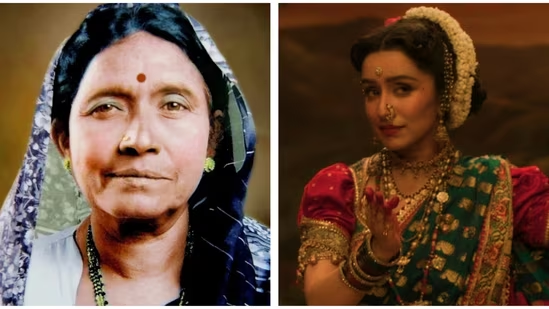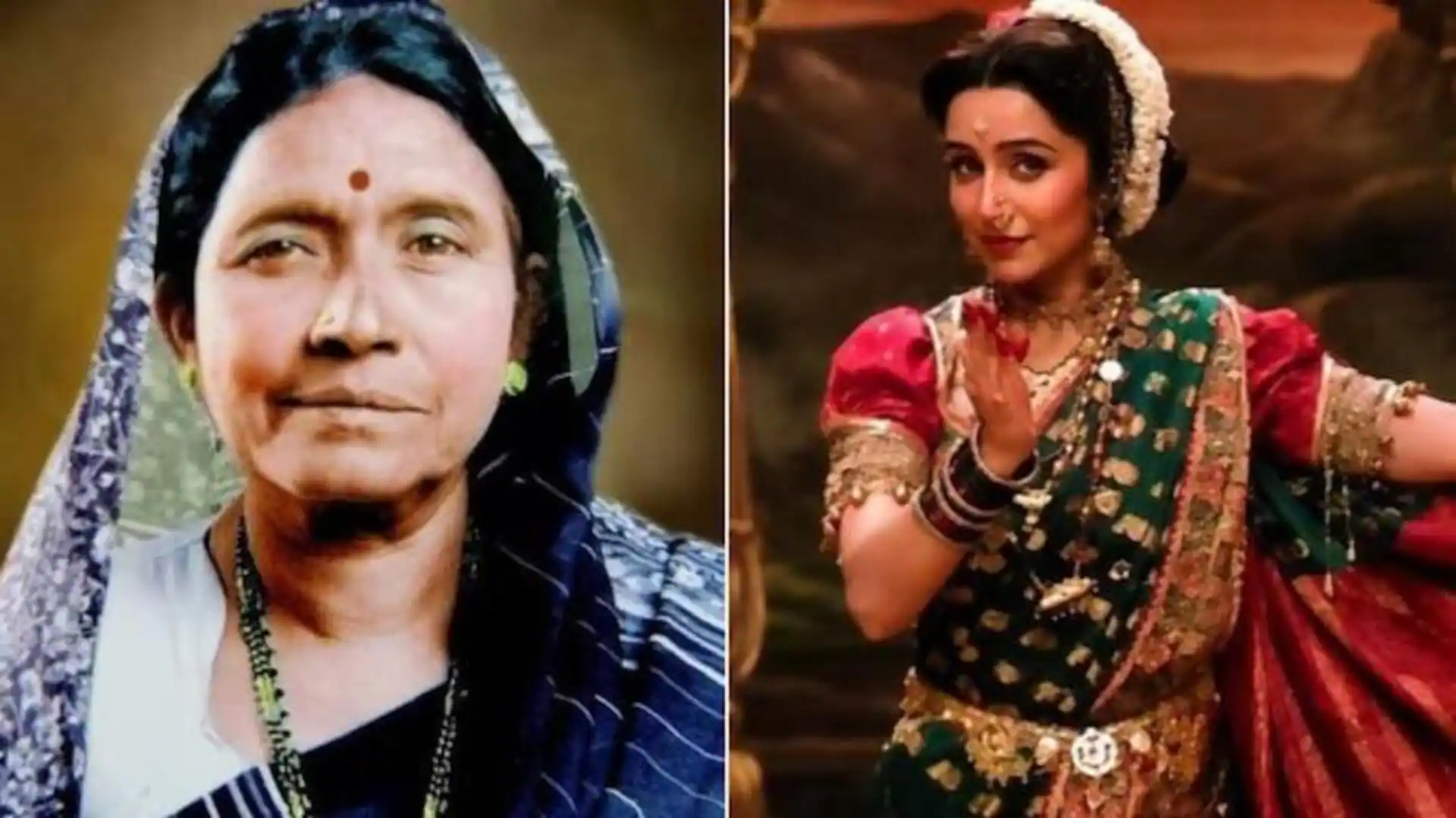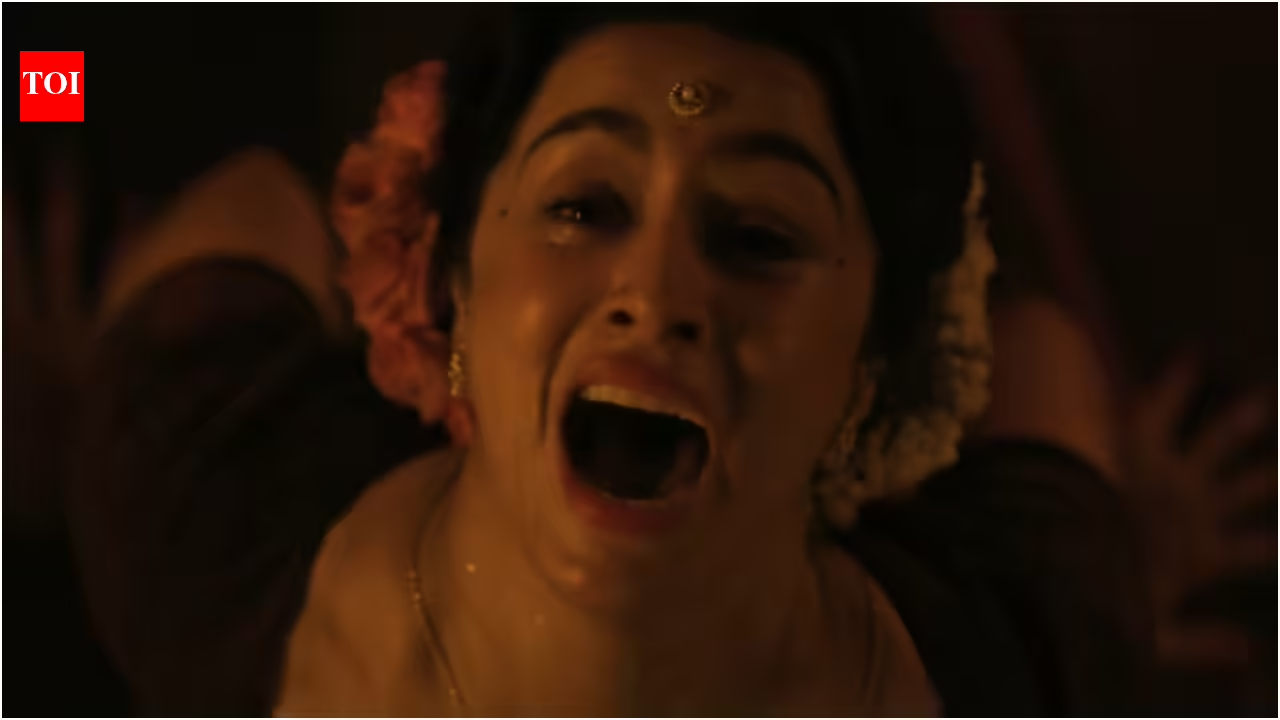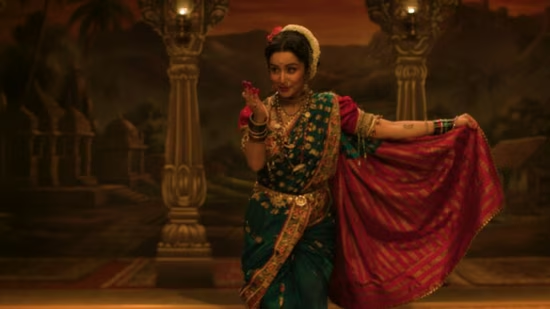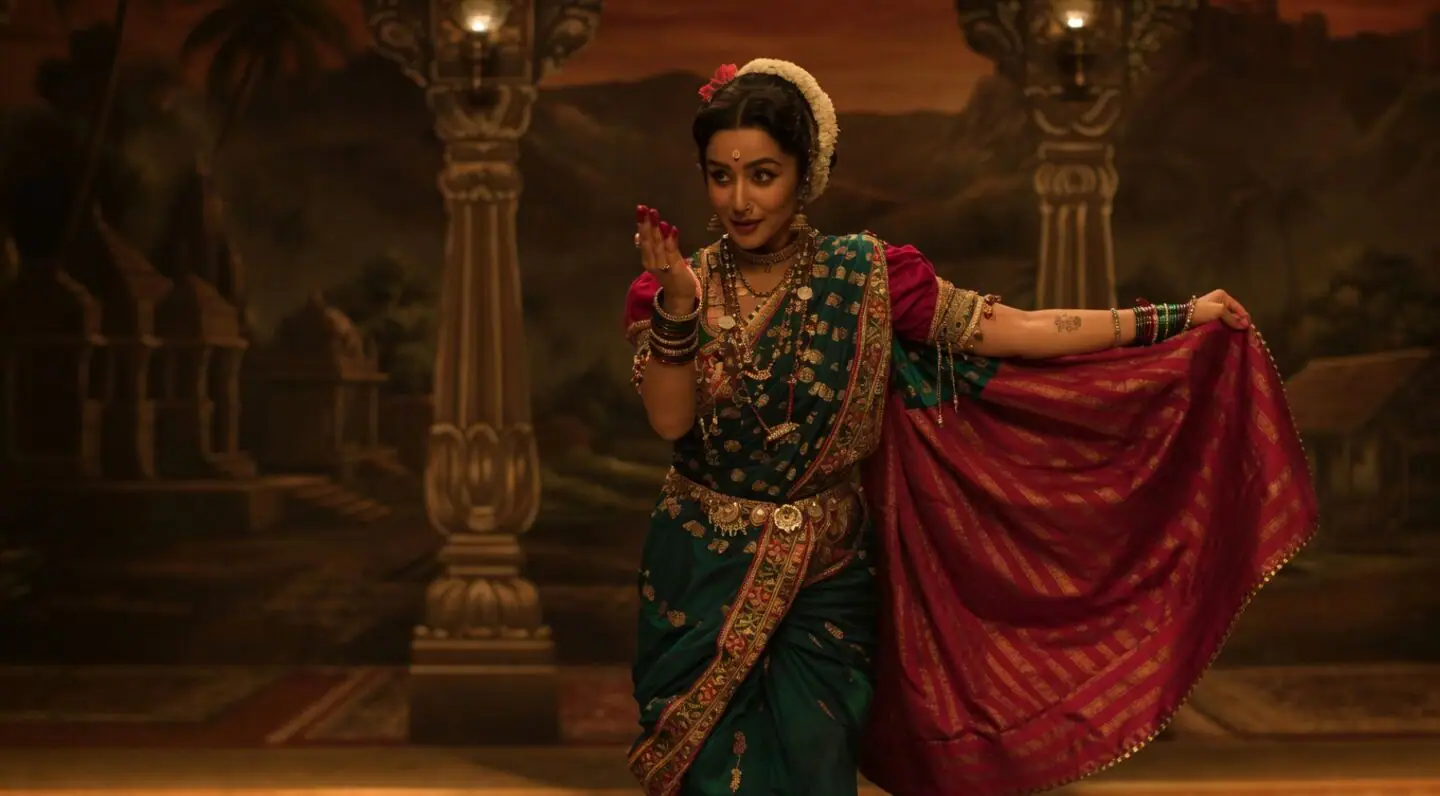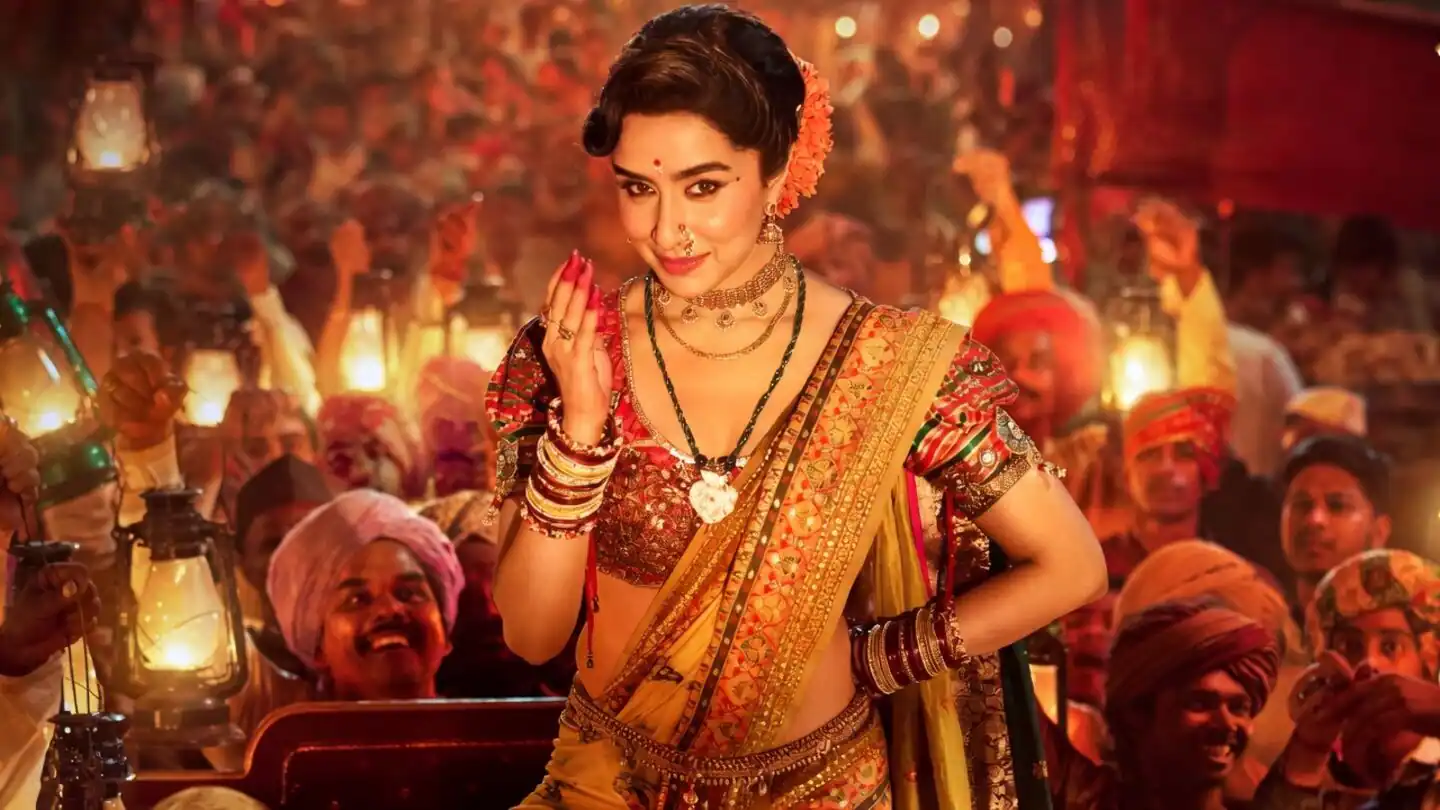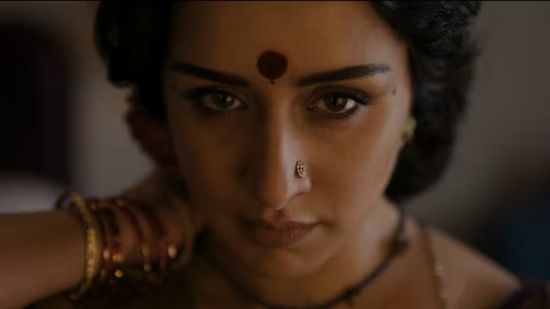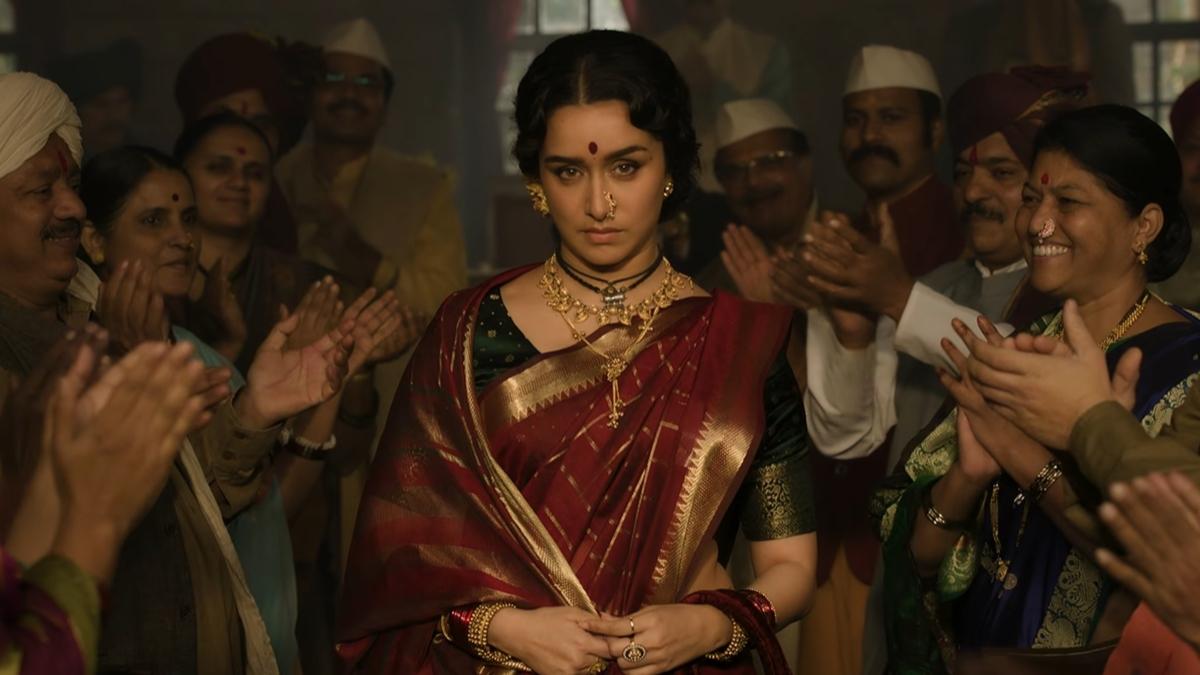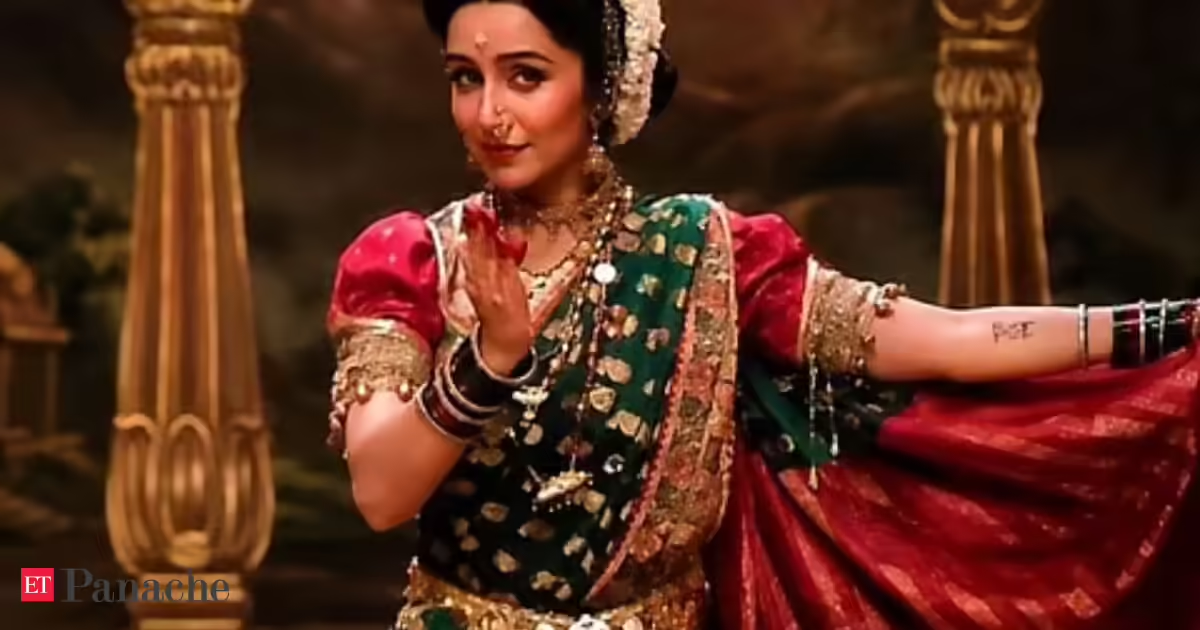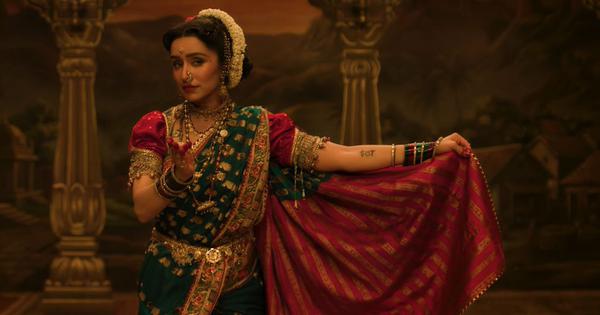
The lusty whistling of the audience calling out her name drowns her howls as she pushes out her baby backstage. Though still in pain, her ears are trained on the dholki players and the pedal harmonium. The crowds can’t wait any longer. Minutes after undergoing labour, a sari tied tightly around her abdomen, she steps onto the stage.The woman is Vithabai Narayangaonkar, one of Maharashtra’s greatest tamasha artists. She is played by Shraddha Kapoor in Laxman Utekar’s forthcoming biopic Eetha. The infant born in dramatic circumstances is Kailash Narayangaonkar, now 64 years old and still carrying the story that is inseparable from his mother’s legend.The recently released teaser of Eetha begins with Kailash Narayangaonkar’s birth on June 3, 1962, in Shikhar Shingnapur village in Maharashtra’s Satara district. By capturing the relentless demands of an art form that often consumed the lives of those who sustained it, the teaser has reopened a conversation extending beyond cinema.The Hindi movie, scored by Ajay-Atul, will be released on August 28 in cinemas. Like Utekar’s Chhaava (2025), Eetha is a Bollywood biopic of a cultural icon in Maharashtra.Vithabai Narayangaonkar. Vithabai was born in Pandharpur on July 1, 1935, into a Dalit Mang family steeped in tamasha, the performance tradition that combines music, dance, satire poetry and social commentary. Vithabai rose through the travelling circuits of rural Maharashtra to become one of the most commanding figures the form has known.Her powerful singing, lacerating wit and electrifying stage presence drew admirers from across the state. She received the Presidential medal twice, in 1957 and in 1990, for her contribution to folk culture.Vithabai died on January 15, 2002. She devoted herself to tamasha with a ferocity that her children remember with pride and astonishment.“My mother was never the soft, cuddly sort,” Kailash Narayangaonkar told Scroll. “That kind of unconditional love she reserved for her art. Nothing else came close.”Several of Vithabai’s eight children followed her on to the stage, including her daughters Mangala Bansode – a legend in her own right – Malati Inamdar, Bharti Sonawane and the late Sandhya Mane. Kailash Narayangaonkar and his sons, Rohit and Mohit, run the Vithabai Bhau Mang Narayangaonkar troupe in challenging circumstances.The clan is approaching Eetha with cautious hope. Mohit Narayangaokar said that apart from sharing a few photographs of Vithabai with producers Maddock Films and Kathputli Creations, the family members haven’t signed a formal contract for the adaptation.Laxman Utekar and Maddock Films didn’t respond to queries by Scroll about the film’s treatment.Eetha (2026). Courtesy Maddock Films/Kathputli Creations.While accepting that Eetha will take “creative liberties,” Mohit Narayangaokar said, “We hope that the film remembers her as she was. My grandmother was extraordinary, but she was also unapologetically human.”Vithabai was known as “Tamasha Samradni”, or the Empress of Tamasha. The adoring public knew Vithabai as much for her artistry as for her formidable repartee.“People remember her stage presence for a reason – that energy and command cannot be taught,” Mangala Bansode told Scroll. “But nothing matched her razor-sharp tongue, which left people bloodied.”The actor Nilu Phule once narrated an anecdote about Vithabai. During a performance, Vithabai told an actor exiting the stage, tikde pohchun ek Pathan paathav (send a Pathan when you reach there), to set up the next act. An audience member crudely called out, bai la Pathan lagto vaatata (looks like she needs a Pathan). Without missing a beat, Vithabai fixed her gaze on the heckler and improvised, send not one but two Pathans – one for me and one for his mother.Mohit Narayangaonkar recalls another incident from 1981, when a fuel shortage made it difficult for travelling tamasha companies to sustain their tours. A delegation of artists approached chief minister AR Antulay through Vithabai.“When he saw her in the delegation, he immediately sanctioned subsidised diesel for registered tamasha troupes,” Mohit Narayangaonkar said. “She’d never have used influence for herself, but it shows the kind of respect she commanded.”That influence rested not only on fame but also on artistic conviction. Despite an abusive marriage and phases of severe hardship, Vithabai resisted the growing tendency to reshape tamasha and its adjacent form, lavani, according to cinematic tastes.Several troupes embraced film songs based on lavani and abbreviated performances. Numerous Marathi films explored the world of tamasha. But Vithabai remained committed to the form’s traditional structure, Mangala Bansode said.“She was strongly opposed to the cinematic appropriation of lavani,” Bansode added. “She insisted on the traditional repertoire of gan, gaulan, vagh and bol-batavni. She wanted audiences to experience tamasha in its complete form.”Before Eetha, Vithabai’s life inspired the Marathi play Vitha, by Shantanu Ghule, as well as a Marathi biopic, also titled Vitha. Directed by Pundalik Dhumal and starring Urmila Kanetkar in the lead role, the movie was completed over a decade ago but never released.
‘Eetha’ and the long fade of the tamasha tradition in Maharashtra
Laxman Utekar’s Hindi film, starring Shraddha Kapoor as the legendary Vithabai Narayangaonkar, has reopened a conversation that extends beyond cinema.
1,406 words~6 min read