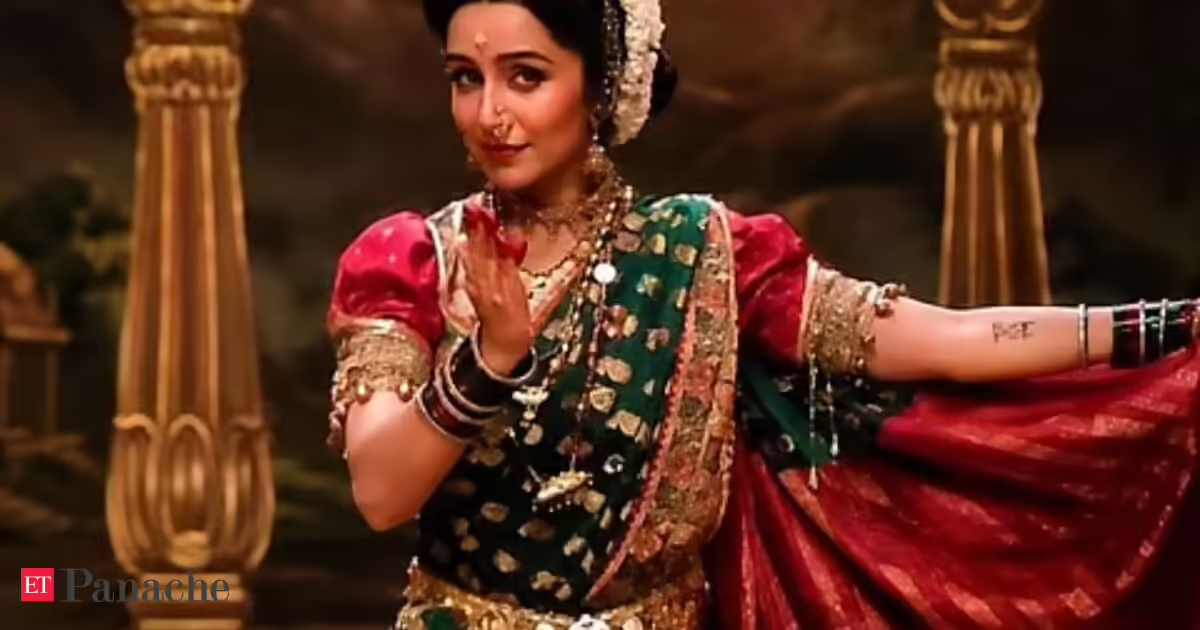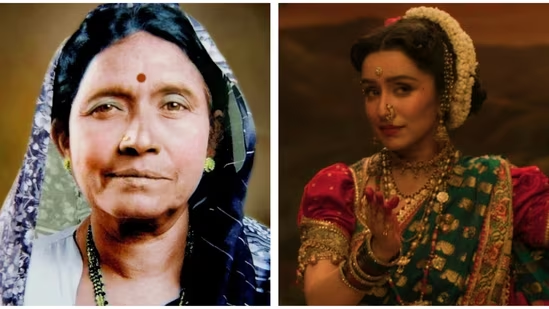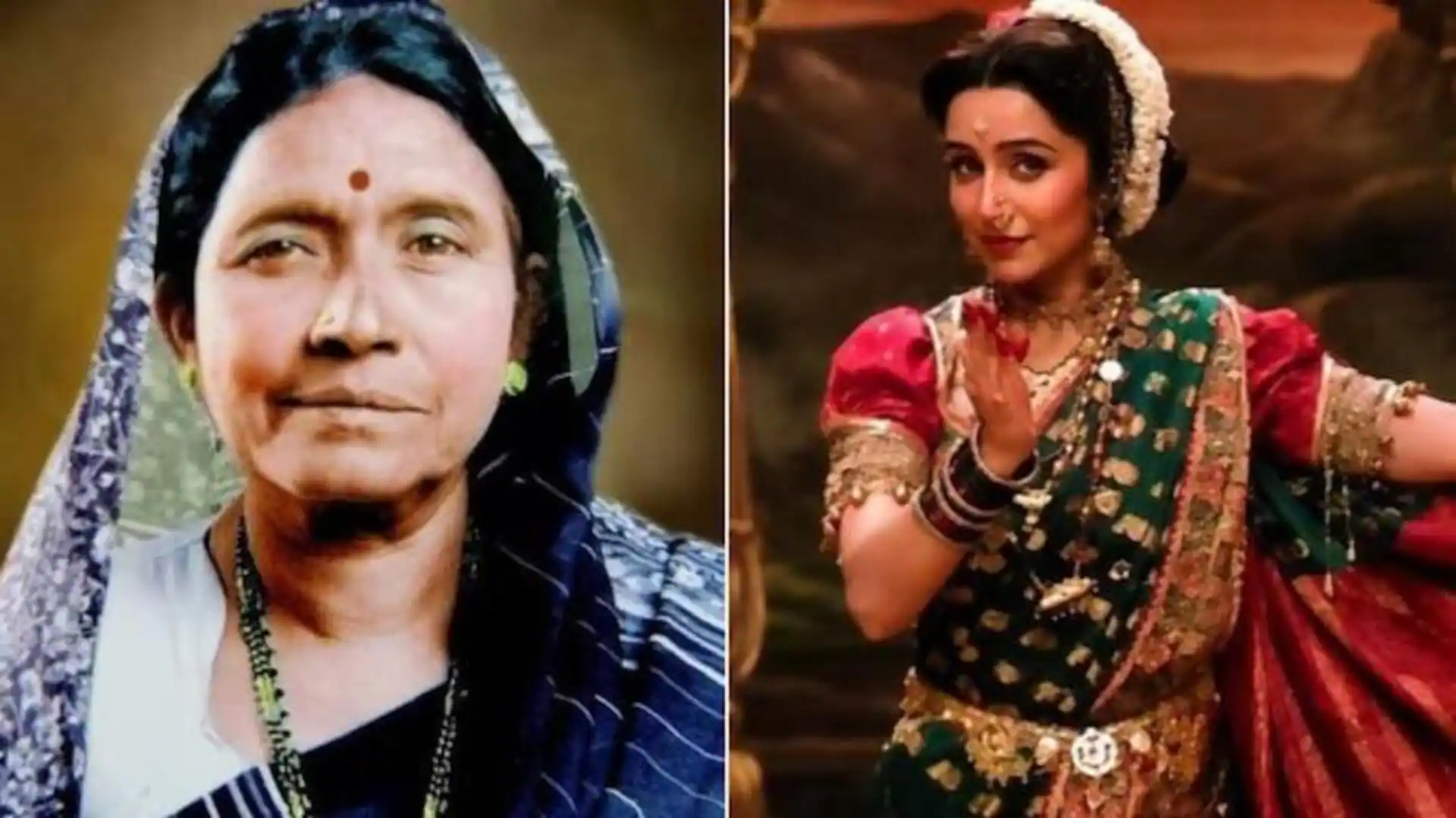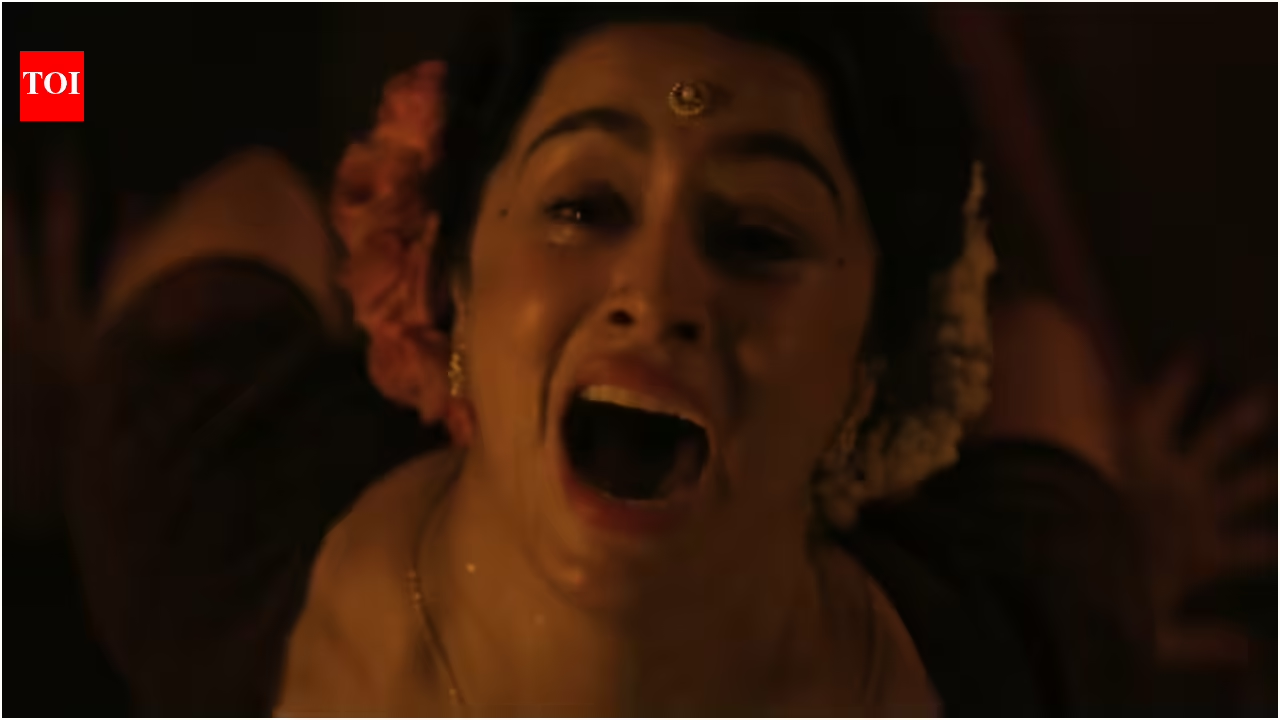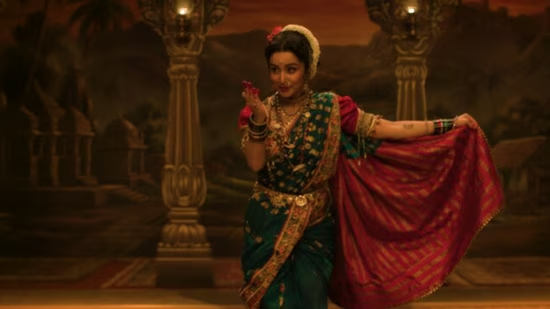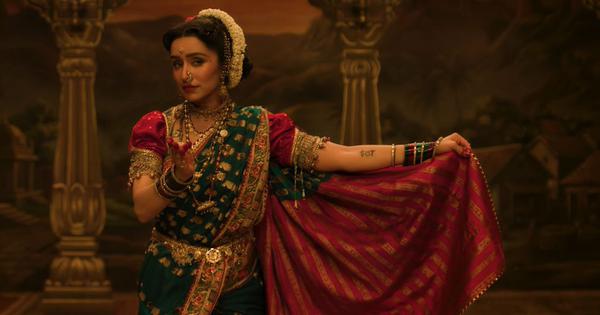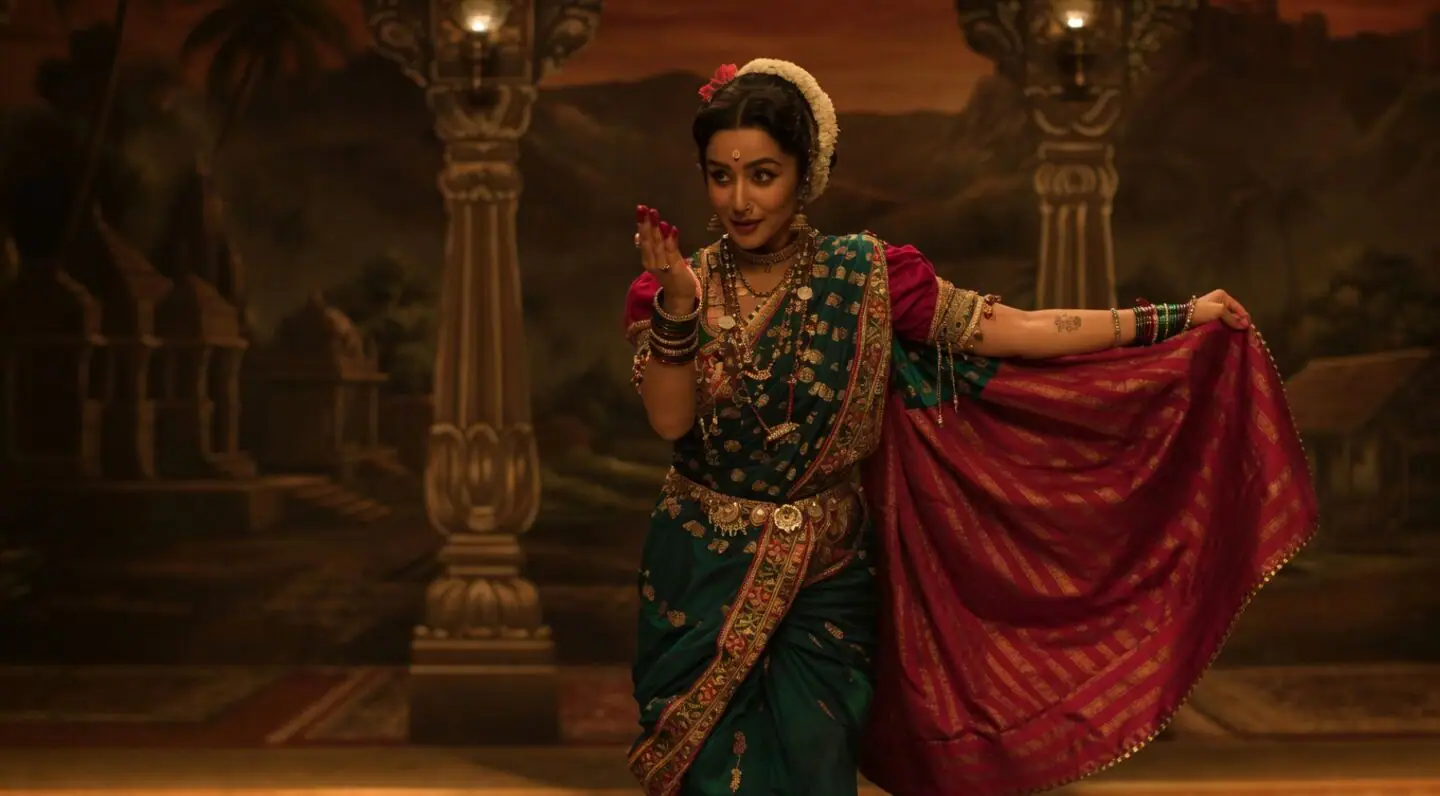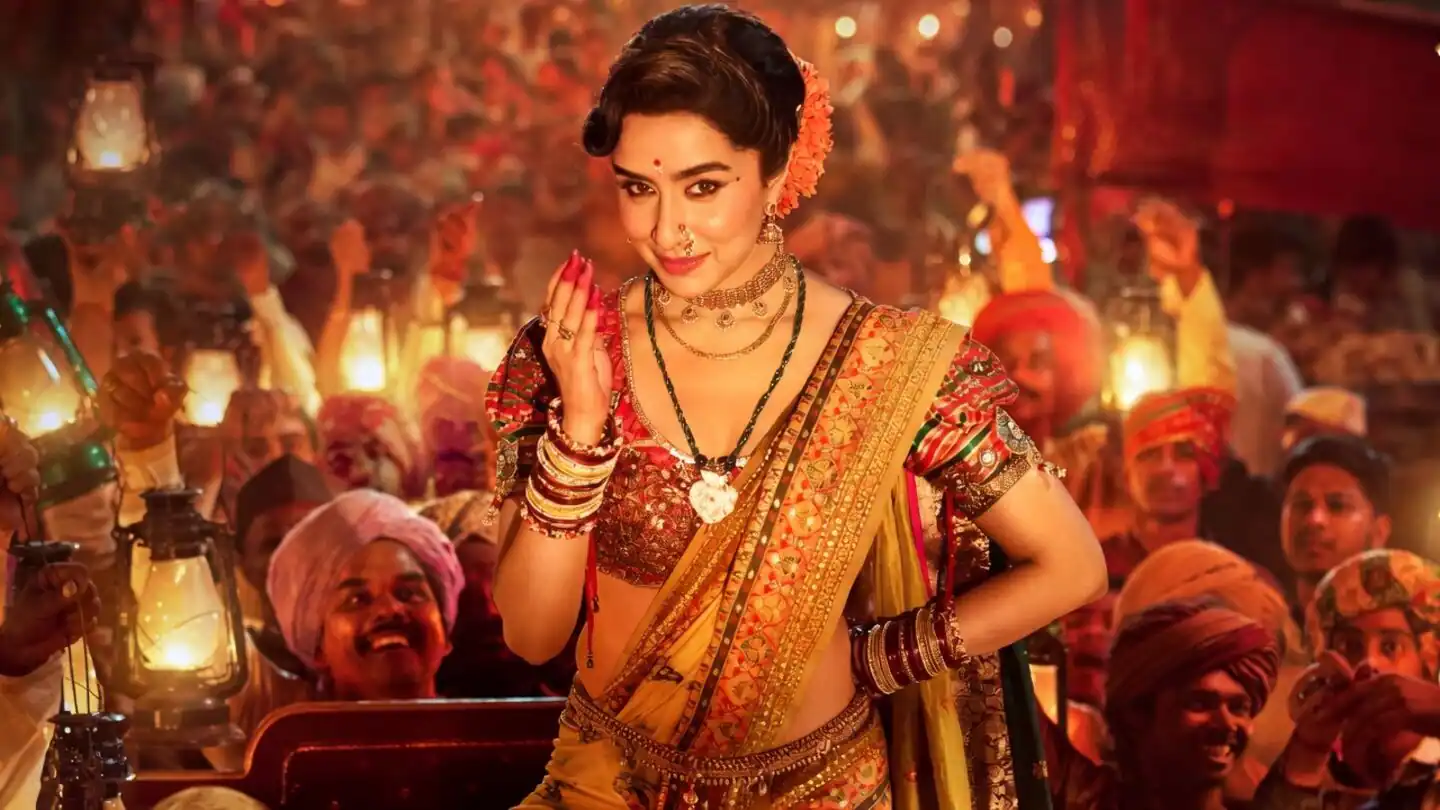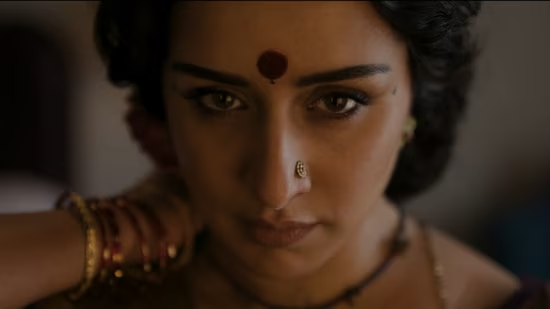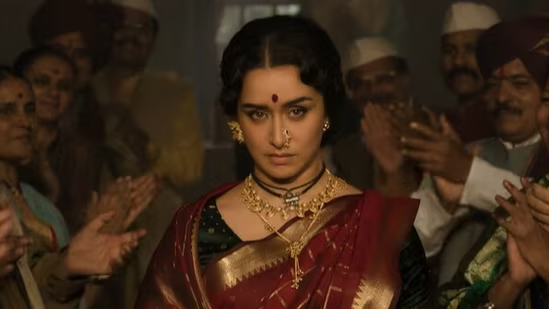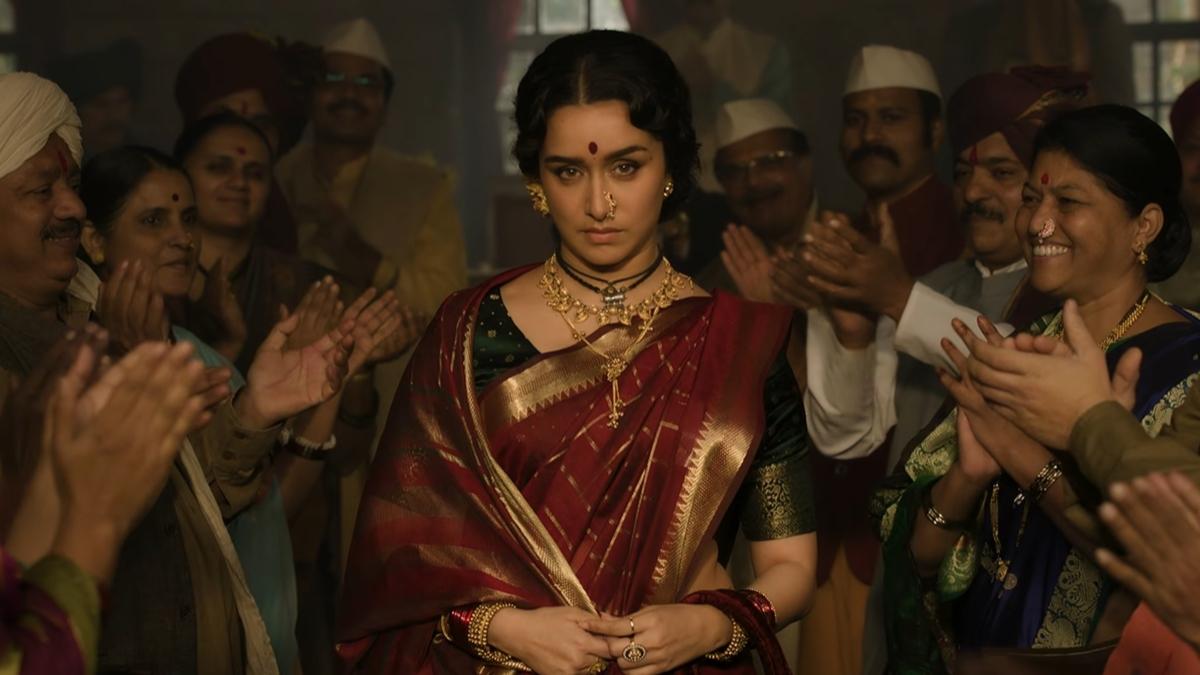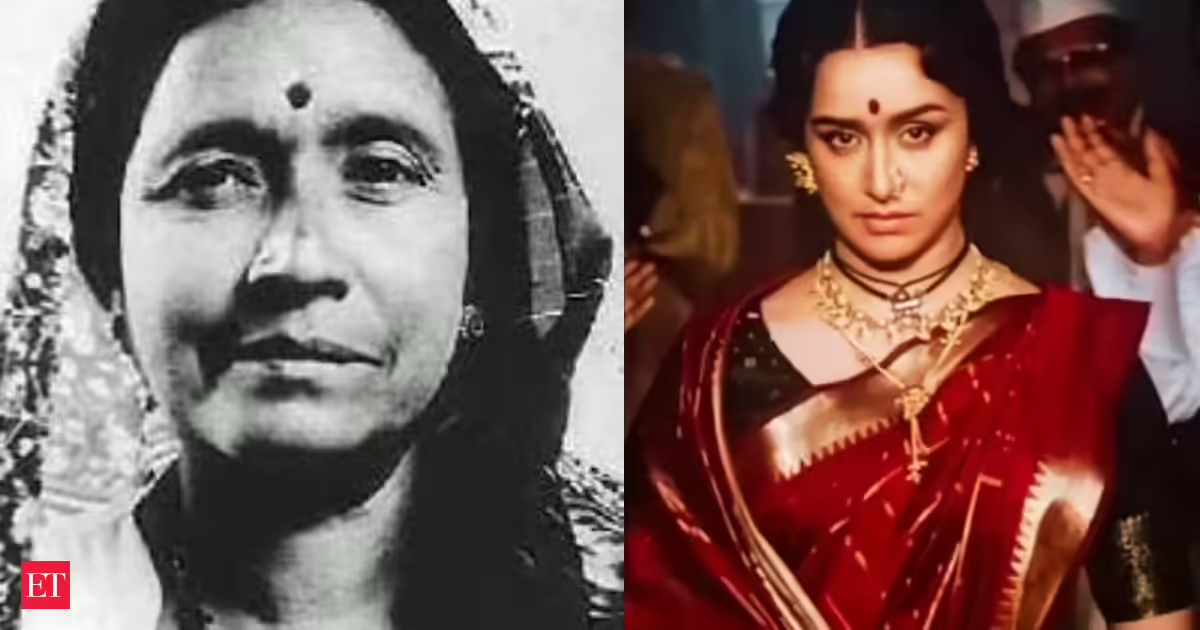
A woman walks off stage in the middle of a tamasha performance. Minutes later, she gives birth backstage and prepares to return to entertain her audience. It sounds unbelievable, but this story has long been associated with legendary tamasha and lavani artiste Vithabai Narayangaonkar.The recently released teaser of Eetha, starring Shraddha Kapoor, has reignited interest in the life of the iconic folk performer. From becoming one of Maharashtra's most celebrated tamasha artistes to facing financial struggles in her final years, her life was marked by resilience, passion and dedication to folk art.Vithabai Bhau Mang Narayangaonkar was born on 1 July 1935 in Pandharpur, in Maharashtra's Solapur district. She belonged to a family deeply connected to the tamasha tradition.Her grandfather, Narayan Khude, founded a travelling tamasha troupe, which was later run by her father Bhau Bapu Narayangaonkar and other family members. Growing up in this environment, Vithabai was introduced to folk performance forms such as Lavani, Gavlan and Bhedik songs from a very young age.Although she was not academically inclined and had no formal acting training, she displayed exceptional talent on stage. Performing before live audiences across Maharashtra became her classroom, helping her develop into a powerful performer.How Did Vithabai Become a Tamasha Star?A major turning point in her career came when noted Marathi playwright Mama Varerkar watched her perform.Impressed by her natural stage presence, he encouraged her and provided opportunities that helped refine her performance skills. Over the years, Vithabai became one of the biggest names in Maharashtra's folk theatre scene.Her powerful voice, commanding stage presence and ability to connect with audiences earned her immense popularity. Fans eventually began calling her "Tamasha Samradni" or the Empress of Tamasha.What Is the Famous Childbirth Story Associated With Vithabai?Among the many stories linked to Vithabai's life, one incident has become legendary.According to accounts widely associated with her life, she was nine months pregnant when labour pains began during a tamasha performance. Instead of abandoning the show altogether, she reportedly went backstage and delivered her baby.The story further states that she cut the umbilical cord with a stone and prepared to return to the stage. When audience members realised what had happened, they stopped the performance and urged her to rest instead.Whether remembered as folklore or historical fact, the incident has become a symbol of Vithabai's extraordinary commitment to her art and is one of the key moments recreated in Eetha.Why Did Vithabai Choose Tamasha Over Films?As her popularity grew, opportunities from the film industry also came her way. However, Vithabai remained devoted to tamasha, the art form that had shaped her identity from childhood.Rather than pursuing a full-time career in cinema, she continued travelling with her troupe and performing before live audiences. Her decision helped preserve and popularise traditional folk theatre during a period when modern entertainment was increasingly attracting public attention.What Awards and Honours Did Vithabai Receive?Vithabai's contribution to Indian folk art earned her widespread recognition.According to published records, she received honours from the President of India in 1957 and again in 1990 for her contribution to tamasha and folk performance.Her troupe also received prestigious recognition, further cementing her status as one of the most influential figures in Maharashtra's cultural history.Over time, she became synonymous with tamasha itself and was regarded as one of the art form's greatest ambassadors.Did Vithabai Face Financial Difficulties?Despite her fame and numerous honours, Vithabai's later years were reportedly marked by financial hardship.Several accounts suggest that she struggled economically and did not receive the level of support many believed she deserved after dedicating her life to preserving traditional folk art. Reports have stated that donations were collected to help cover some of her hospital expenses.Her story has often been cited as an example of how folk artistes can achieve immense cultural recognition while continuing to face financial insecurity.How Is Vithabai Narayangaonkar Remembered Today?Vithabai passed away in 2002, but her legacy continues to influence generations of performers.To honour her contribution, the Government of Maharashtra instituted the Vithabai Narayangaonkar Lifetime Achievement Award in 2006. The award recognises artistes who have made significant contributions to the preservation and promotion of tamasha and related folk traditions.Several noted performers have received the honour over the years, ensuring that Vithabai's impact on Maharashtra's cultural landscape remains alive.Why Is Eetha Bringing Vithabai's Story Back Into Focus?With Eetha, a new generation is discovering the life of a woman who dedicated herself completely to her art.The film's teaser has drawn attention not only because of Shraddha Kapoor's transformation into the folk icon but also because it highlights the struggles, sacrifices and achievements of one of Maharashtra's most celebrated performers.More than a biopic, Eetha shines a light on the life of an artiste whose story reflects determination, cultural pride and an unwavering commitment to preserving one of India's oldest folk traditions.Source: This article is based on publicly available biographical records, published accounts of Vithabai Narayangaonkar's life.
Shraddha Kapoor's Eetha movie: The real-life story of Vithabai Narayangaonkar, the fearless Lavani and Tamasha icon who rose from struggle to legend
Eetha Real Story: A new film, 'Eetha,' starring Shraddha Kapoor, revives interest in the legendary Vithabai Narayangaonkar, the 'Empress of Tamasha.' Her life was a testament to resilience, marked by a famous childbirth incident during a performance and unwavering dedication to folk art, even over film opportunities. Despite facing financial struggles later in life, her legacy endures through an award in her name, celebrating her profound impact on Maharashtra's cultural heritage.
808 words~4 min read