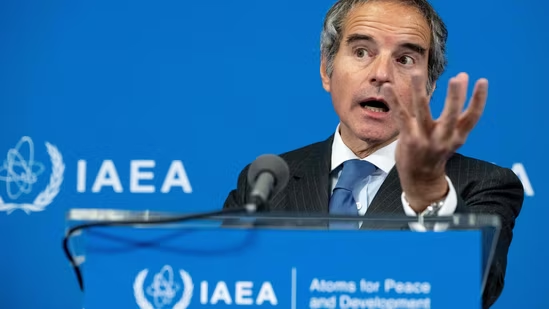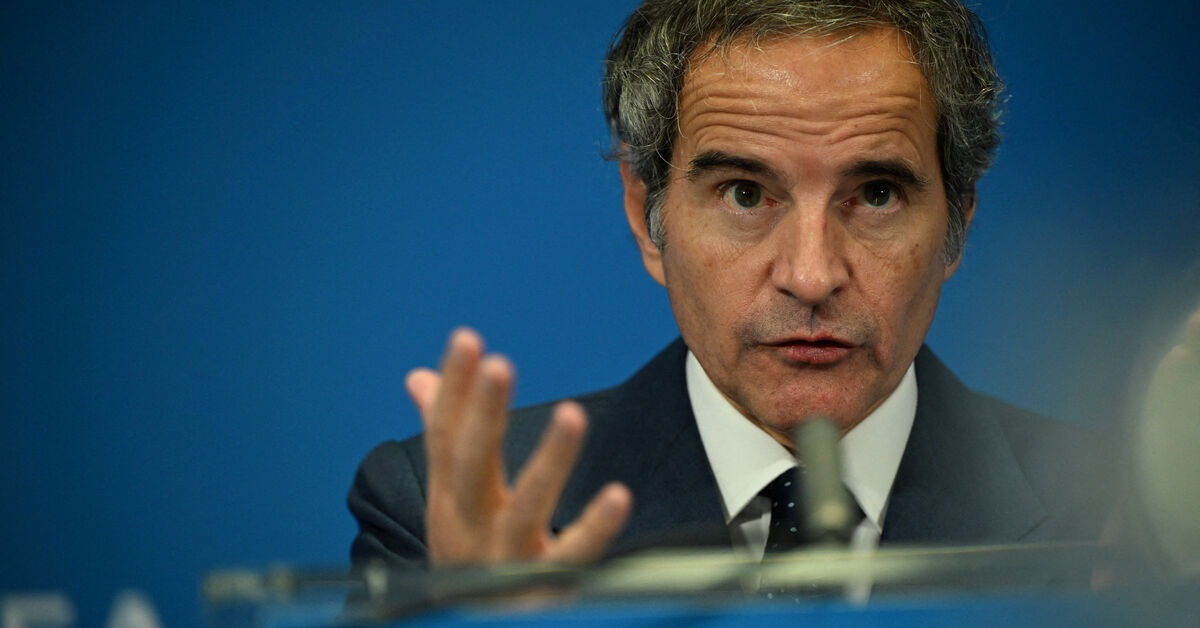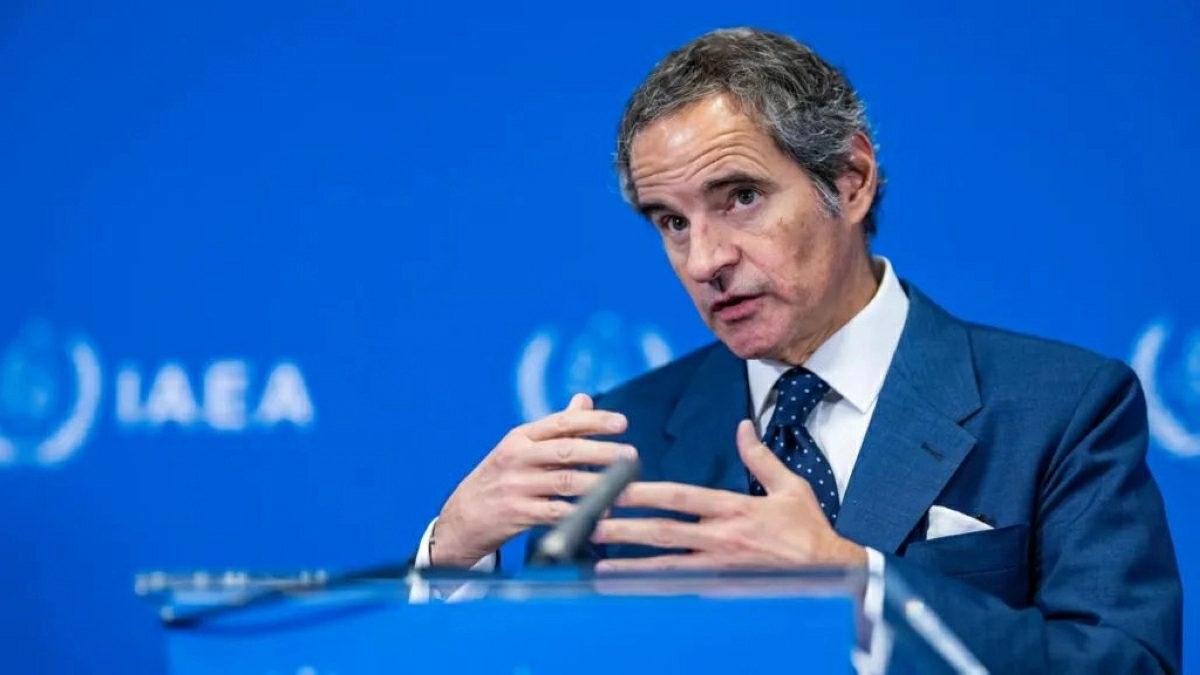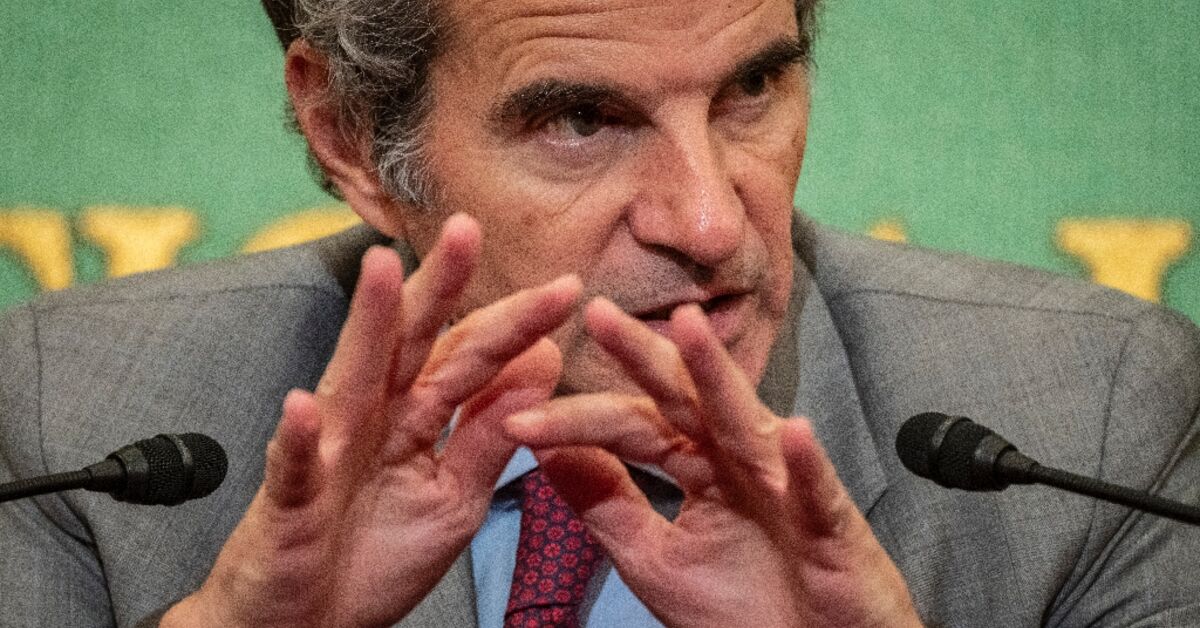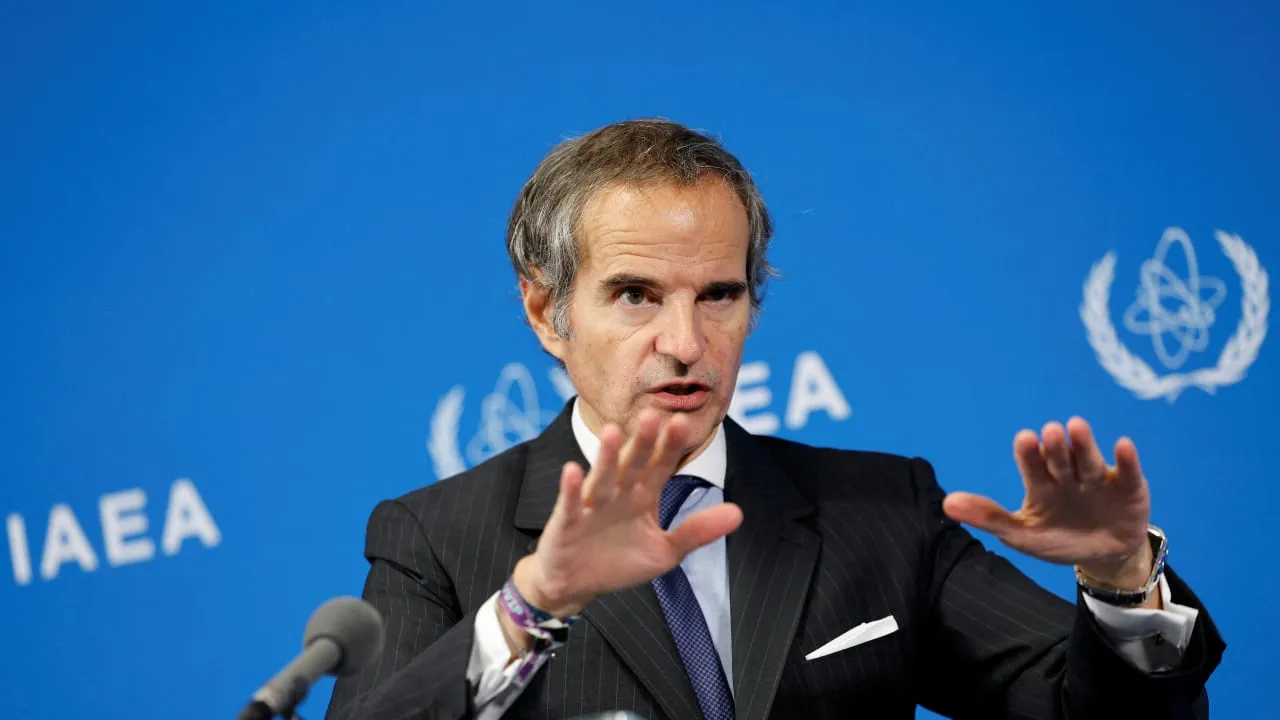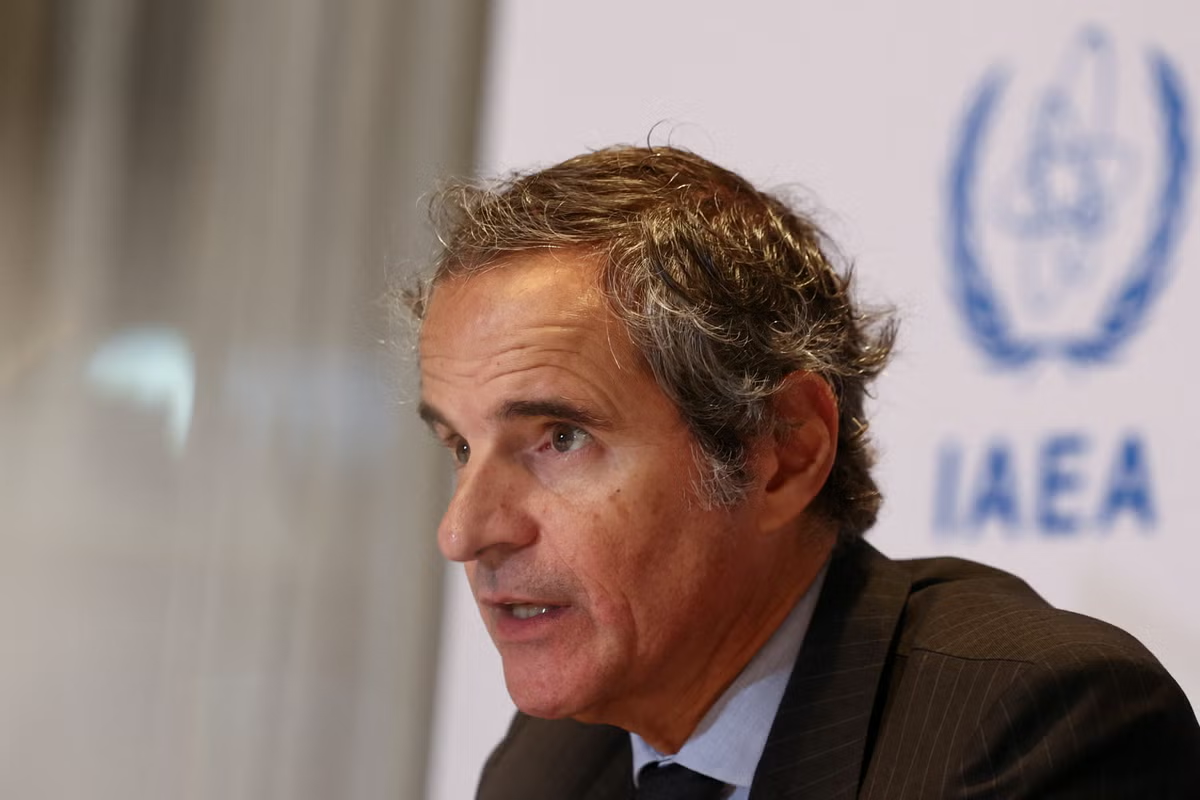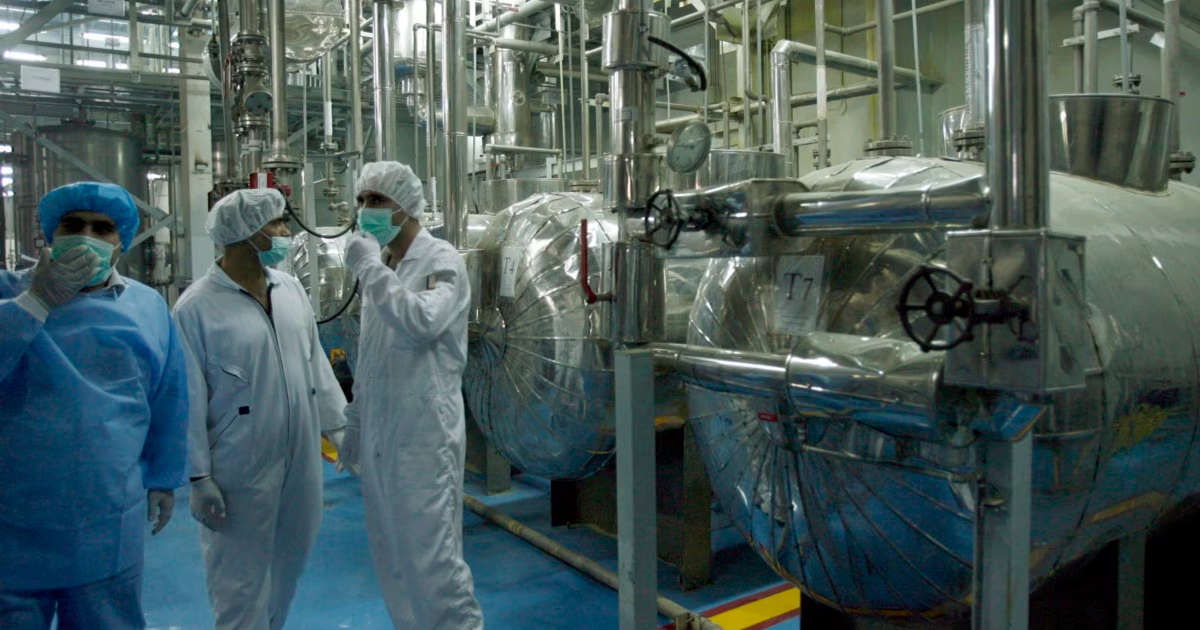
Amid an ongoing row between Washington and Tehran over whether international monitors can verify Iranian compliance with its nuclear nonproliferation commitments, former officials have told RFE/RL that the scale, scope, and degree of access are crucial to the success of inspections.Details on those have yet to be determined, though Raffael Grossi, head of the International Atomic Energy Agency (IAEA) said the UN body "will be working on the modalities -- dates, procedures, places -- very soon."That doesn't mean, according to experts, that the organization hasn't already drawn up a wish list for any eventual inspections."They almost certainly have a plan for when they go back in, what the priorities are, where they would want to go first, second, third," Laura Rockwood, a former IAEA negotiator on Iran, told RFE/RL."The key thing is to find out where in particular the enriched uranium is.... I'd be willing to bet you that they have in place a plan for the day they need to go back in," added Rockwood, who took part in high-level negotiations on Iran during a 28-year career at the IAEA before retiring in 2013.
Downblending UraniumWhile US President Donald Trump has said that Iran has agreed to the highest level of nuclear inspections and Iran says it has no plans to allow the inspections, point No. 8 of the US-Iranian memorandum of understanding (MOU) states the two sides have agreed on a "minimum methodology" that Iran's stocks of highly enriched uranium (HEU) will be "downblended on site under the supervision of the IAEA."But the details of this could also prove contentious."If IAEA inspectors were able to measure and characterize both the high and low enriched material before the downblending, then simple arithmetic gives a good sense of what the product is. They'd then want to measure to confirm, and seal that product for future accountability," Matthew Sharp, who served as director for Iran nuclear issues on the US National Security Council (NSC) from 2021-2022, told RFE/RL."If, on the other hand, Iran does the downblending itself and then provides the product to inspectors, it would be much more difficult to know how much HEU Iran started with, which could create uncertainties as to whether all of the 60 percent or other enriched material had been downblended or if some remained out of our awareness," said Sharp, now a senior nuclear fellow at the MIT Center for International Studies.Right now, the location of Iran's roughly 450 kilograms of HEU is unclear. After the US and Israeli air strikes, it could be buried under rubble in a bunker beneath a mountain, or the Iranian authorities may have moved some or all of it elsewhere to hide it.But if it can be successfully located and downblended, the next step is stopping Iran from re-enriching it again at a later date.Monitoring EnrichmentThe MOU says the two parties agreed "to discuss the issue of enrichment and other mutually agreed matters related to the Islamic Republic of Iran's nuclear needs, based on a satisfactory framework being agreed upon in the final deal."Experts told RFE/RL that verifying this must include a role for the IAEA."Any suspension on uranium enrichment is relatively meaningless if it cannot be verified and if the IAEA does not have the access to ensure that there are no covert nuclear activities related to enrichment going on elsewhere in the country," said Kelsey Davenport, director of nonproliferation policy at the Arms Control Association.