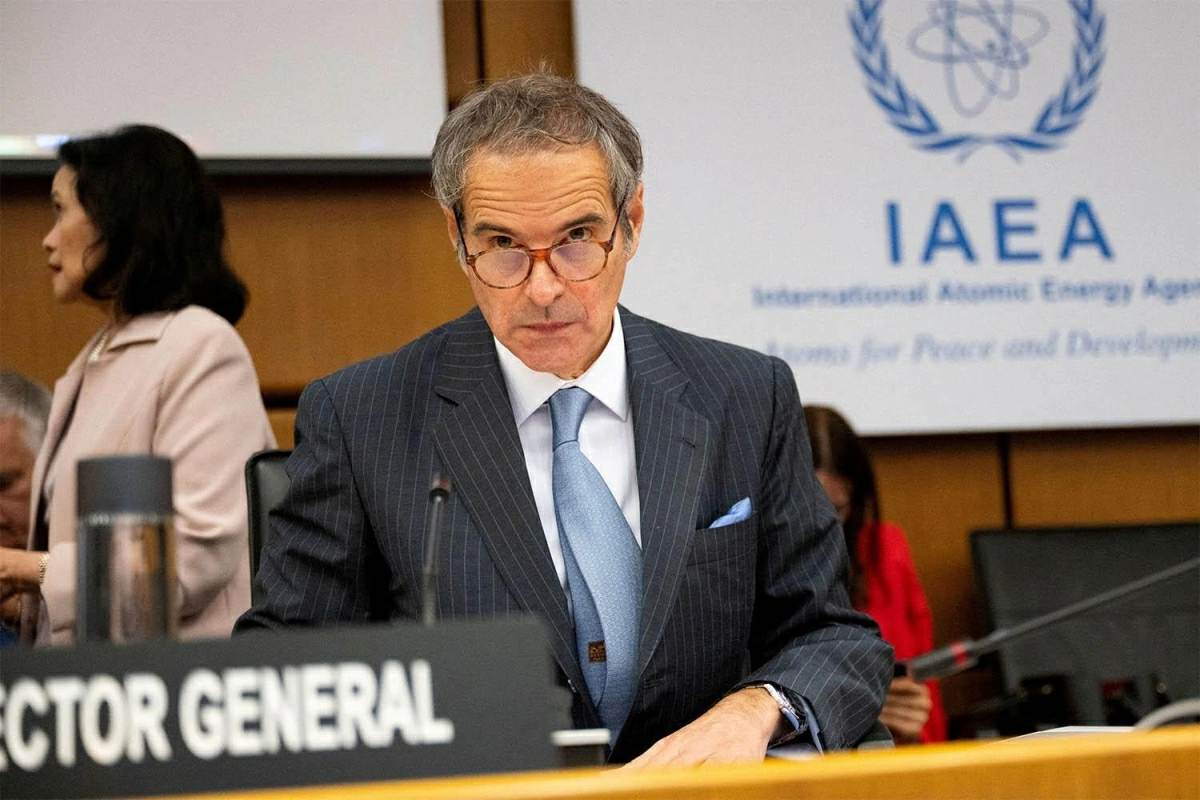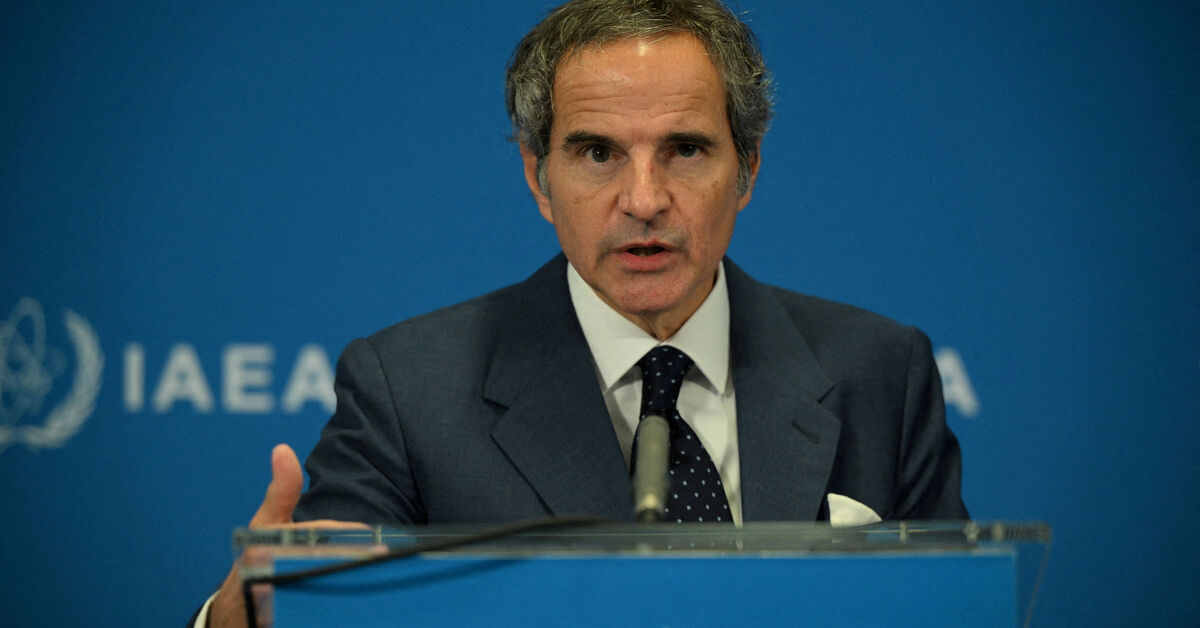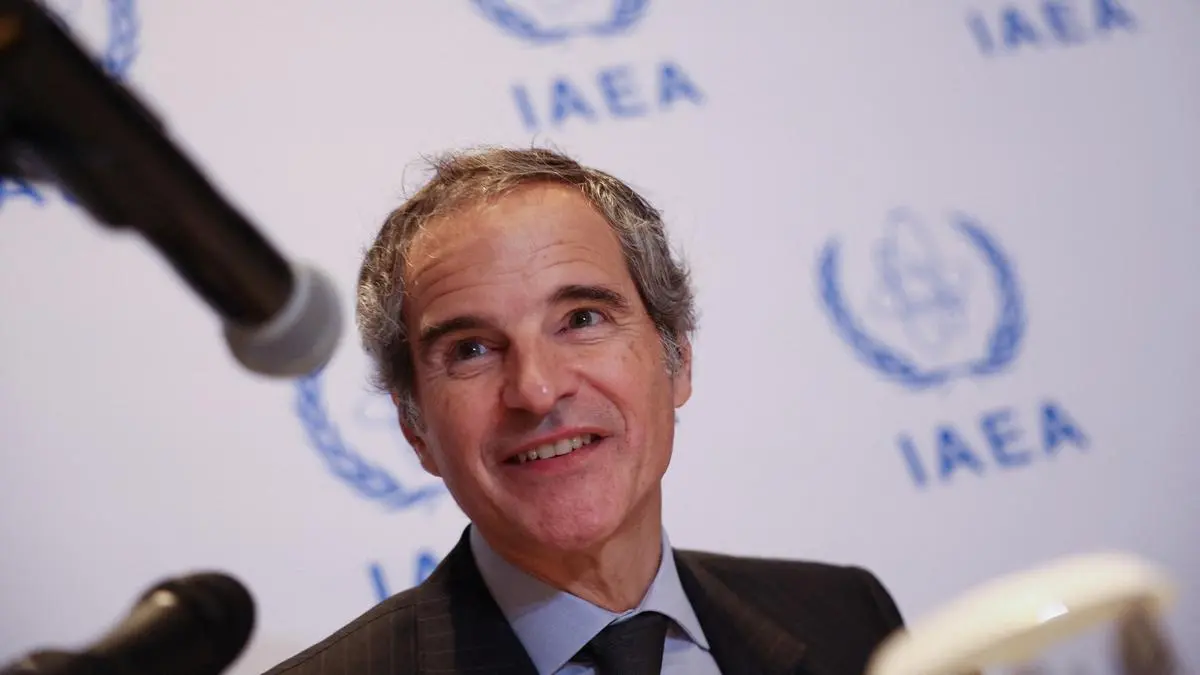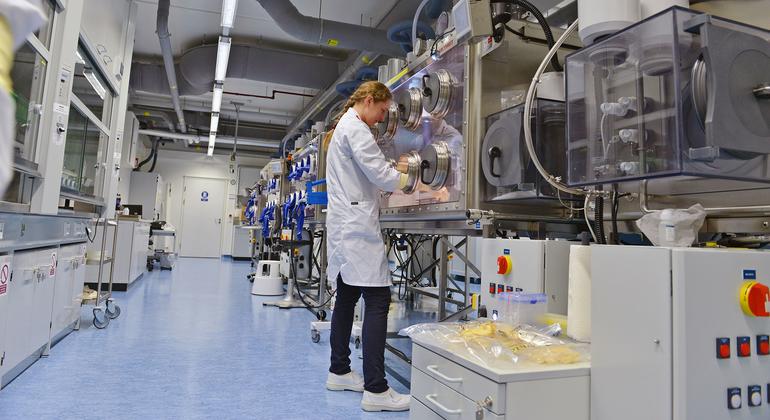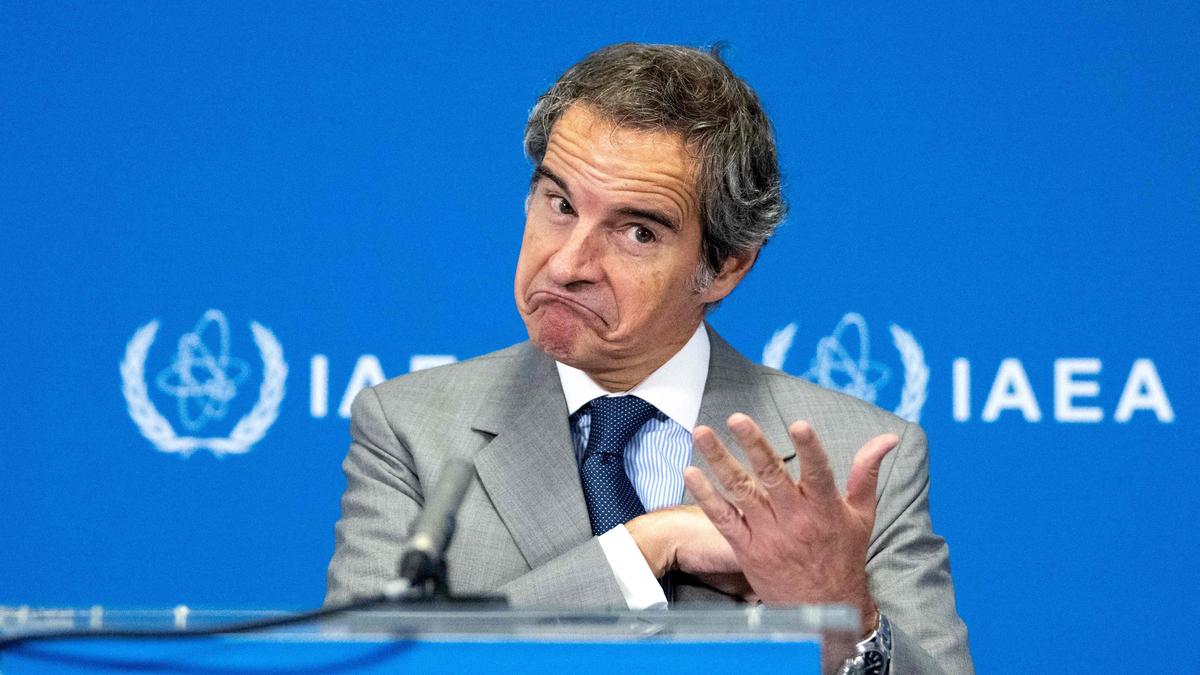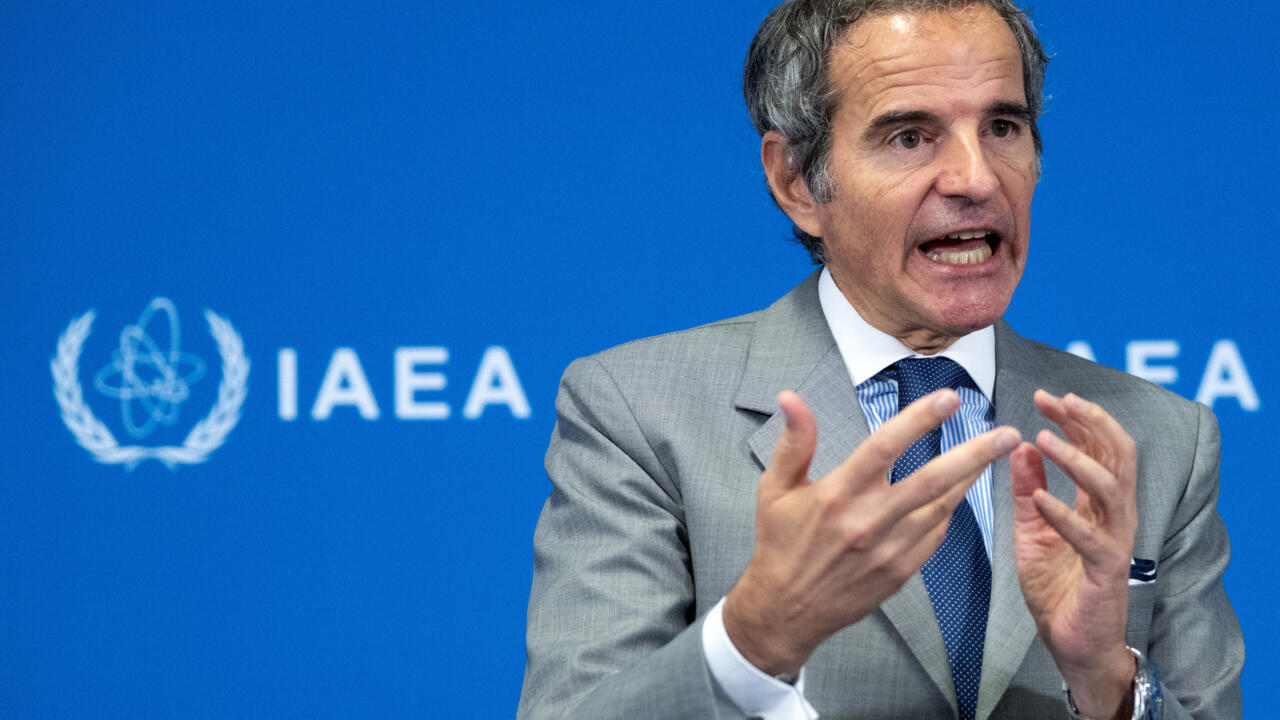
The International Atomic Energy Agency just got the green light to do what it does best: count centrifuges and verify promises. IAEA Director General Rafael Grossi announced on June 18 that the agency has begun technical work on nuclear verification following a peace deal framework between Iran and the United States.
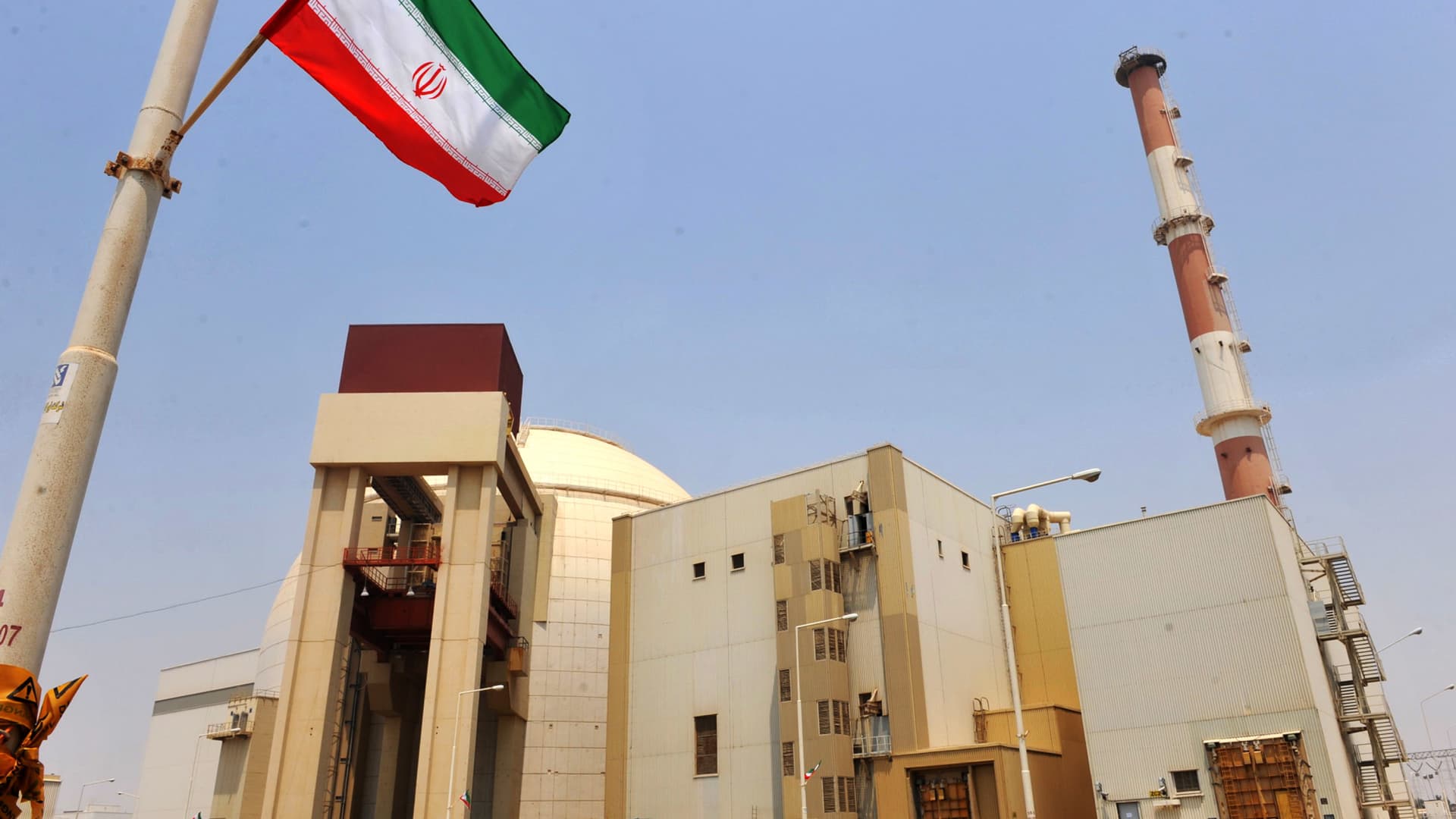
The agreement, brokered in part by Oman, commits Iran to downblending its enriched uranium stockpiles under IAEA supervision. Those stockpiles were reported at over 400 kg enriched to 60% purity as of May 2025.
From non-compliance to negotiation table
This deal arrives barely a year after the IAEA found Iran non-compliant with its nuclear obligations for the first time in two decades. That finding, issued on June 12, 2025, marked a formal acknowledgment that years of incremental escalation had crossed a threshold the international community could no longer politely ignore.
Oman served as a key mediator, facilitating direct interactions between US and Iranian negotiators. The resulting framework goes beyond just nuclear issues. It encompasses the reopening of the Strait of Hormuz, a waterway through which roughly a fifth of the world’s oil supply passes, and outlines a phased sanctions relief process for Iran. The nuclear component, specifically the downblending of enriched uranium under IAEA cameras and inspectors, represents the most concrete and verifiable element of the broader package.