When your biggest bank holds assets worth roughly 167% of your country’s GDP, regulators tend to lose sleep. The International Monetary Fund just told Switzerland its plan to do something about that is on the right track.
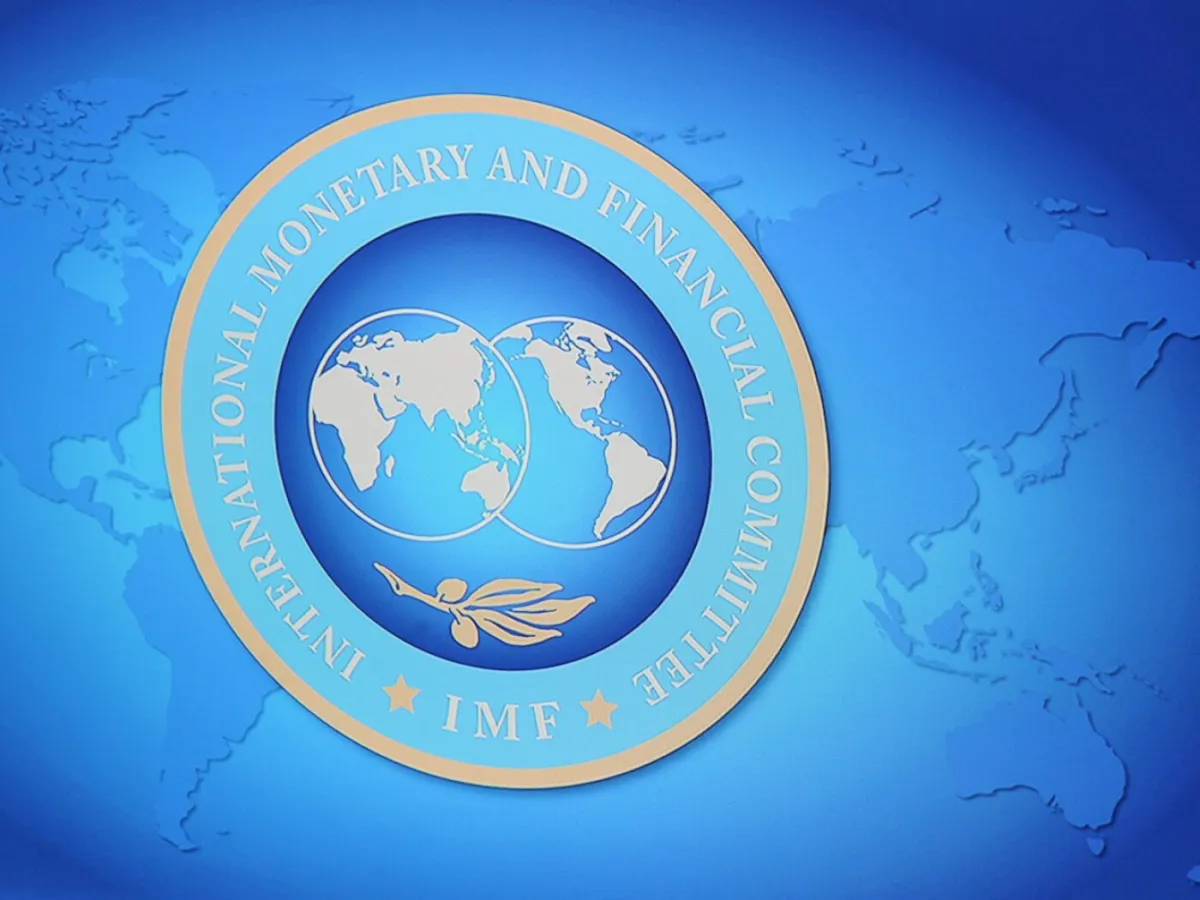
The IMF’s 2025 Financial System Stability Assessment endorsed Switzerland’s overhaul of its “too big to fail” framework, specifically praising the reforms designed to address the systemic risks posed by UBS Group. The word the IMF used was “bold,” which in the typically measured language of international financial institutions, is about as enthusiastic as it gets.
The $20 billion question
UBS became a different kind of animal after swallowing Credit Suisse in the government-assisted rescue of March 2023. The combined entity is now so large relative to the Swiss economy that the country’s financial regulators had little choice but to rethink the rules.
The Swiss Federal Council’s plan, announced in April 2026, would require UBS to raise approximately $20 billion in additional Common Equity Tier 1 capital. The central mechanism is straightforward in concept: UBS would need to fully capitalize its foreign subsidiaries with CET1 capital, rather than relying on lighter-touch arrangements. That $20 billion figure was actually revised down from initial estimates that ran as high as $26 billion.