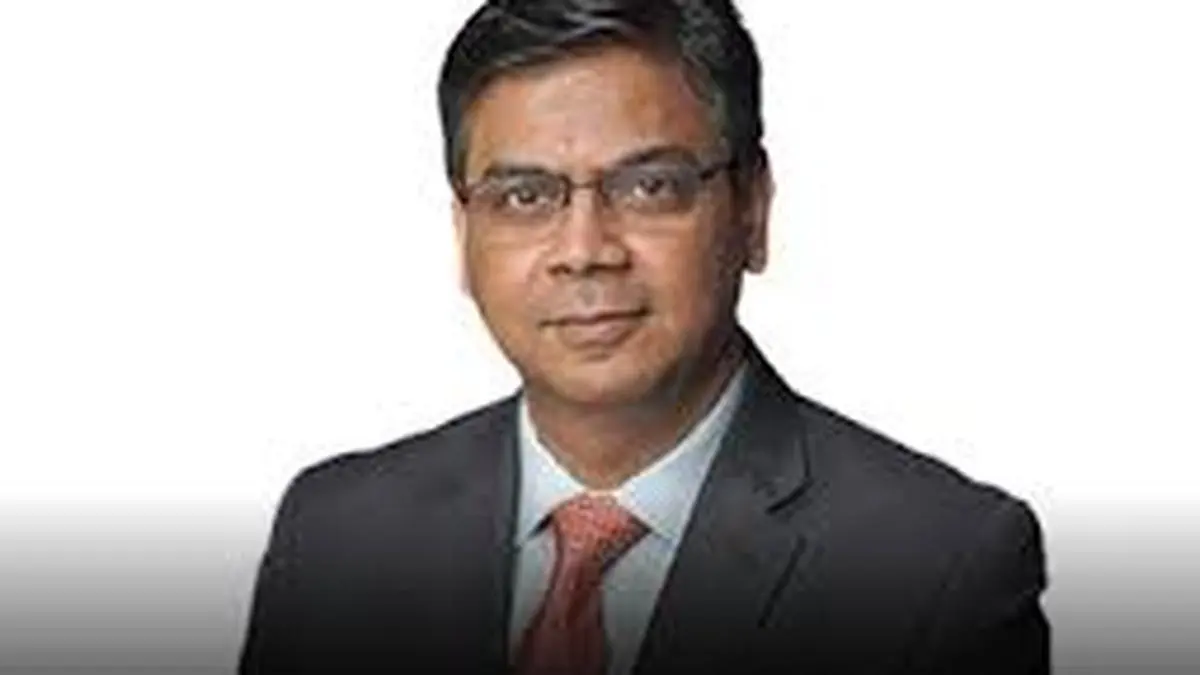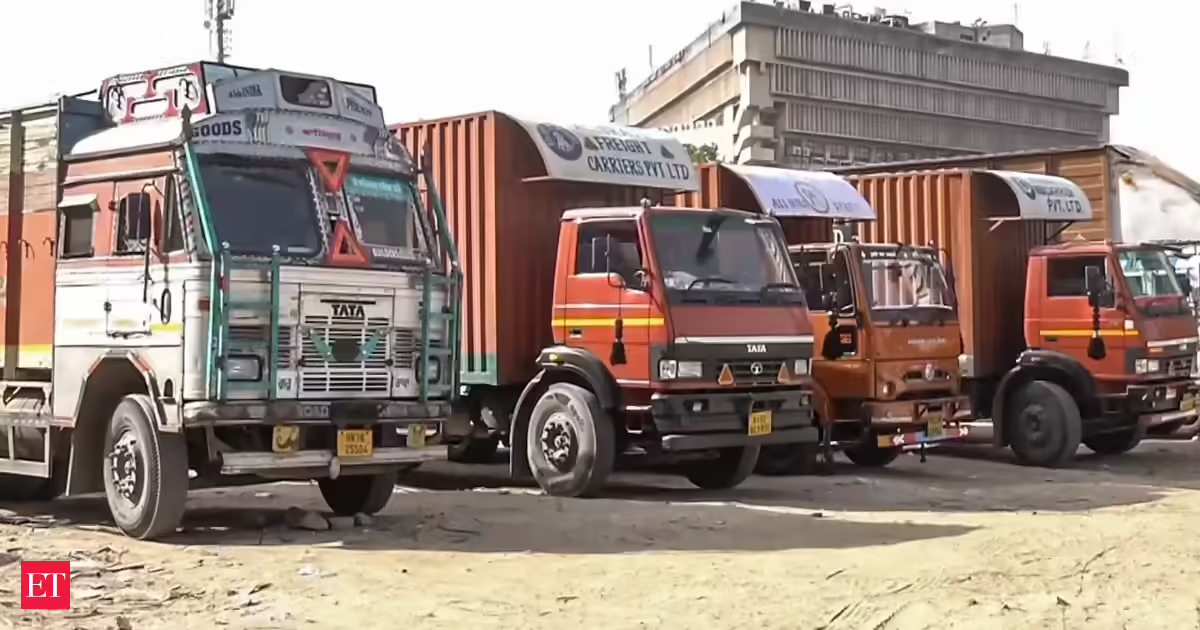
Tata Motors Ltd MD and CEO Girish Wagh on Thursday affirmed that the implications of US-Iran war, specially diesel price hike, will have a short-term impact on domestic commercial vehicle demand, which is expected to grow in single digit this fiscal but India's macro-economic growth will help overcome it in the long term.Terming fuel price hikes and input cost inflation as "cyclical headwinds", he said those will lead to some changes in the quarterly and annual demand but in the long term "India growth story will lead to increase in road freight, and therefore the commercial vehicle demand".Also read: Tata Motors to invest up to Rs 40,000 crore by FY31"We do have short-term headwinds. The Middle East crisis, the resultant increase in oil prices, and the final resultant but reduced intensity increase in diesel prices -- it is a headwind," the CEO told reporters in an interaction. Noting that commodity cost increase is also a headwind, he said adding the automaker believes that these are more cyclical headwinds.Tata Motors leader presented a bullish long-term outlook, saying "The GDP growth, industrial index of production, the way it has been growing, the growth in manufacturing, growth in consumption, growth infrastructure investments, we believe these are structural tailwinds."He added, "From that perspective, in the longer term, the tailwinds will have their effect more than headwinds and therefore, in the longer term, the industry will grow."Highlighting that the freight growth on road is very closely linked to GDP growth, Wagh said, "Till the time we see GDP growth happening in the range of 6-8 per cent, we should see a healthy growth in road freight."Overall, the cyclical headwinds will lead to some changes in the quarterly demand, or even for that matter the annual demand, he said, as he assumes India's growth story will lead to an increase in road freight, and therefore the commercial vehicle demand in the long term.Speaking to reporters, he also highlighted that a stable regulatory road map will also help in the long term growth of the CV industry."The scrappage policy has been put in place and there's more and more incentives coming from the government on the scrappage, which will help replacement demand. Besides, all the incentives towards electrification will also help in terms of penetration of electrification," he added.Also read: Tata Motors CV bets on global expansion, EVs and digital businesses for next phase of growthTata Motors estimates a double digit growth already on a YoY basis in the first quarter till now as the second quarter growth last year was not so strong. Speaking on the industry demand outlook for the fiscal, he added that the "momentum should continue".However, he said, it will be important to watch the second half of this fiscal year, because last year's second half was quite high. He believes, at this rate, the company should see a single digit growth, even for this year.The CV industry witnessed a single digit decline in growth in the first half of last fiscal but recovered with double digit growth in the second half after GST rate rationalisation, Wagh noted.As per the latest SIAM data cited by PTI, the commercial vehicle segment posted its highest ever wholesales in 2025-26 with 10.80 lakh units, up 12.6 per cent, compared to 2024-25.West Asia war impact on Tata MotorsWhen asked about the impact of the West Asia war on Tata Motors' operations in the region, Wagh said it had an impact on demand in the international business, and also a bigger impact on the supply chain."The Middle East used to contribute about 20 per cent of our total international business (monthly volumes) and in the first two months (of the US-Iran war) it came to zero...there were no shipments, there was no movement happening there."Yet, he said in the starting from last month the company has slowly started getting back in the region."This month we will be shipping vehicles to the Middle East. So the business is getting back on track, and I think the underlying demand is still there in the Middle East..." the CEO said.Tata Motors looked at some alternate route for delivering vehicles to UAE despite being longer, circuitous and higher cost, "but fortunately, because the Strait of Hormuz is open now, we don't have to do that".On the impact on supply chain, the automaker said as a lot of materials came through the West Asia region, which not only reduced material availability for some time mostly for commodities but also increased prices of commodities such as aluminum."All this has been managed now. The production impact, while it would have been there, has not been to a large extent. The residual impact on commodity cost and inflation impact remains," he said, adding that Tata Motors Ltd would go ahead with its planned vehicle price hike in July to partially offset the impact.He said as a result of the crisis, the CV maker has reassessed its supply chain network and started de-risking exercise."So much of dependence on one route is something that we will de-risk," Wagh said, adding it would also include for vehicle exports.(With inputs from PTI)
Tata Motors bullish on CV demand as India growth can outweigh Iran war impact in long term
Tata Motors anticipates short-term headwinds for commercial vehicle demand due to West Asia war-induced diesel price hikes. However, MD & CEO Wagh remains optimistic, citing India's strong macro-economic growth as a long-term driver for increased road freight and commercial vehicle demand. He also highlighted government initiatives like electrification incentives as positive factors for the industry's future.
852 words~4 min read