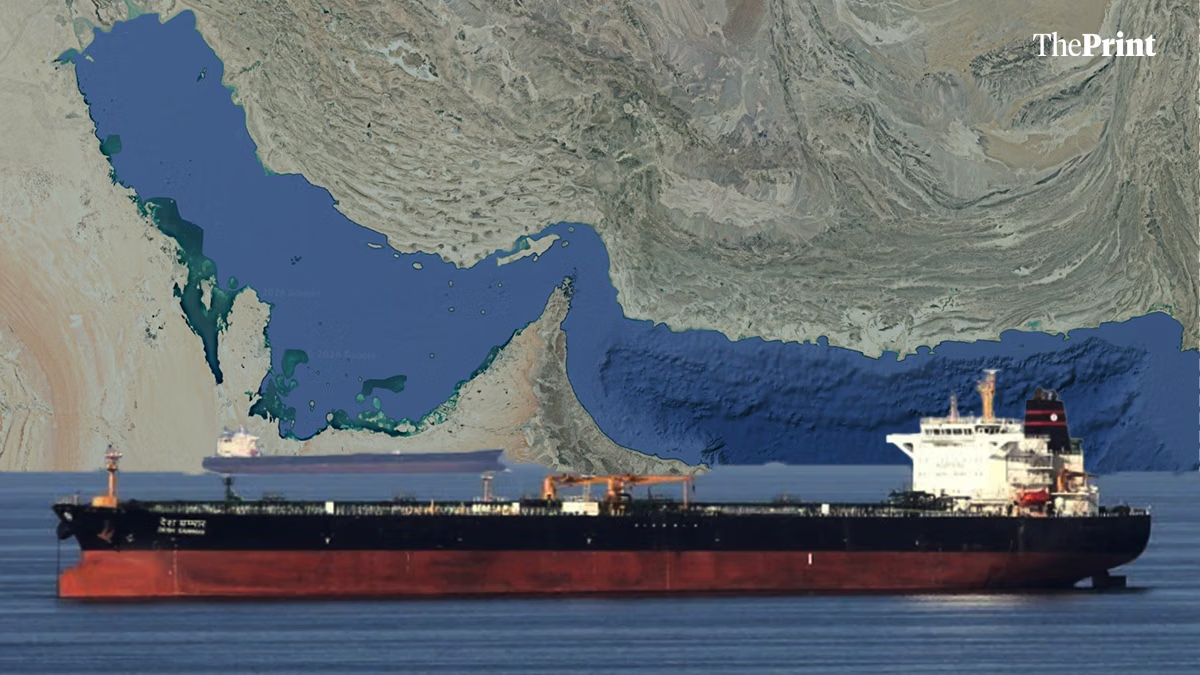
New Delhi: The interim US-Iran agreement has paved the way for the reopening of the Strait of Hormuz, but energy market experts caution that oil production and exports from major Gulf producers are unlikely to return to pre-conflict levels anytime soon.
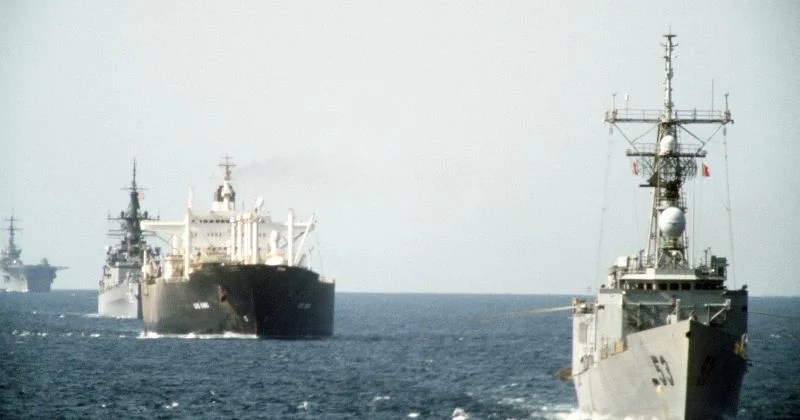
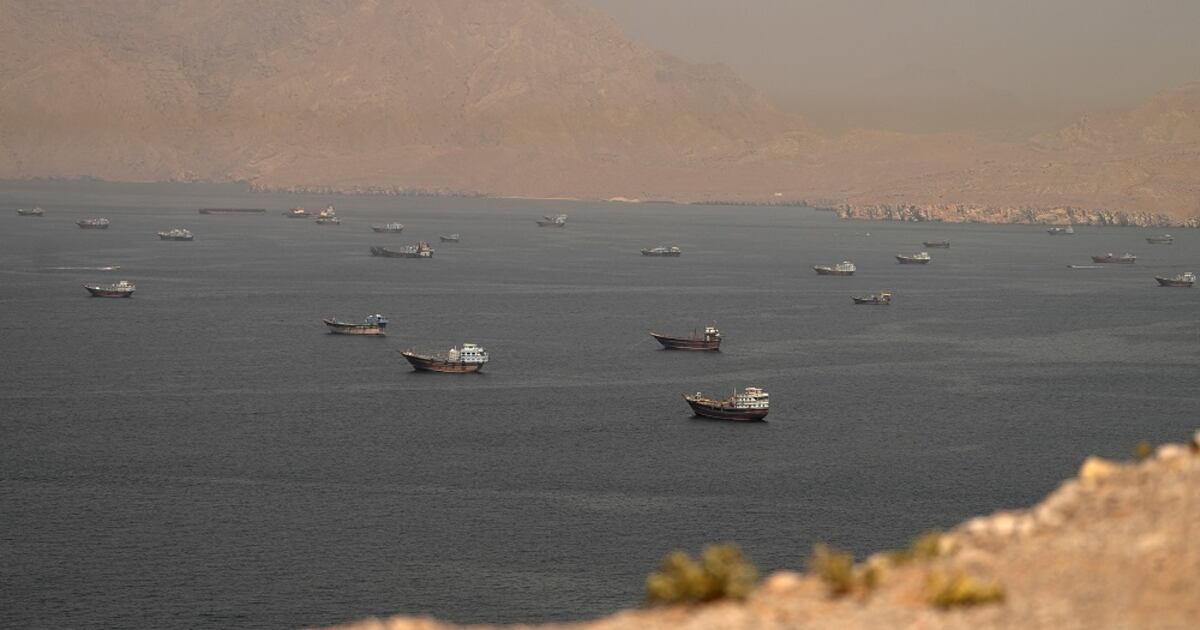
If the agreement holds, some countries may restore output within weeks. However, logistical constraints, shipping disruptions, elevated insurance costs and damage to energy infrastructure could delay a full recovery by months.The Strait of Hormuz, through which nearly 20 percent of global oil supplies move, became the central point of the West Asia conflict after Iran restricted maritime traffic following attacks by the US and Israel in February.
The disruption forced Gulf producers to slash output, reroute cargoes and rely on stored inventories.According to estimates shared by Naveen Das, UK-based senior analyst at global data and analytics firm Kpler, production levels across key Gulf oil producers remain well below their pre-conflict levels.Saudi Arabia, the world’s largest oil exporter, is currently producing around 7.2 million barrels per day (mbpd), down from 10.5 mbpd before the conflict. The UAE’s production has fallen to 3.3 mbpd from 3.9 mbpd, while Qatar’s output has dropped to 0.2 mbpd from 1.3 mbpd. Iranian production stands at 2.9 mbpd, compared to 4.2 mbpd before the conflict escalated.However, Das said the pace of recovery will largely depend on whether the US-Iran agreement survives beyond its crucial first 60 days.“Everything remains contingent on the deal being upheld and the discussions going smoothly for the first 60 days and beyond,” Das told ThePrint. “Without that, we would still see large uncertainty and a limit on the transits via the Strait of Hormuz. Free flows through the Strait are the key to a resumption in production and exports.”Assuming the agreement remains intact, Das expects Saudi Arabia, the UAE and Qatar to return to normal production levels within roughly six weeks.Iran is also expected to recover production within four weeks and is expected to see a significant increase in exports with the US rolling back sanctions on the country.Das estimates Iranian exports could rise by around 2,00,000 barrels per day in the near term to 2 mbpd from the current 1.7-1.8 mbpd. With additional investments, Iran’s oil exports could eventually return to around 2.5 mbpd.Das also sees the potential for a significant increase in global oil supplies, supported by higher production from the US, Latin America, Iran, the UAE and OPEC+ members. He estimates an additional 2 mbpd of supply could be available by the end of the year compared with pre-war levels.Despite the prospect of additional supply, Das expects Brent crude to average around $75 per barrel level, arguing that much of the extra output would be absorbed by strategic reserve replenishment, particularly by China.