Most operators today sit at the intersection of the data center cooling Venn diagram – traditional open-air cooling on one side, full liquid cooling on the other.
While room-level air conditioning is a simple and cost-effective approach for low-density environments, typically below 15kW per rack, its ability to scale is limited as rack densities inevitably rise. The inherent mixing of hot and cold air drives up energy use and costs, as data center spaces are often overcooled to protect the hottest racks. Over time, this approach can lead to hot spots and temperature fluctuations, putting expensive equipment at risk.
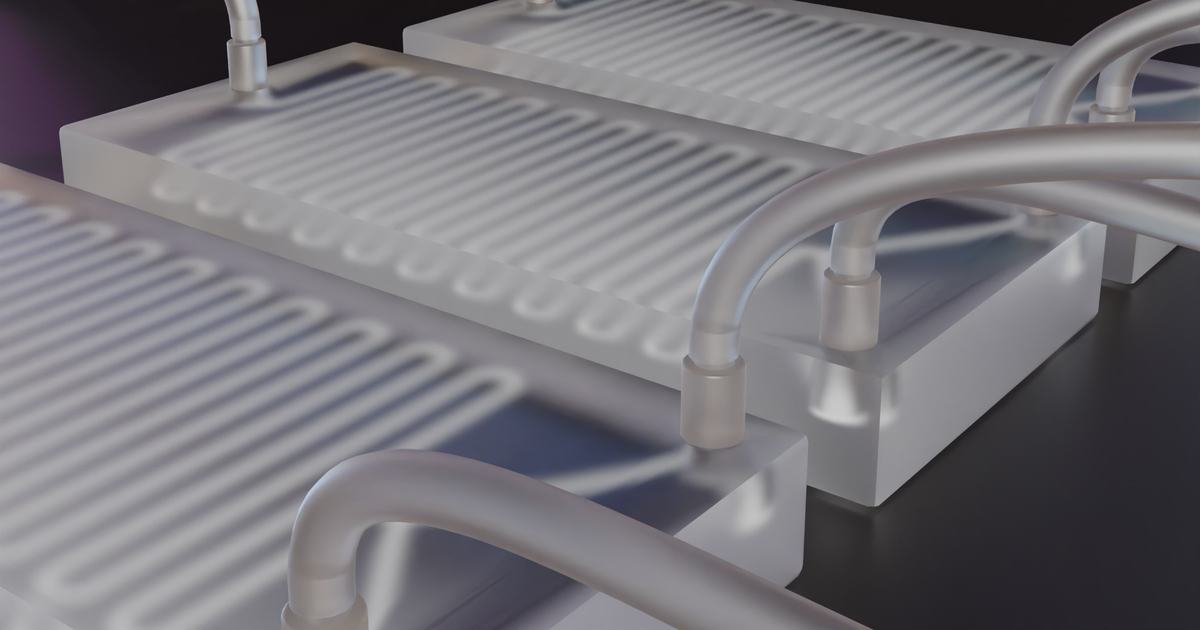
On the other side of the spectrum, direct-to-chip and immersion liquid cooling provide highly effective means of managing heat generated by GPUs and CPUs, removing heat efficiently at the rack level in AI and high-performance computing environments. Supporting densities of 50-250kW per rack and beyond, these technologies are designed for the next generation of compute.
However, they also require careful design, integration, and leak management – not to mention significant capital investment and operational complexity – that many operators are simply not prepared to take on in a single step.