By Boram Jang, East Asia Researcher at Amnesty International
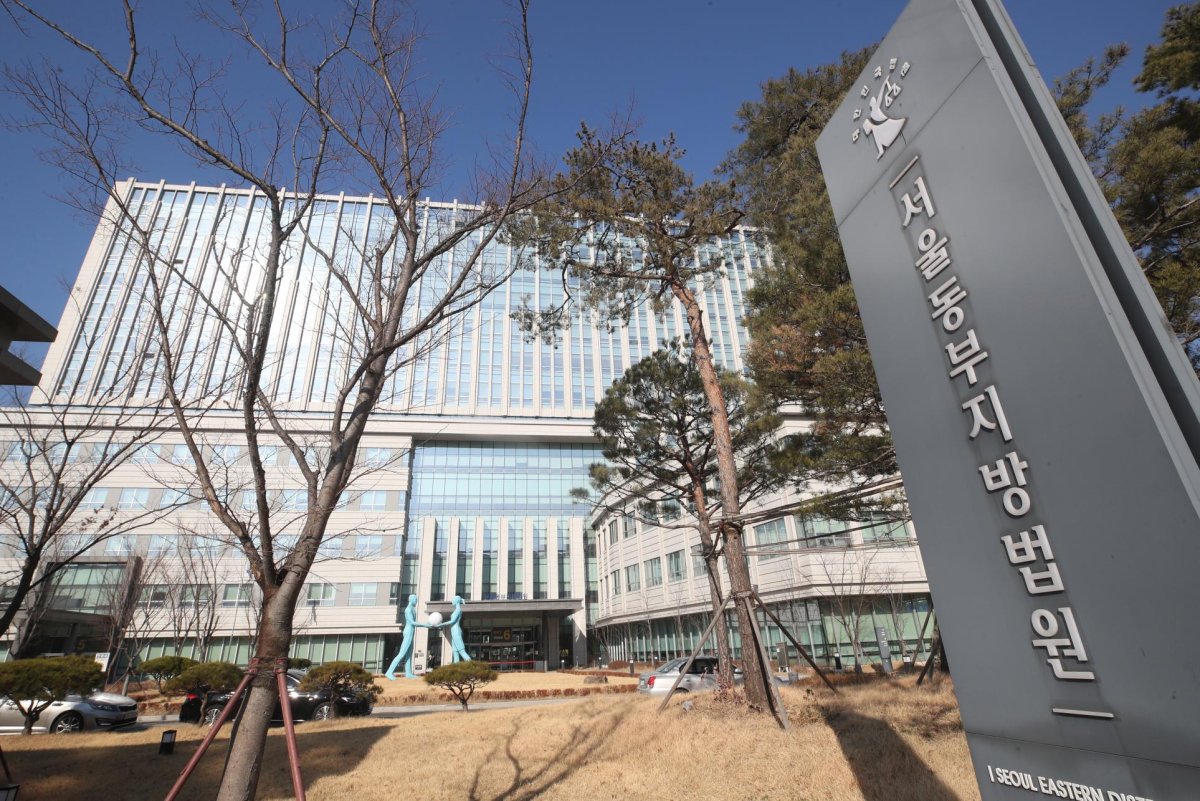
In a Seoul courtroom in March this year, a prosecutor read out charges against Jeon Seung-il, a former art student, from an indictment first written in 1989. The language had not changed, nor had the charges. Thirty-seven years later, only the young defendant had grown old.
In 1989, he was 23 years old in a South Korea still shaped by decades of military rule. Jeon helped create a 77-metre-long painting depicting the country’s independence movement and democratic uprisings. It led to him being charged and convicted, under South Korea’s National Security Act, with producing what the law calls “enemy-benefiting expression materials”. Years later, the state displayed the same artwork at the National Museum of Modern and Contemporary Art and recognised him as a participant in the movement for constitutional rights. His criminal record, however, was never expunged.
Jeon’s case was finally reopened for retrial in 2026, after courts recognised that he had been unlawfully detained and coerced by intelligence agents decades earlier. The prosecution, which had opposed reopening the case, returned to the original indictment, again arguing that the painting promoted ideas “sympathetic” to North Korea. Nearly four decades on, the legal framework remained frozen in time, refusing to match the rights-respecting reality the South Korean state now claims to celebrate.