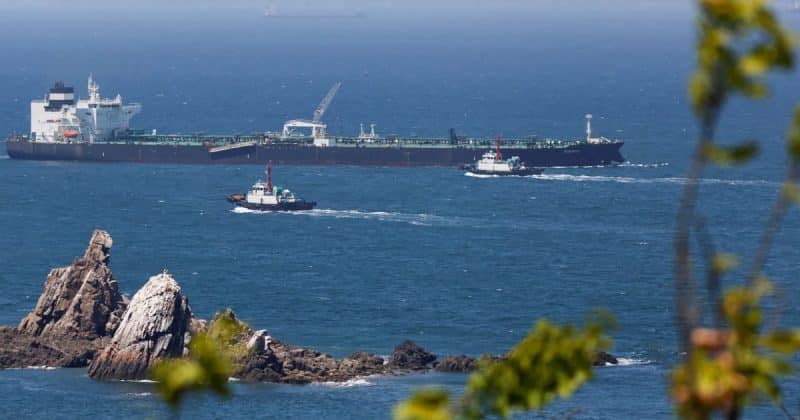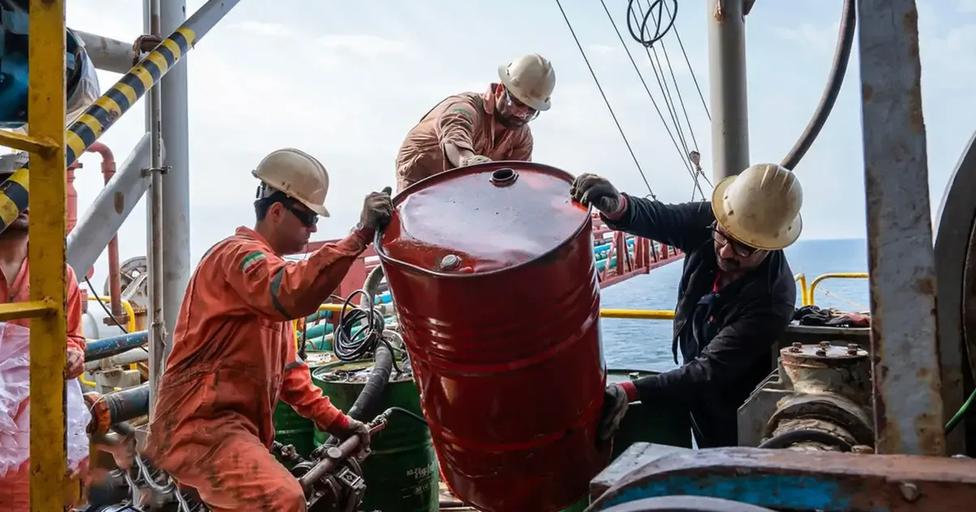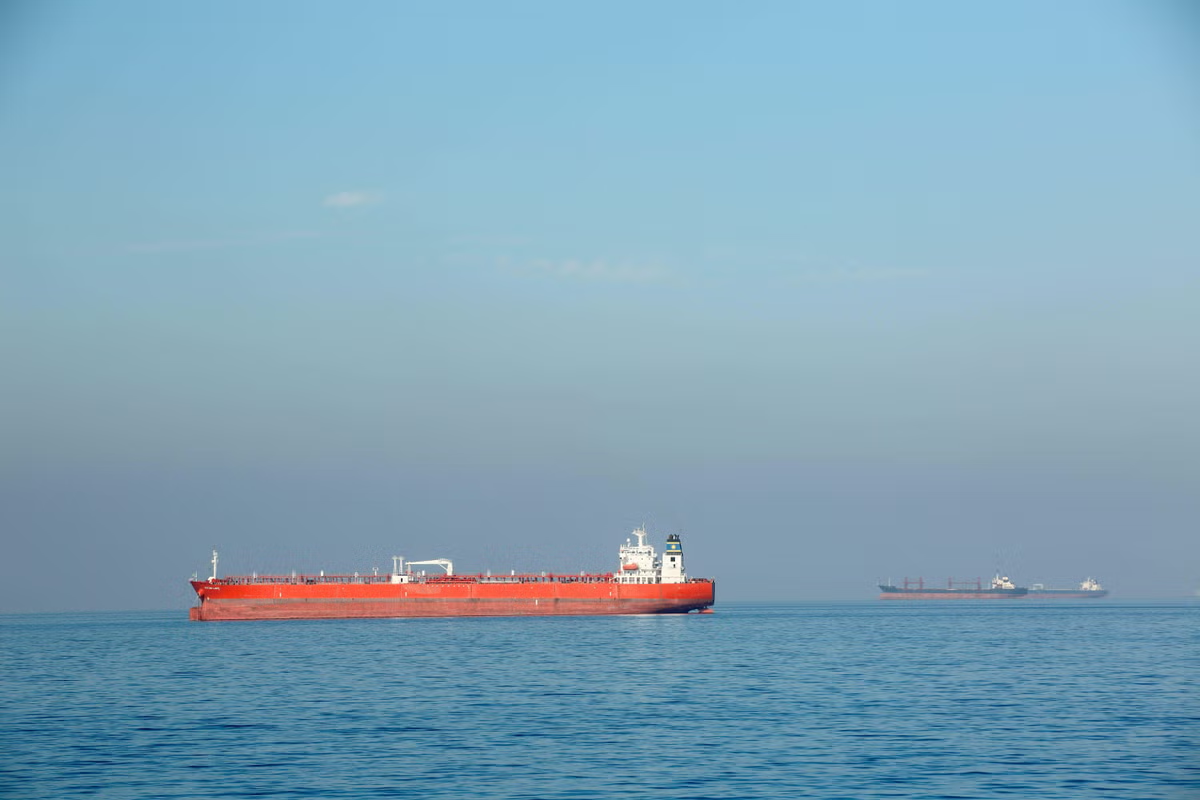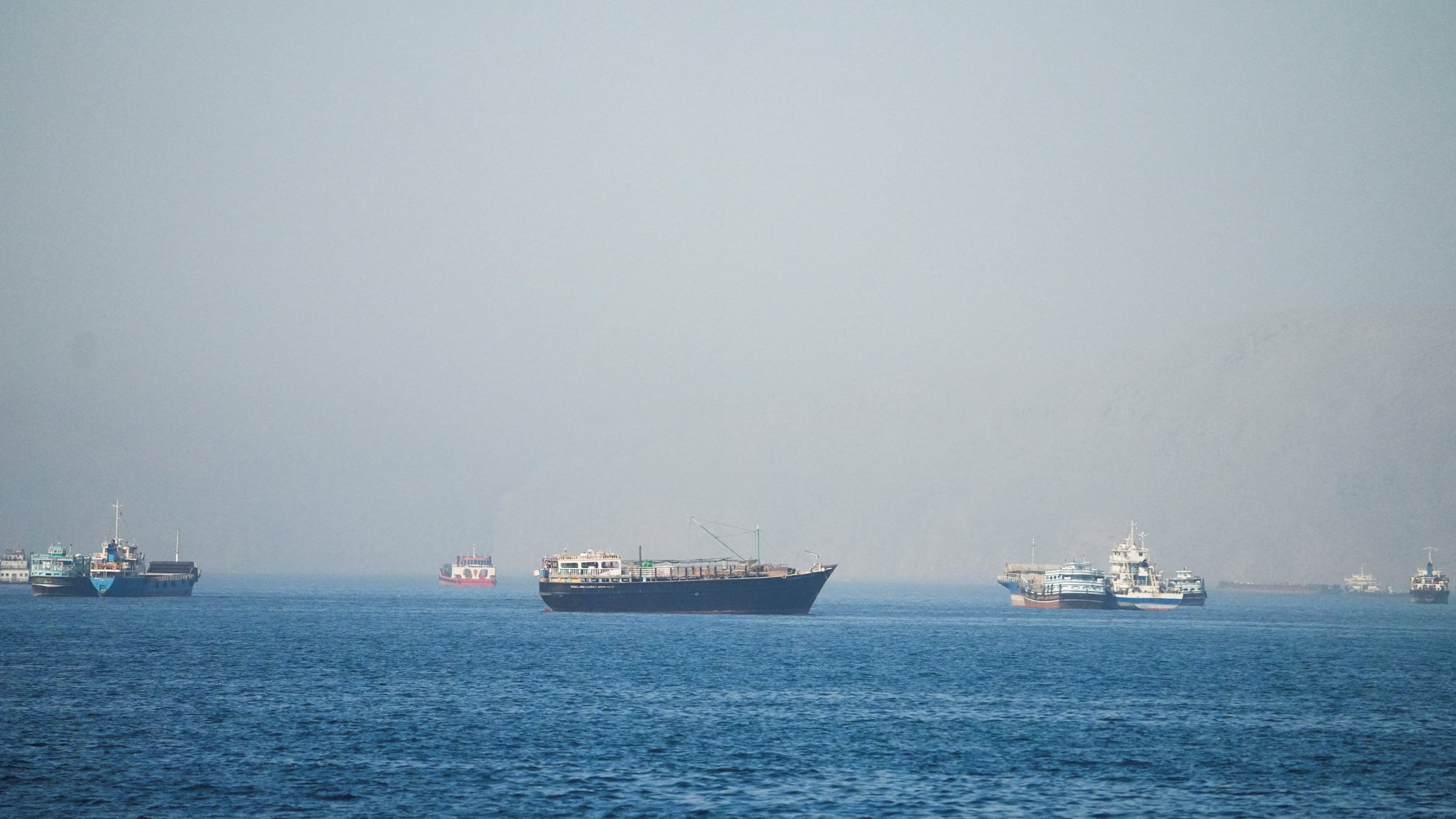
After months of relentless volatility triggered by Iran's closure of the Strait of Hormuz, the world's most critical oil transit chokepoint that carries around 20% of global crude supplies, and extensive damage to oil and gas infrastructure during the U.S.-Israel-Iran war, oil markets are finally showing signs of normalisation.In a major relief for oil-importing nations such as India, crude prices have tumbled 42% from their April peak as tanker traffic gradually returns to pre-war levels through the Strait of Hormuz following an interim peace agreement between the United States and Iran. The resumption of flows has eased fears of prolonged supply disruptions, dragging oil prices sharply lower.Brent crude, the global benchmark, has now plunged 42% from its April 30 peak of $126 per barrel and has slipped back to levels seen before the conflict erupted. On Thursday, the benchmark fell below $73 a barrel for the first time since February 27, 2026, underscoring how quickly the war premium has evaporated from energy markets.Brent crude futures for August delivery declined $1.40, or 2%, to $72.40 a barrel, while U.S. West Texas Intermediate crude fell $1.12, or 1.6%, to $69 a barrel. Also Read |The 15 shadow winners that slipped past the Nifty dry spellThe decline comes on top of Wednesday's sharp selloff, when Brent dropped more than $3 and WTI settled nearly $3 lower as concerns over supply disruptions continued to ease.The turnaround marks a dramatic reversal from April, when Brent surged to $126 a barrel amid fears that the conflict could severely disrupt global energy supplies. With shipping activity through the Strait of Hormuz steadily recovering, traders are increasingly betting that oil flows will continue to normalise in the coming weeks.The shift in sentiment follows the initial agreement reached last week to end the U.S.-Israeli war with Iran, which began on February 28. The deal has enabled shipping traffic through the Strait of Hormuz to resume, helping restore confidence in global oil supply chains and pushing crude prices back below pre-war levels.Will liquid gold fall further?Macquarie Group has sharply lowered its oil price forecasts for 2026 and 2027, citing expectations of a quicker-than-anticipated normalization of crude flows from the Middle East. Following the interim peace agreement between the United States and Iran, which has allowed oil shipments to resume from the Persian Gulf, the bank now expects Brent crude, the global benchmark, to average $77 a barrel in 2026, down from its earlier forecast of $89. It also cut its 2027 Brent outlook to $64 a barrel from $74 previously.Despite several challenges that could slow the recovery in regional oil production, producers in the Middle East are likely to restore output faster than markets currently anticipate, strategists Peter Taylor, Vikas Dwivedi and others said in a research note on Tuesday."The market is substantially underestimating the pace of recovery and the ability of the oil market to heal itself," the strategists wrote. They pointed to the region's expertise in oil production, available storage capacity and advances in field-rotation techniques as factors that could accelerate the return of supply. Also Read | IndiGo, SpiceJet shares rally up to 4% as crude oil prices fall below pre-war levels after 42% crashAccording to the note, the global oil market was already facing an oversupply before the conflict began. Demand destruction during the war, along with potentially lower-than-expected inventory drawdowns, helped offset lost supplies and prevented prices from rising further despite the scale of the disruption.However, Macquarie expects oil prices to remain volatile in the near term. Prices could rise temporarily as some vessel operators remain cautious about transiting the region, before easing again as supply conditions normalize. Over the longer term, efforts to rebuild commercial and strategic inventories are expected to provide some support to crude prices.But all aren’t on the same page. Others suggest that despite the recent slide in oil prices, a complete reopening of Hormuz is expected to be a complex process. It will require careful coordination of vessel movements, restarting oil wells, repairing infrastructure, and agreeing on de-mining operations. Some shipowners also remain wary of operating conditions in the strait and the wider Persian Gulf.Last month, Saudi Aramco Chief Executive Officer Amin Nasser cautioned that disruptions in the Strait of Hormuz could delay a return to stability in global oil markets until 2027. Also Read | NSE and Ambani are about to see if India’s retail crowd still has 'buy the dip' energy leftAnalysts note that global oil inventories were depleted during the extended disruption of shipping through the Strait of Hormuz and will take time to rebuild. Stockpiles could continue falling before fresh Gulf supplies begin reaching international markets.(Disclaimer: Recommendations, suggestions, views and opinions given by the experts are their own. These do not represent the views of The Economic Times)
Crude oil prices crash 42% from April’s $126 peak. More downside coming?
Global oil markets are stabilizing after months of turmoil caused by the Strait of Hormuz closure and war damage. Crude prices have plummeted 42% from their April peak, with Brent falling below $73 a barrel, signaling a return to pre-conflict levels
792 words~4 min read