Hwang Joo-young
Staff reporter at The Korea Herald’s National Desk, based in Seoul. Covers South Korea’s national security and foreign policy, with a focus on the Defense, Foreign and Unification Ministries, as well as the National Assembly.Before entering journalism, served as an Air Force officer. Experience includes providing translation and interpretation, as well as strategic input for planning efforts, at the ROK-US Combined Forces Command. During three years of military service, took part in six major South Korea-US combined exercises.
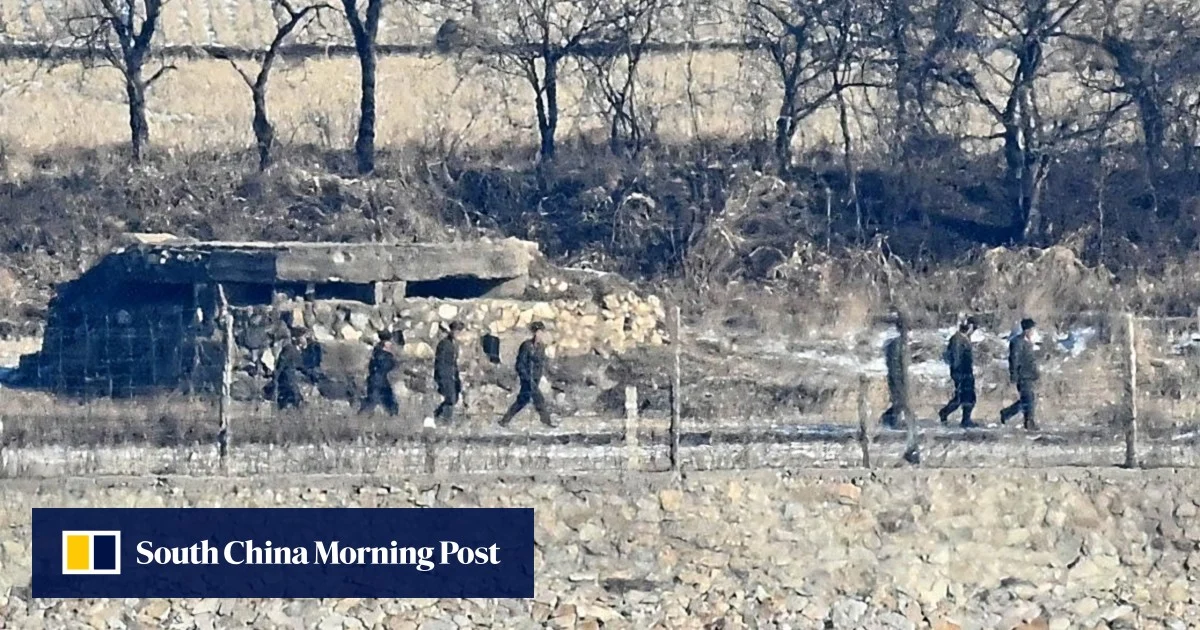
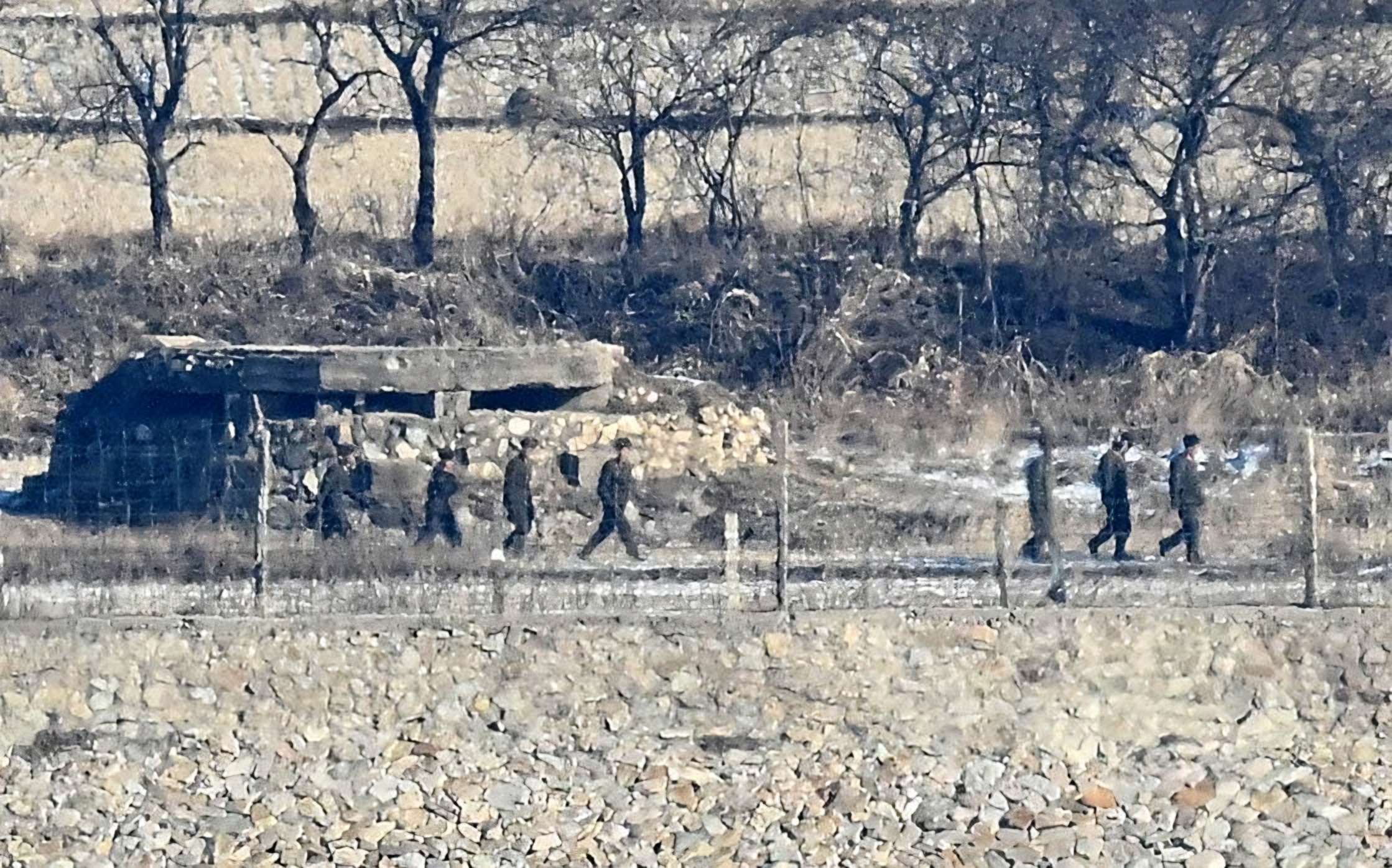
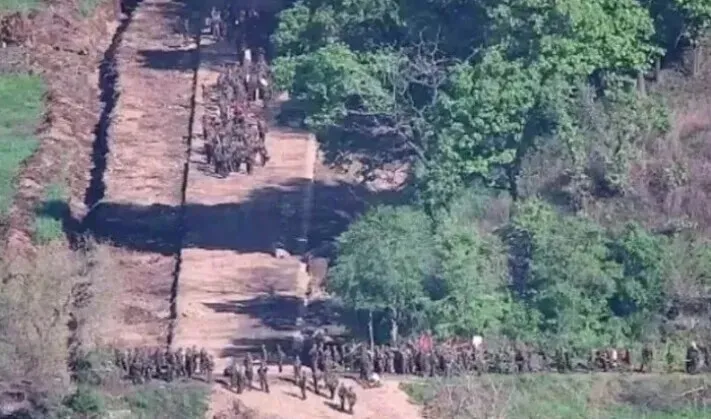
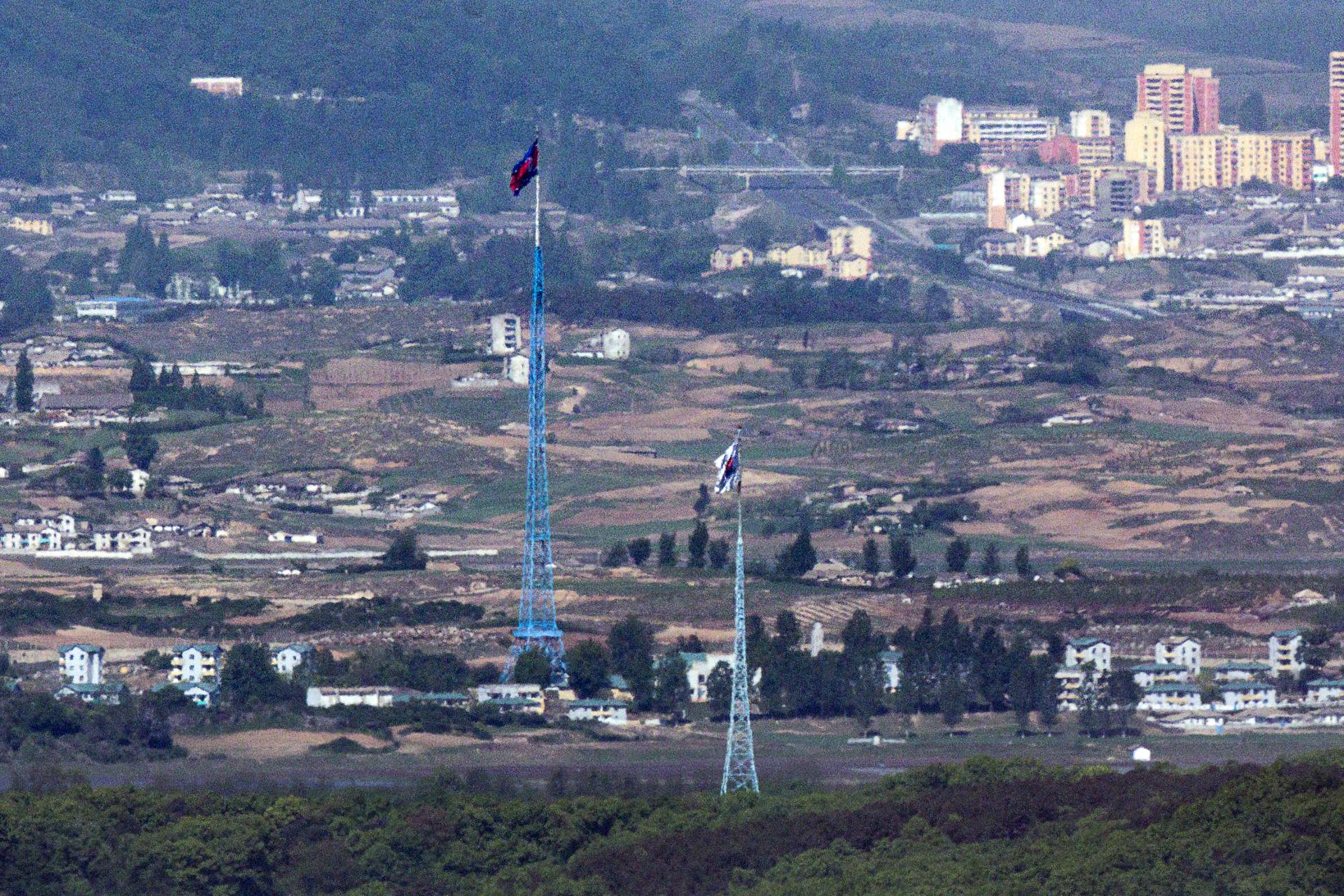
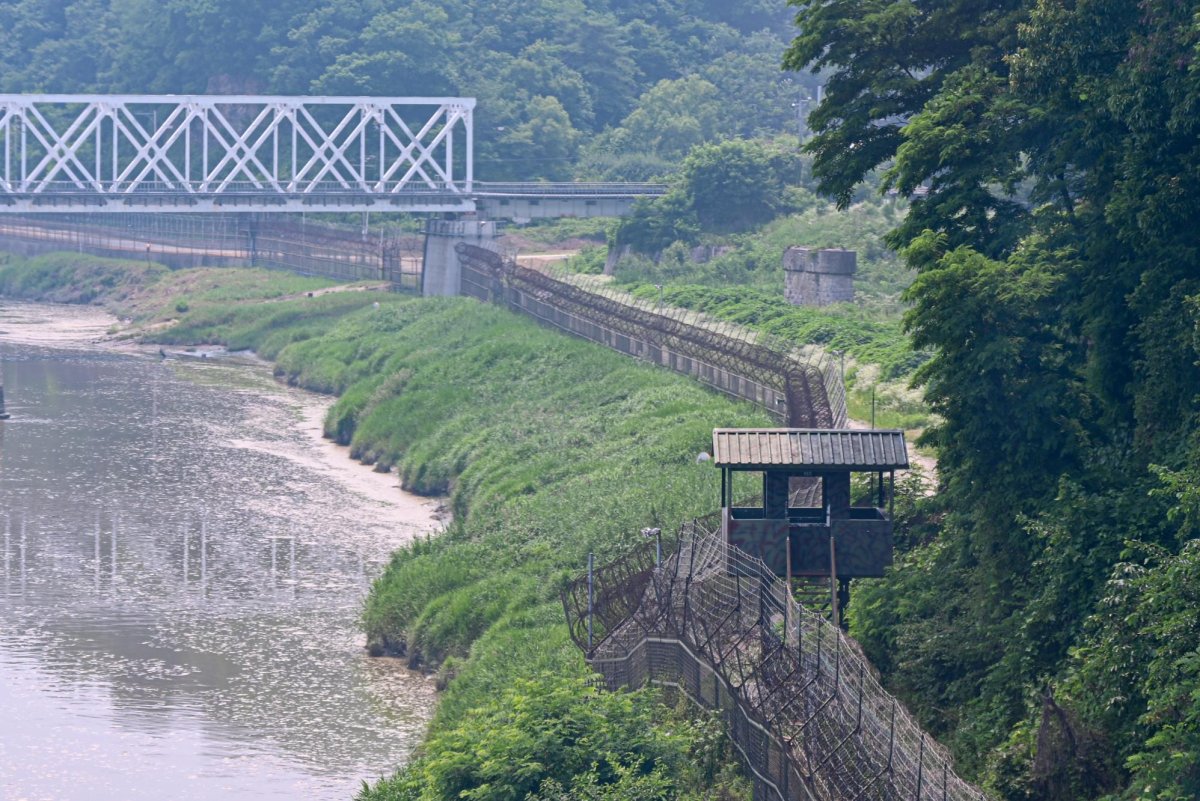
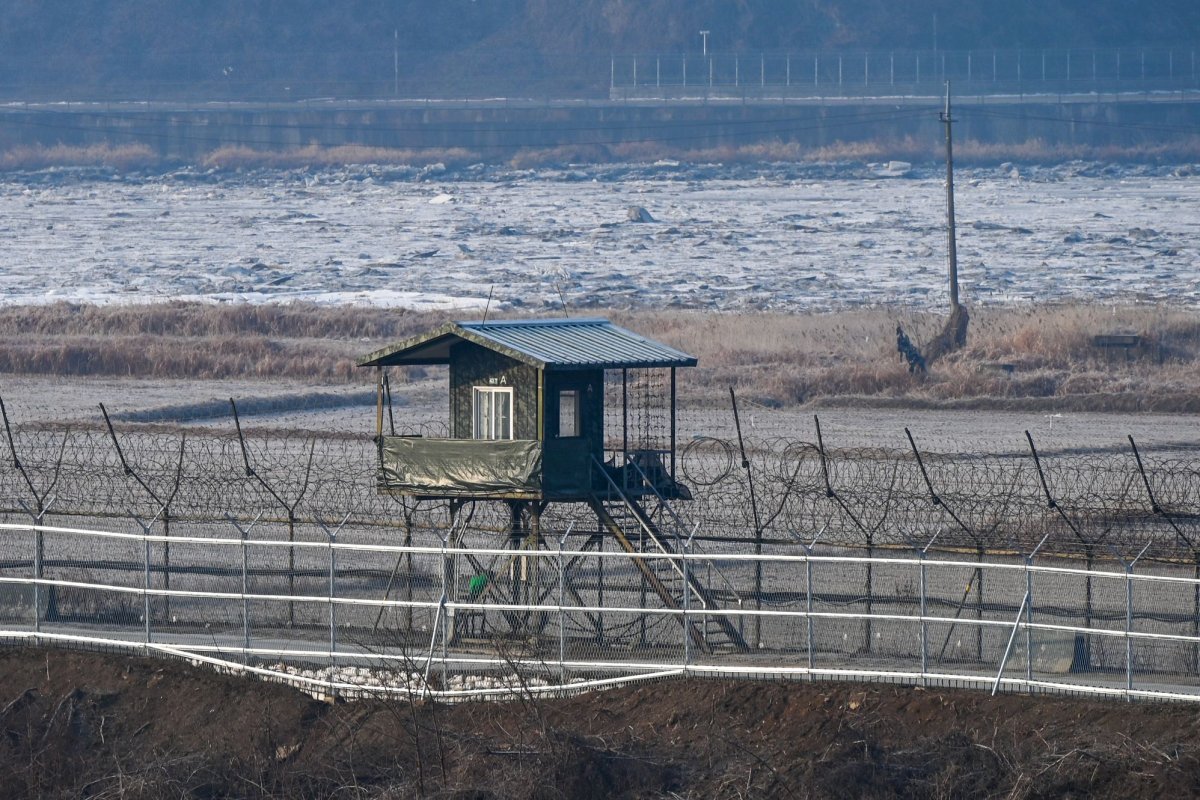
Experts say divide refelcts Seoul's security concerns, UNC's legal interpretation South Korea and the United Nations Command's interpretations of North Korea's recent activities inside the Demilitarized Zone reflect contrasting views of what constitutes a violation of the 1953 Armistice Agreement.The disagreement centers on North Korea's construction of fences, road repairs, land clearing and suspected mine-laying inside the 4-kilometer-wide buffer zone surrounding the Military Demarcation Line, the de facto border between the two Koreas.Seoul says the work, particularly when carried out close to the MDL, undermines the buffer zone established under the 1953 Armistice Agreement. The UNC says such activities do not constitute a violation if they are defensive in nature, remain north of the MDL and do not involve heavy weapons or offensive capabilities.On Thursday, the Defense Ministry again said it views North Korea’s installation of obstacles near the MDL as a clear breach of the armistice.“The ministry respects the UNC’s responsibilities under the Armistice Agreement and maintains its position of complying with the agreement,” ministry spokesperson Chung Binna said during a press briefing at the ministry headquarters in Seoul. “At the same time, our military will continue efforts to take self-defensive measures.”“As stated previously, the ministry assesses the North Korean military’s installation of obstacles near the MDL as a clear violation of the Armistice Agreement,” Chung said.Chung added that the ministry sees the activity as effectively neutralizing the DMZ’s function as a buffer zone.The position contrasts with a fact sheet released by the UNC earlier this week. The US-led command said recent North Korean construction activities, including fencing and road repairs, do not constitute violations of the armistice.The UNC said fencing, road construction and clear-cutting fall under the “civil administration” portion of DMZ rules, rather than military fortification. It also said defensive measures to secure an area, prevent infiltration or clear vegetation do not automatically violate the armistice.The command said it had found no evidence that North Korea had brought heavy weapons or drone capabilities into the DMZ. It went on to note that South Korea carries out more than 36 road, fence and vegetation-clearing projects in the southern part of the DMZ, saying it applies the same standard to both sides.The UNC also said the Korean People’s Army had notified the command of planned activity through established communication channels, and that the command had relayed the information to South Korean leadership.But some in Seoul remain unconvinced, arguing that the command has been more restrictive toward South Korean activity in the DMZ while taking a narrower view of North Korean actions near the MDL.A Defense Ministry official said Seoul had already conveyed its concerns to the UNC.“We have expressed our position to the UNC that North Korea’s activities near the MDL should be viewed seriously in terms of the armistice regime and the function of the DMZ as a buffer zone,” the official said, speaking on condition of anonymity.Legal interpretation vs. security concernsObservers say the differing assessments reflect a contrast between the UNC's legal interpretation of the armistice and Seoul's broader security concerns over North Korea's gradual fortification of the DMZ.A professor at a South Korean state-run defense research institute said the UNC's assessment may be legally defensible, given its traditionally technical and cautious reading of the armistice framework."But Seoul's concerns are also understandable," the professor said, speaking on condition of anonymity. "The issue is not only about legal interpretation, but also about how North Korea's gradual hardening of the border affects the DMZ's practical function as a buffer zone."The professor said the differing assessments may reflect a gap in working-level interpretations of the armistice rather than a broader alliance divide."Major alliance issues, including Seoul's pursuit of nuclear-powered submarines and the transfer of wartime operational control, appear to be moving forward," the professor said. "The concern is not that this single issue will immediately damage the alliance, but that repeated discrepancies over DMZ-related matters could develop into a broader coordination problem if left unresolved."The latest disagreement adds to earlier friction between South Korea and the UNC over the administration of the DMZ.Last year, the issue resurfaced after a senior presidential security official and South Korean Cardinal Lazzaro You Heung-sik were reportedly denied access to the buffer zone by the command. The case later fed into a broader debate over whether South Korea should have greater authority over nonmilitary access to the DMZ.The ruling Democratic Party has since pushed legislation aimed at allowing the South Korean government to approve certain forms of nonmilitary and peaceful access to the DMZ, such as ecological surveys or tourism-related visits.The UNC has opposed such moves, arguing that access to the DMZ falls under the authority of the UNC commander under the armistice framework.On Thursday, the Defense Ministry also sought to distinguish the dispute from Seoul's separate plan to adjust the Civilian Control Line, an administrative restriction line south of the DMZ.Asked whether moving parts of the line northward could also raise concerns, Chung said the adjustment seeks to minimize restrictions on private property rights.“The announced plan is a broad map-based outline,” Chung said. “Actual operational impact assessments and surveys will be conducted going forward, and the process will be carried out in stages.”