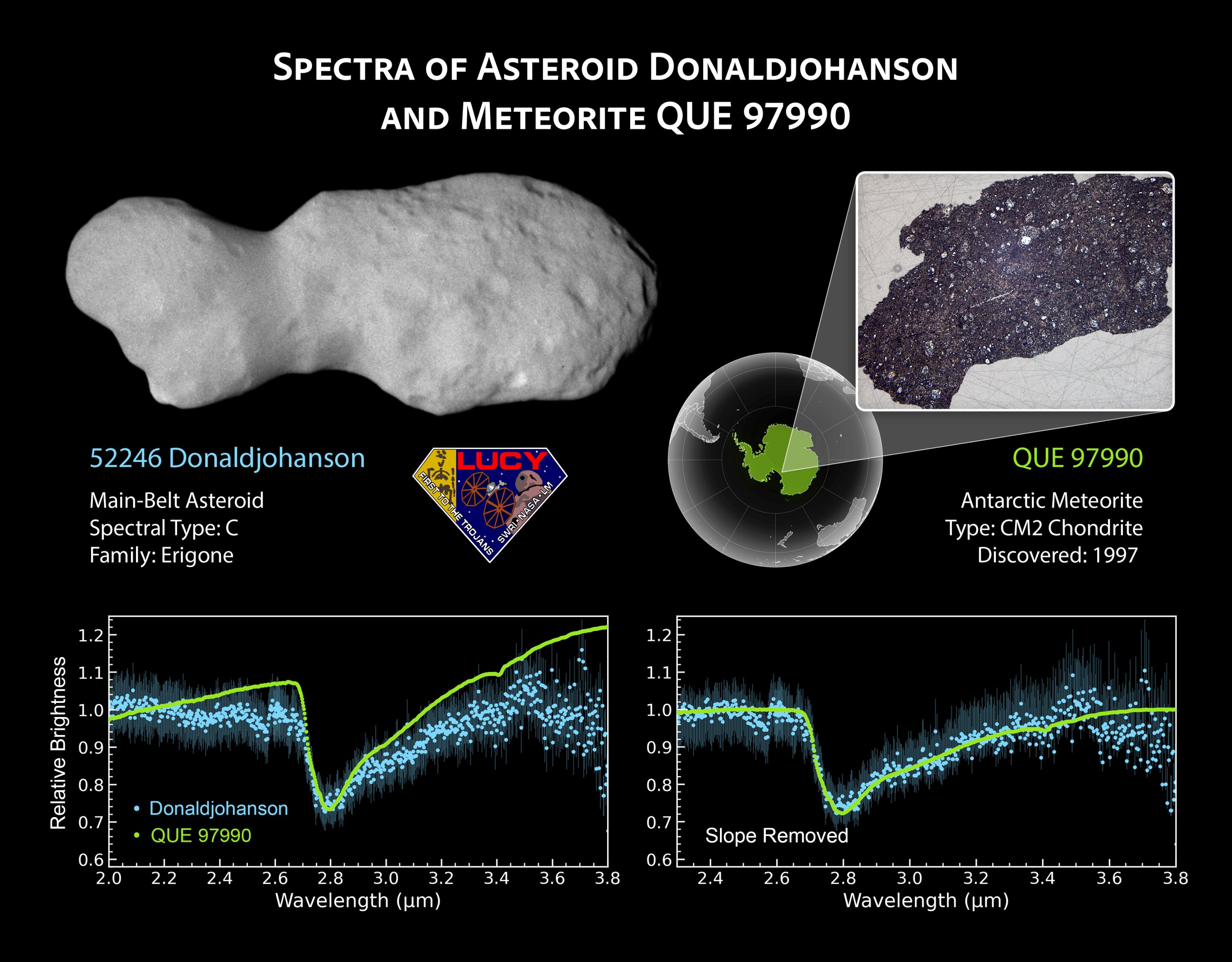
Even relatively small asteroids can have surprisingly eventful histories. NASA's Lucy spacecraft recently revealed that asteroid Donaldjohanson is a wobbling, peanut-shaped object that has been shaped by collisions, sunlight, and even a brief encounter with liquid water long ago.
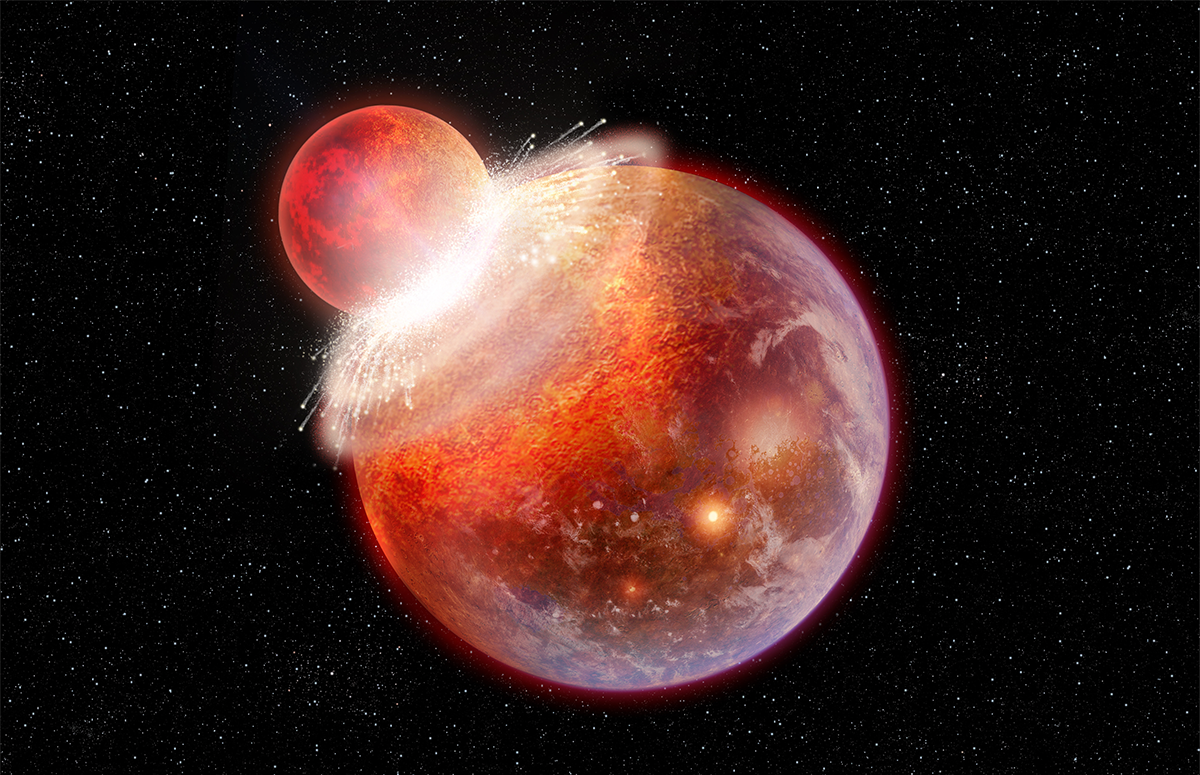
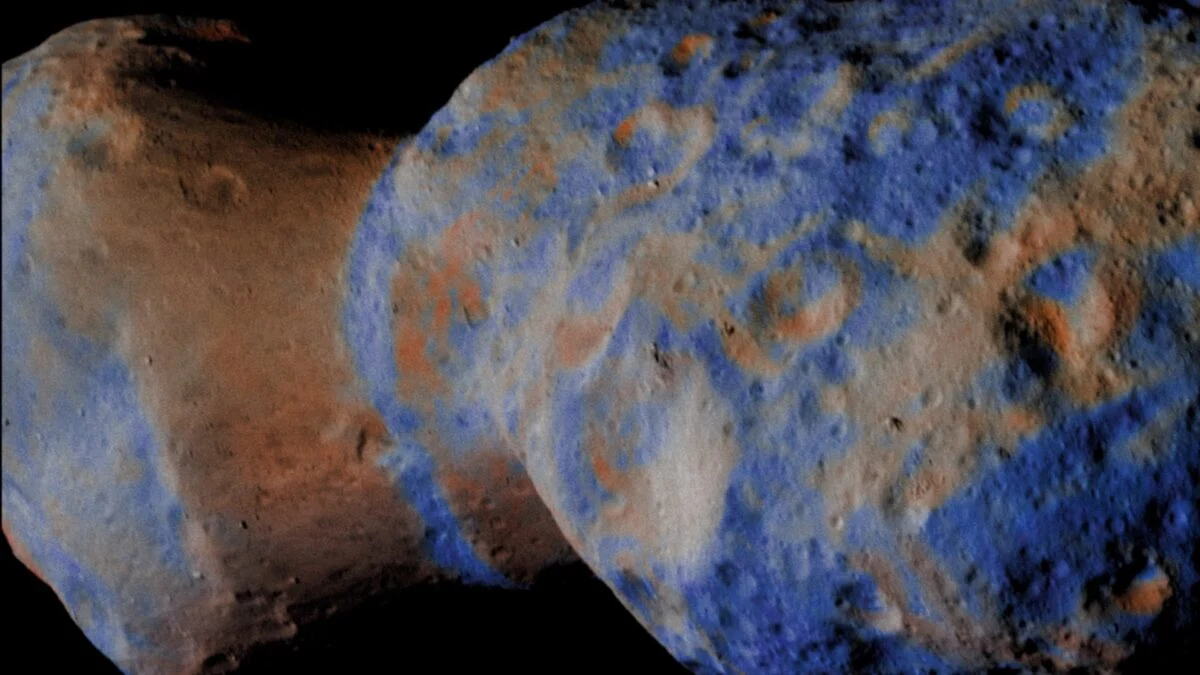
The asteroid formed about 155 million years ago when fragments from a violent collision gradually came together. Since then, a subtle but persistent force generated by sunlight has altered its rotation, while traces of ancient water remain preserved in its rocky surface.
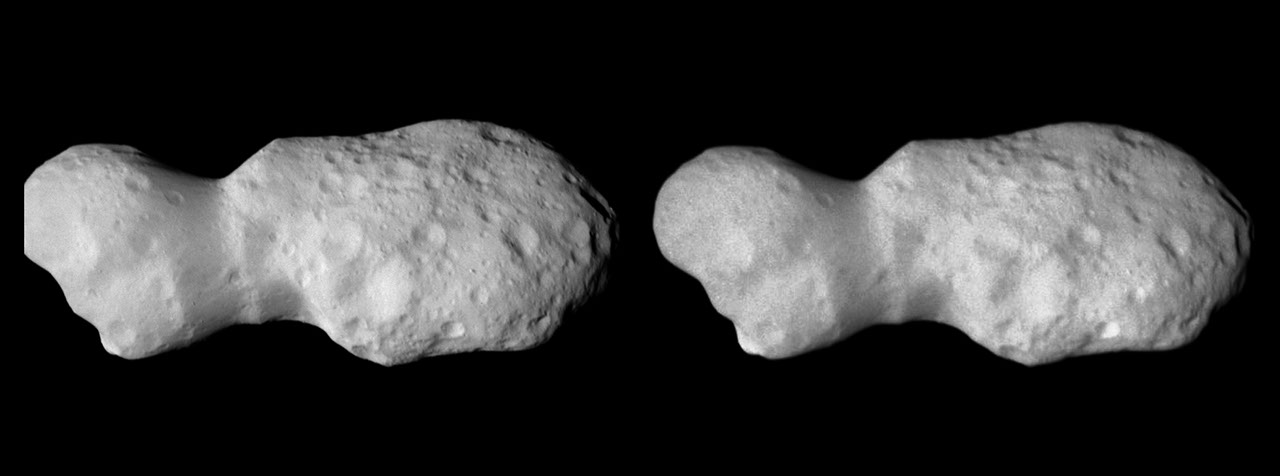
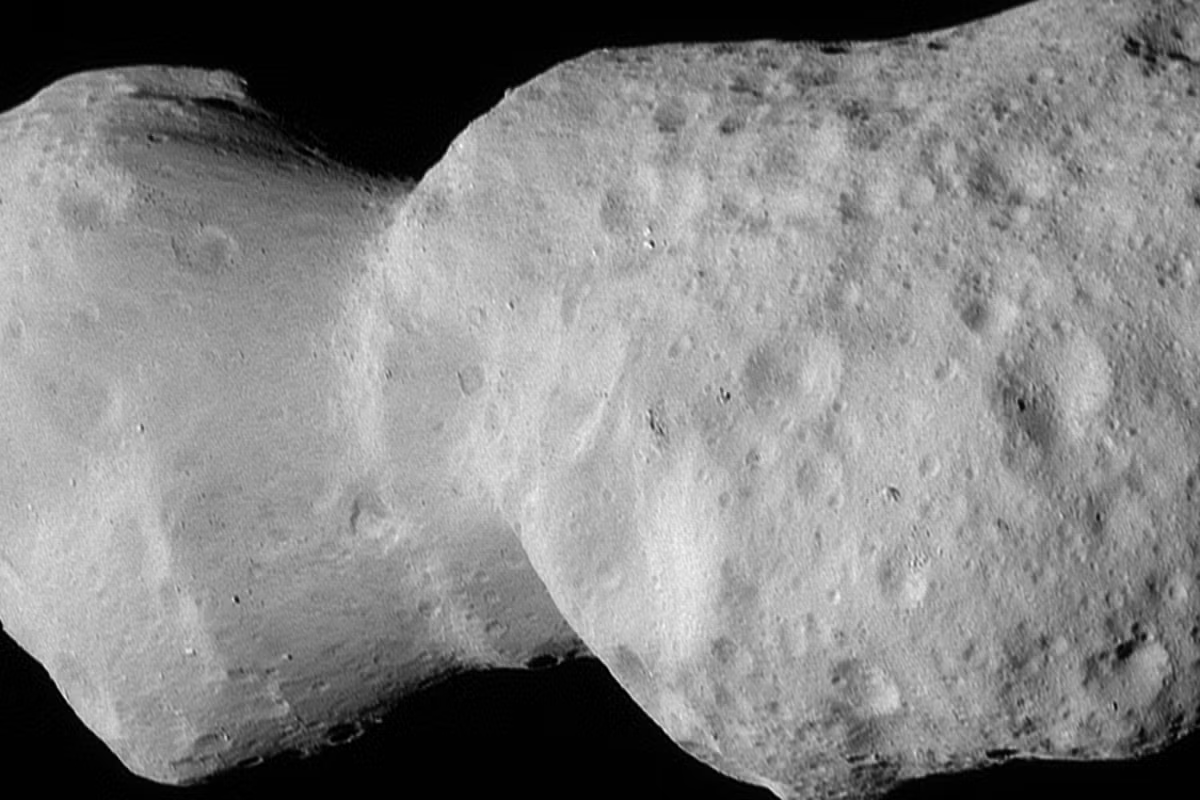
On April 20, 2025, Lucy passed within 650 miles of Donaldjohanson while traveling through the main asteroid belt on its way to a group of Jupiter Trojan asteroids. During the flyby, the spacecraft captured the first close-up images and collected detailed scientific measurements. Those observations revealed an asteroid that does not rotate in the simple way scientists expected.
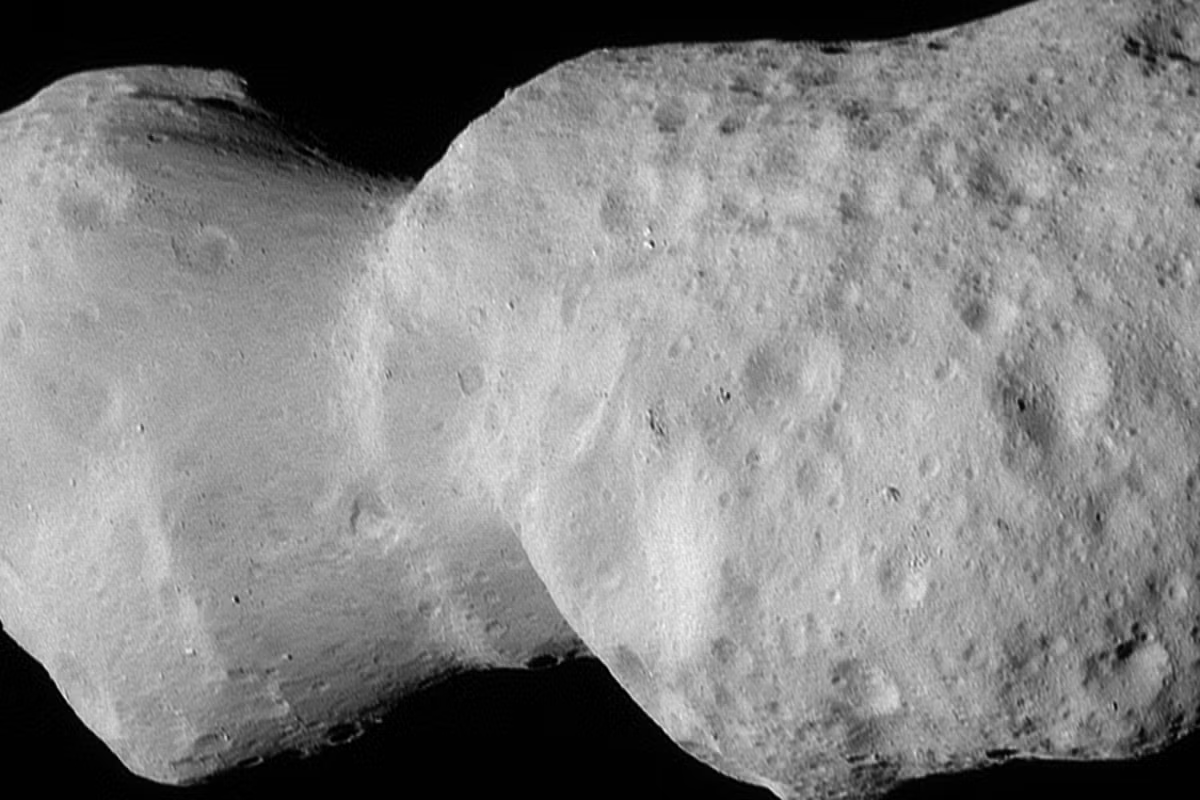
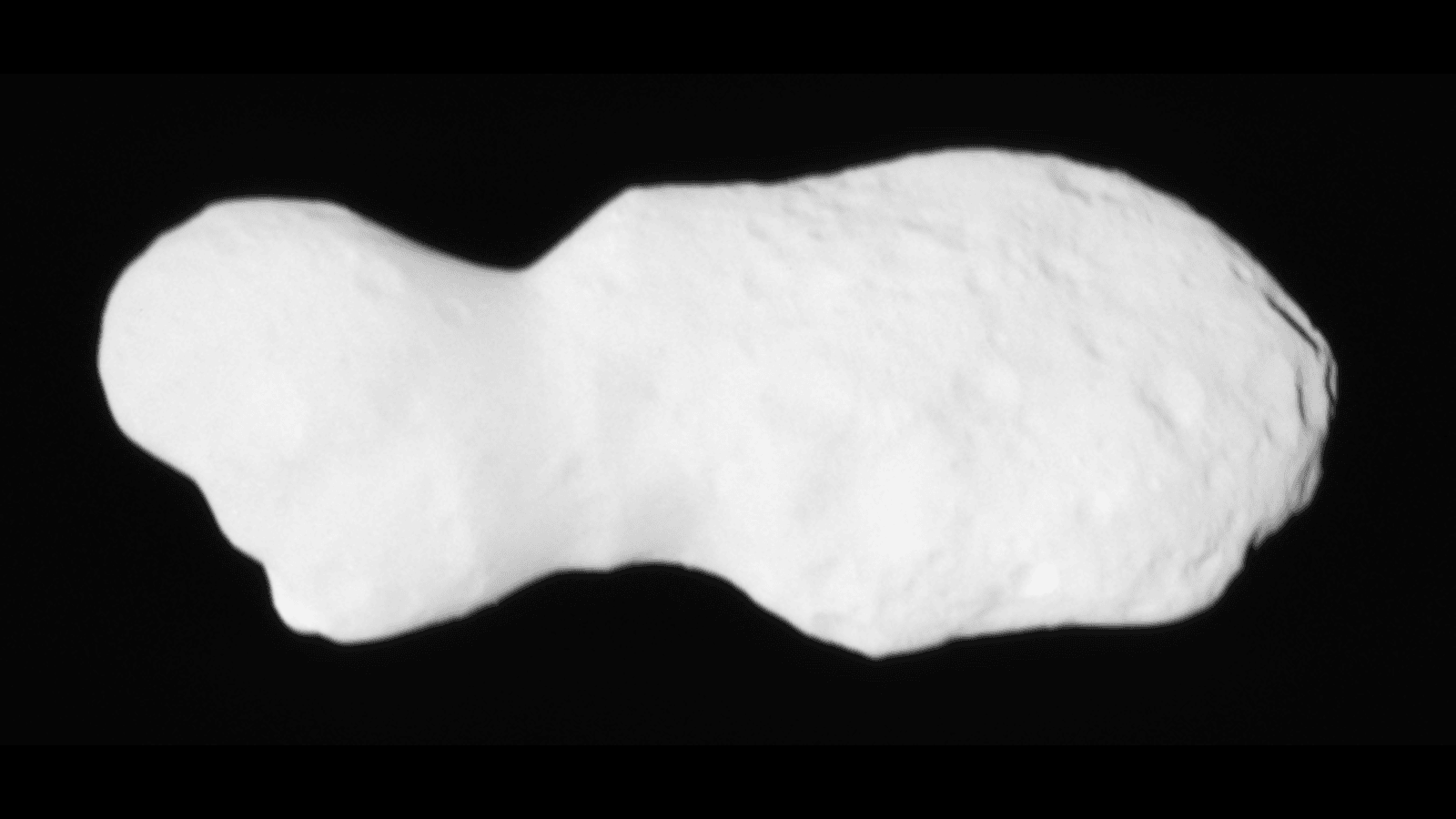
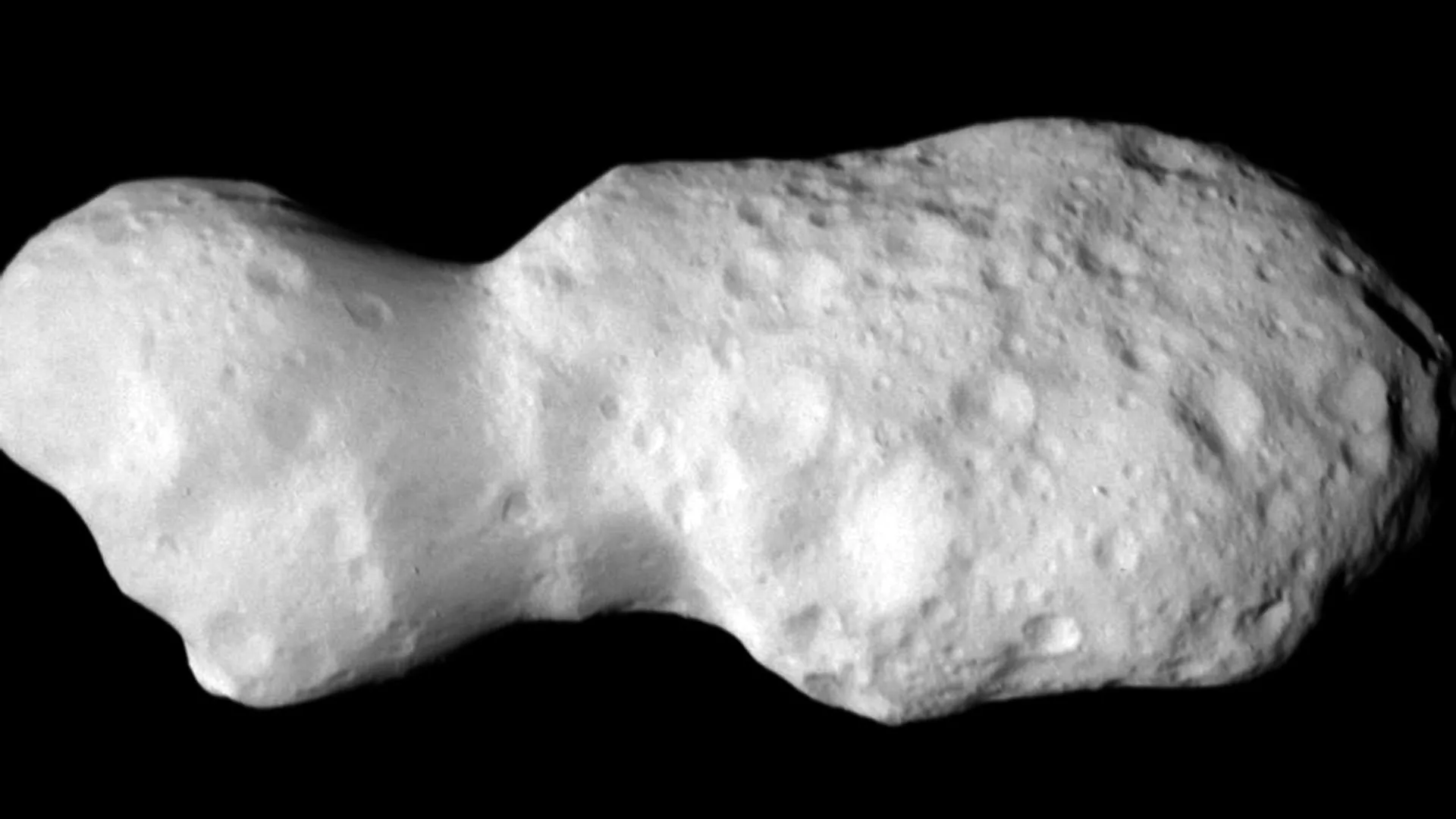
Lucy also provided detailed views of Donaldjohanson's unusual shape, along with craters, ridges, and other surface features that help tell the story of its evolution.
Lucy's Asteroid Flyby Reveals an Unusual Rotation