Climate change and over-tourism constitute critical challenges for Greek tourism, and in the medium-term work against its sustainability, the Bank of Greece has warned. At the same time, the high dependence of the domestic economy on tourism implies an increased sensitivity to external shocks.
As pointed out in the central bank’s Monetary Policy Report published Tuesday, Greece ranks among the tourism economies expected to be strongly affected by climate change, although the developed tourism infrastructure and related policies can be a mechanism to partially offset the effects.
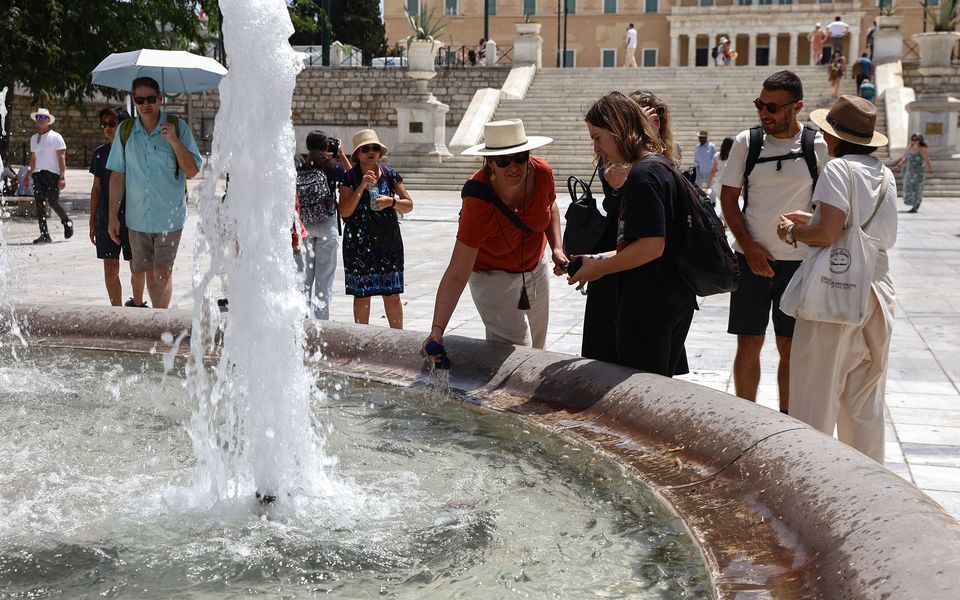
Climate change and especially the way it manifests itself in Greece, with extreme heat/heatwaves and extreme weather events significantly affect both demand and supply, necessitating the integration of climate risks into tourism policy planning.
The reduction of seasonality, the geographical dispersion of tourism activity, the development of alternative forms of tourism and the strengthening of the environmental management of the sector’s activities can be the main axes of a sustainable development model for Greek tourism, says the BoG.
It is crucial to strengthen investments in infrastructure and green investments, as well as the rational management of natural resources, with the aim of strengthening the resilience and long-term competitiveness of the Greek tourism product.