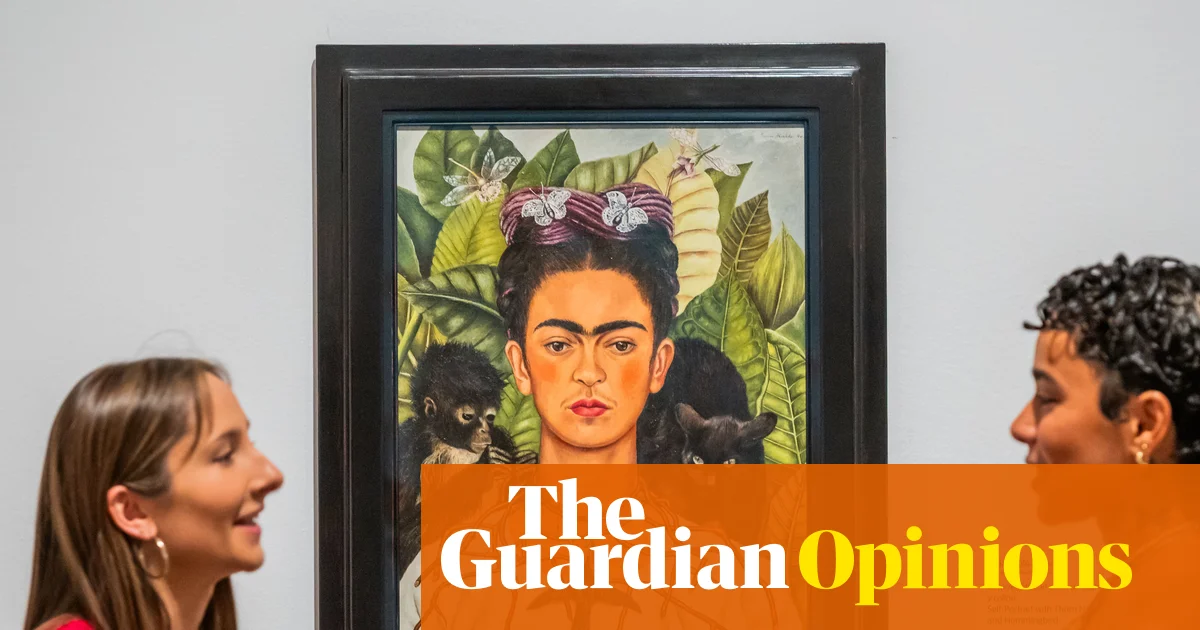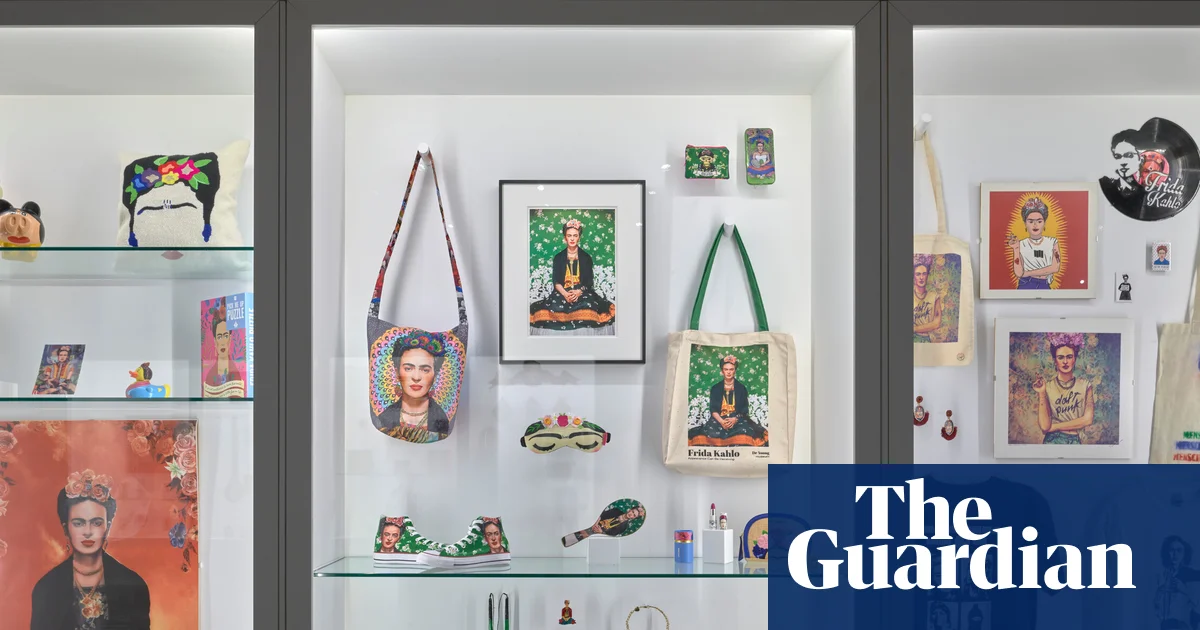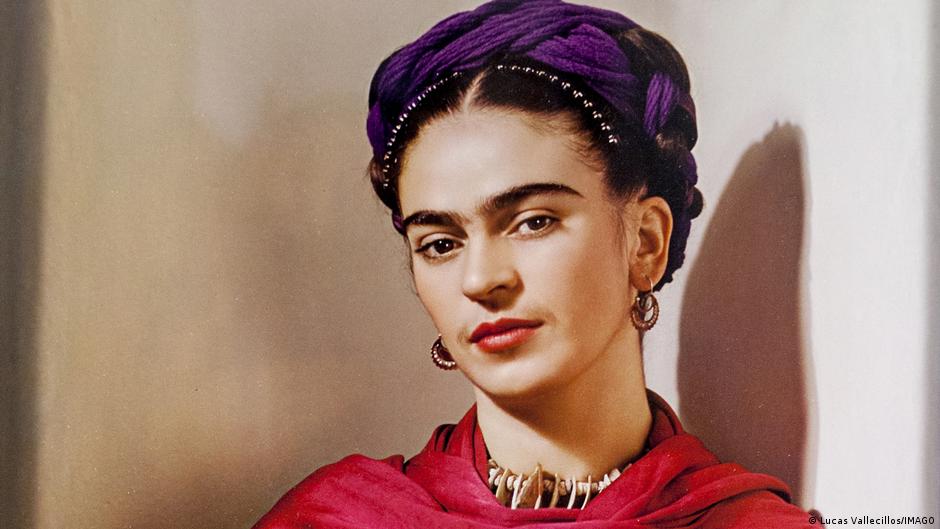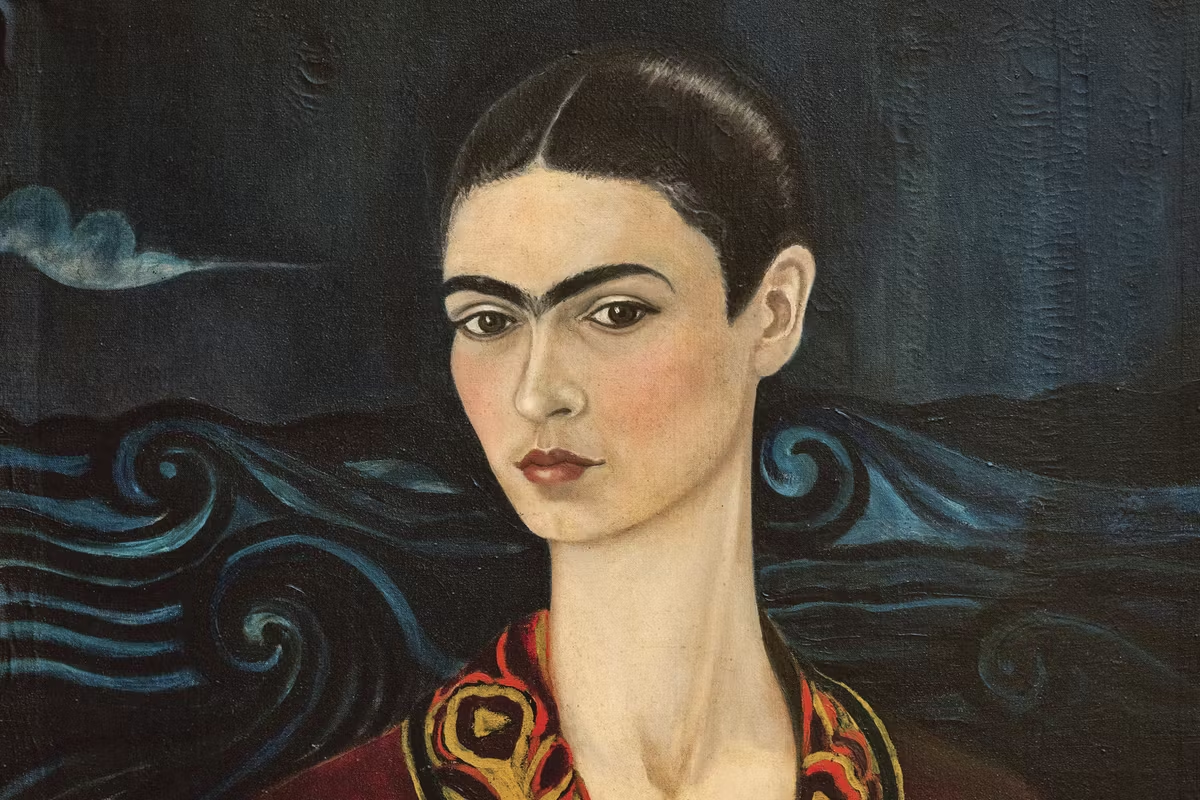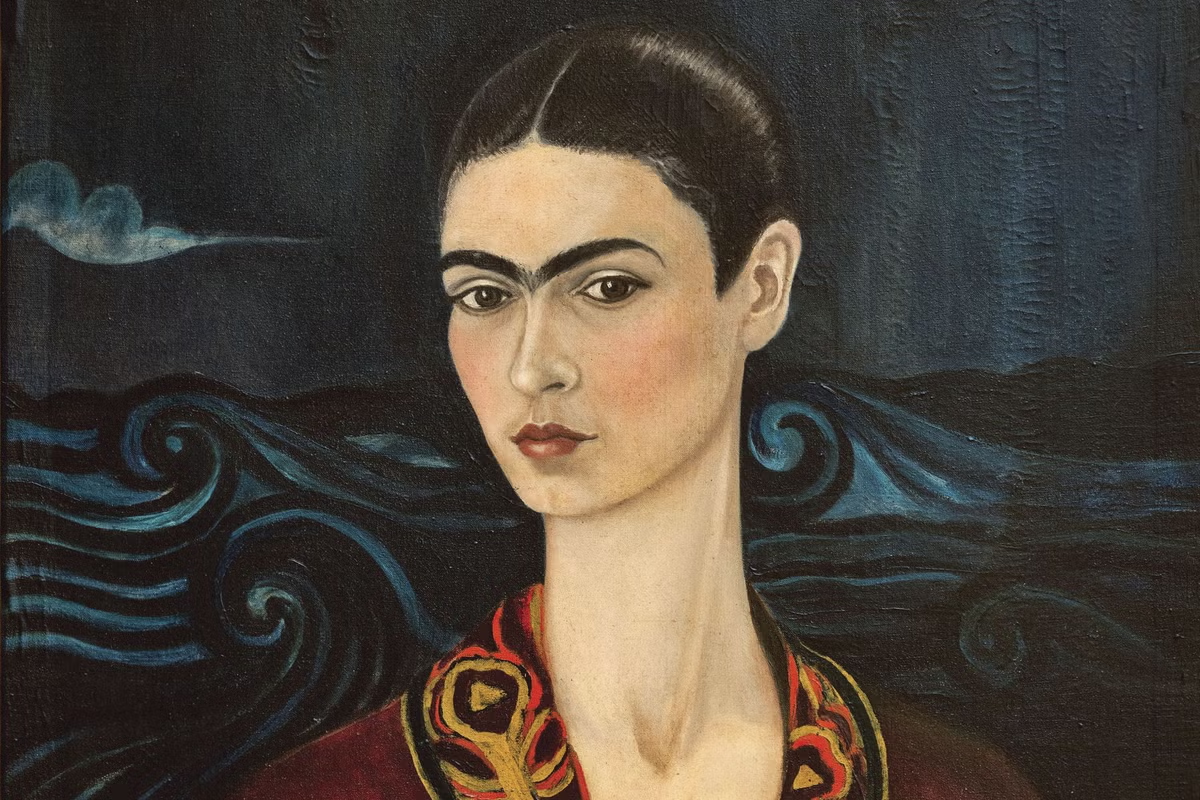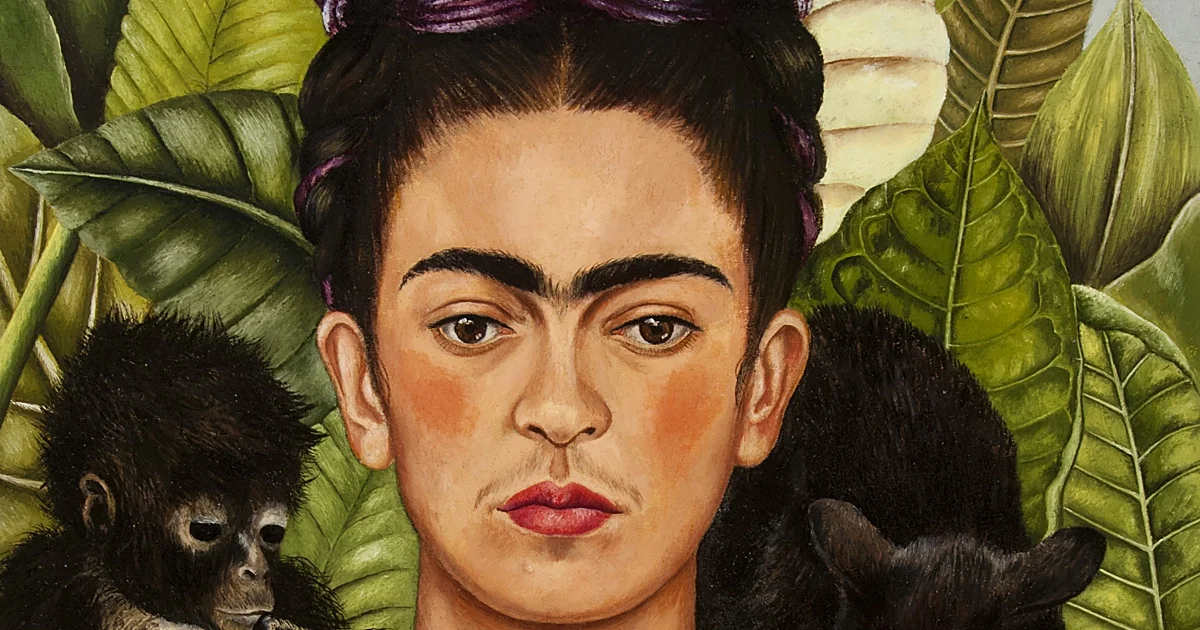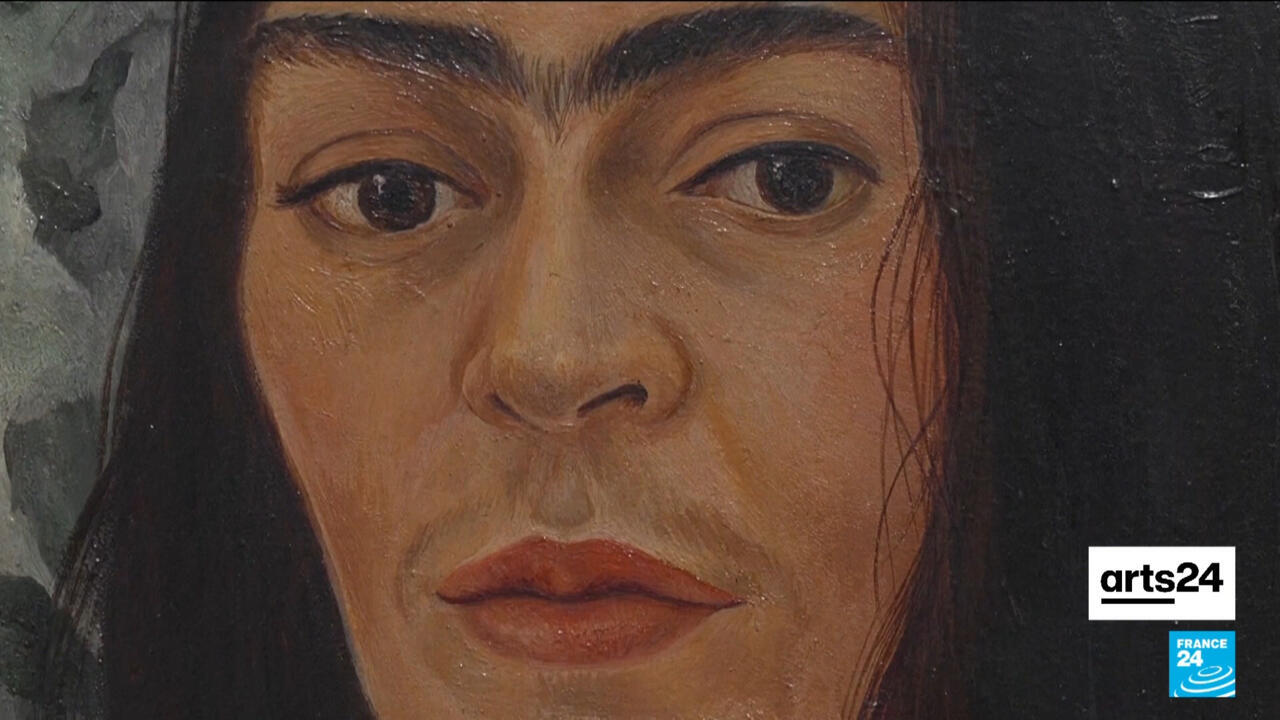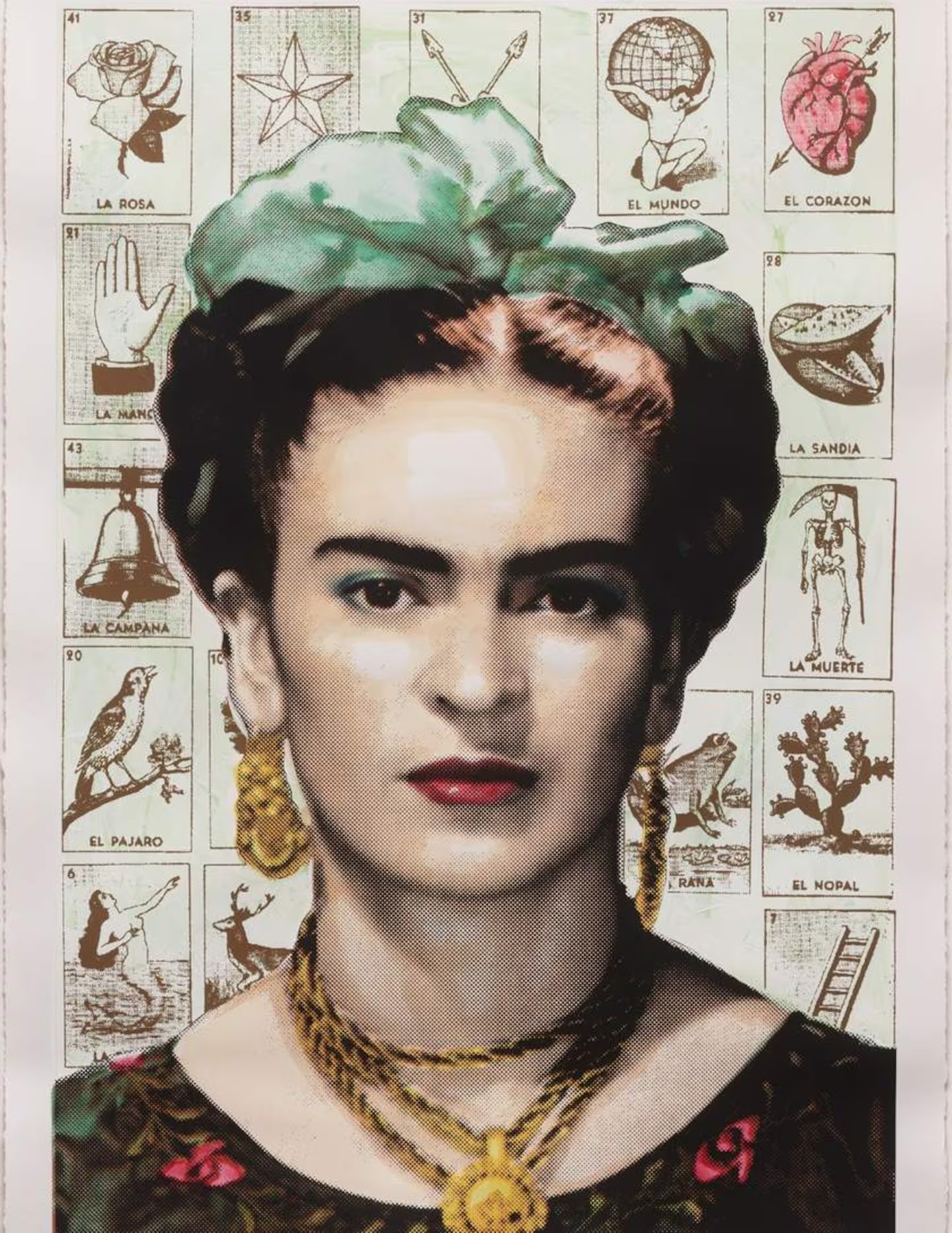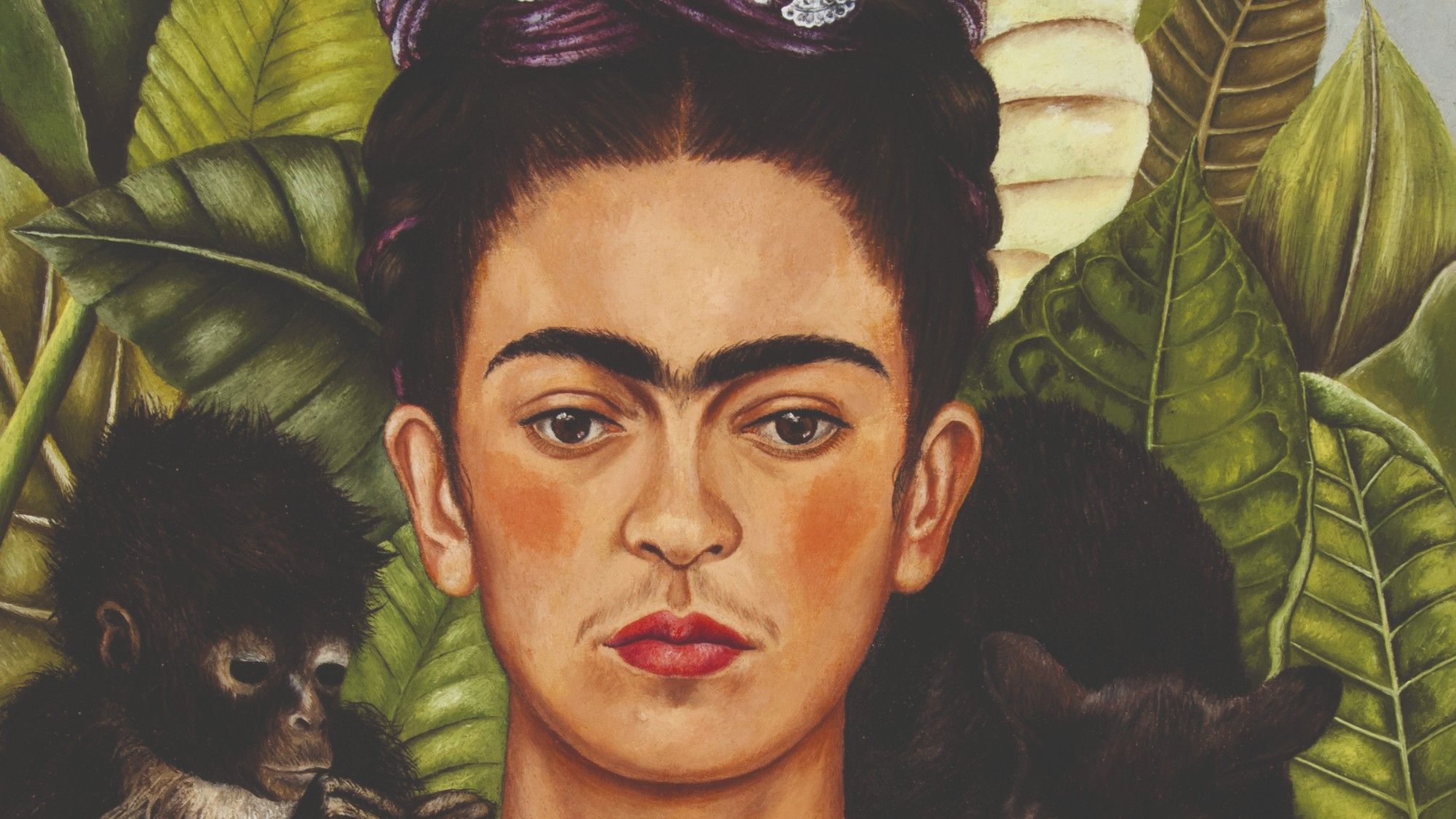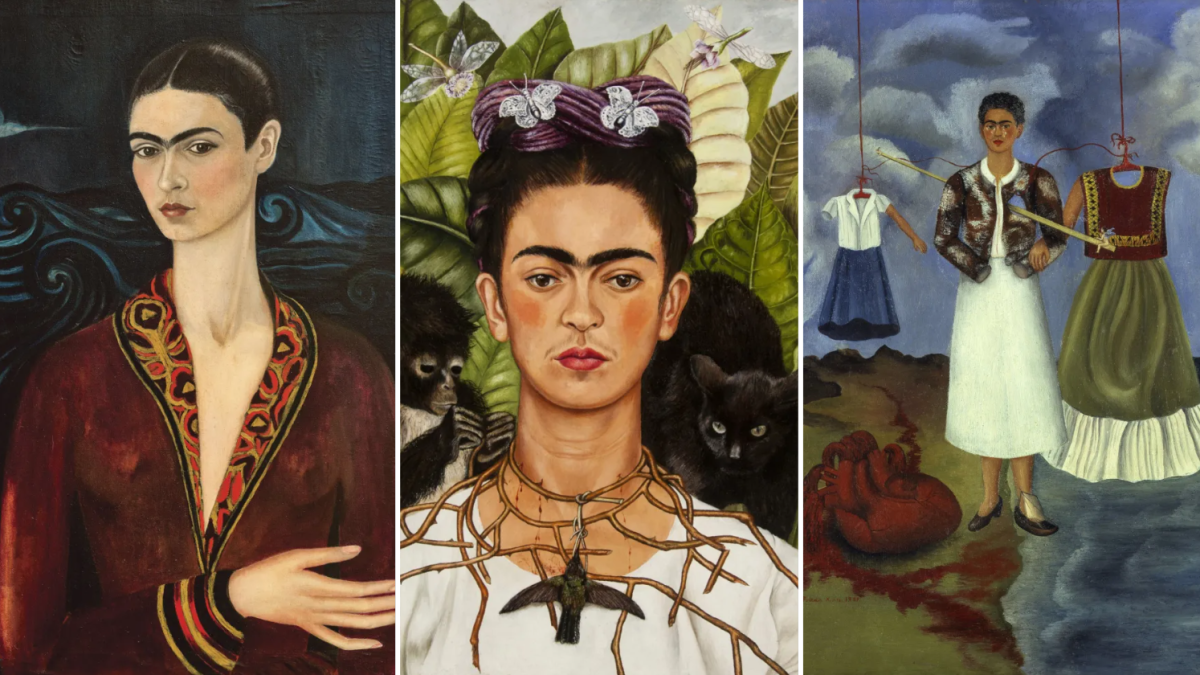
Frida Kahlo had been dead 30 years before she became a phenomenon, and you do have to wonder what she’d have made of it. What would this intellectual, bisexual, Stalin-supporting communist have thought of the worshippers in headdresses, of the votives and sacrifices to “Santa Frida”, of the twee cottage industry that sticks a monobrow on a plant pot and declares it feminist, or sells tote bags with her face and the words, “I am my own muse”, which she never even said?
The girlbossification of this great Mexican artist, who in November became the most expensive female artist in history when her 1940 painting El sueño (La cama) sold for $54.7million, has been aped and reproduced so pervasively we risk losing the person and her works to all the frenzied beatification.
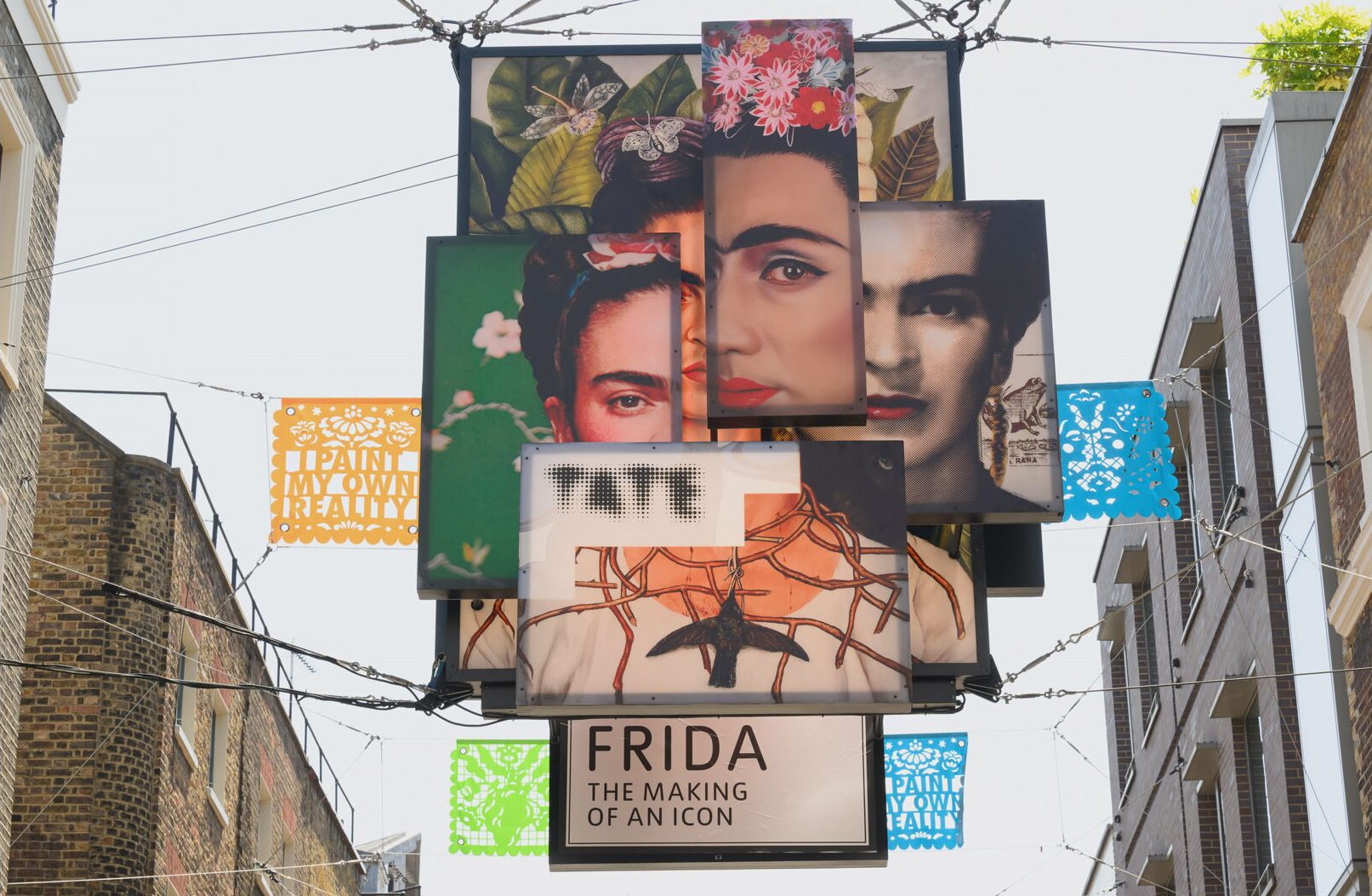
Tate Modern’s new show, The Making of an Icon, could have dismantled all that. This blockbuster exhibition – 21 years since its landmark retrospective and, unsurprisingly, the fastest-selling show in its history with 41,000 tickets sold before it opened – was an opportunity to separate the real, singular woman and her vision from the sanitised, commodified sensation. Instead, well, they’re selling tote bags too.
Now, I’m not of the opinion that you have to earn an appreciation for art. You don’t have to know the minute details of an artist’s life or troubles to “get” their work: if you are intrigued by what something looks like, that is enough. I do, however, think that a major exhibition about a woman idolised for decades has a duty to deliver more than just a passing mention to the many, many traumas and tragedies that shaped her identity and her art, that are already sidelined too often.