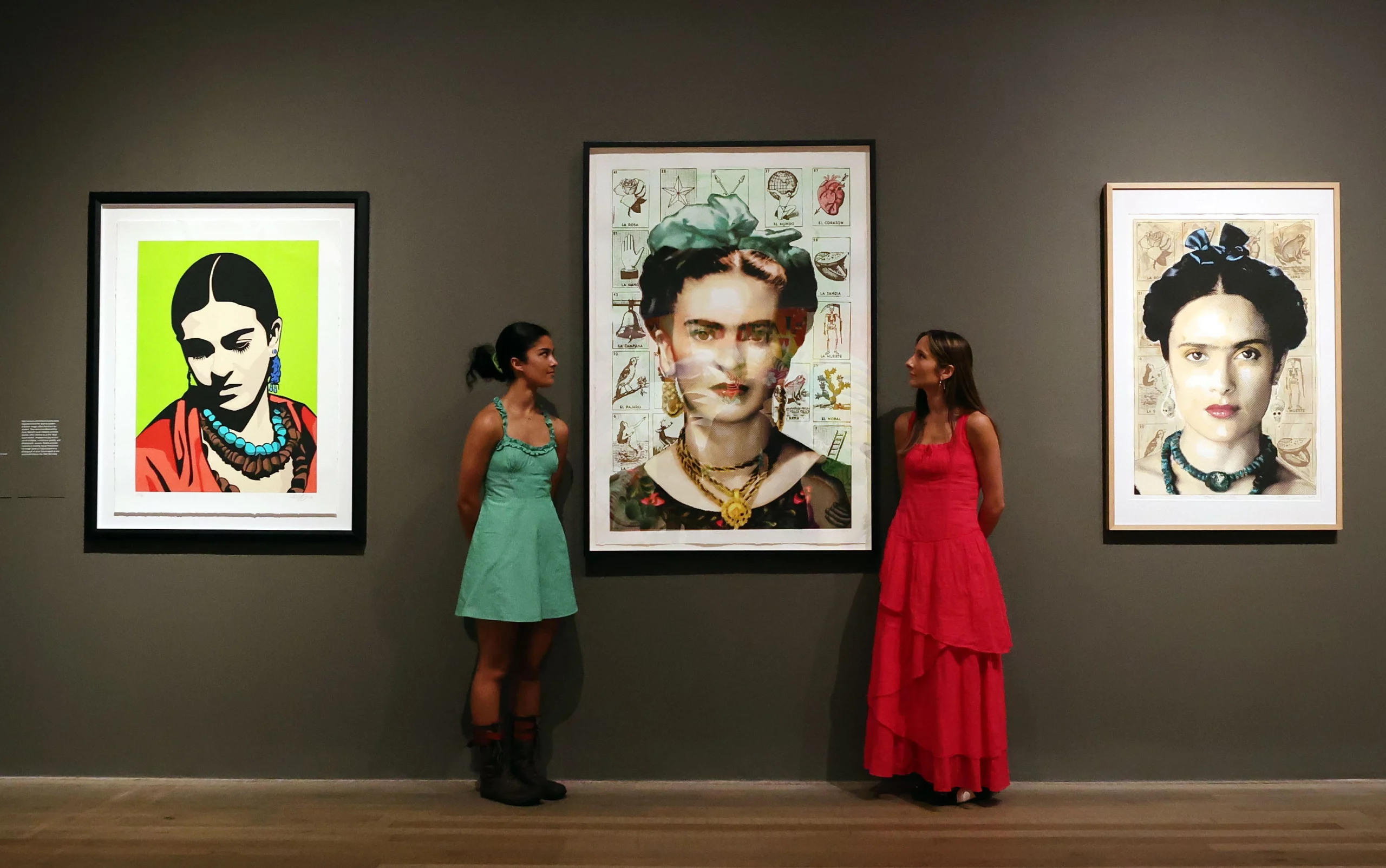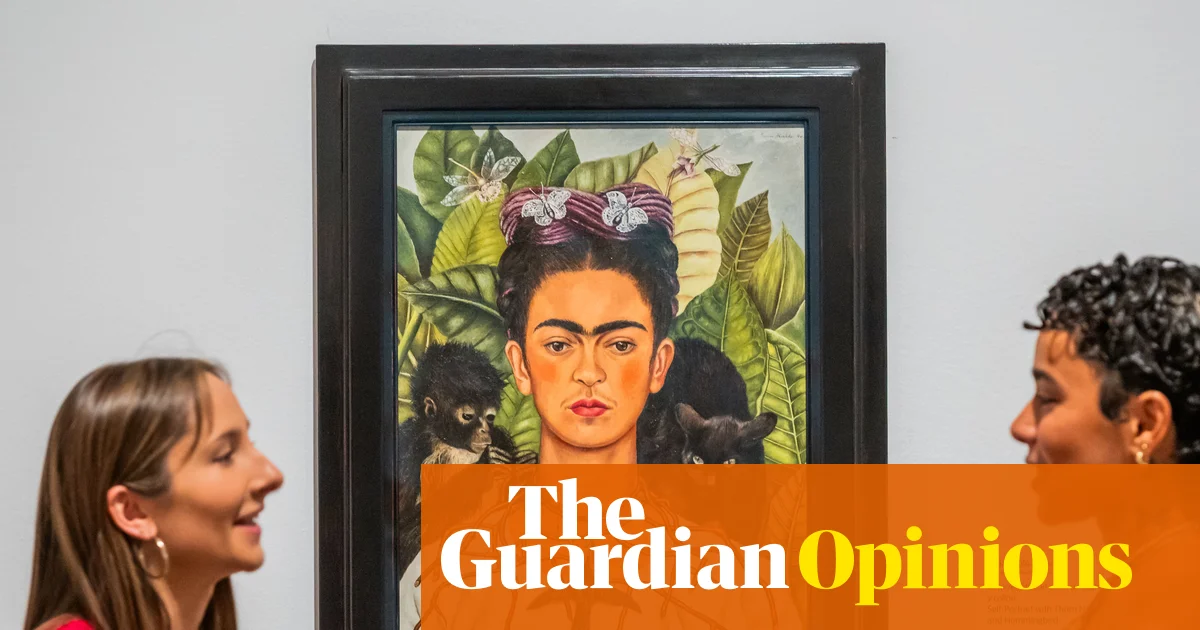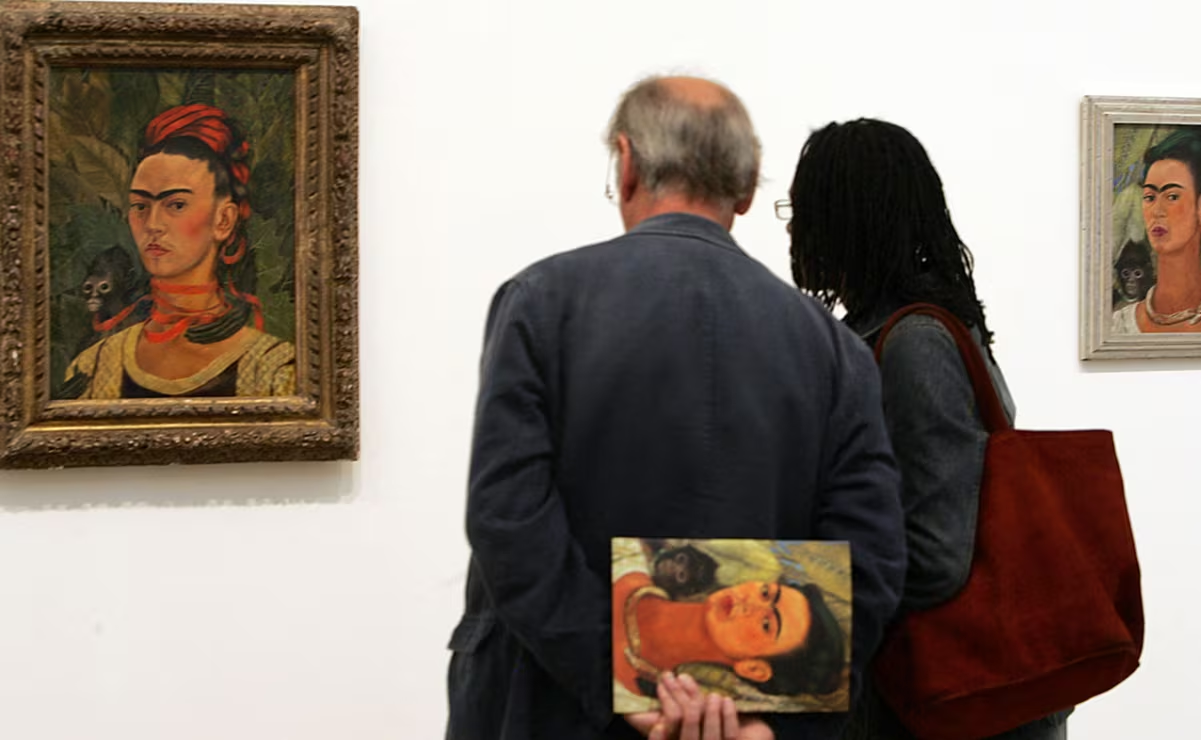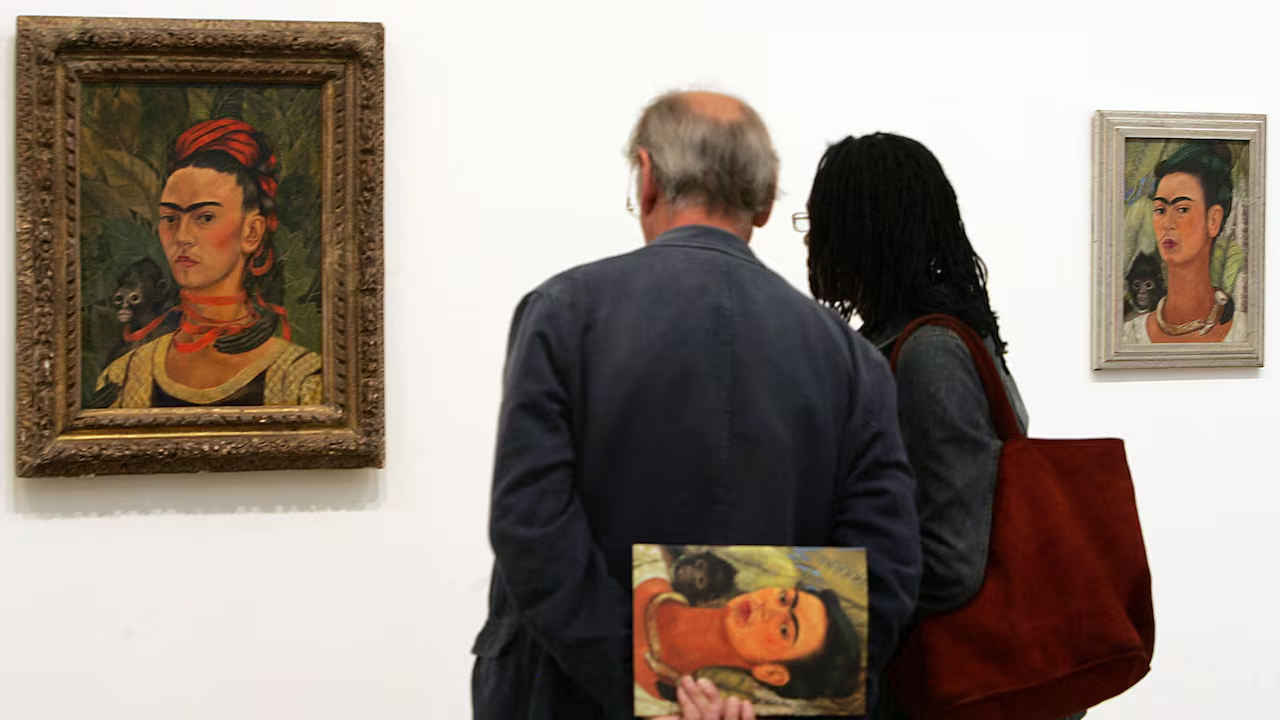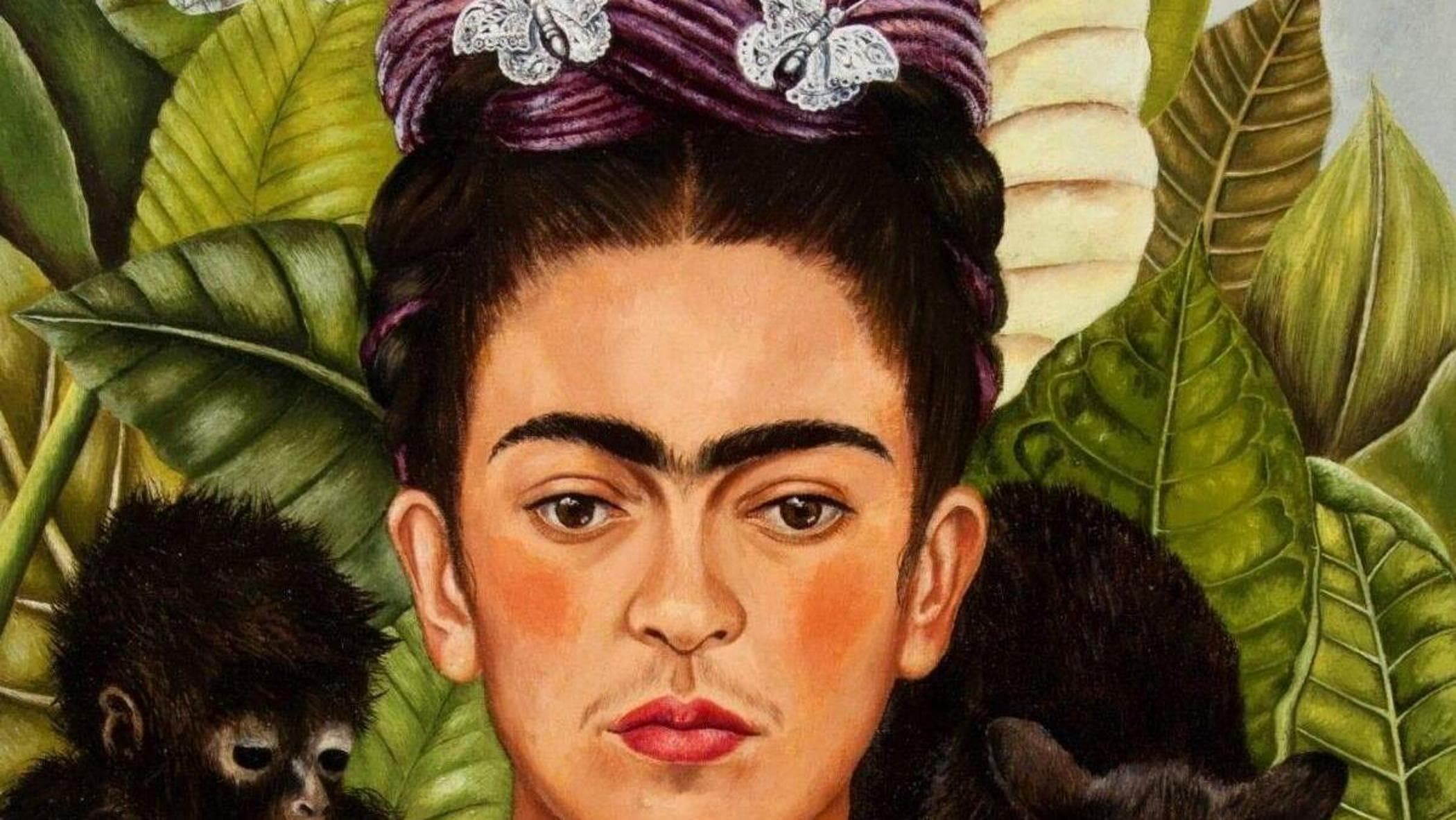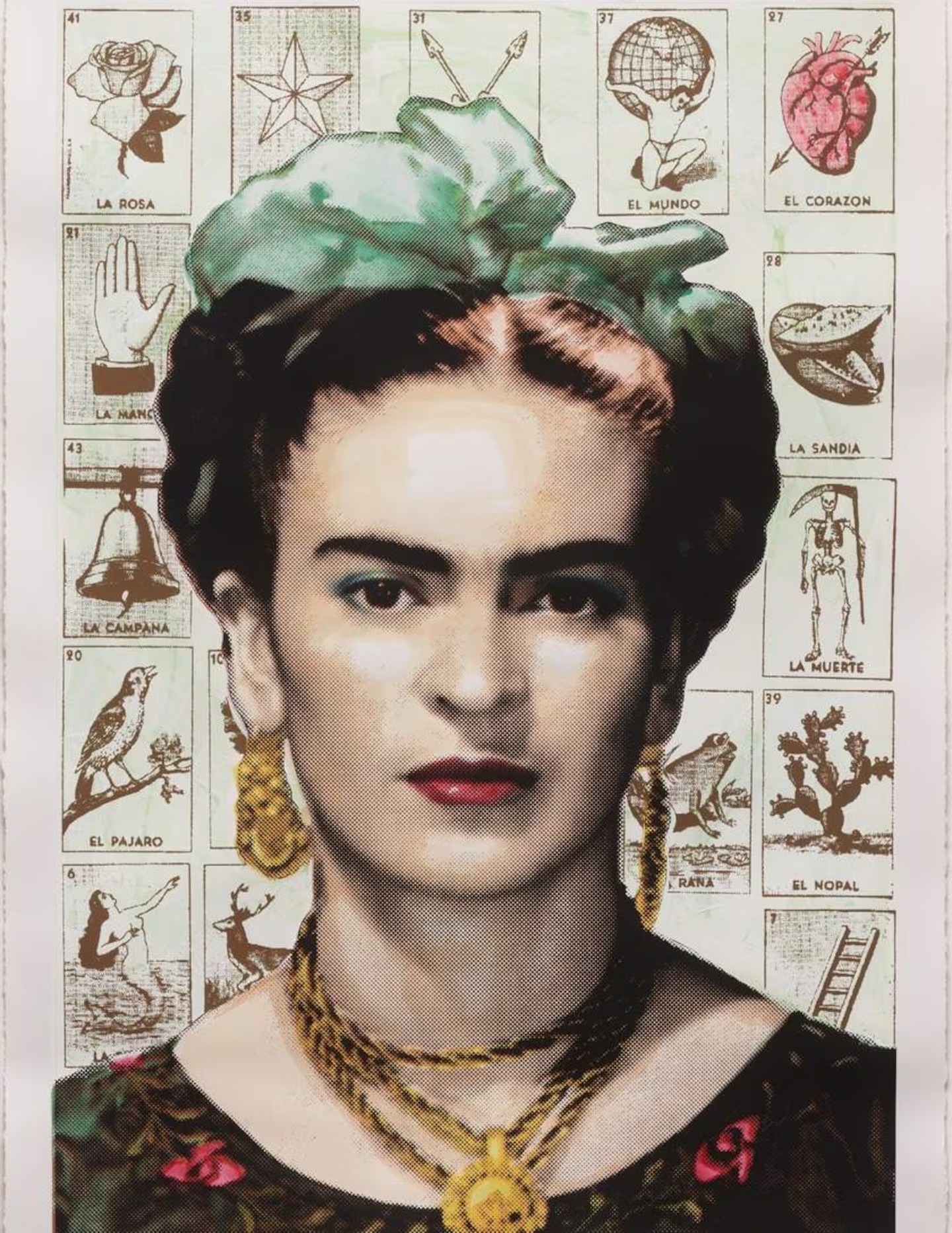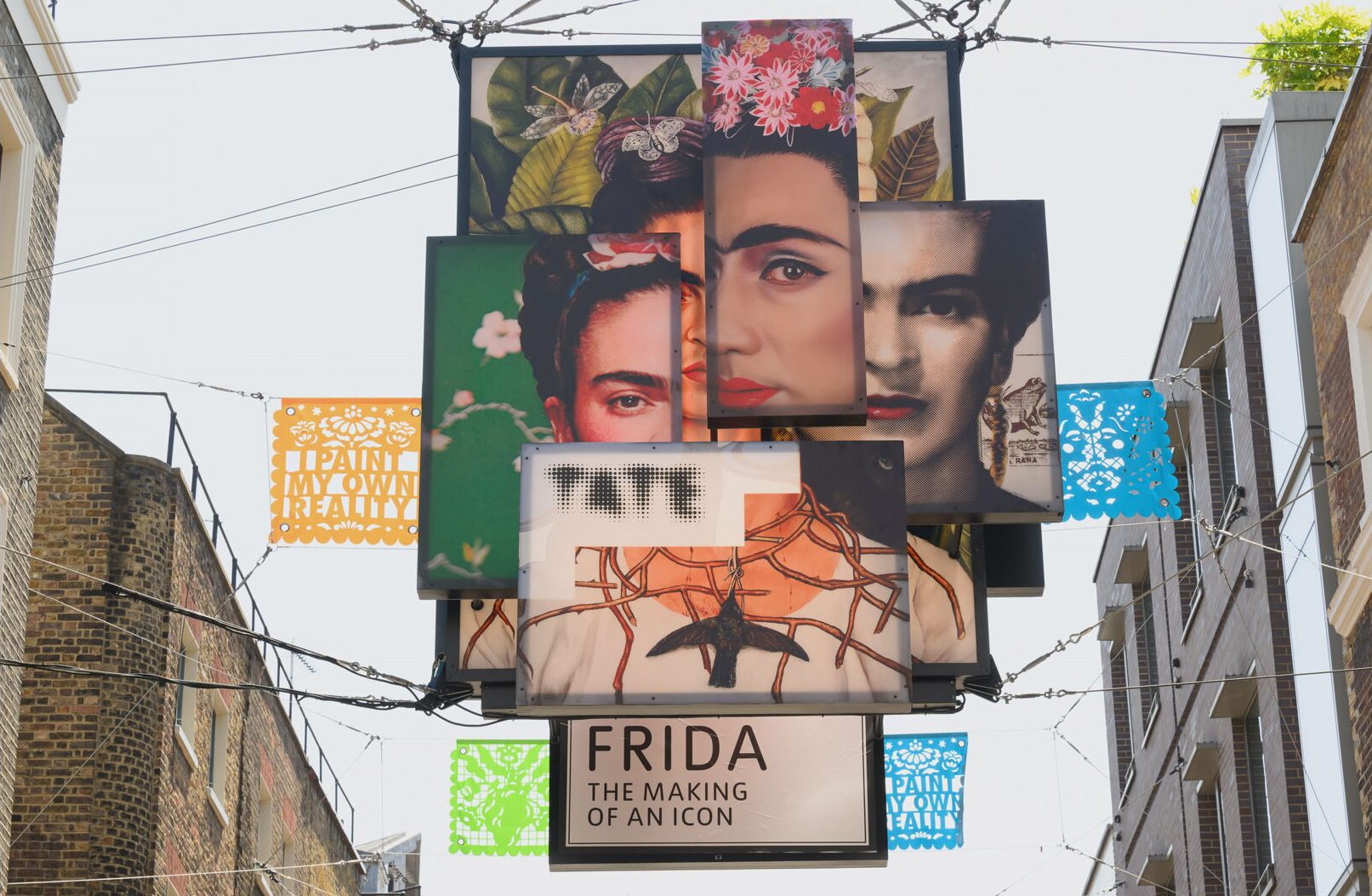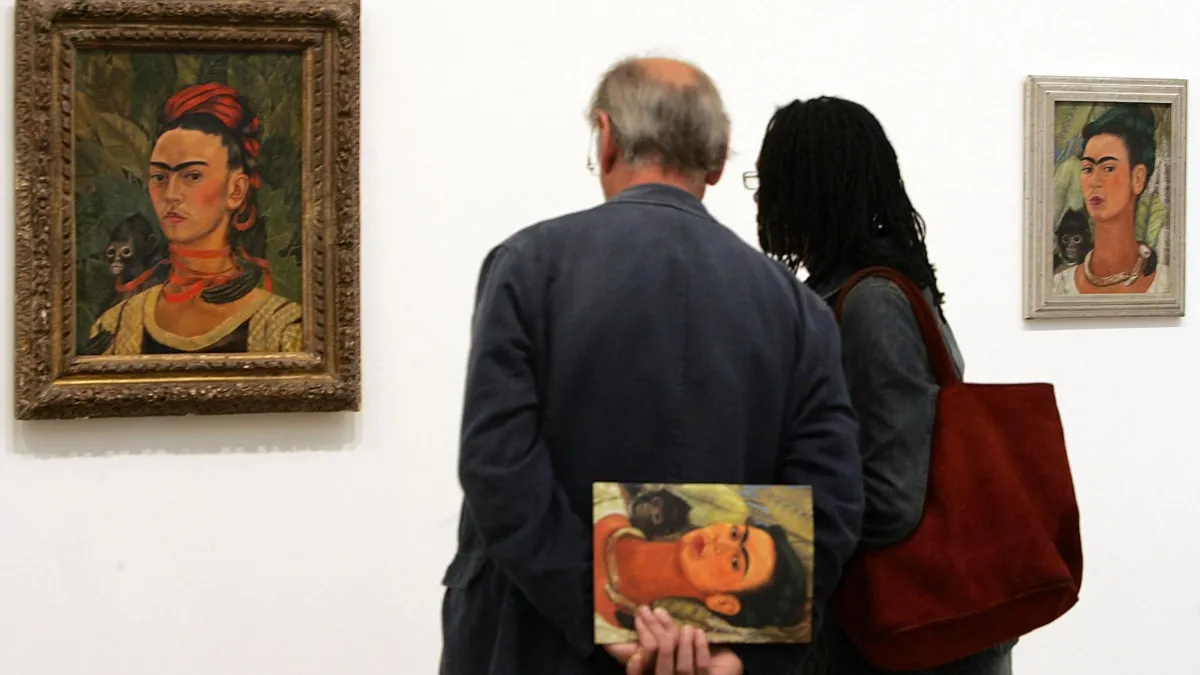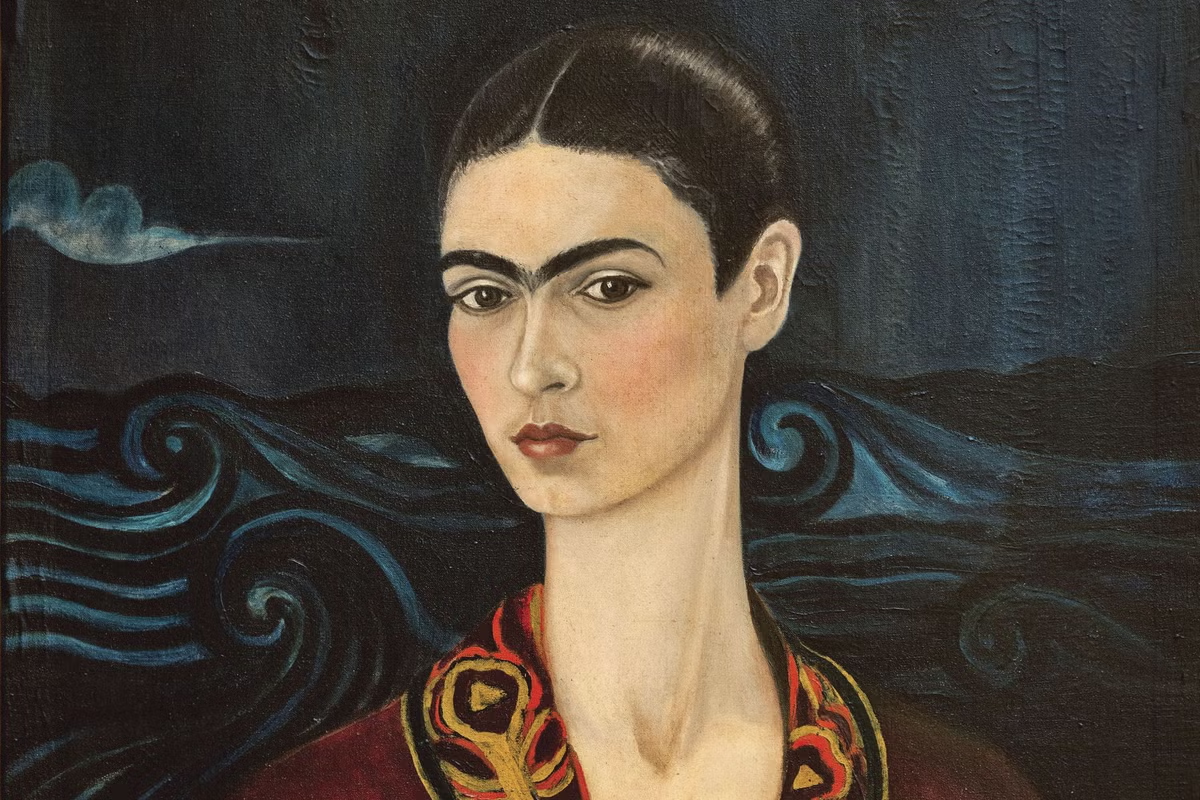
A major Frida Kahlo exhibition unpacking the Mexican artist’s extraordinary legacy will draw tens of thousands of visitors to London’s Tate Modern in the coming months. The blockbuster show, which opens this week, has attracted unprecedented levels of interest, shifting more than 41,000 tickets to become the Tate’s highest pre-selling exhibition ever, breaking a record previously set by a 2017 David Hockney show.The demand is unsurprising. Decades on from her death in 1954, and following a feminist reappraisal of the artist in the 1980s, the world is still in the grip of Frida Fever. She is the most Googled female artist of all time, the second most overall after Leonard da Vinci. Today Kahlo’s impenetrable mien – that prodigious monobrow and braided updo – adorns everything from fuzzy socks to cake toppers. And so, the chance to get up close and personal with Kahlo this summer has proven predictably irresistible to many. Many of those same people might find themselves surprised by how few Frida Kahlo works there are in a show about, well, Frida Kahlo. Frida: The Making of an Icon features no more than 33 of its subject’s works – less than the originally stated 36. These are presented alongside her garments, personal memorabilia and photographs of her. The rest of the show comprises 200 works by other people – her contemporaries, and some of the many thousands of artists who have paid homage to her over the years including Tracey Emin and Ana Mendieta, both of whom feature in Tate exhibitions this year. Early reports had highlighted difficulties that the Tate faced in trying to secure paintings for the show. Reviews, meanwhile, have picked up on this lack of Frida, noting that the Tate’s 2005 Kahlo exhibition showcased 80 of her works by comparison. “It’s hard not to feel cheated when you see Rosalie Favell’s 2003 reworking of Kahlo’s Self-Portrait with Cropped Hair (1940), with a tiny reproduction of the absent original beside it,” writes Chloë Ashby in The Independent’s review. Co-curator Tobias Ostrander, however, maintains that the show was never intended as a retrospective like its predecessor, even in the earliest stages of development six years ago. “The attraction of this show is to offer another take, or another chapter,” he says. “Looking at the Frida effect... the larger cultural dynamics that have created Frida, the icon – the most recognisable artist in the world at the moment.” Ostrander concedes that it would have been “very hard to do a classic survey of Frida” today because loans are more difficult than in the past. On why that is, he cites “the high value of the works” as part of the reason. Kahlo is, in fact, the world’s most expensive woman artist at auction; her 1940 surrealist self-portrait “El sueño (La cama)” set a new record last year when it sold at Sotheby’s for $54.7m. At one point Tate was trying to secure a loan of that same work from the unidentified buyer, but was unsuccessful in its attempt. “We live in a volatile world currently so people are aware of the fragility of paintings,” Ostrander says. And it’s not just the Tate that has run into issues; in April, the long-term loan of a trove of Kahlo paintings, including 1933’s “Self-Portrait with Necklace”, from Mexico City to Spain prompted protests from the country’s cultural elite who said the move would rob Mexicans of an artistic treasure. Conservation is a typical concern when it comes to big-budget art loans – critics of the Bayeux Tapestry’s impending move from Normandy to Britain, for example, highlight the delicacy of the 1,000-year-old linen – but Kahlo’s works tend to be especially closely guarded. “People are very, very connected to their Frida paintings. It’s a very personal relationship,” says Ostrander. “And so people feel close to the artworks they were bought or were given. Frida becomes a saint-like or a talisman-like figure for them. There was one older collector who was going to loan some works and then decided not to when she got sick because, as she said, ‘I can’t live without my Frida. I need my Frida.’ There is this real sense of Frida Kahlo being a guiding force and a real source of strength for people.” This year’s exhibition showcases 33 of Frida Kahlo’s artworks in comparison to the Tate’s 2005 show, which featured more than 80 (PA)Ostrander notes the same dynamic played out in Kahlo’s lifetime, during which her ill health – she was diagnosed with polio at age six, and suffered 20 bone fractures, mostly to the spine, in a bus accident aged 18 – often precluded her from social occasions. “Her paintings often served as a surrogate of herself,” says Ostrander. “People forget that many of her self-portraits were made as commissions by friends, collectors, supporters – or made for her lovers and friends. The paintings stood in for her. Frida couldn’t travel as much as she probably wanted to, so they became these sort of surrogate selves to share with people when she couldn’t be [physically] present. And so that has always been there – this idea of her aura, her person contained within the work.” The Tate show centres this relationship between Frida and her admirers, through the some 200 works by other artists that fill out the rest of the exhibition. “In today’s world, she has come to symbolise many things,” says Osterlan. “She is a symbol of resistance, a symbol of cultural pride… an anti-establishment, anti-hegemony figure, as well as an artist, a woman, a woman of colour, a bisexual woman, and a woman living with disability – all the while presenting herself with such a unique aura of strength.” Mary McCartney’s ‘Being Frida’ featuring Tracey Emin is one of the some 200 works by other artists to feature in the Tate exhibition (Mary McCartney)In short, Frida Kahlo is an icon – hence the exhibition’s name and focus. “The idea of Frida-mania speaks to her iconography,” says art historian Katy Hessel. “We don’t have icons written by women. From Venus to Medusa to the Virgin Mary to Mary Magdalene, these archetypes were all written by men, but what Frida does is make herself an icon.” The Tate exhibition, she says, “made me realise the global effect that Frida has had on people, which is a really interesting angle for a show to take”. Hessel is unbothered by the lack of Kahlo’s own works in the show. “It’s not a retrospective,” she says. “Curators have to keep reinventing the way they want to tell an artist’s story because there have already been retrospectives. So... how do we reframe Frida for our world now?”
The reason why Tate’s Frida Kahlo show has so few works by the Mexican artist
The major summer show looks at how Kahlo has become an icon – something that a leading feminist art historian says the painter actually initiated herself
1,111 words~5 min read