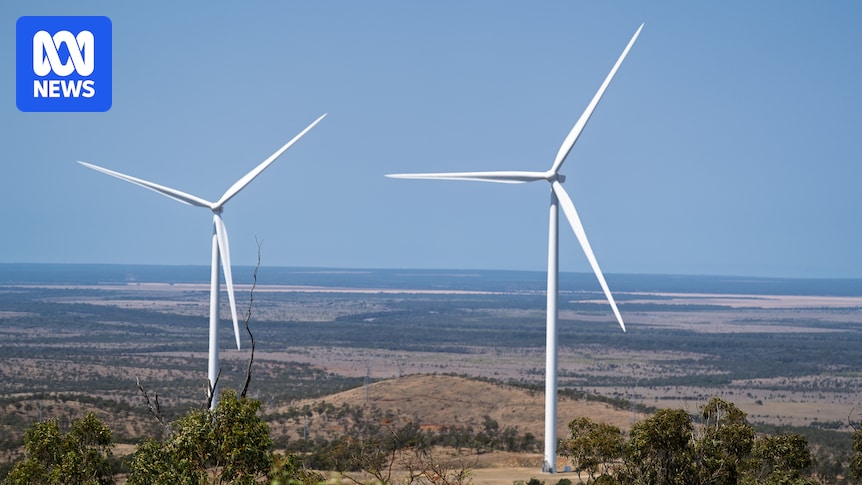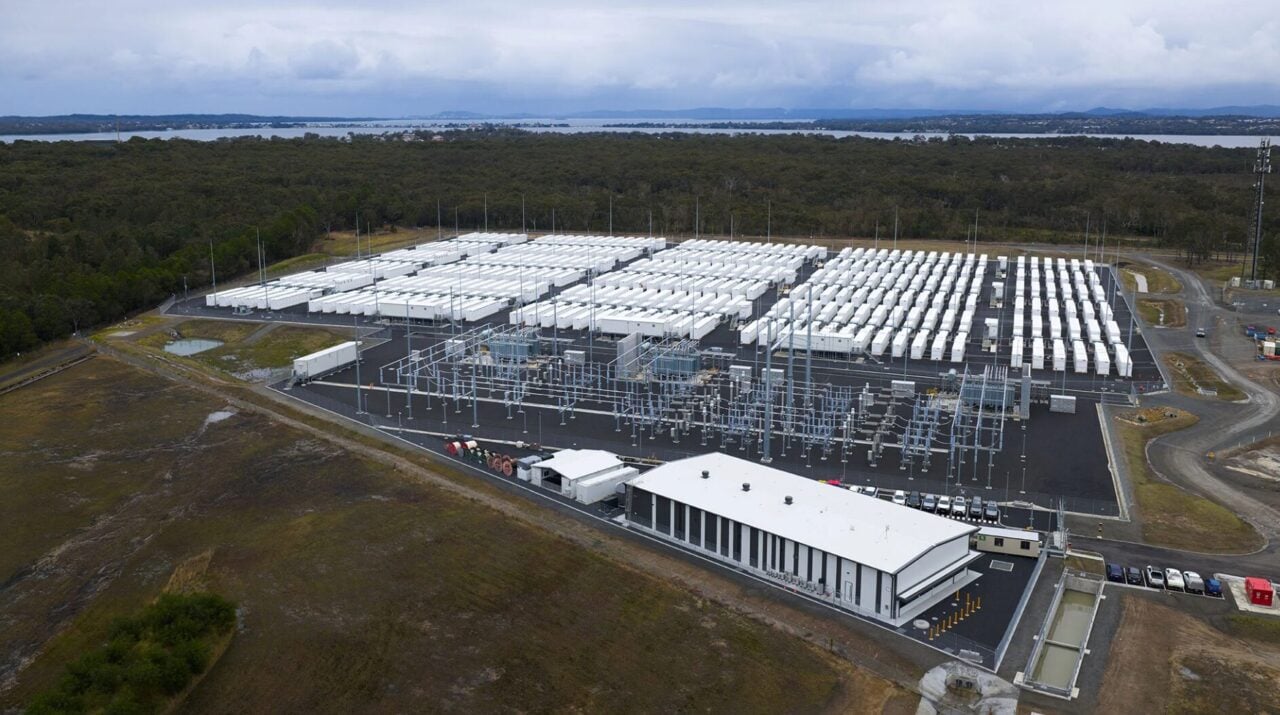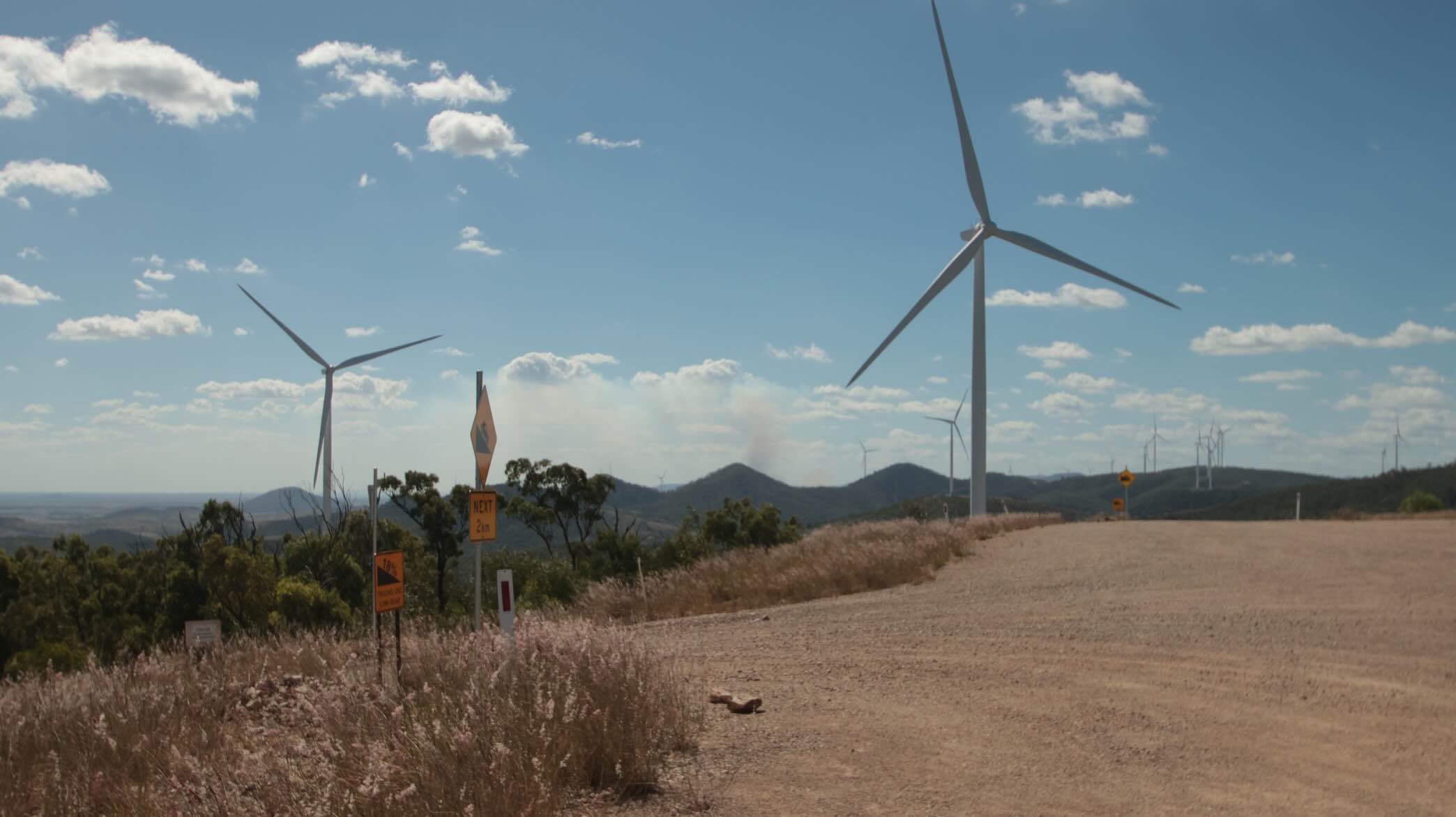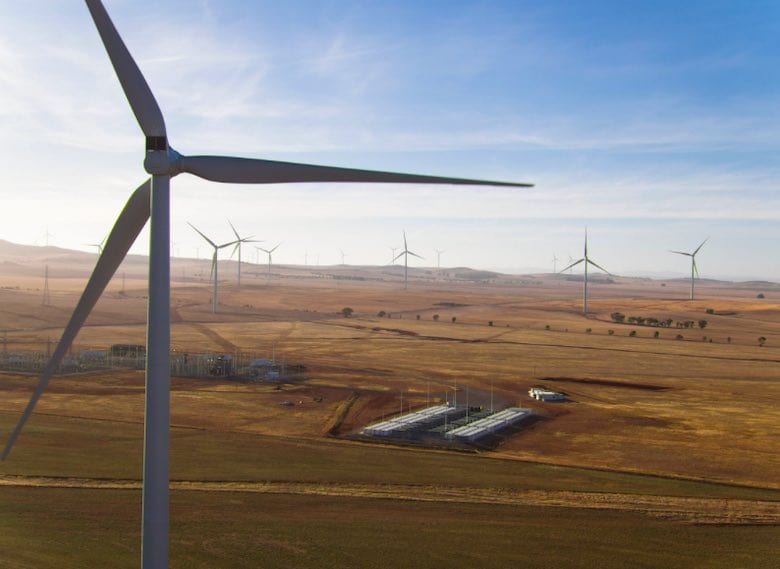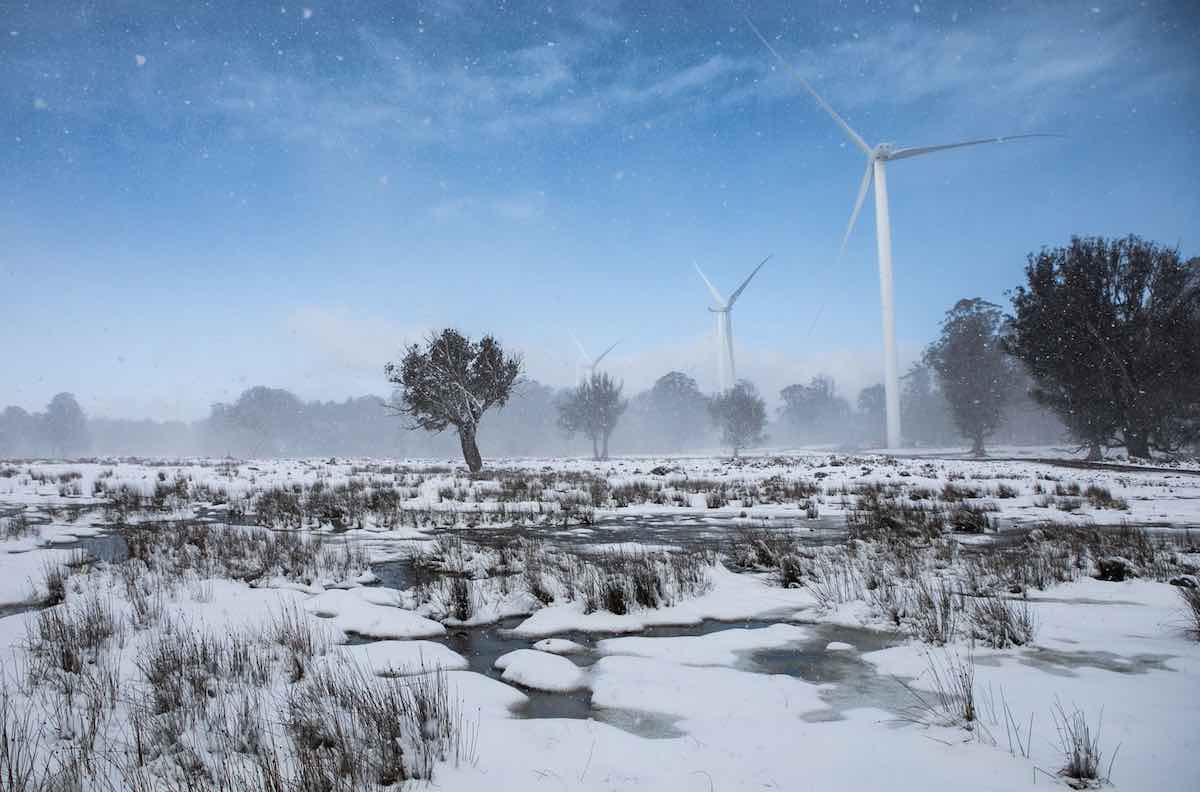
The recent dunkelflaute – several days of low solar and wind generation on Australia’s National Electricity Market – has driven debate about how it can be managed.
The main challenge occurs in winter, when solar generation decreases, especially in southern Australia where the sun is low in the sky and cloud is common, and this is compounded by low wind.
These situations occur very rarely, so private investment in generation capacity is less likely to be cost-effective, while prices at those times can be high.
The first issue is that this problem is driven by high electricity demand in cold weather. The main driver of this is use of inefficient heating equipment used in thermally inefficient buildings.
It is bemusing that this is rarely mentioned in discussions about addressing the problem. As the International Energy Agency and the European Union repeatedly point out, energy efficiency is “the first fuel” in the transition to net zero. In Australia, it is the “forgotten fuel.” It’s certainly not rocket science.