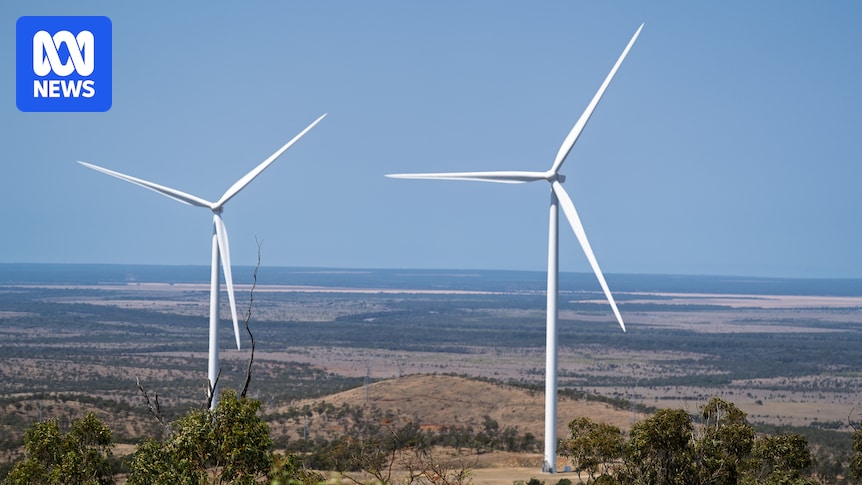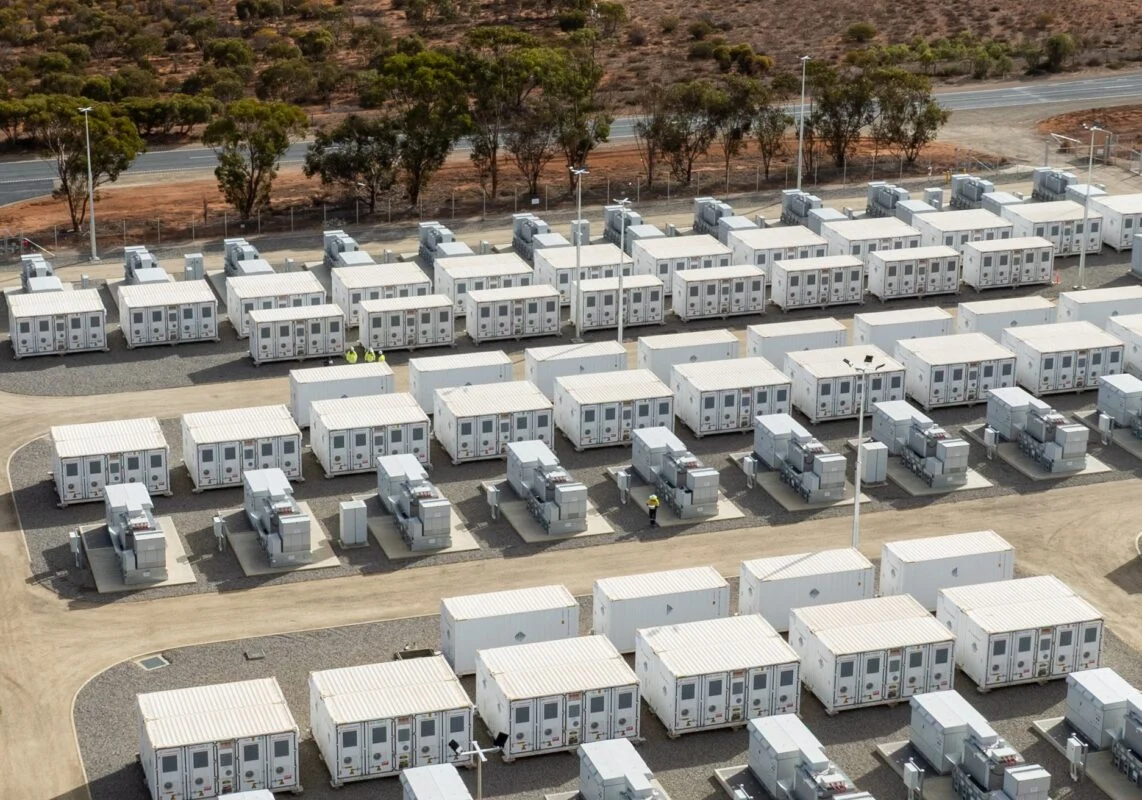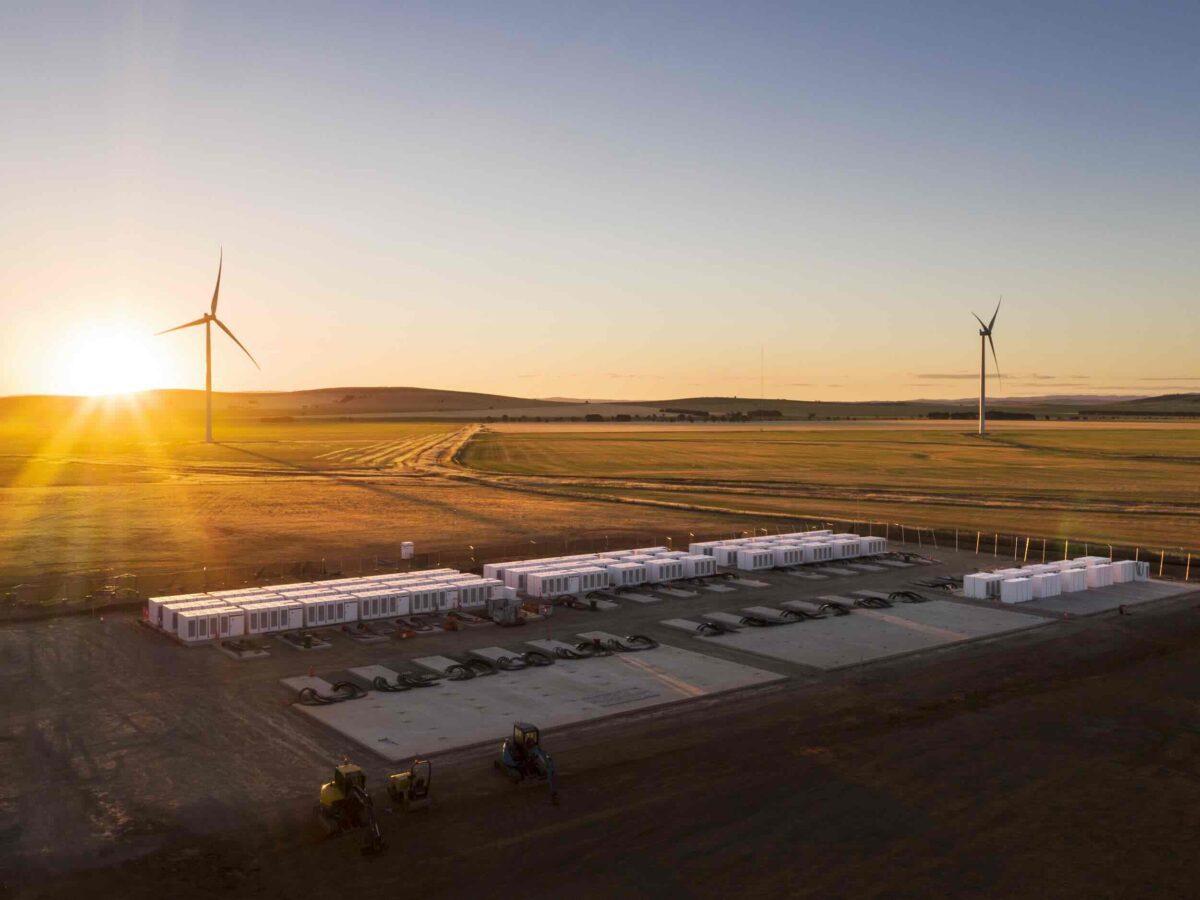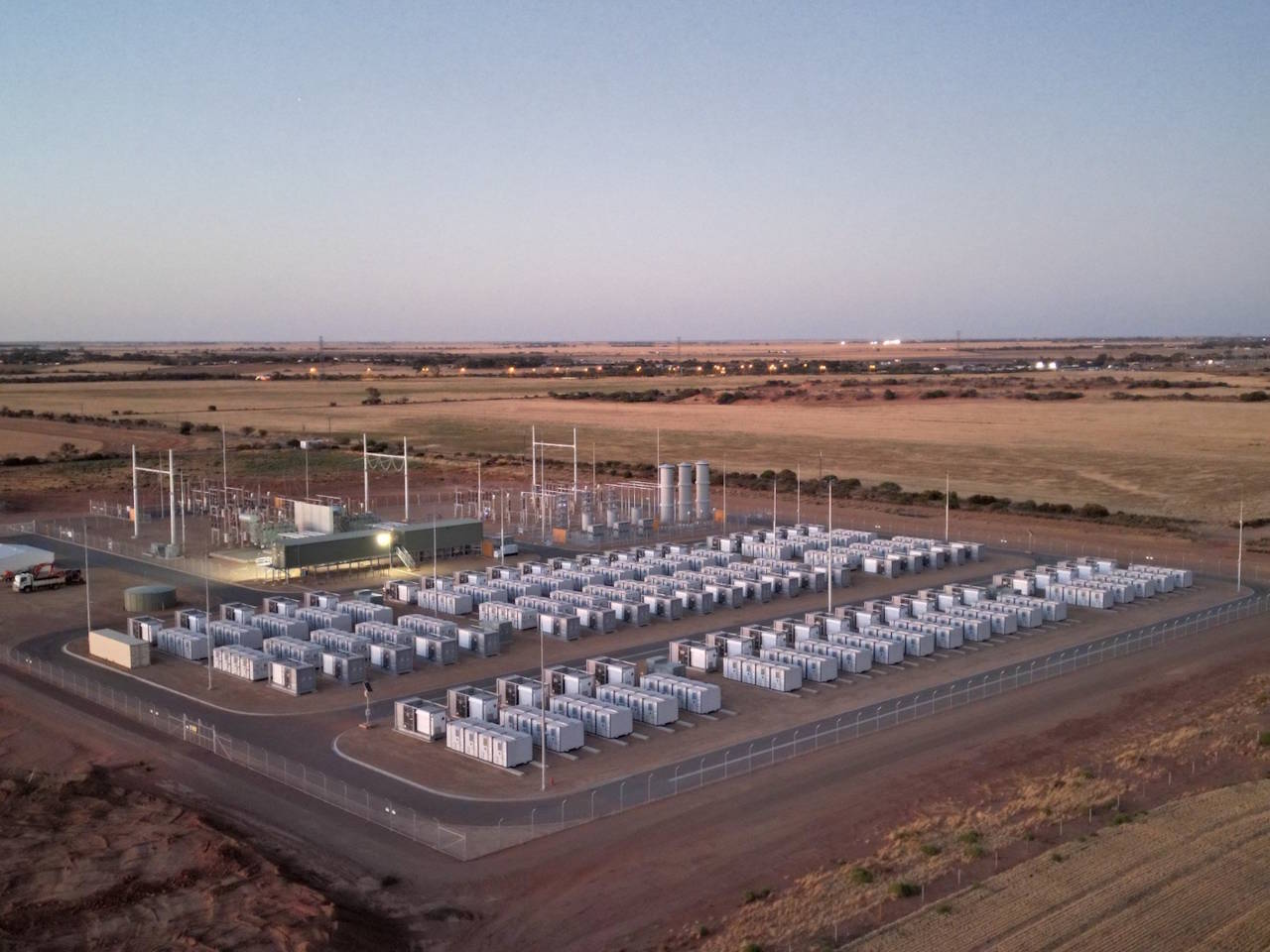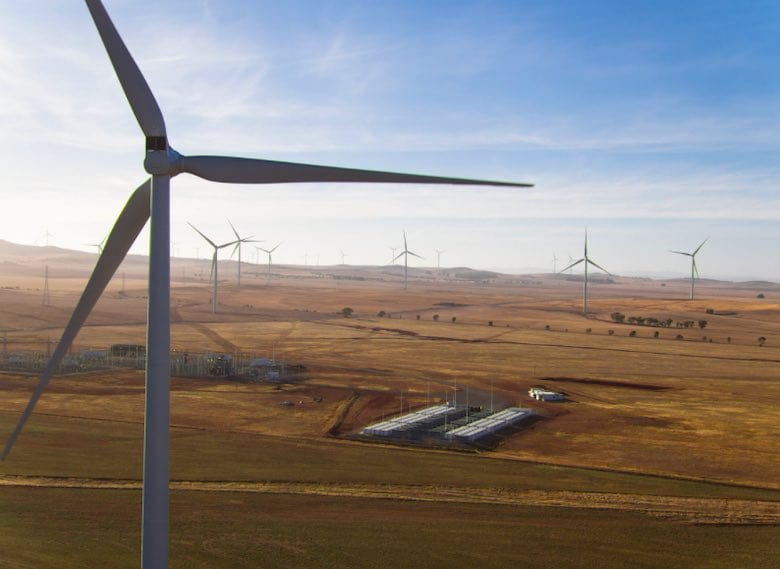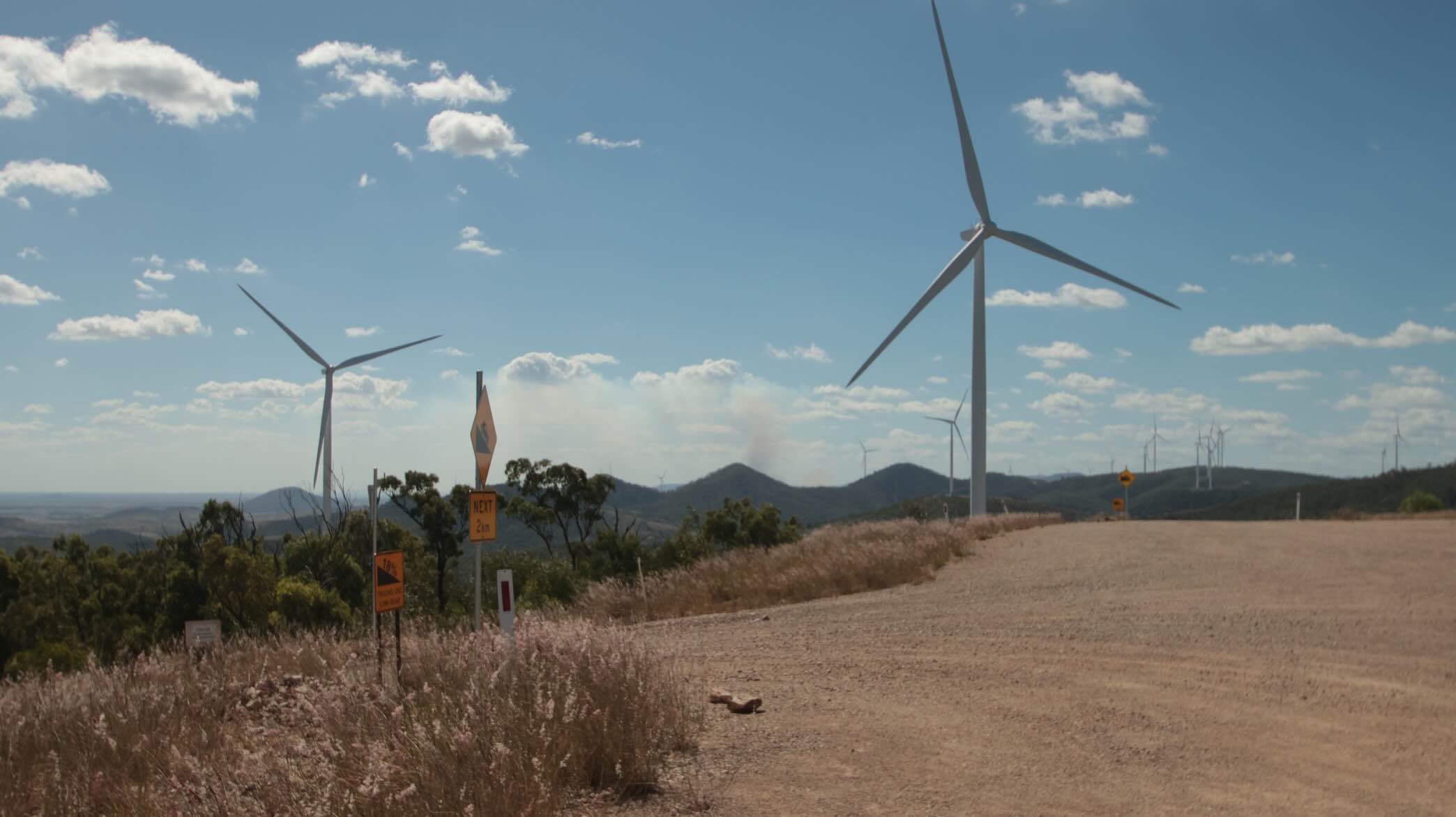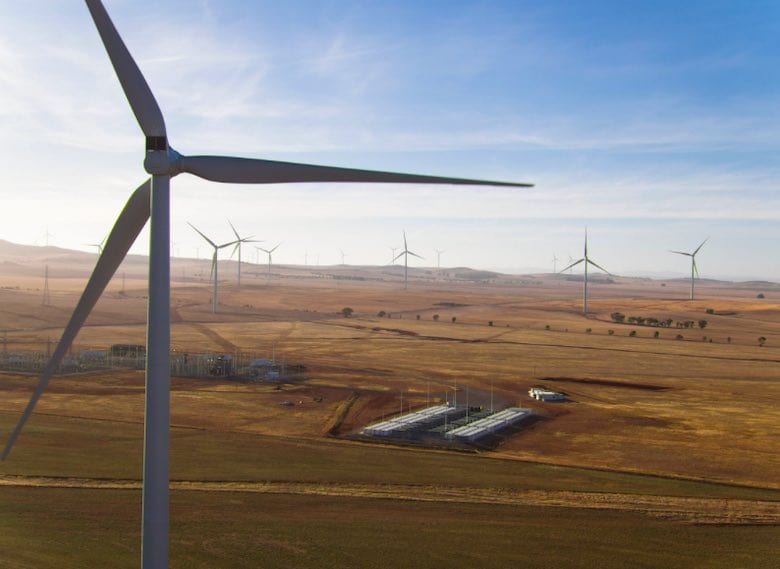
The case for more and longer-duration battery storage has been underlined by the events of the past 10 days in Australia’s most advanced renewables grid – which has swung from three days of more than 100 per cent renewables to its worst wind drought in seven years.
The events have sparked plenty of debate about the weather-dependence of renewables-dominated grid, although that argument sounds hollow when the heatwave in France forces the shutdown of some of its nuclear reactors, and unexpected coal shut-downs are considered the biggest risk to Australia’s grid in similar heatwaves.
In South Australia, its already sizeable gas fleet – largely built decades ago to support the state’s dependence on inflexible brown coal generation – was barely switched on last week as the state enjoyed strong wind conditions that provided an average of more than 100 per cent of local demand for more than three days.
But they were then fired up en masse to provide the bulk of the state’s generation from Sunday to Wednesday this week as wind experienced what analysts such Watt Clarity estimate to be the state’s worst four-day wind drought in seven years.
It is important to note that this did cause a rise in wholesale prices – gas is expensive – and higher emissions (gas is also dirty), but it did not cause any supply shortfalls, and there was no load shedding, even after the lower than average solar output closed down for the evening.