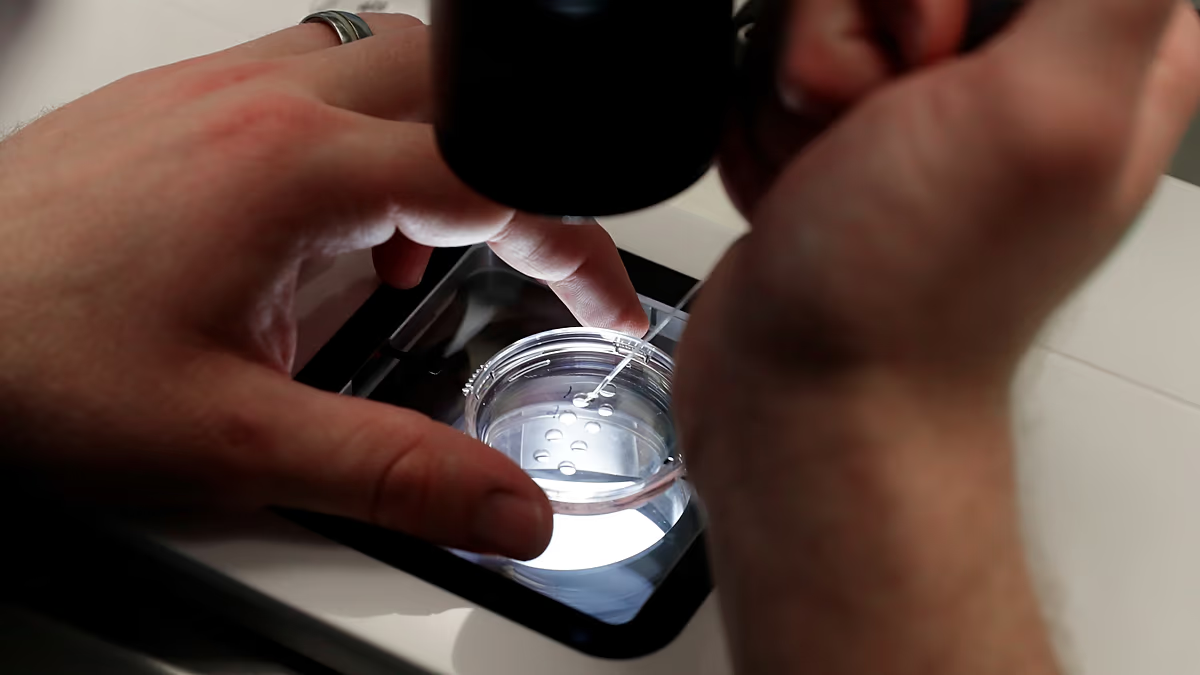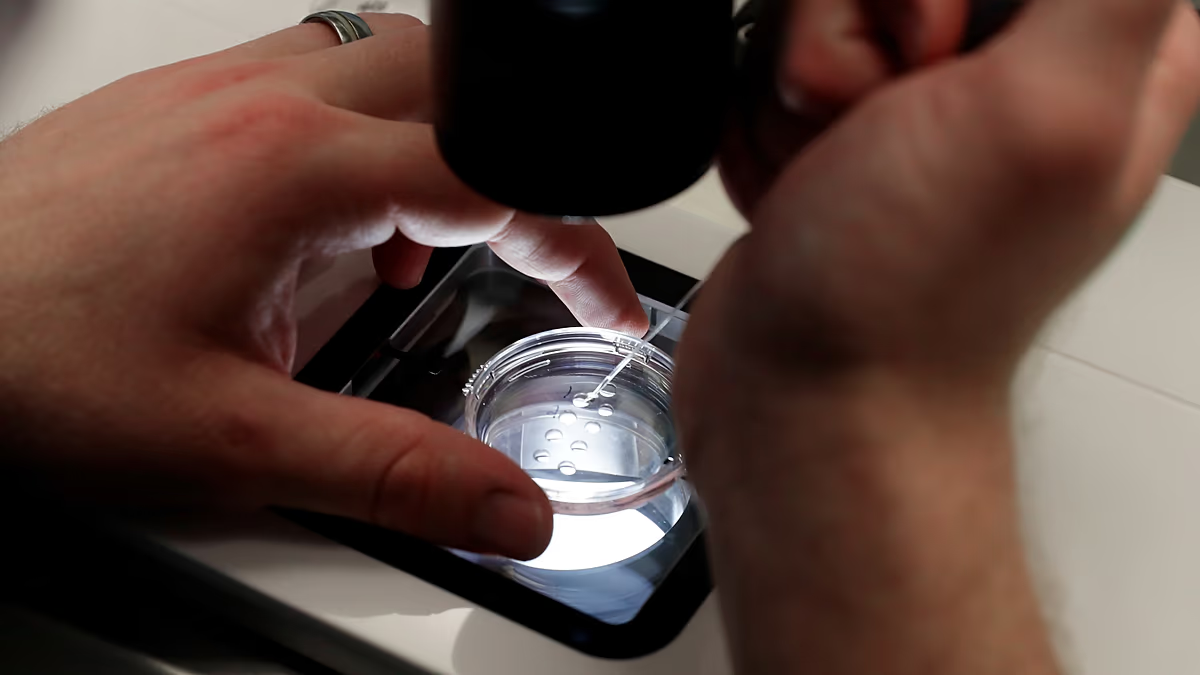
The study examined 85 clinical trials assessing so-called IVF “add-ons” — additional procedures, tests and medicines offered alongside standard fertility treatment, often at significant cost to patients. Researchers found that most provide little or no proven benefit, despite being widely promoted by private clinics.
“There is widespread misinformation about IVF add-ons, with private clinic websites and patient forums on social media — major information sources for patients — often overstating the benefits and omitting the costs and risks,” Sarah Lensen, study author and researcher at the University of Melbourne said.
The review found that seven of 10 widely used add-ons either had no measurable effect on fertility outcomes or were supported only by limited, low-quality evidence.
These included acupuncture, medication to reduce inflammation, a biopsy of the uterine lining to assess gene expression patterns, soybean oil and egg yolk that is administered into the blood and platelet-rich plasma treatments administered either to the ovaries or the uterus.
Researchers also found insufficient evidence to support the use of pre-implantation genetic testing for aneuploidy (PGT-A), a screening technique used to check embryos for chromosomal abnormalities before transfer.