Get the latest news and updates from Dawn
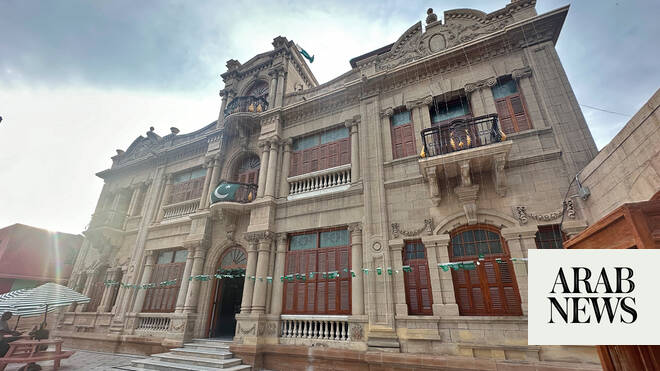
HYDERABAD: Rows of acacia and mango trees lined the route. Koel birds’ constant cooing added to the serenity of the area. Surrounded by agricultural landscape, a colonial era spacious palace stands behind thick neem trees in Tando Mir Noor Mohammad Talpur — a village where descendants of Sindh’s Talpur rulers had arrived after being released by the British Raj from India in the wake of the conquest of Sindh.
An over 160-year-old structure, the palace is preserved by the Mirs’ fifth generation. No major changes are made. Tando Mir Noor Mohammad is named after the son of Bibi Sona Talpur, daughter of Mir Naseer Talpur, the last Talpur ruler dethroned by the British Empire.
His men were defeated in Feb-March 1843 by Charles Napier’s army on the outskirts of today’s Hyderabad city in battles of Miani and Dubbo. She was married to her paternal cousin Mir Hussain Ali Talpur, son of Mir Noor Mohammad.
Tando is a Sindhi word that defines gated settlement and named after by some notable, which were to later emerge as cities or towns. After defeating their predecessors — the Kalhoros — Talpurs governed Sindh from Hyderabad’s Pucca Qilla. The fort was their principal seat of rule with separate administrative machineries headquartered in Khairpur and Mirpurkhas. Another definition explains Tando as a jagir given by Talpurs to their advisers, ministers and loyalists.