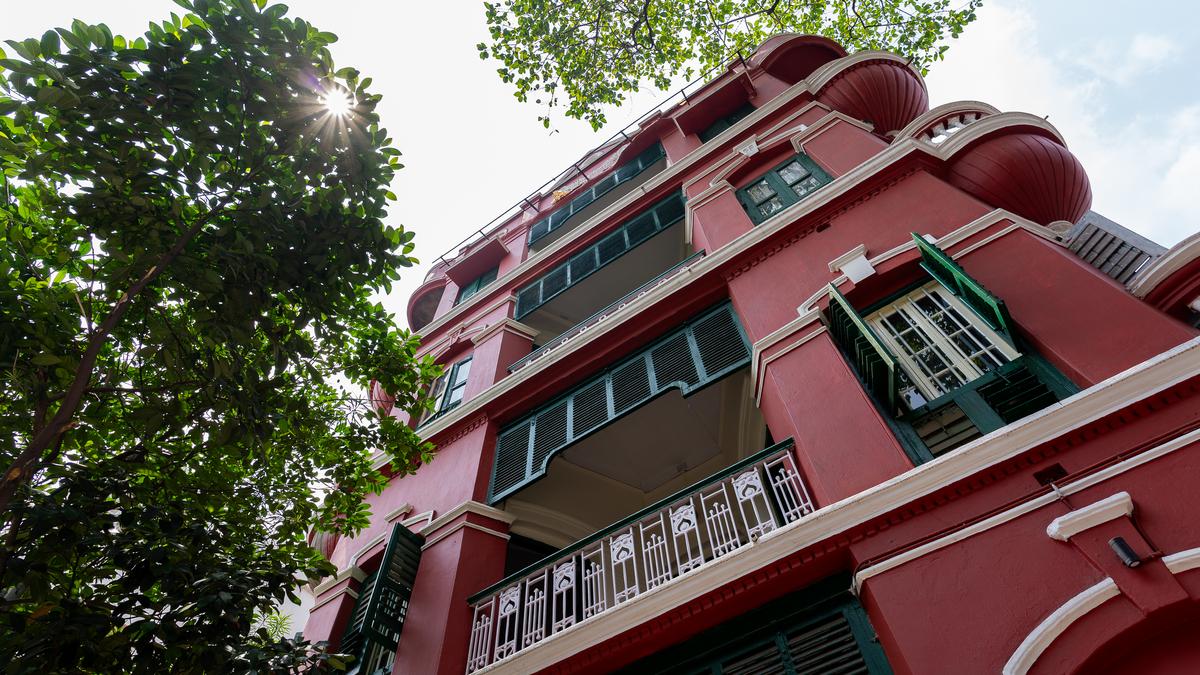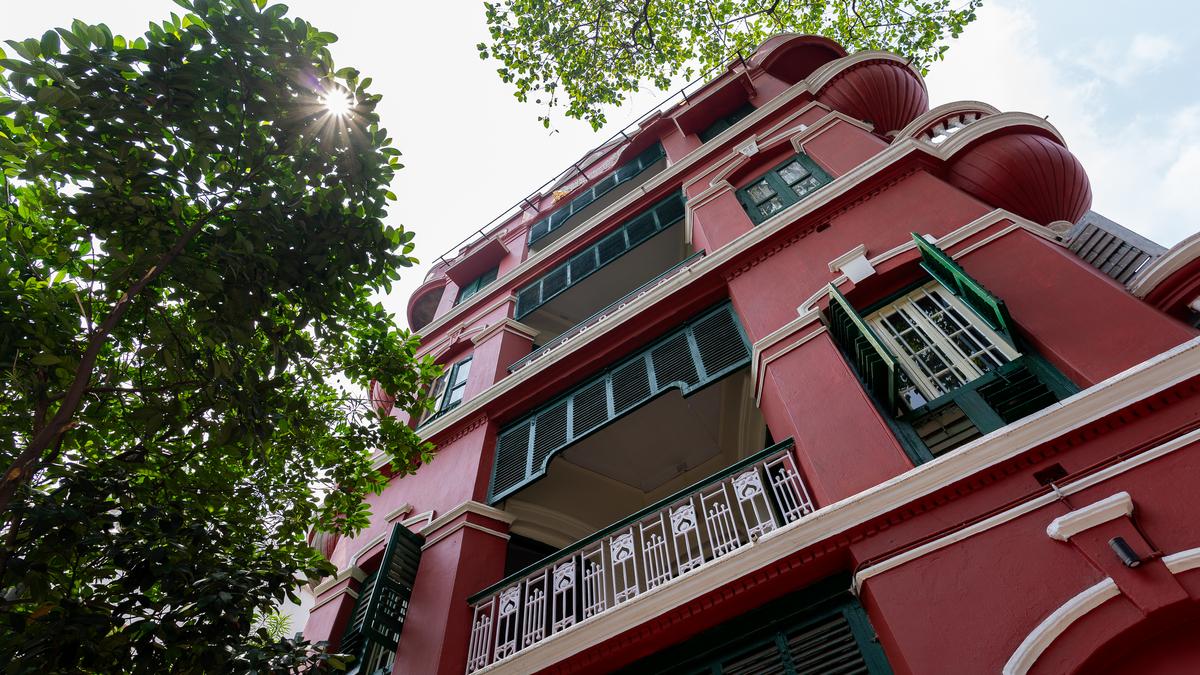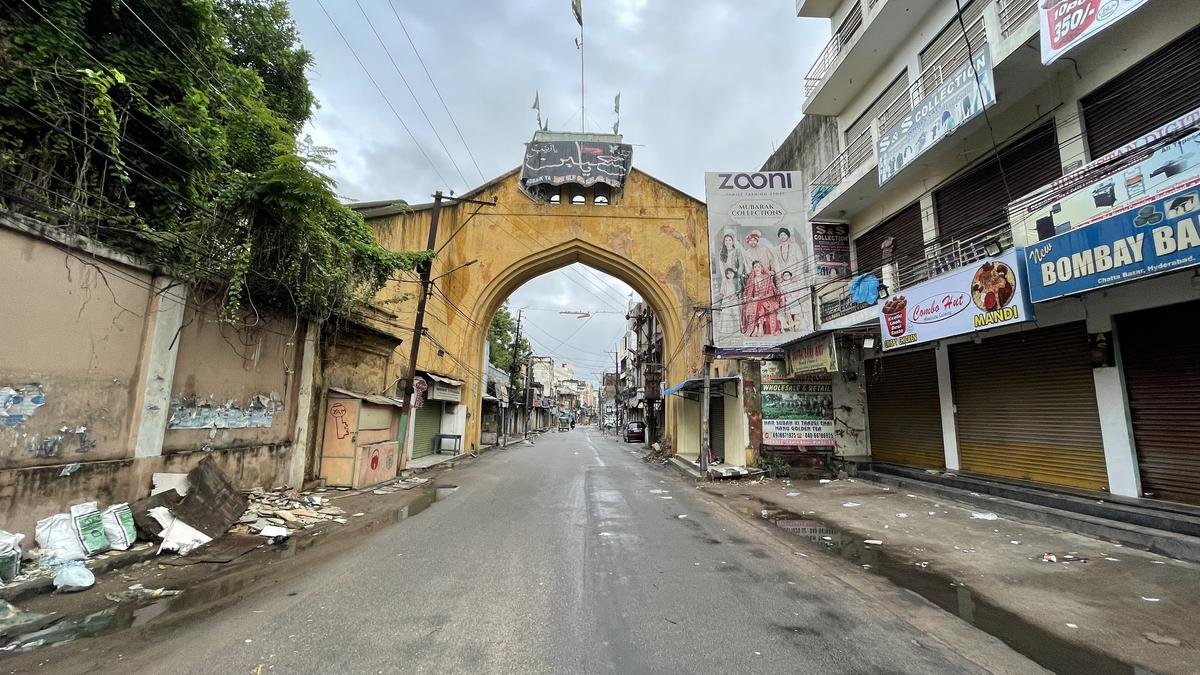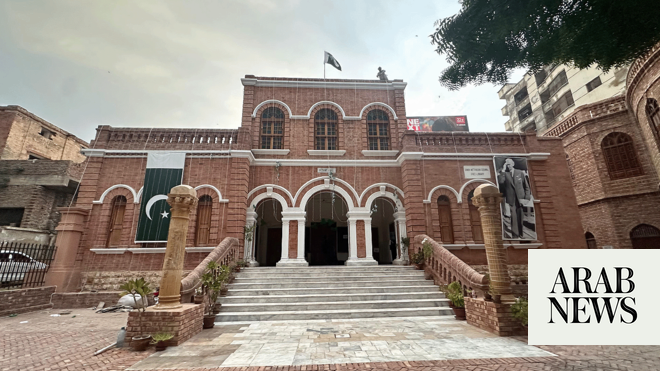
HYDERABAD, Pakistan: On a busy street in Pakistan’s southern city of Hyderabad, the red-brick façade of Besant Hall now stands with quiet dignity, its symmetry and arches evoking a bygone era.
For much of the last century, the colonial-era landmark embodied the city’s intellectual and political energy. But in recent decades, the building fell into despair, its walls cracked, doors eaten by termites and halls used as a den by addicts.
Named after British socialist and theosophist Annie Besant, the hall was inaugurated by her in 1917 during the height of the Indian independence movement. For decades it remained a space for reformist gatherings, but its fortunes declined after the partition of the Subcontinent in 1947. By the 1980s, it was reduced to a marriage hall before being abandoned entirely.
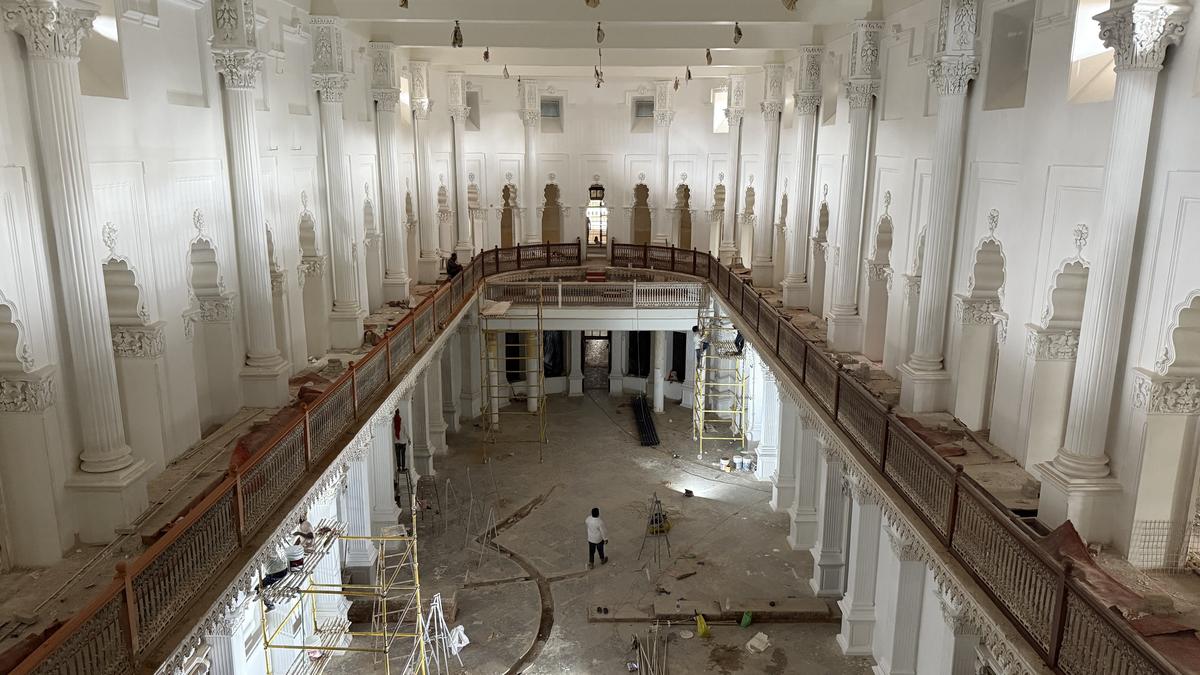
In 2019, the Endowment Fund Trust (EFT) of the Sindh provincial government stepped in, launching an ambitious restoration project. The task was painstaking: red bricks were brought from Lahore to replicate its original look, layers of lime and cement that had dulled its character were replaced, and termite-infested windows rebuilt. Archivists salvaged fragile materials, some so badly infested they caused skin reactions in handlers.