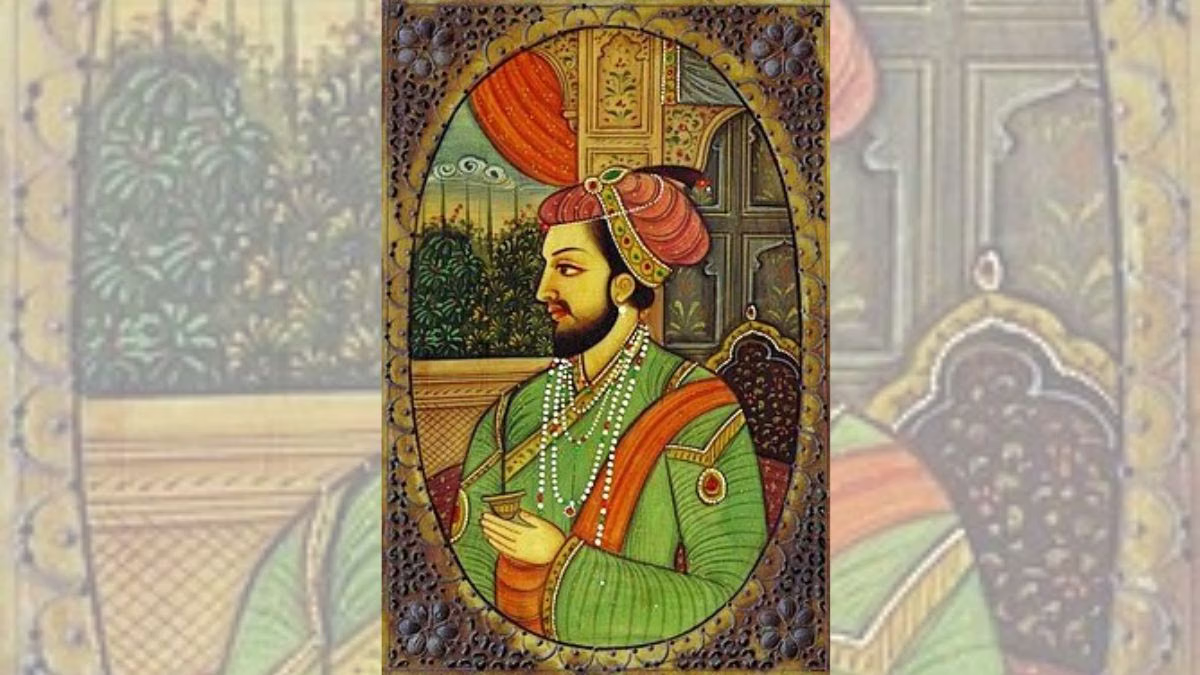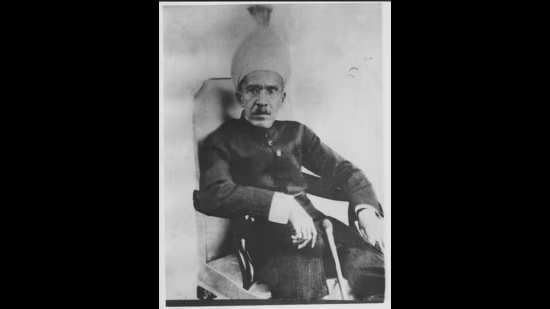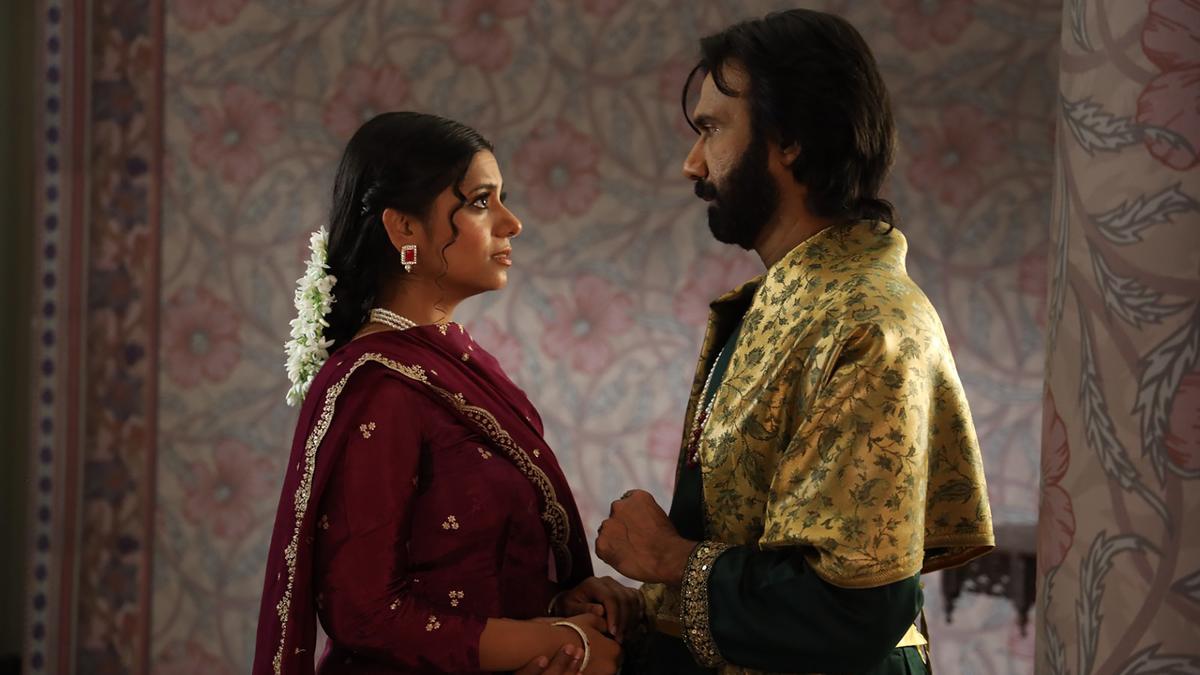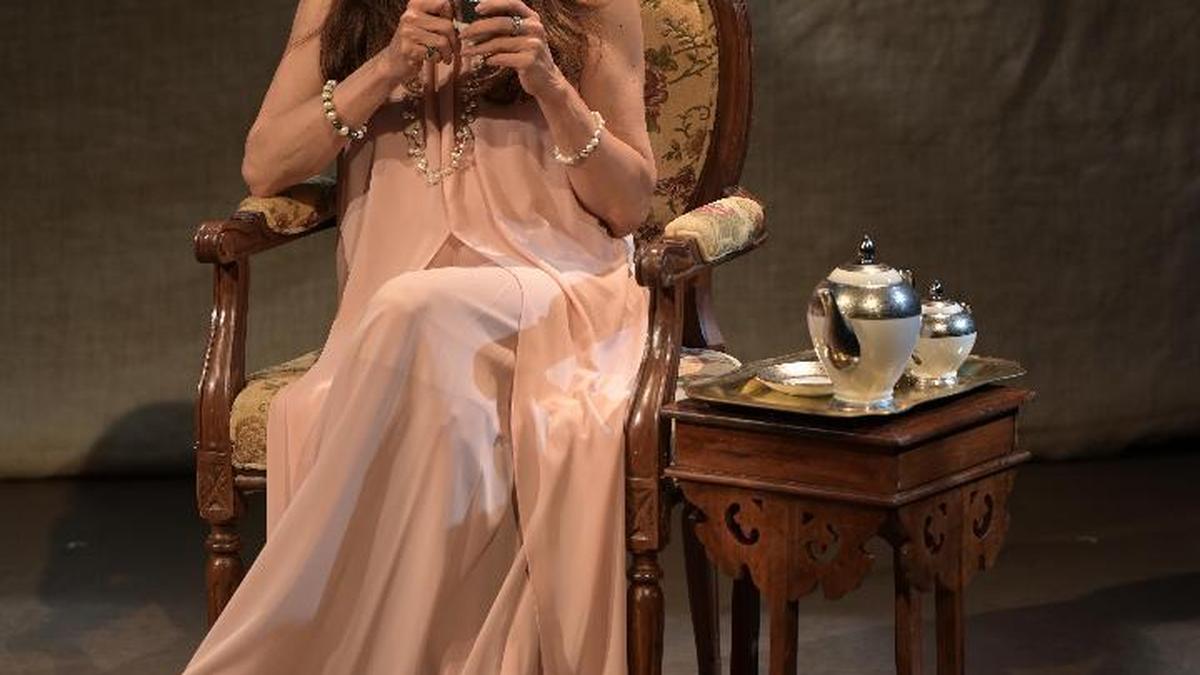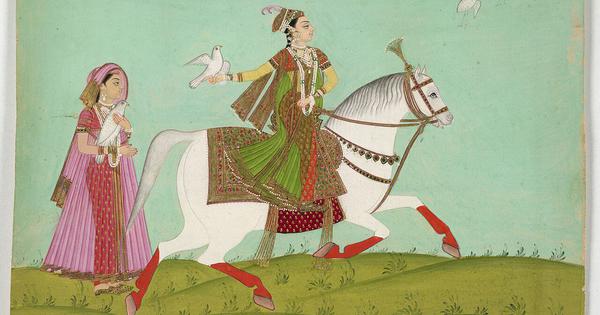
Despite its immense contribution to poetry and lyricism, the Qutb Shahi dynasty, which ruled the Golconda Sultanate from 1518 to 1687, is significantly less celebrated and depicted in cinema than the Mughals. Mohammad Ali Baig, a pioneering figure in heritage theatre, has been breathing new life into the history, folklore, and secular ethos of Sultan Muhammad Quli Qutb Shah, the founder of Hyderabad, and his legacy. Baig’s latest venture is Chand Tara, a feature film on the legend of Taramati and Sultan Abdullah Qutb Shah, the grandson of Quli Qutb Shah, who reigned from 1626 to 1672, and captures the luminous bond that he shared with singer Taramati.Baig holds their legend as much more than a quaint regional story or a standard fairy-tale romance. “It is a window into the highly sophisticated, syncretic, and artistic world of the 17th-century Deccan,” says the actor-director who has just returned from Cannes, where the “poetic” trailer and poster of the film were released at the festival at the National Film Development Corporation-managed Bharat Pavilion to an “overwhelming response.”
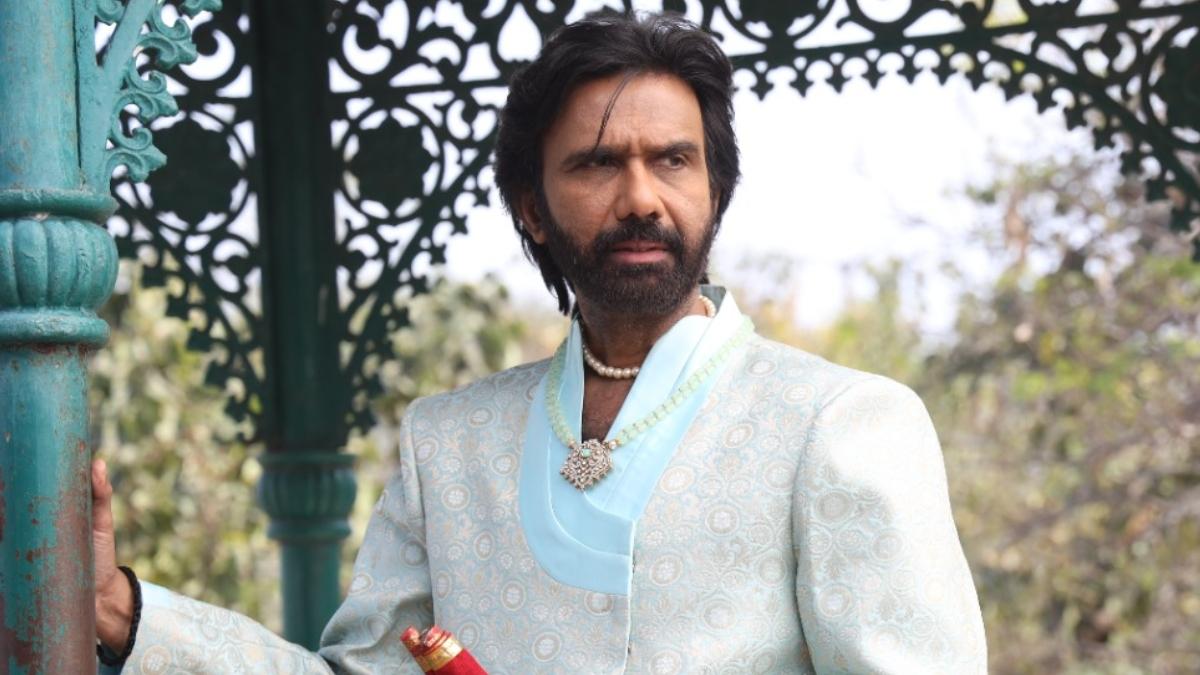
Ranjana Srivastava and Mohan Agashe in the film
| Photo Credit:
Special Arrangement
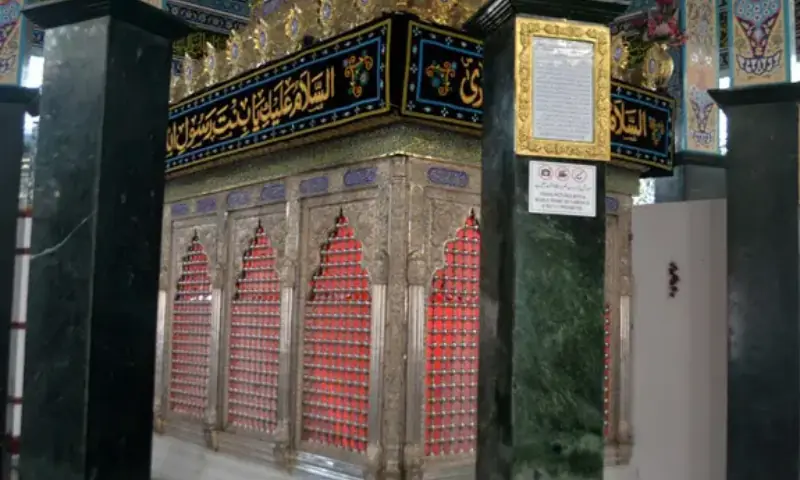
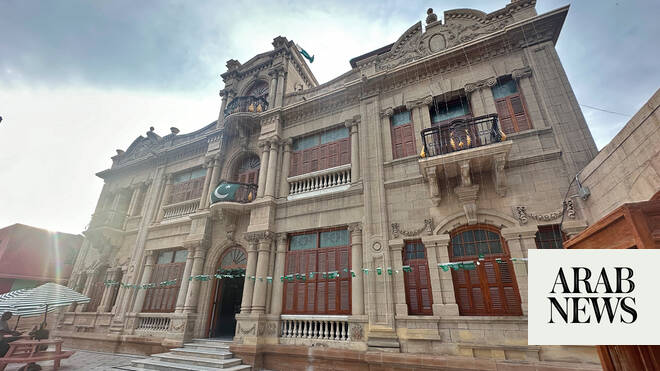
The catalyst for the film was rooted in Baig’s first theatre production, Taramati, which he staged at the historic Taramati Baradari in Hyderabad. “The monument is a testimony to the artist’s stature. It was built in her memory by Sultan Abdullah Qutb Shah, a connoisseur of arts and grandson of Sultan Quli Qutb Shah, the first Sahib-e-Diwan poet of Urdu, which is an ultimate symbol of literary prestige.”Inspired by his mother Begum Razia Baig, the actor-director says, “Most of my work in theatre is woman-oriented as I believe that the hero doesn’t have to be from the male gender. My experience says that women, with their dignity, strength, and calmness, can change things around. Taramati did the same with the worship of her art. Through her grit and determination, she turned a mama’s boy into an able administrator.”Baig says very little information is available about Taramati except that Premamati, whom she considered a sister figure, was a dancer in Sultan Abdullah’s court. “It is a historical fact that Taramati lived in that era, and she is buried in the private necropolis of the Qutb Shahi tombs, which is a heritage site today.” It is also true, he adds, that Sultan Abdullah Shah was a patron of the arts.“It is said he gave the whole village of Kuchipudi to dancers and artists. We have fictionalised their story a bit. It is not known whether she was her begum, consort, or court singer, but we do understand that she resisted being a court singer because she believed her art was her worship. That a monument built by the king of that period stands in memory of a singer who was neither his queen nor a consort also tells a story. It is not like the Taj Mahal. It means she was a singer of great repute and respect. That’s very inspiring.”When stripped of modern romanticisation, the story, Baig feels, reveals fascinating truths about early Medieval Indian geopolitics, gender dynamics, music, and architecture. Reflecting on the conjectures about their relationship, the actor-director says it is not a mushy love story. “Taramati and Sultan Abdullah met at a stage of their lives when they were mature enough to understand that they may not have a future together. Taramati resists going to the Sultan’s court and refuses his calls, but when they meet, she realises that he is a cultured man who loves the arts as much as she does. She falls for him, but this bond is beyond romance. It is a very mature, spiritual, and intellectual love story.”