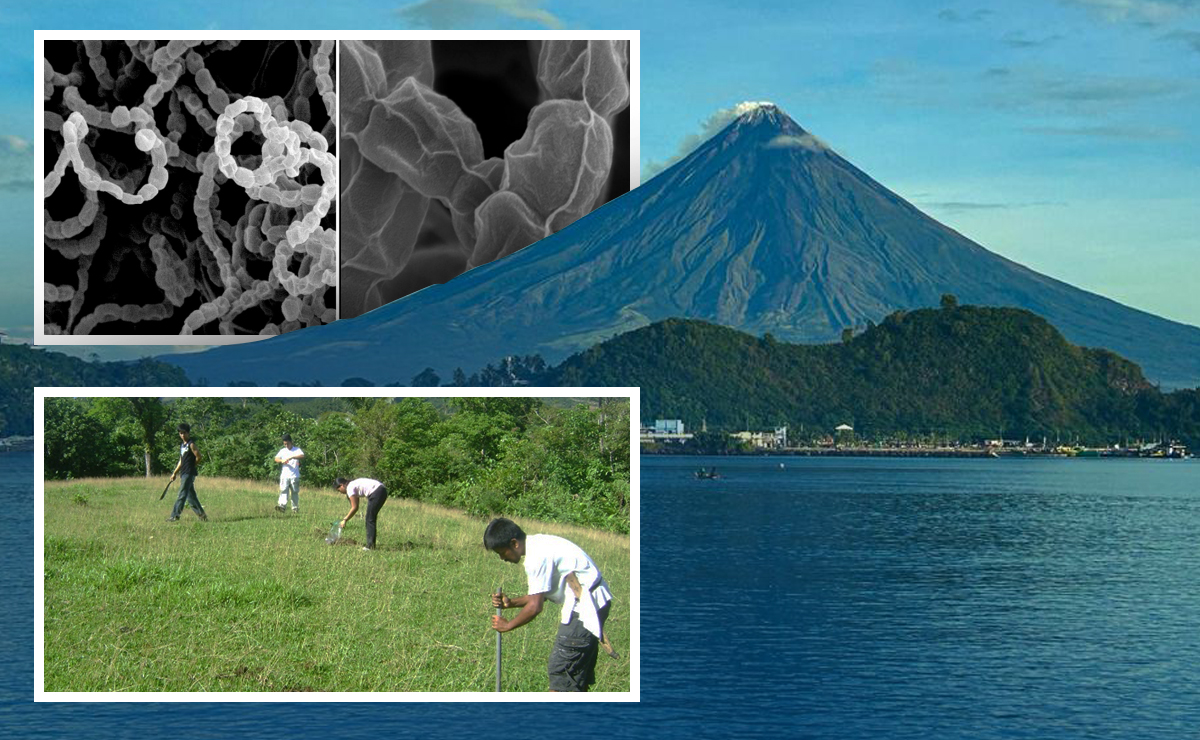
Found in volcanic soil in Albay, the newly classified organism belongs to a bacterial group responsible for producing many of today’s antibiotics, underscoring the Philippines’ potential role in the global search for new treatments against drug-resistant infections.
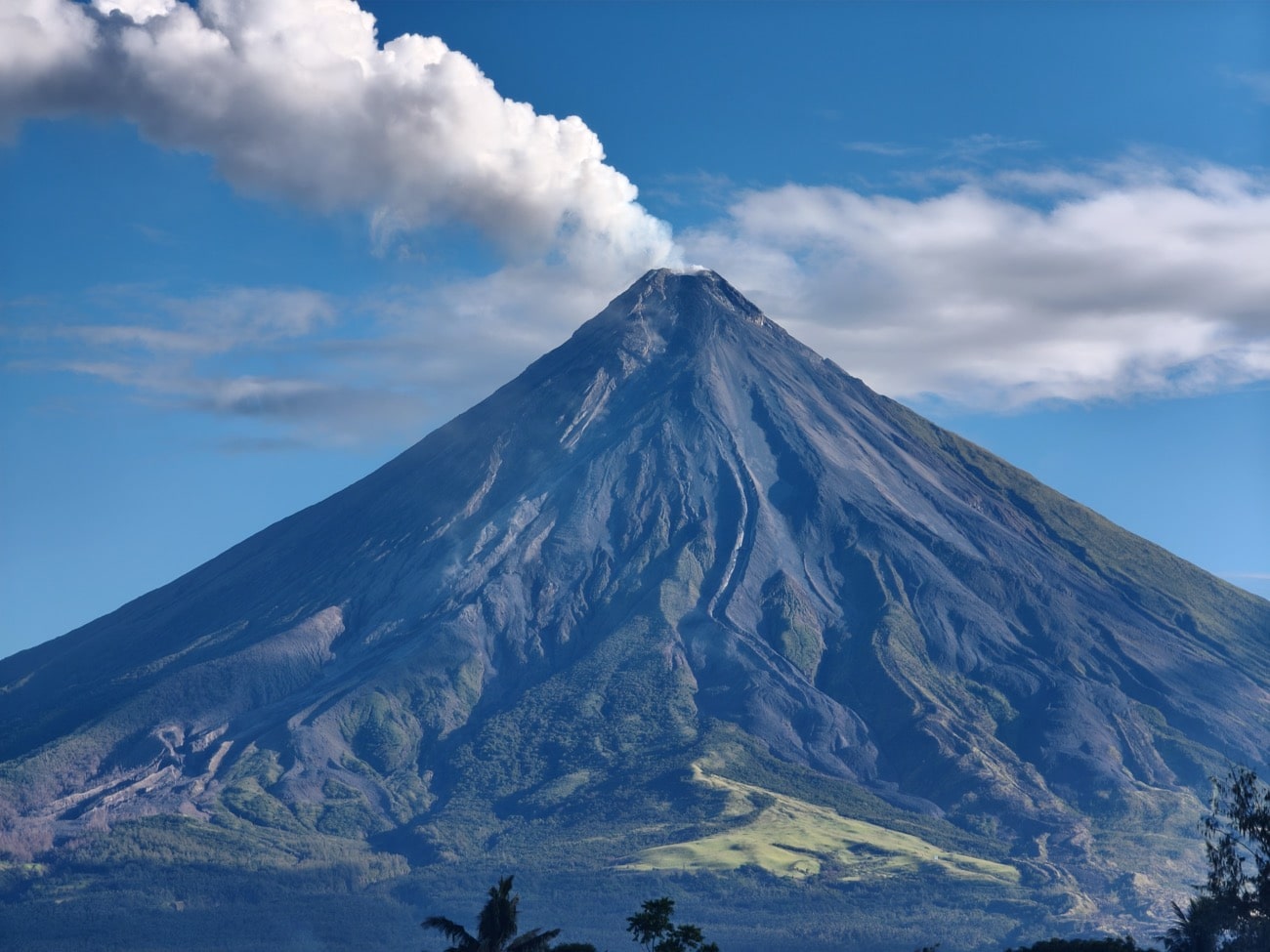
MANILA, Philippines — University of the Philippines researchers have officially identified a new bacterial species from the slopes of Mayon Volcano, a discovery that adds a Philippine organism to the global scientific record as the World Health Organization warns of a worsening shortage of innovative antibiotics to combat drug-resistant infections.
The newly classified species, named Streptomyces mayonensis, belongs to a bacterial genus responsible for producing many antibiotics used worldwide. Researchers said the discovery also reinforces the value of exploring the country’s biodiversity as scientists search for new compounds that could eventually contribute to future drug development.
The research was conducted by Gerald M. Aguilar, Kristel Mae P. Oliveros, Albert Remus R. Rosana, Rina B. Opulencia and Asuncion K. Raymundo of the University of the Philippines Los Baños. Rosana is also affiliated with the Department of Science and Technology, while Raymundo is affiliated with the National Academy of Science and Technology.