When Filipino scientists started the development of a biofertilizer at the University of the Philippines Los Baños (UPLB), they meant to improve Filipino farmers’ livelihood.
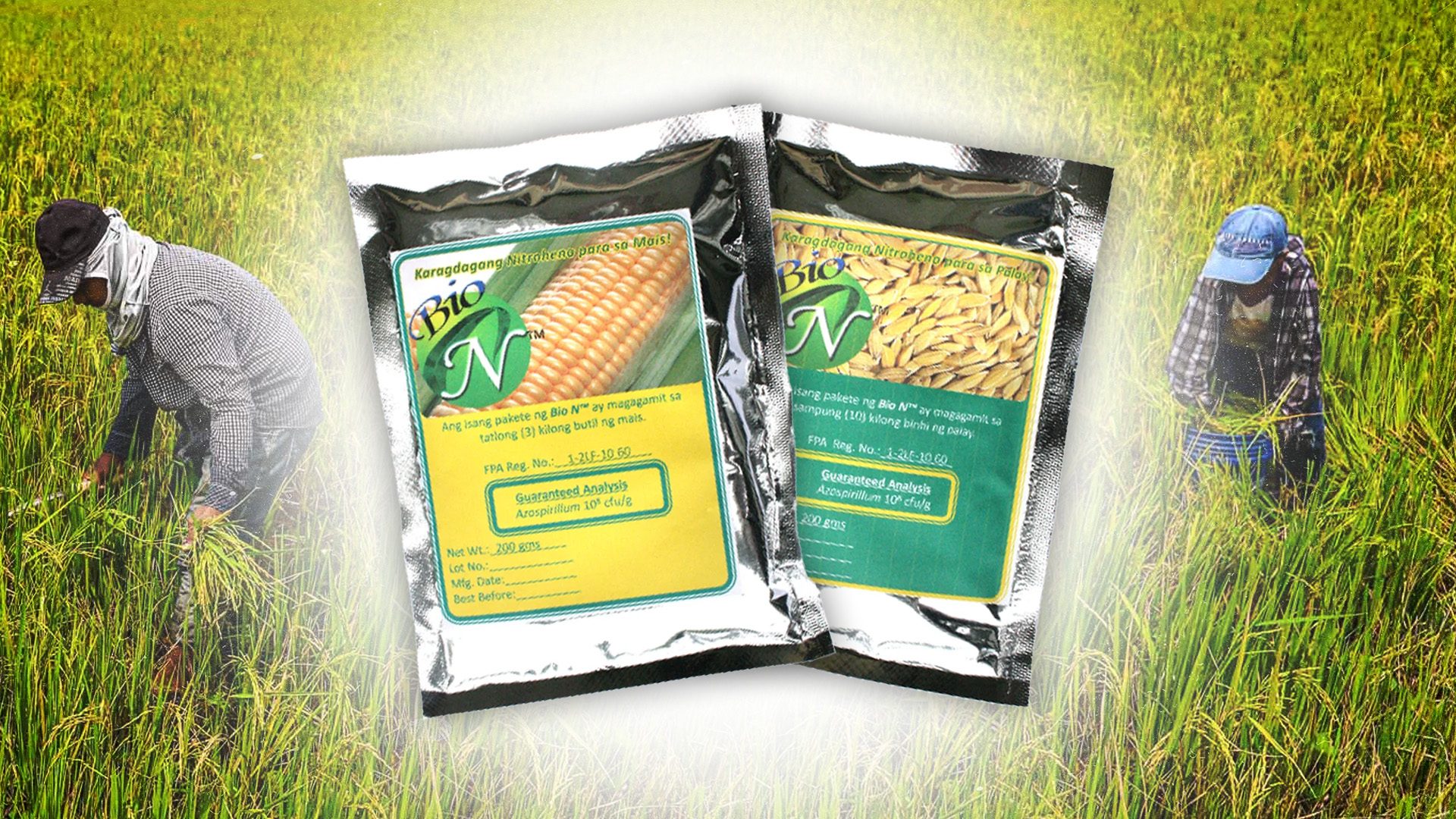
In 1985, Dr. Mercedes Umali-Garcia (now deceased) started research that would eventually lead to the creation of Bio-N, a microbial-based fertilizer that enhances the nitrogen intake of plants. Bio-N is considered the pioneering biofertilizer product of the university.
Biofertilizers act as complementary to the urea-based fertilizers. They help keep soil healthy. More importantly, they could be cheaper, if not as widely accessible.
The ideal path was for the product to come from local research laboratories down to smallholder farmers, facilitated and funded by the government. This was what happened in 2004 when the Department of Agriculture (DA) funded 83 mixing plants to scale production of UPLB’s Bio-N. But various problems arose that affected production. Bio-N got funding from the DA the same year that the fertilizer fund scam broke.
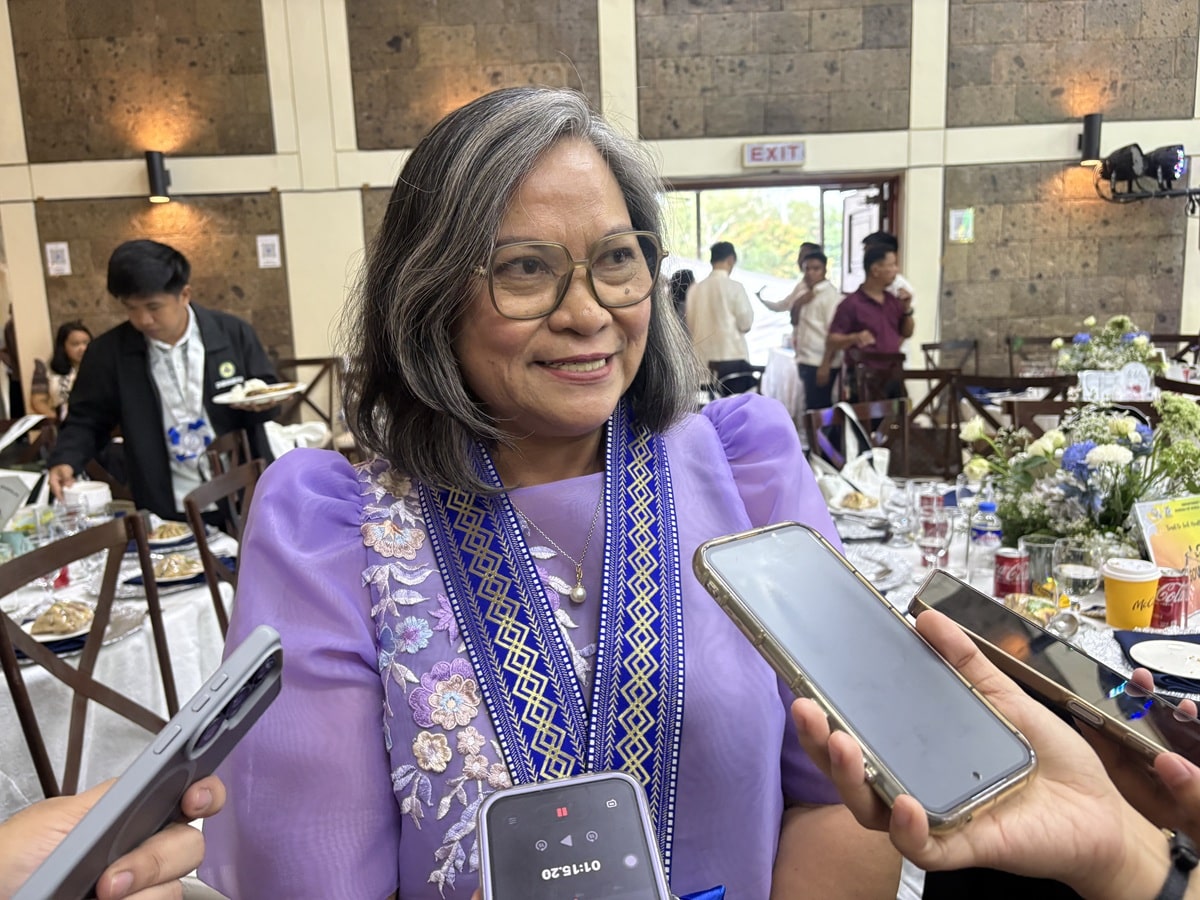
“At the time, there were many issues because of the fertilizer scam. We were affected. We went through many issues,” Julieta Anarna, researcher from UPLB’s Biotech and the project leader who took over Dr. Garcia, said in Filipino.