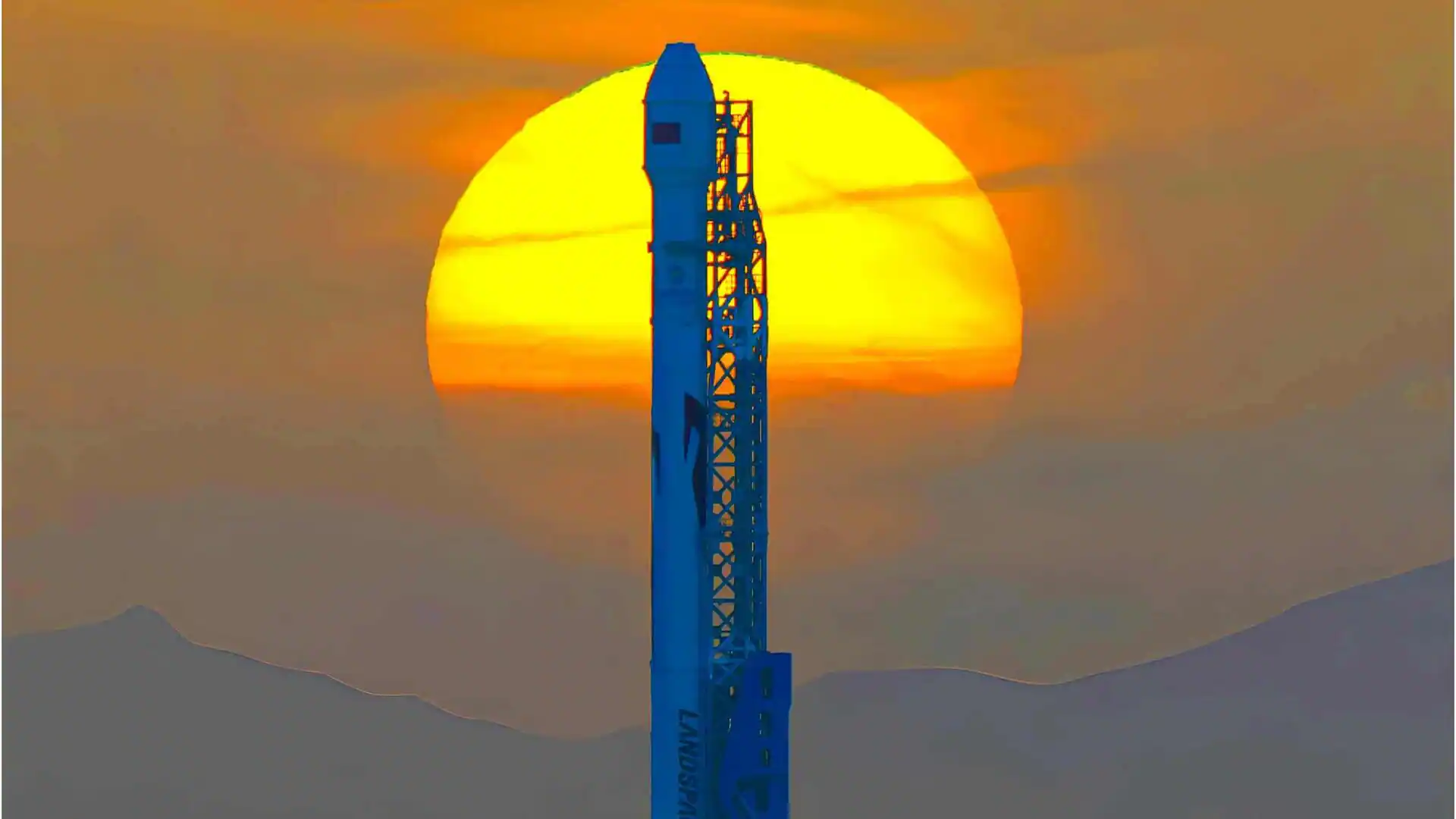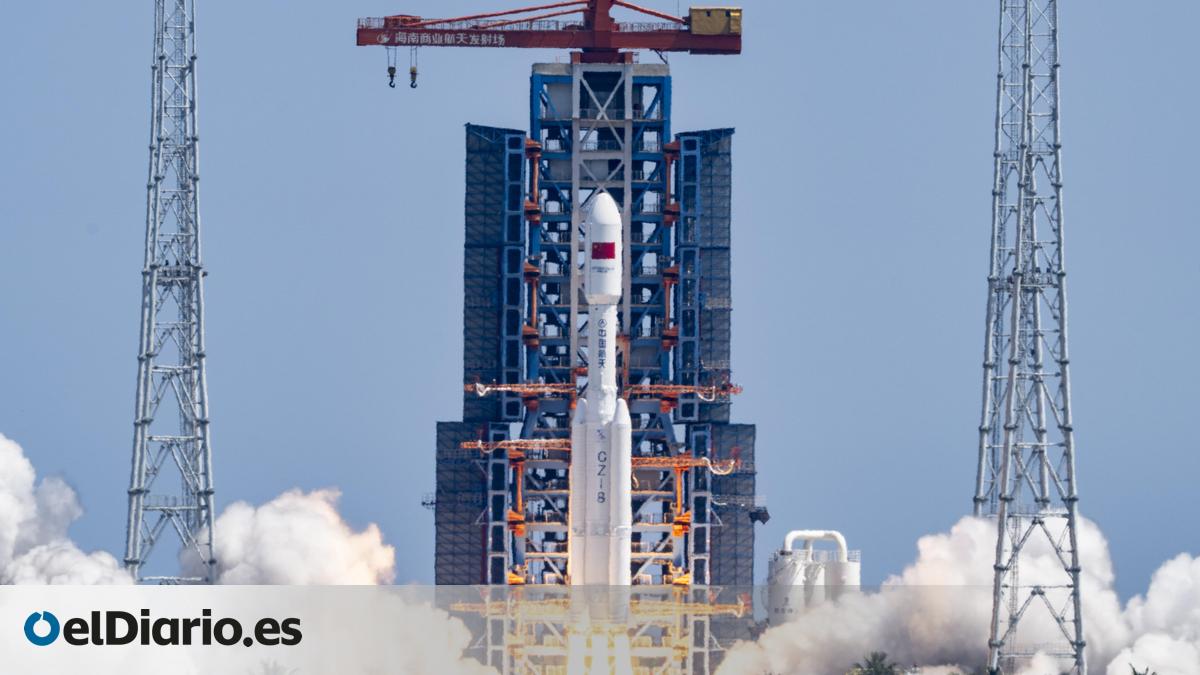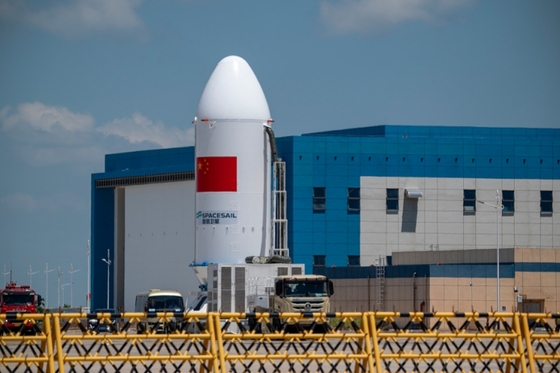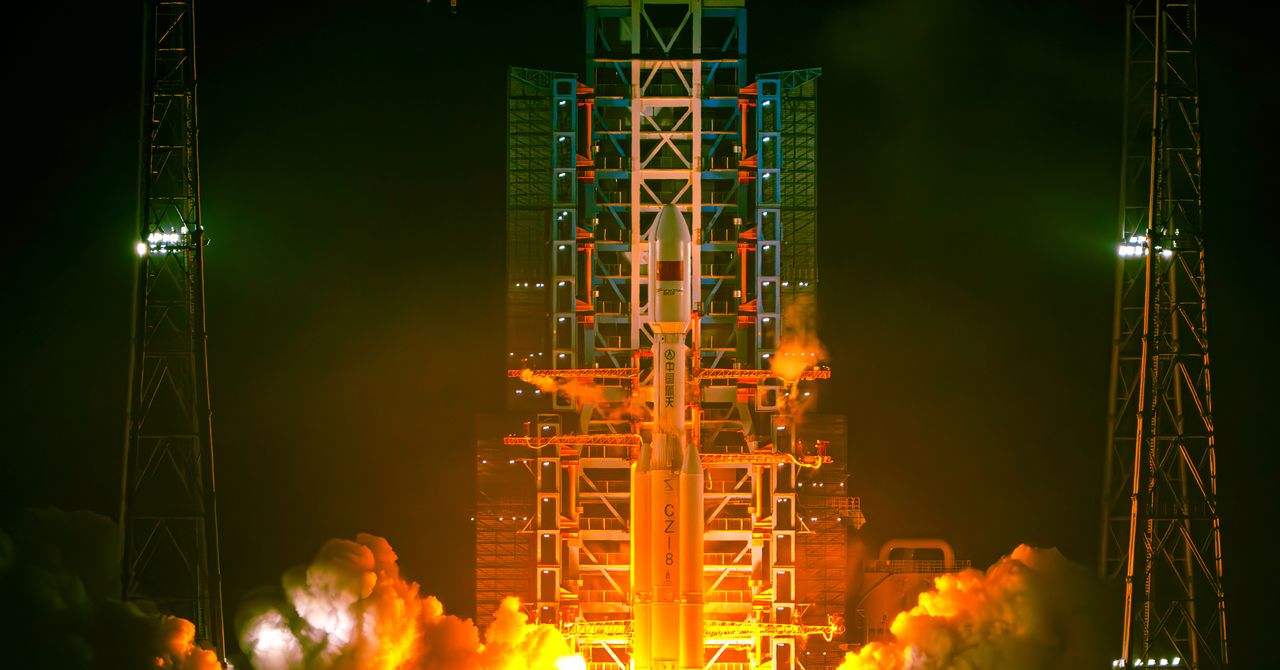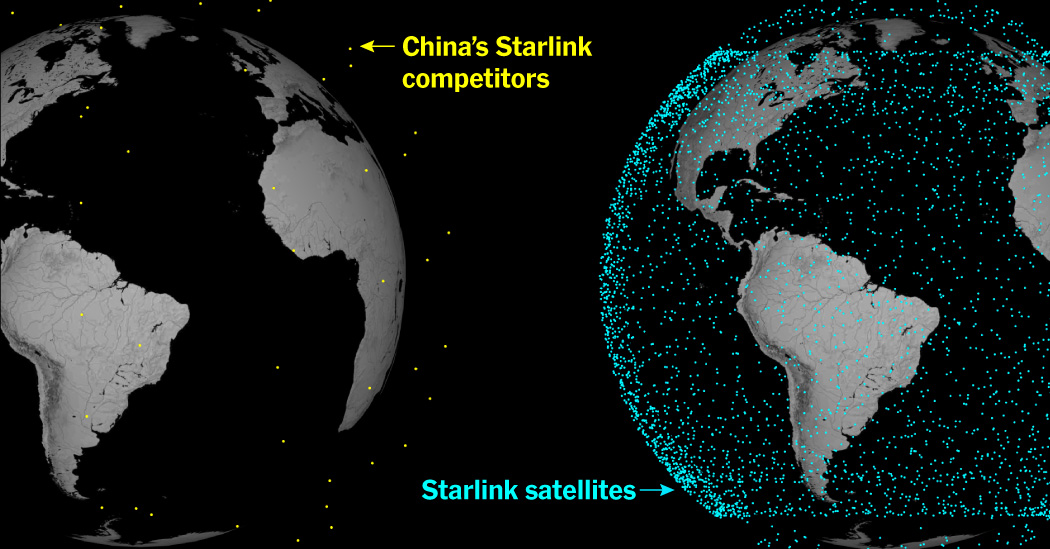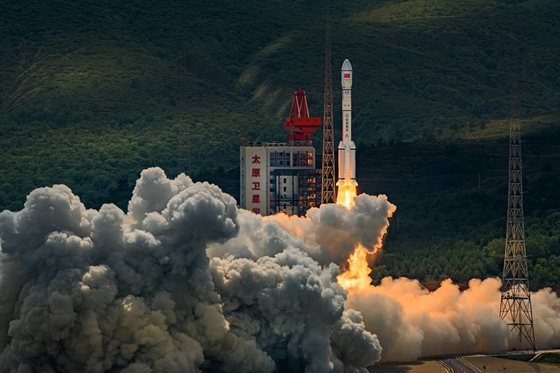
Elon Musk’s Starlink has long dominated the satellite internet industry, but a Chinese government-backed project is aiming to challenge its position.SpaceSail has just a few hundred satellites in low Earth orbit compared with Starlink’s 10,000-plus. But the company says it now has enough satellites to begin its first commercial application, is scaling up at speed, and is reportedly negotiating with dozens of countries to provide satellite internet coverage.According to Blaine Curcio, founder of Hong Kong-based firm Orbital Gateway Consulting, SpaceSail is “deliberately targeting” places where Starlink has faced “political or regulatory issues”. Speaking to the Rest of World news outlet, he compared its playbook to Chinese electric car maker BYD, which utilised billions in government subsidies to overtake Tesla in global sales.The company’s recent fundraising round was dwarfed by Starlink owner SpaceX’s record-breaking $85.7bn initial public offering, but could China’s growing global strength enable SpaceSail to make headway?What is SpaceSail? The project – officially called the SpaceSail Constellation in English, or Qianfan (Thousand Sails) in Chinese – was launched in 2023 by state-backed firm Shanghai Spacecom Satellite Technology (SSST), with the goal of providing “high-speed, secure and reliable” broadband internet worldwide.Lan Xinzhen, a commentator with the state-affiliated Beijing Review magazine, said SpaceSail was also launched with national security in mind, and that it would eventually support “overseas projects, ocean trade and diplomatic missions” free from reliance on western firms or infrastructure. SSST is backed by state-run research institute the Chinese Academy of Sciences and the Shanghai Municipal People’s Government, which provided its initial funding of 6.7bn yuan ($943m). It remains an entirely China-funded project, with investment limited to China-based corporate entities or economic organisations, excluding Hong Kong and Macao. Publicly available information on the scale of SpaceSail’s operation is limited, but according to Qichacha, a Chinese business information platform, SSST had 343 employees in 2024, the latest data available. Its official LinkedIn page lists 201-500 employees, while Chinese career platform Jobui says the firm recruited for 224 positions in 2024, a significant increase on the previous year.How many satellites has it launched so far? SpaceSail launched its first satellites in August 2024, sending up 18 flat-panel satellites aboard a Long March 6A rocket. A second group of 18 satellites was launched two months later, before a third group of 18 in December.There are now at least 200 active SpaceSail satellites in Earth’s orbit, following the 12th and most recent launch aboard the Long March 8 rocket in June this year. The firm said it now has enough satellites to begin its first commercial application, tracking maritime vessels at sea.The company aims to begin broader commercial services by the end of 2026, when its total number of active, orbiting satellites is expected to reach 648. Its constellation will eventually consist of more than 15,000 satellites, enough to provide full global coverage, according to SSST.How does SpaceSail compare to Starlink?Starlink is an industry leader with more than 12 million active users across 160 countries and territories. It operates a constellation of around 10,413 satellites, with plans to eventually expand to 42,000.SpaceSail lags far behind, but it has big ambitions. The firm says it will have more than 10,000 satellites operating in low-altitude orbit by the end of 2030.Analyst Curcio cautions that SpaceSail’s success is far from guaranteed, and that it also faces competition from within China. SpaceSail must compete for rockets and funding with domestic rival SatNet – another Chinese state-owned firm building its own similarly sized constellation of satellites, called Guowang. SpaceSail, however, remains a more natural competitor to Starlink, with SatNet primarily focused on domestic telecoms and national security. SpaceSail is reportedly negotiating with 30 countries to launch its service, already finding success as a Starlink alternative where agreements with Musk’s company have broken down. It has already secured a major contract in Brazil, where authorities clashed with Musk in 2024 over the billionaire’s alleged failure to moderate content on his social media platform X. In February, Brazil’s telecoms regulatory agency Anatel authorised SpaceSail to commence commercial services.SpaceSail has also made headway in Kazakhstan, registering a subsidiary in the country in January 2025, after talks with Starlink broke down over data-storage and security requirements.In December, it signed a deal with European aircraft manufacturer Airbus to include SpaceSail as an in-flight wifi option.
What is China’s SpaceSail, and could it rival Elon Musk’s Starlink?
The company has just a few hundred satellites in low Earth orbit but has state backing and is already reportedly negotiating with dozens of countries
712 words~3 min read